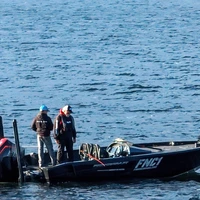
There are a few key practices anglers could keep in mind when practicing catch and release.
By Mark Melnyk
Mark is the host and producer of The New Fly Fisher Show.
April 12, 2023
Catch and release fishing has created a debate among anglers. The debate stems from the entire practice as a whole—to catch and release or not. I’m not trying to start a debate as to whether it’s right or not. To each their own I say. I will also say, it’s important if you’re going to practice catch and release to do it with as little harm to the fish as possible. There are a few key practices catch and release anglers could keep in mind when practicing catch and release.
Research
Anglers love to research the fisheries which they choose to wet a line. From the time of year, species, methods, techniques, flies, or lures … the list goes on and on. One of the items oft overlooked in that research is temperature. Not the temperature of the water at any given time or any given depth, but the temperature where it may cause harm to a fish if you choose to target them. For example, many trout fly fishers stop fishing for trout when the water temperatures hit the high 60s. As water temperatures increase, oxygen levels in that water decrease. Less oxygen over the time of a fight could result in less-than-ideal recovery conditions for an angled trout, possibly causing mortality. This troubling temperature is different for each species of trout as well as any other fish you may want to target. If the water is too warm, consider fishing for a different species or maybe occupying yourself in another fashion on the river.
Angling Time
As related to water temperature, the angling time has a huge effect on the survivability of fish. Generally, the longer you fight a fish, and the warmer the water temperature, the more susceptible fish are to a less-than-ideal recovery. If you’re fishing borderline temperatures for any species, consider upping your gear. For example, if you’re fishing with 4X leader and tippet material, consider upping it to 3X or 2X. By increasing the breaking strength of your leader, you can effectively “horse” the fish in quicker than you could if you were fighting with a lighter leader or tippet. By getting the fish to hand faster, you decrease the fight time, increasing the energy that fish may have to recover. Sure, you may not hook as many fish with heavier leader material, but you are doing less damage to that fish and ultimately the fishery.
Barbless Hooks
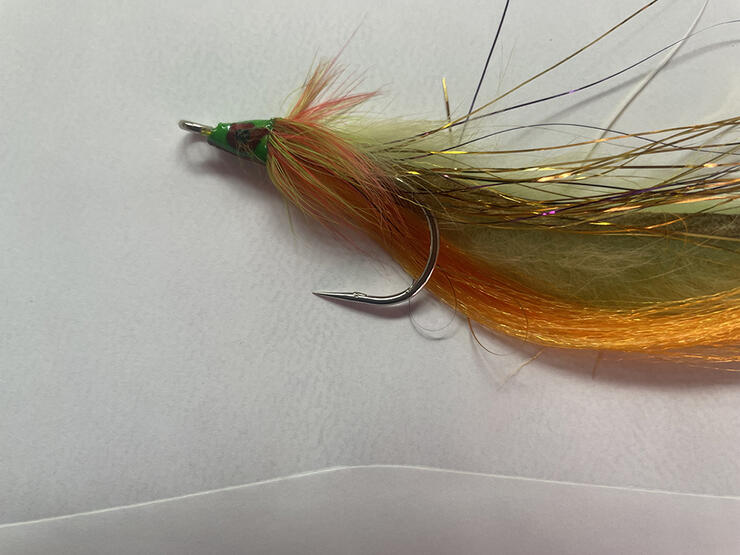
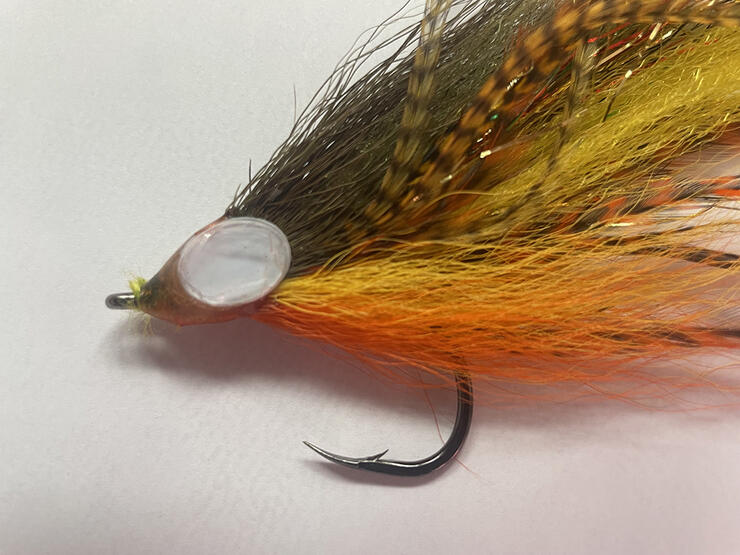
The practice of pinching down the barb on the flies you tie on is a simple and effective practice to help maximize the survival of fish angled. Barbless flies, barbless hooks of all kinds simply fall out of a fish’s mouth with minimal effort by the angler. Fishing barbless hooks also level the playing field to a certain extent realizing the fish has a greater chance of getting away, in turn increasing the angler’s skill and ability to keep that fish on the line. Sometimes accidents happen in the field while fishing and during your angling career, there is a chance you’ll find yourself with a hook in your body somewhere. If your barbs are pinched down, you can simply back the hook out of your skin, avoiding a trip to the emergency room!
Tools of the Trade
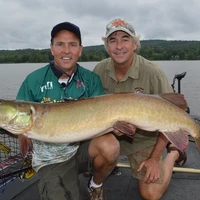
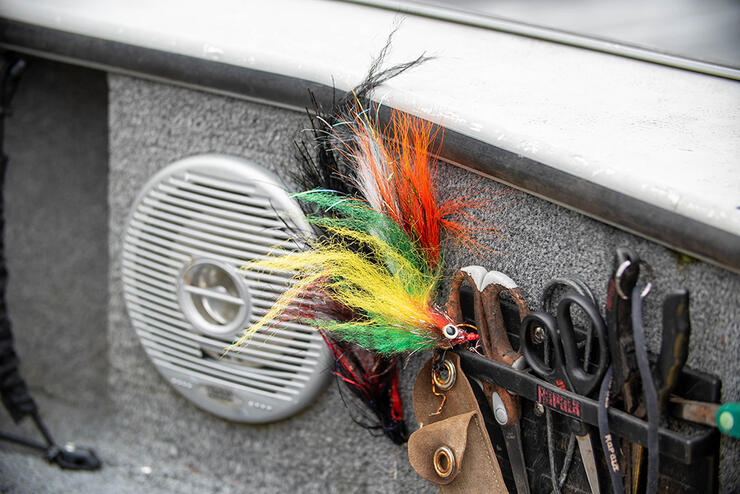
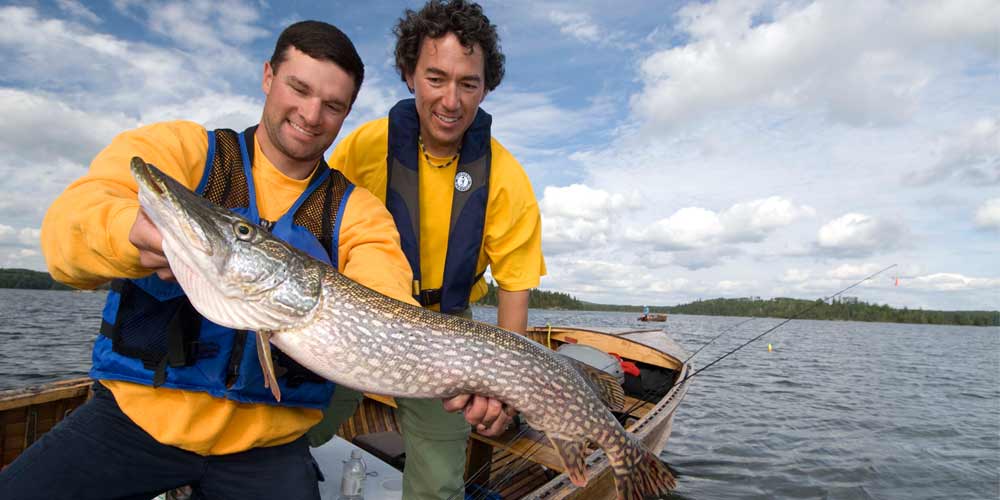
Having the correct tools on hand when fly fishing is also a great way to minimize the effects sport anglers have on fish. If for example, you’re fly fishing for big fish such as pike or musky, and they take a fly deep in their mouths, consider having the proper tools on hand to get the barbless fly out quickly. Needle nose pliers or long-handled hemostats are a great way to release deep flies, taking care of the fish and minimizing the possible damage your fingers could experience. Likewise, with smaller fish like bass or trout, the appropriately sized hook removal tool will allow anglers to return fish back to the lake quickly and safely.
Keep Fish Wet
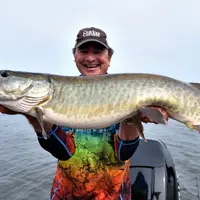
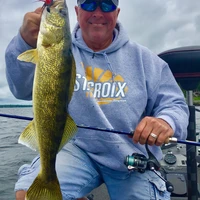
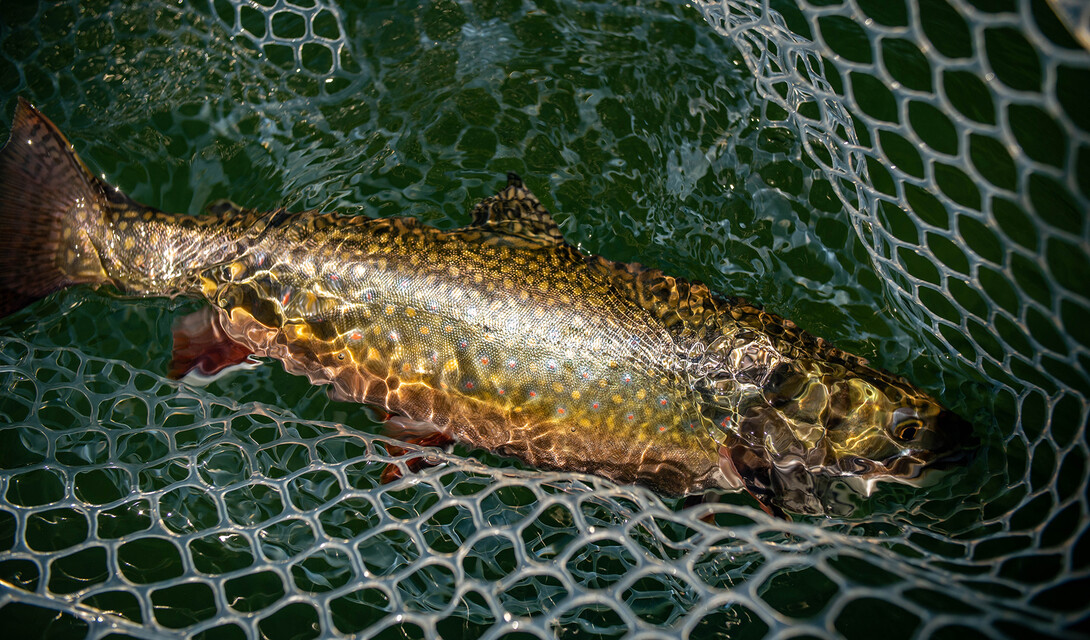
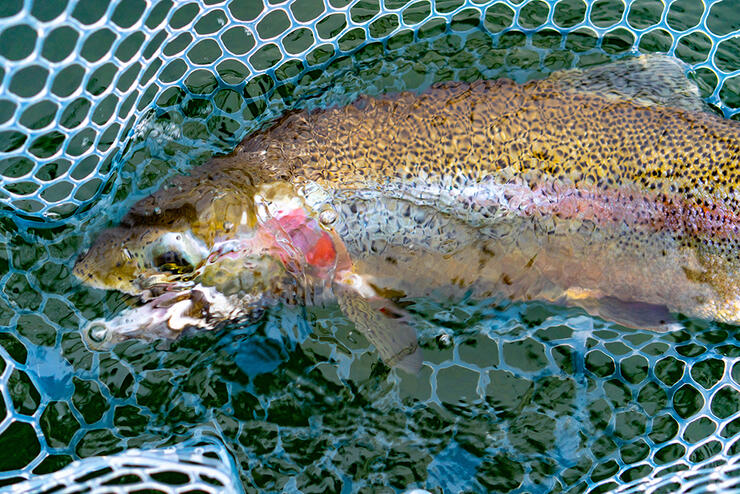
This simple practice of keeping fish in the water could be the single most effective practice you can do for catch-and-release angling. Upon bringing a fish boat side, streamside or into a net, leave them there. By having fish stay in the water, they are able to continue breathing all the while recovering while you remove the fly. By keeping fish in the water, you also get the side benefit of being able to get some pretty amazing photographs both above the surface, below and half and half shots!
Currently, Mark is the host and producer of The New Fly Show. With a passion of fly fishing, the shows goal is to help both novice and veteran fly fishers everywhere by giving them a top-quality fly fishing series that will make them better anglers.