3 Great Ontario Walleye Destinations
Karl of Extreme Angler recommends must do walleye lakes in Ontario.
By Karl Kalonka







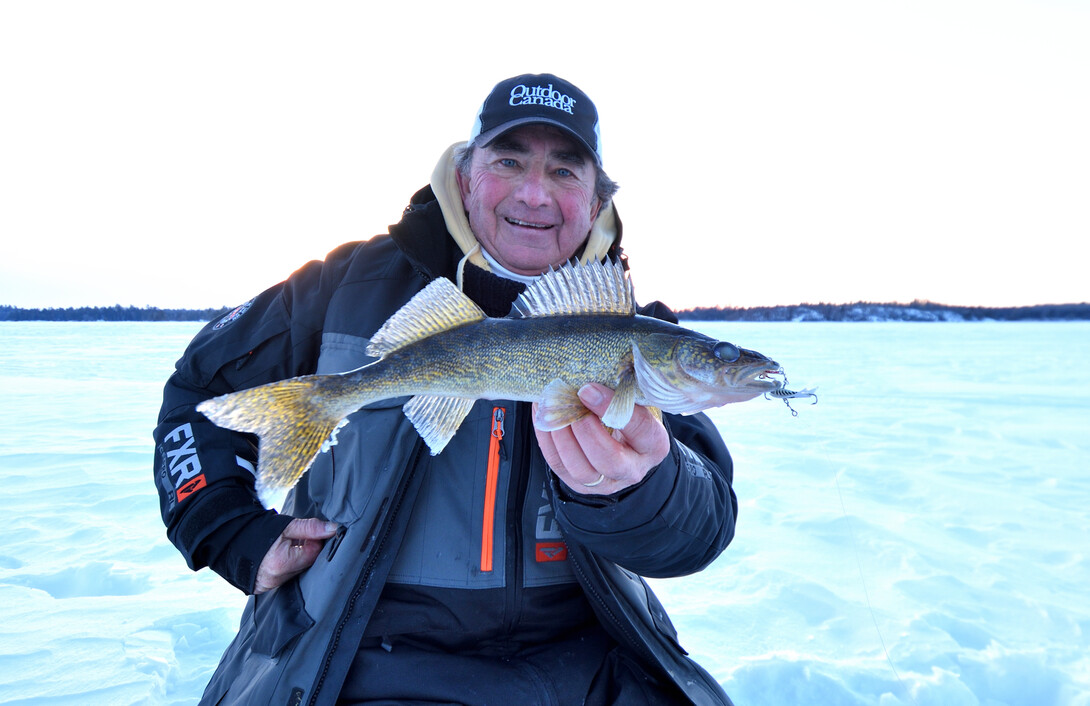
I have spent a good chunk of the winter presenting ice fishing seminars across the province and one of the most confusing things anglers tell me they face is where to set up to catch walleyes. They are unsure if they should select a good-looking underwater structure — like a main lake reef, rock pile, underwater point, or saddle — and camp out for the afternoon. Or, stay mobile, running and gunning a number of different locations around the lake.
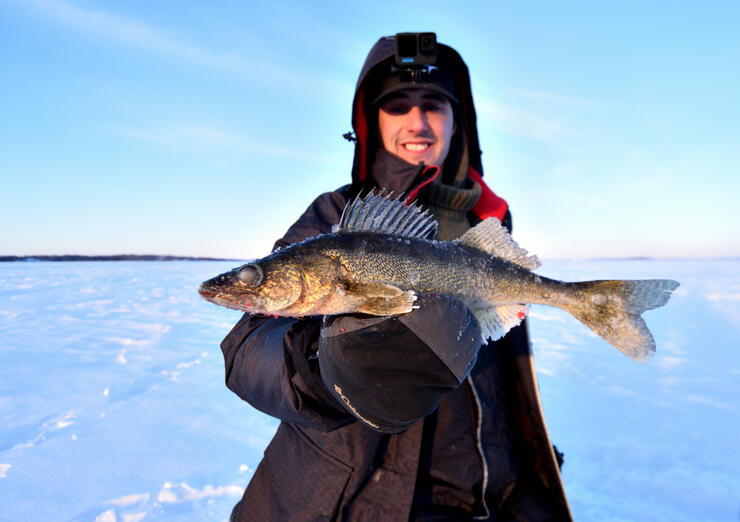
Both can be excellent strategies, but you can also bomb out big time if you pick the wrong game plan for the body of water you happen to be fishing. So much depends on the layout of the lake and the migratory habits of the fish.
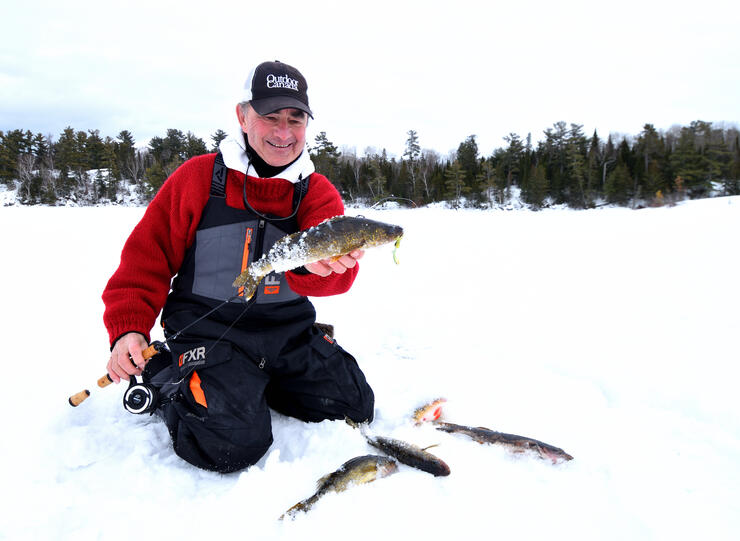
A good case in point is my home water Lake of the Woods in Northwestern Ontario’s Sunset Country. It is so big — one million acres in size, with more than 14,000 islands and tens of thousands of miles of shoreline — that the Ontario Ministry of Natural Resources manages it as six separate discrete bodies of water. The Bay of Quinte, Lake Nipissing, Lake Temagami, Lake Nipigon and Rainy Lake, to name just a few others, operate in similar fashions.
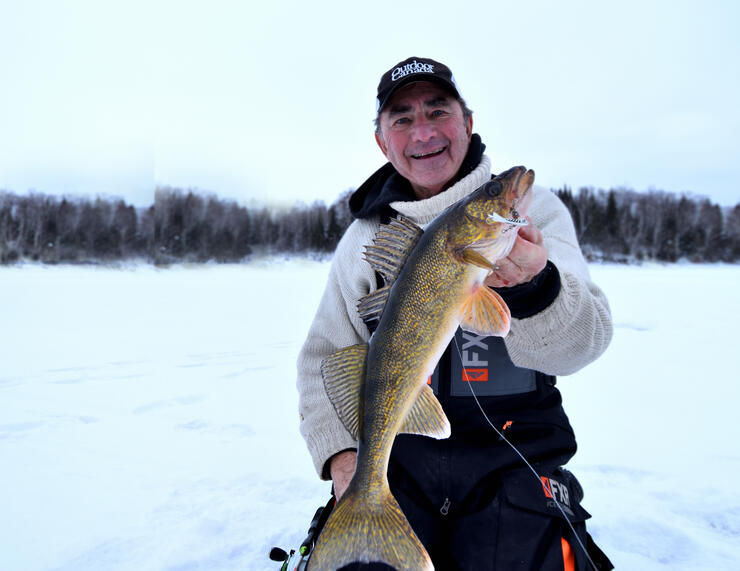
So, here is the key, at least for me.
When the walleye lake — or section of lake — that I am ice fishing is relatively flat and featureless, with few irregularities on the bottom, I stay mobile until I lock onto fish. I am even more of a wanderer if the principal walleye forage in the lake is a globetrotting species like smelt or ciscoes.
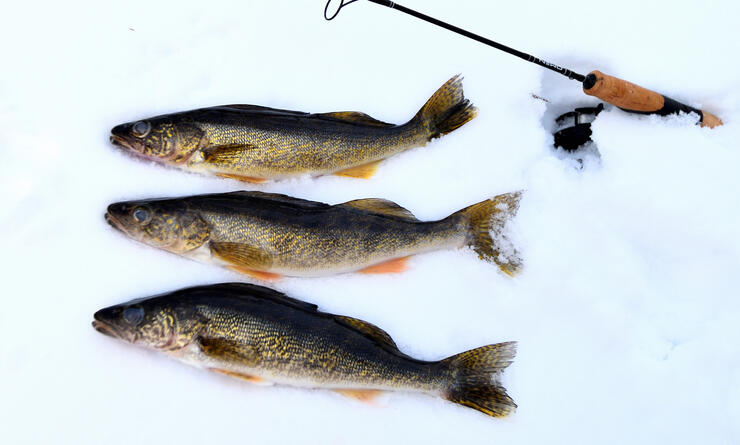
The flip side of the coin, however, is that if the lake is heavily structured with scores of underwater points, bars, shoals, reefs, rock piles and saddles, I am much more inclined to feel safe picking one or two choice-looking locations and staying put. Especially, if I’ve had previous success on a spot. Having a stay-at-home forage base like a small young-of-the-year or juvenile yellow perch only solidifies my camping-out-on-one-spot decision.
Interestingly, too, the shape, or morphology of the lake, influences tremendously the size, profile — and even colour — of the lure that I am going to present to the fish.
On a vast flat featureless walleye lake, the first lure up on my batter’s list is a lipless crankbait like a Rapala Rippin’ Rap that features a deep can’t-miss-seeing profile, hard wobbling action and loud BB rattle system. I also typically pick an outrageous colour like Firetiger, Fruit Bowl and especially, Bad Lipstick.
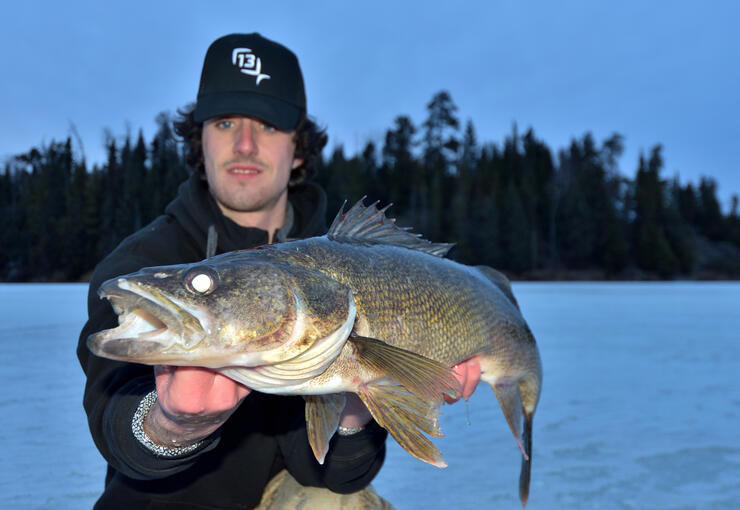
When I combine the size, shape, profile, intense vibration, loud noise and acute colour, I am confident I can attract walleyes from a long distance away from my hole. I typically find, too, the walleyes in these less complex lakes that are marauding schools of pelagic prey are much more aggressive, so I play big time on their bellicose and belligerent nature.
That is not the case, however, when I am ice fishing for walleyes on one of the heavily structured Shield-type lakes that prevail across the northern half of the province. Now, my first choice of lures is usually a modest size spoon like a 1/4-ounce Williams Ice Jig in silver and gold Nu-Wrinkle, or a horizontal jigging lure like a #5 or #7 Jigging Rap in silver or perch pattern. The size, shape, profile and colour match the finger-size perch and spot-tailed shiners that the walleyes are eating.
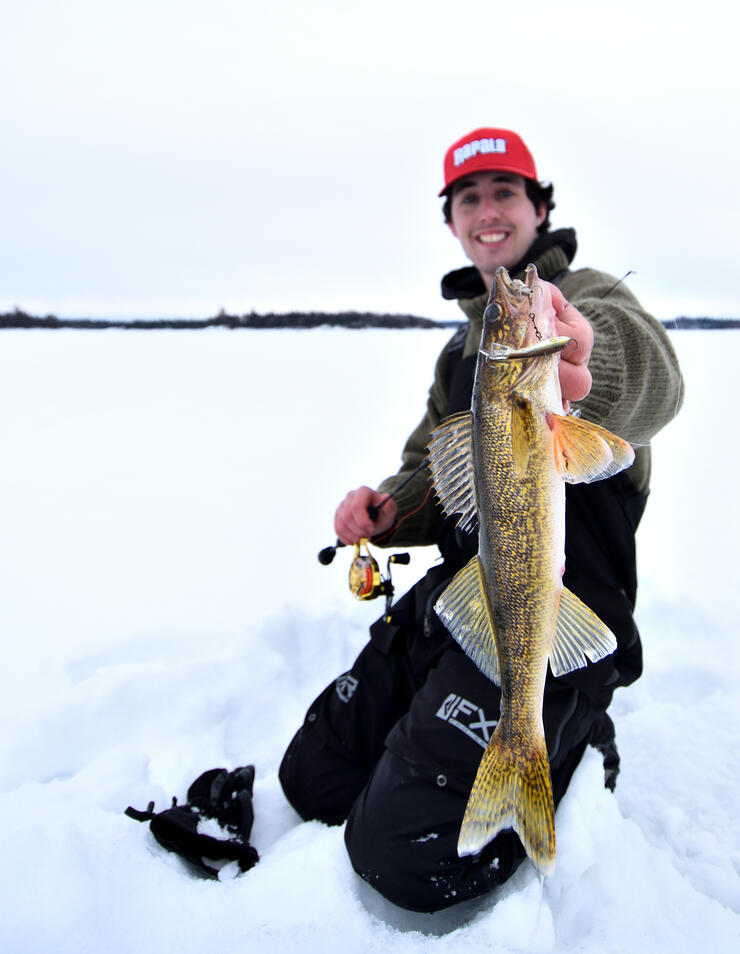
You’ll notice, too, that these lures lack rattles and BBs — noise makers — because you’re typically targeting nearby predators that see your bait falling as soon as it clears the bottom of your hole. These walleyes also typically saunter over slowly to your lure when you get it down to them, look it over for a second or two, and even circle it a couple of times before deciding whether or not to bite. That is why I always wrap the treble hook with a shiner chandelier-style, to seal the deal.
So, don’t be confused about your walleye strategy as we head into the best month of the winter season. Instead, just check the shape of the lake basin and remember, when it is flat and featureless, stay mobile, beef up your presentation and be aggressive. When it is undulating and complex, on the other hand, camp out, choose modestly and finesse the fish onto the ice.