Bivins’ Bounce Crappies
This technique is a must for crappie fishing
By Gord Pyzer



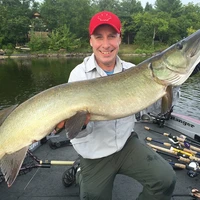


Big Moose Camp on Lake Nosbonsing is approximately three hours north of Toronto. Lake Nosbonsing, which is just south of North Bay, is an often overlooked musky water, but it offers some great musky fishing. Lake Nosbonsing is only six miles long, but it is filled with lots of great musky spots and is fishable in any weather condition.
Lake Nosbonsing has stained water but approximately five feet of visibility. It seems every point has nice weeds extending into deep water, also many of the bays have deep weeds to 11 feet. Add the fact that there are several mid-lake humps that are either rock or have weeds in the center, making this lake a musky angler’s paradise. This lake is a sleeper musky water as it’s often in the shadow of Lake Nipissing, but the big muskies that come from Nosbonsing are very impressive.
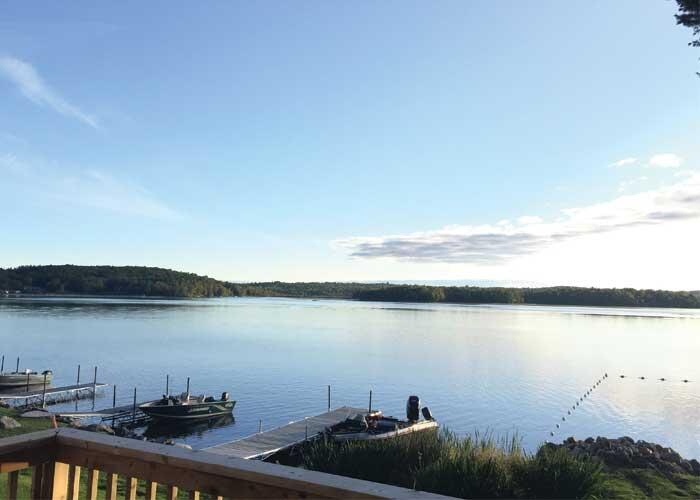
While filming The Musky Hunter, we stayed at Big Moose Camp. This resort is top-notch. The cabins were incredible, and the sunrise view overlooking the lake was breathtaking. Big Moose Camp has its own boat launch and a great docking facility to keep your boat safe. It’s easy to drive to the resort, launch the boat, and go musky fishing.
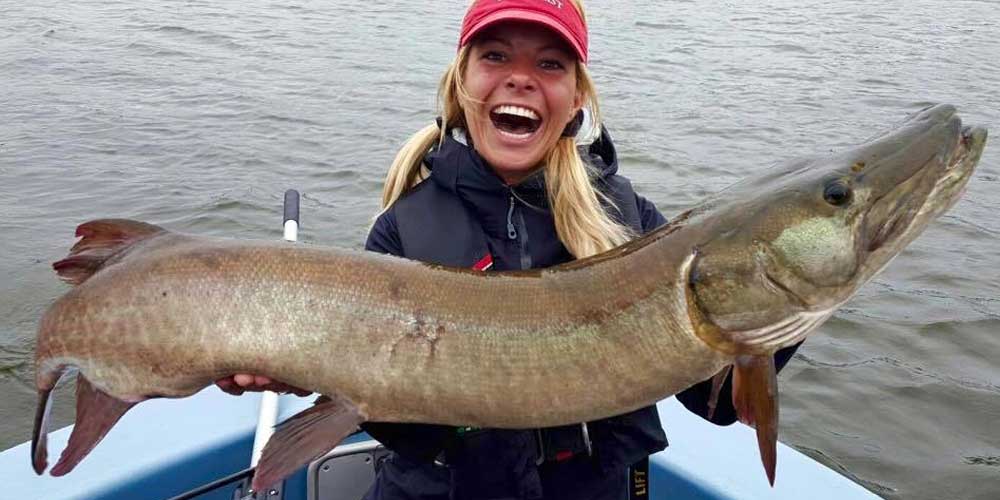
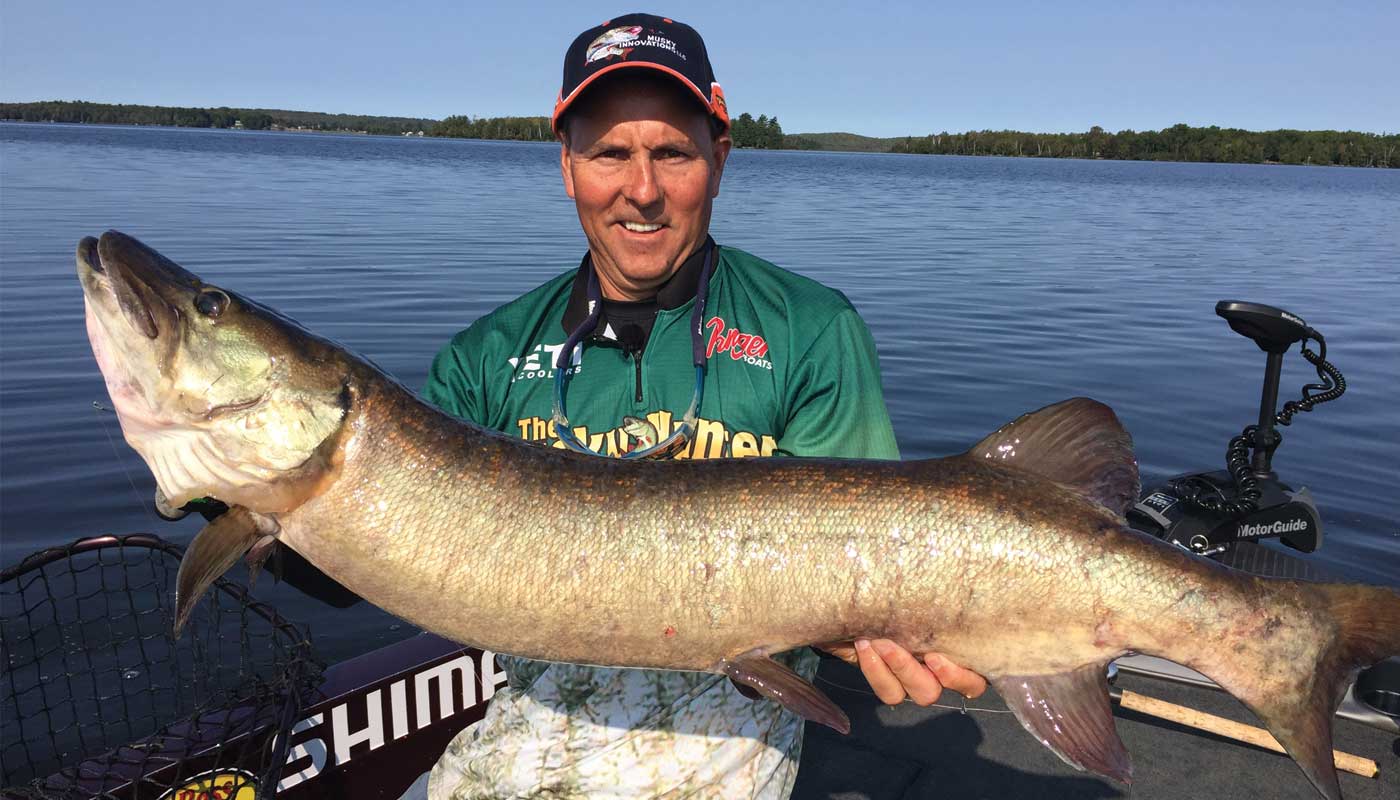
Musky fishing on this lake isn’t necessarily about catching a bunch of muskies, but the opportunity at a trophy. Sure, catching several muskies in a day is a possibility with good fishing conditions, but realistically, you hope for a bite every day, and the opportunity at catching a fifty-incher is real!
There are lots of techniques that can be effective on Nosbonsing. If you are into trolling, utilizing spinnerbaits to troll through the many weed flats and the bays can be extremely effective. Also, trolling crankbaits among the many deeper humps and break lines can be effective. If you prefer to cast, the opportunities are almost endless. You'll want to cast bucktails and topwater in the shallow weeds, or fish crankbaits, jerkbaits, and Bulldawgs along the deeper weeds. Also, out of the weeds, several of the points extend deeper into the basin beyond the weeds. Casting Bulldawgs along these deeper rocks can be effective. Another great casting option is casting the many deeper rock and weed humps with Bulldawgs and crankbaits. Regarding lure colours, anything with perch or gold/orange blades is very effective.
When we were filming an episode of The Musky Hunter, we faced some pretty difficult post-frontal conditions. Air temperatures had dropped 20 degrees, skies were clear, and there was no wind. The muskies weren’t using the shallower weed cover but were located around deeper weed and rock humps. We could see walleyes and perch located near these humps and were casting Bulldawgs and other large soft plastics around the humps. Although fishing was tough, we managed to catch one giant fish from Nosbonsing. If you are looking for manageable musky water in any weather condition, that’s just north of Toronto, Lake Nosbonsing is a perfect choice, and there is no question the place to stay is Big Moose Camp.