Top 5 Baits for Smallmouth and Largemouth Bass
What baits do you use to target bass? Find out why these 5 are the best!
By Ron James







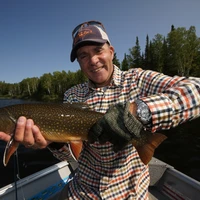
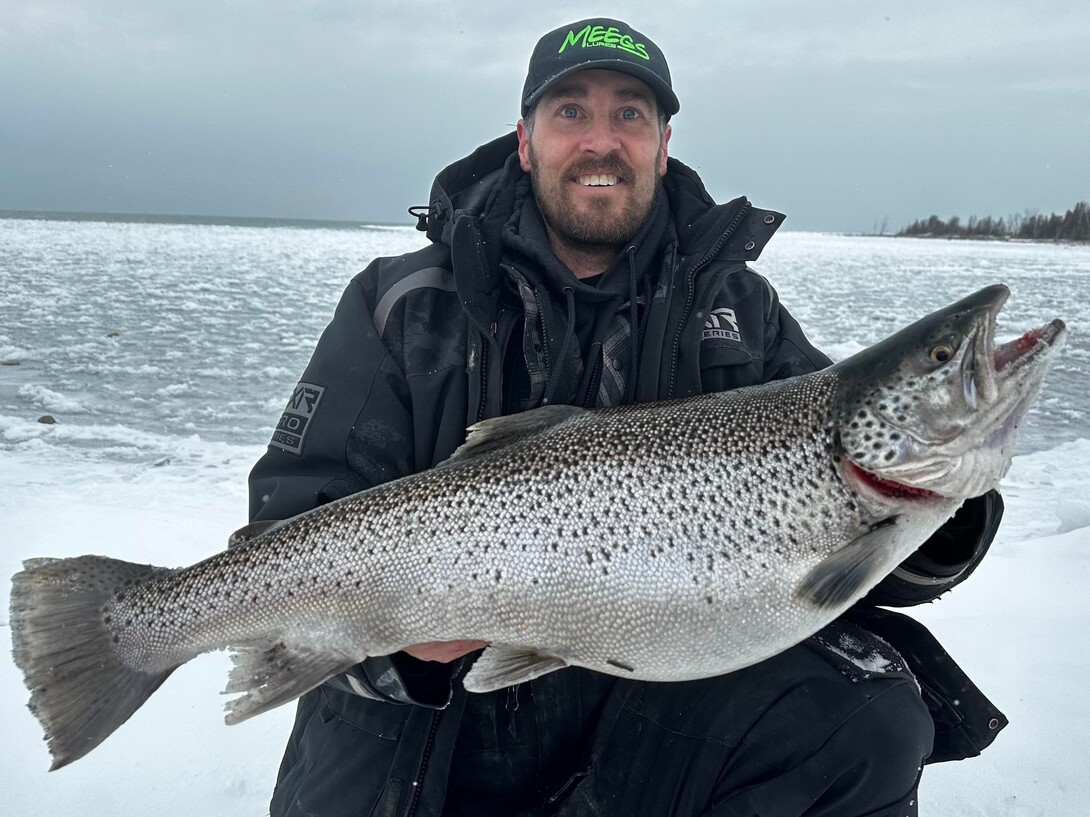
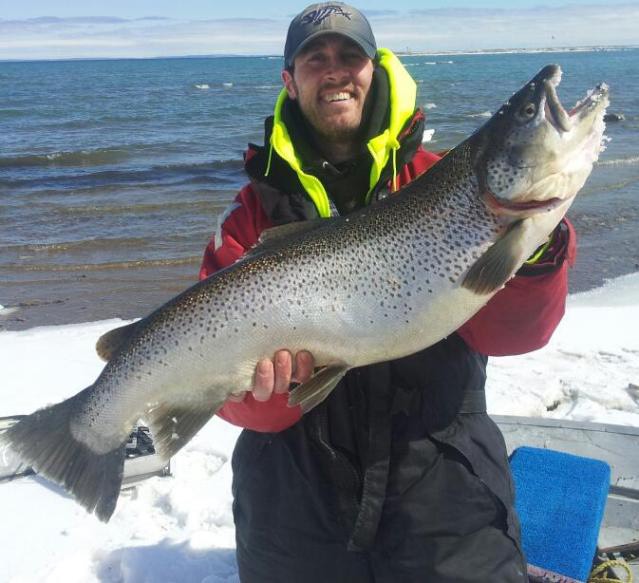
In my last GoFishInOntario blog, I highlighted the incredible best-on-earth brown trout fishing that you can get in on right now, near the mouths of feeder creeks and rivers flowing into the Great Lakes. Especially, the ones along the southern shore of Georgian Bay, where friend James Meger has been boating massive brown trout almost every trip out. This week let’s wrap up the critical how-to details by focusing on the rods, reels, lures and presentations you need to employ.
“I generally target water depths between six and 20 feet deep,” says Meger, “and I troll exclusively. Because you’re allowed to use two rods per person on the Great Lakes, I will have a 9’ 6” Streamside board rod paired with a Shimano Tekota 500 line counter reel, spooled with 15-pound test braid and an eight- to ten-pound test fluorocarbon leader. I also like to run a 7-foot medium-action Streamside Apex rod with a 2500 series reel filled with the same braid and leader combination.
“I will typically put out lots of line behind the boat, at least 150 to 250 feet. That is where the line counter comes in so handy. The water in Georgian Bay is crystal clear, but when you’re fishing a mud line you can get away with a slightly shorter 100- to 150-foot length.”
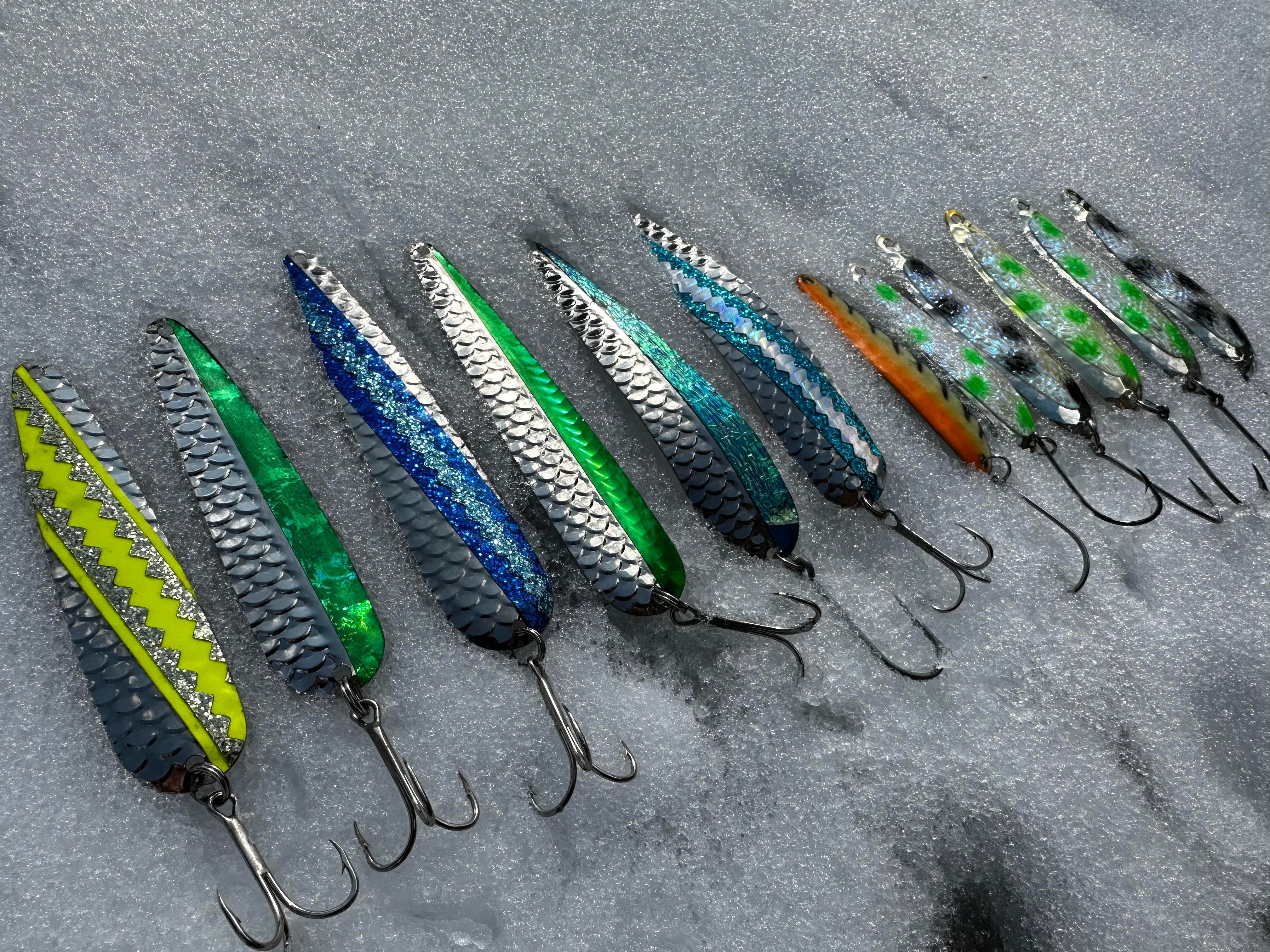
Meger is also a big fan of light, thin Silver Fox and Hotfish flutter spoons in green, blue, chartreuse, and fluorescent orange patterns. The attraction is that you can troll them effectively at slow speeds. “With most other spoons, you can’t get the proper action without speeding up to more than 2.2 mph,” he says. “But that is too fast in the cold water, of spring. I find 1.6- to 2.0 mph to be ideal.
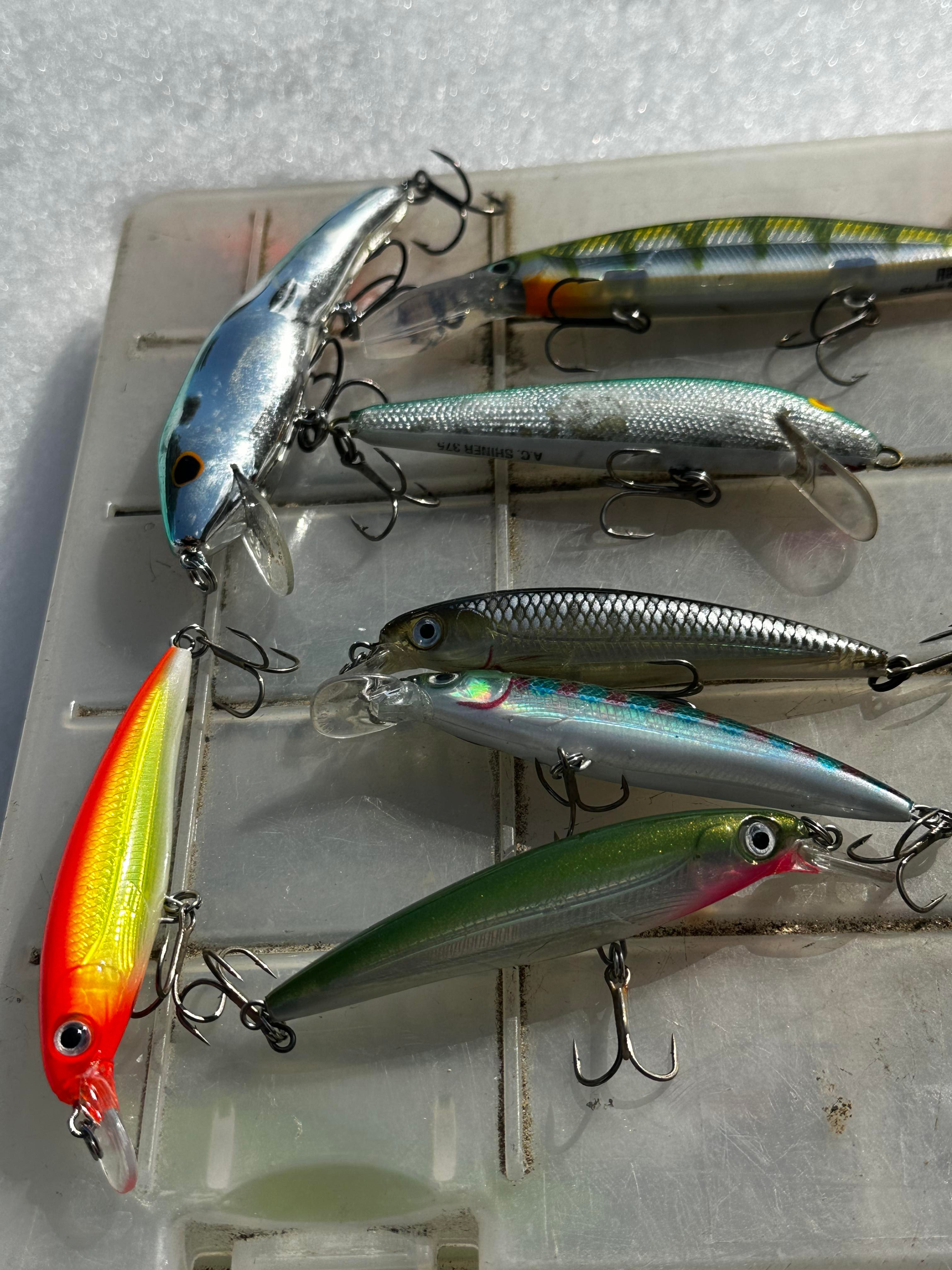
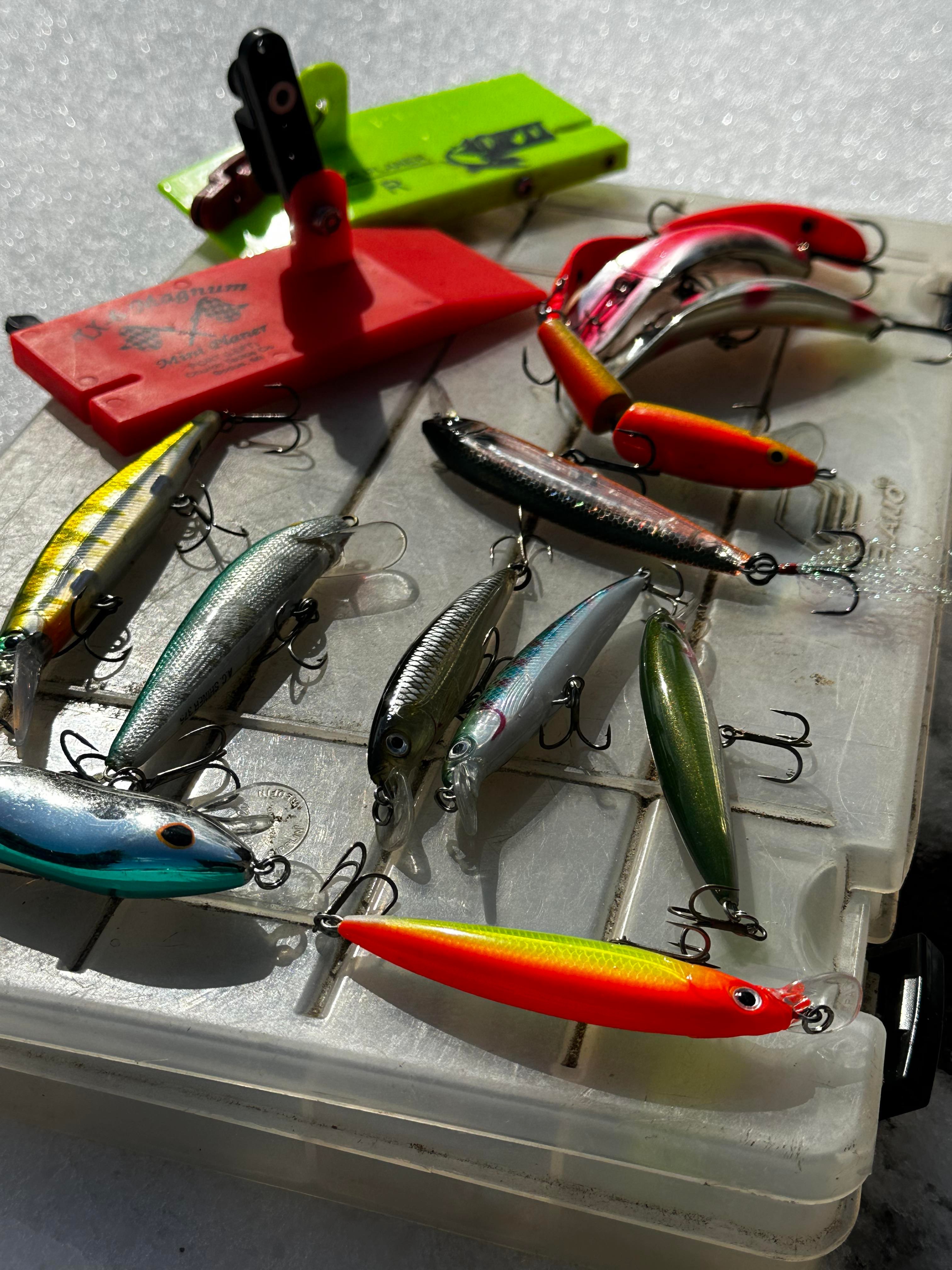
“As much as I like spoons, however, small three-inch crankbaits are my number one producer. Pick cranks with slim profiles and small lips so you get a tight wobble. My best crankbaits dive into the four- to five-foot zone and include Rapala X-Raps, AC Shiners, YoZuri Crystal Minnows and Quikfish-style baits. Natural colour patterns like rainbow trout and smelt are best when you’re trolling in clear water, while solid fluorescent orange and fluorescent orange/gold are staples in the mud lines. I also upgraded the hooks on my crankbaits, so I am using needle-sharp premium trebles. With so much line behind the boat, you want to give yourself every advantage when a bruiser brown hits.”
Meger notes that another critical detail is paying attention to the information your GPS chartplotter is spewing out and communicating. Even though he is fishing in shallow water close to shore, for example, he still punches in a waypoint every time he hooks a trout so he can turn around and go back over the same spot.
“These fish will travel in schools,” he says, “so when you catch one, keep working that area. Watch your temperature and speed gauges, too, so you can build up a pattern for the day. I recently picked up a Lowrance Shuttle bag that lets me bring the HDS unit from my salmon boat with all of the contour depth, speed and water temperature information on it. It allows me to put the waypoints and trails on the graph, so when the ramps open up, I can have all the information on my bigger boat.”
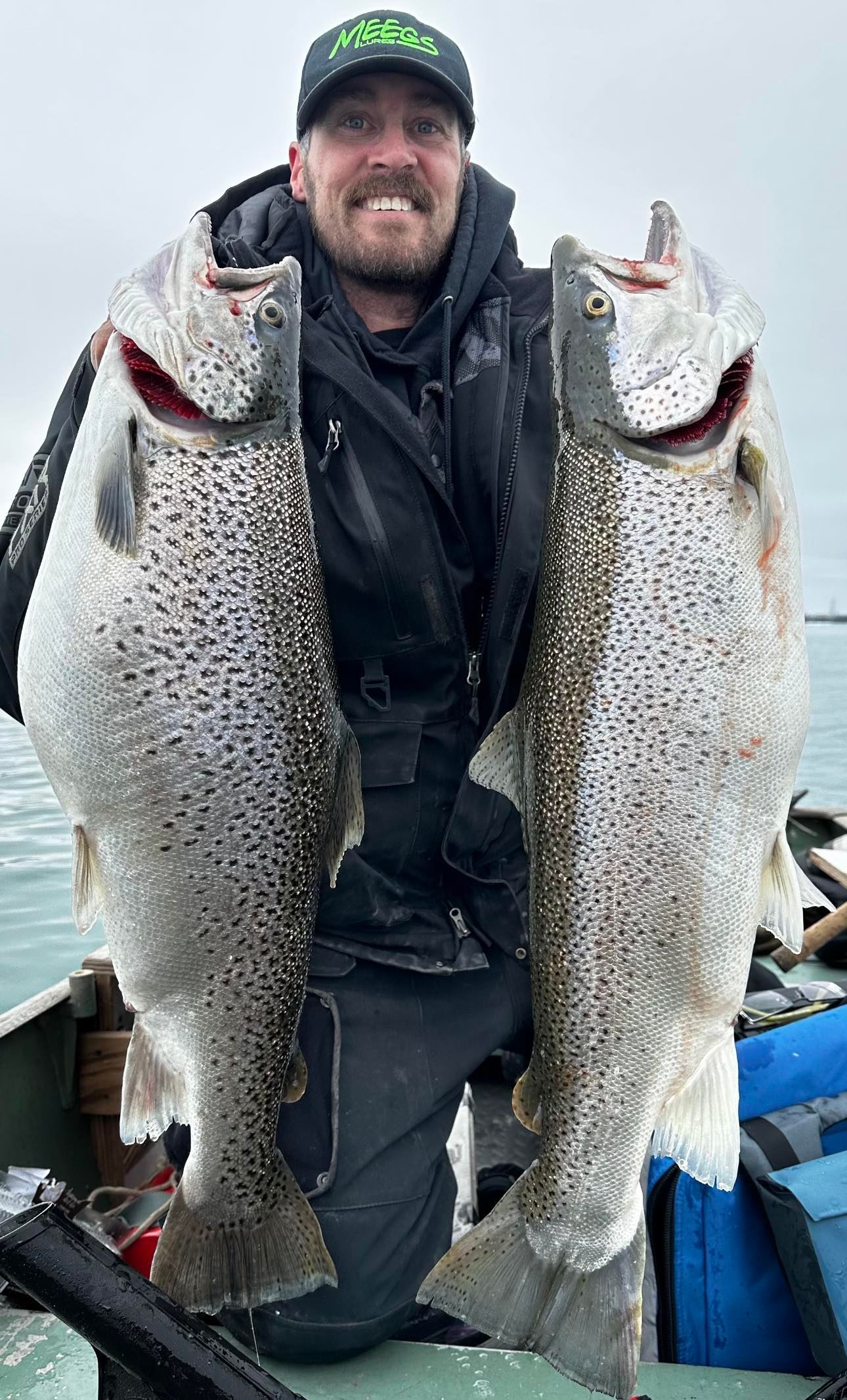
Last, but by no means least, Meger says because the water is so clear and shallow, he gets his baits as far away from the disturbance of his boat as possible. To do that, he relies on in-line planner boards. “I’ll put the lure out 150 feet, clip on a board and let out another 75 to 100 feet of line. I never steer in a straight line, either. I’m constantly zig-zagging from one side to the other, turning slowly. This doesn’t just let you cover more water with your lures, but you can see if it’s the inside or outside rods that are going off more frequently, so you can adjust your trolling speed. The other day, for example, started off slowly but I noticed the hits were coming on the outside rods during a turn. I increased the trolling speed and ended up putting a quick limit in the box including a 15- and 17-pound trout.”
Meger says that trolling the shorelines this way will be productive right into May, so you’ve got plenty of time to experience some of the best brown fishing on Earth.
See you out on the water.


