
Songs About Canoeing
Kevin Callan shares his top 15 favourites.
By Kevin Callan


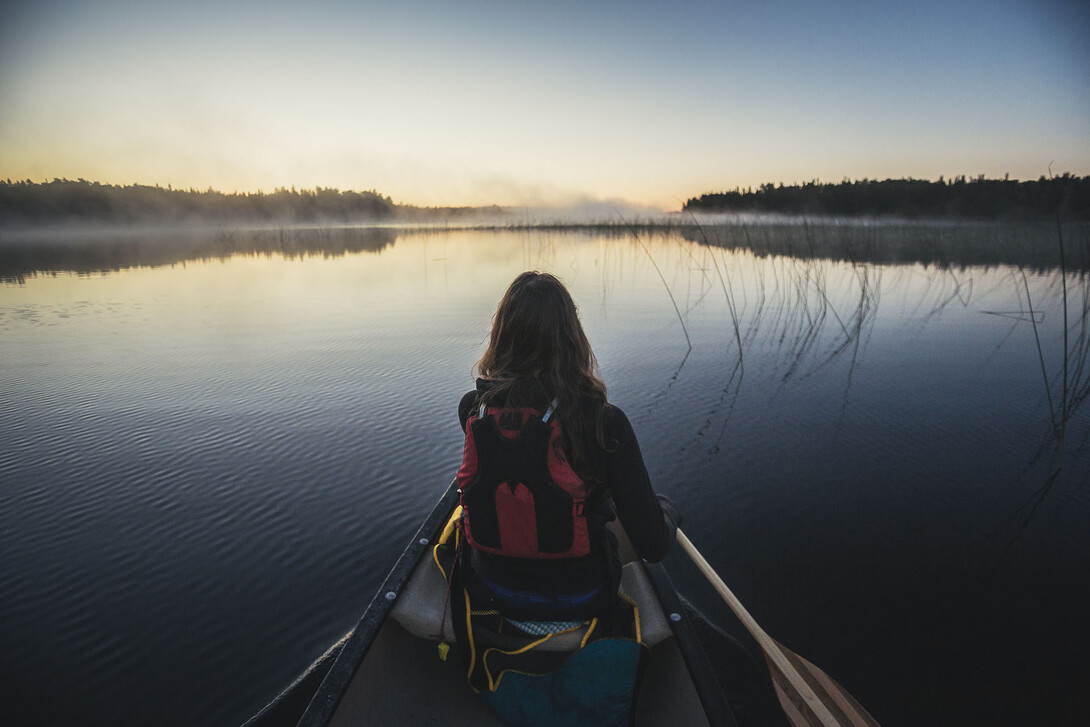

Wabakimi Provincial Park is a vast wilderness area in Northwestern Ontario. An abundance of lakes and rivers makes Wabakimi a dreamscape for paddlers; it ranks as one of Ontario’s largest parks, spanning a landscape much larger (and infinitely wilder) than Central Ontario’s Algonquin Provincial Park. Such a seemingly remote wilderness is much closer than you’d think. The city of Thunder Bay is your gateway to Wabakimi. Thunder Bay is easily accessible by road, rail and air, and located within a day’s drive of many Midwestern cities. Once you arrive here, it’s only a three-hour drive on Highway 17 and Highway 527 to the Park entry point in Armstrong on paved roads.
Wabakimi boasts more than 2,000 kilometres of lake and river canoe routes and more than 500 backcountry campsites. Planning a paddling adventure in such an immense landscape with so many interconnected waterways can be intimidating. We’re here to help! This article provides an overview of the best Wabakimi canoe routes, outlining a selection of great waterways. We’ve also identified Wabakimi outfitters offering canoe rentals and guided trips, and picked out some choice destinations for Wabakimi kayaking, too.
It’s time to start planning your paddling adventure of a lifetime in Wabakimi Provincial Park.
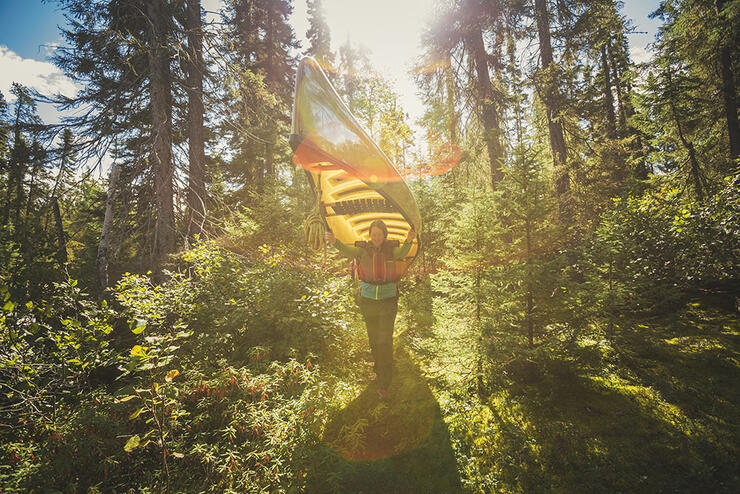
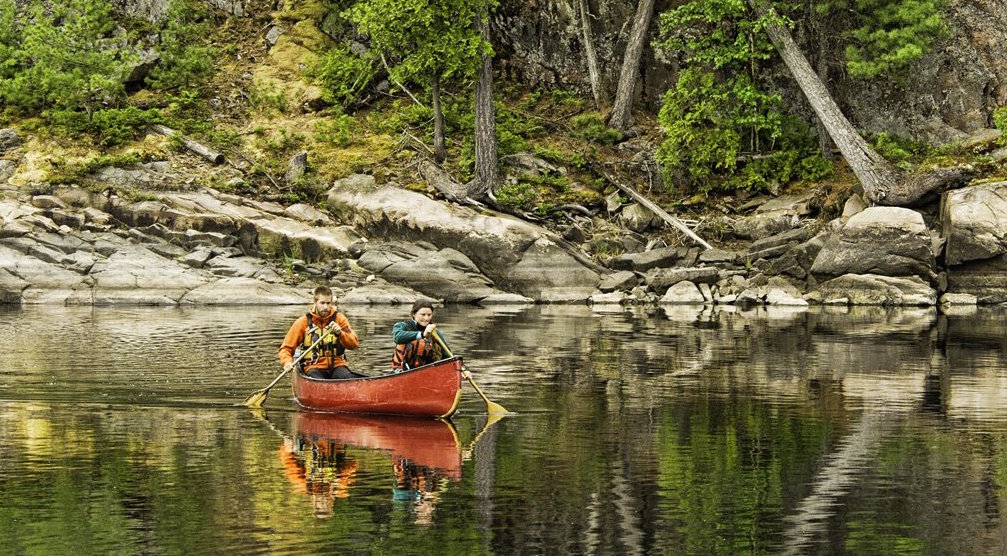
Wild rivers flow across the boreal landscape of Wabakimi Provincial Park like pulsing arteries. There is a river for every type of wilderness paddler in the Wabakimi backcountry, ranging from relaxing, smooth-flowing waterways to challenging and exciting whitewater descents. Here are descriptions of some of Wabakimi’s best rivers for canoeing.
The Allanwater River is a great whitewater river for advanced wilderness canoeists in Wabakimi Provincial Park. You can paddle the Allanwater River any time during the canoe season. VIA Rail is the easiest way to access the river, loading in Armstrong (see the list of outfitters below to help you make access arrangements). You can also charter a floatplane from Armstrong to the Allanwater River at Kawaweogama Lake. It’s a five-day downstream run from Allanwater Bridge to Wabakimi Lake. From there you can veer east, eventually returning to Armstrong, or lengthen your trip by descending the Ogoki River to Whitewater Lake.
The Flindt River flows along the western boundary of Wabakimi Provincial Park. It’s a pool and drop river with portages around all rapids and falls, making it a good choice for wilderness canoeists who would prefer to avoid whitewater. Get on the Flindt River from the VIA Rail whistlestop at Flindt Landing. From there, it’s a four-day downriver trip to Wabakimi Lake, where you can continue your journey back to Armstrong, extend your trip on the Ogoki River or loop back to the railway.
The Palisade River is named for its steep and stunning shoreline rocks, surrounded by a verdant boreal forest of spruce, birch and cedar. It serves as a connector river, linking the core of Wabakimi, including Kenoji and Burntrock lakes. Expect great scenery and solitude on the Palisade. Long-distance trippers can use it to access even more remote lakes and rivers, including the Misehkow River.
This small waterway flows from the VIA Rail crossing at Collins to Smoothrock Lake, in the southeastern corner of Wabakimi. It’s a great way to get a taste of the Wabakimi wilderness, and provides numerous options for connecting lake and river canoe routes.
This tributary of the Albany River drains the northwest corner of Wabakimi Provincial Park. The easiest way to get here is to charter a floatplane to Rockcliff Lake. Expedition paddlers can use the Misehkow as a link between Wabakimi and the Albany, an immense waterway that cuts across Northern Ontario and offers immense potential for wilderness canoeing. The Misehkow is known for its solitude, great wildlife (moose are especially abundant), and feisty whitewater. This challenging river is not for the faint-hearted.
The Kopka drains Wabakimi and flows just south of the park boundary, feeding into Lake Nipigon. It’s a moderate whitewater river known for its awesome waterfalls—and notorious “mountain goat” portages. The Kopka River makes a great challenge for advanced wilderness paddlers looking for a rough and ready Wabakimi canoe route.
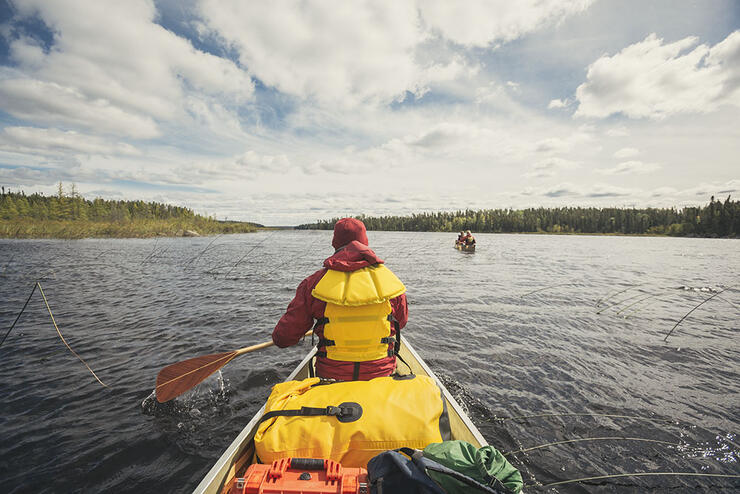
The beauty of Wabakimi for many wilderness paddlers is that most canoe routes involve both rivers and lakes. However, with careful planning lake paddlers can map out routes that suit their preference. Here’s an overview of some of Wabakimi’s best lakes for paddling.
Wabakimi Lake acts like a crossroads of this wilderness canoe area, with paddling options radiating in all directions. Wabakimi Lake consists of two parts: the main lake as well as Lower Wabakimi, which is connected by narrows. These sprawling bodies of water are dotted with islands. The shoreline is a patchwork of mature boreal forest and smooth Canadian Shield outcroppings, making for excellent camping. Wabakimi Lake is a popular destination for fly-in canoe trips; with plenty of shoreline to explore, it is a great destination for a fly-in kayak trip as well.
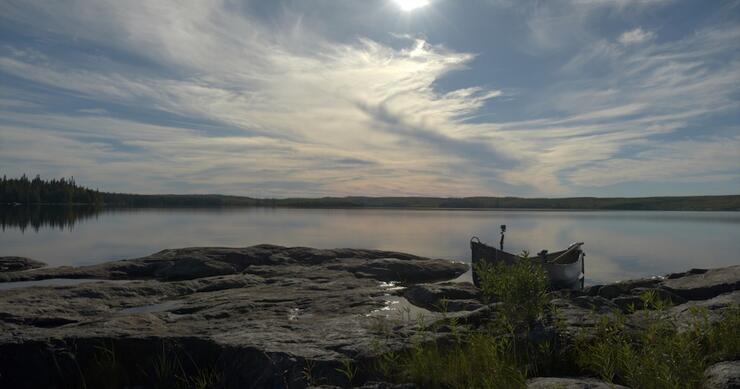
This immense lake lives up to its name with plenty of exposed, glacier-polished granite, making it outstanding for wilderness camping. Smoothrock Lake is relatively easy to access, either by way of the VIA Rail stop at Collins and the Boiling Sand River, or starting from the road access point on Little Caribou or Caribou lakes, just west of Armstrong. Plenty of shoreline means you could explore Smoothrock Lake for days.
This smaller body of water is tucked away in Wabakimi’s northwestern corner. Davies Lake sees few visitors and the feeling of wilderness is palpable here. It’s tough to access—about as far as you can get from the Park’s main entry point at Armstrong—and located at the top of the watershed, meaning it requires a lot of sweat and tears (read: portaging) to get here.
Davies Lake is well worth the effort, though, with tannin-stained, wine-coloured waters and a great campsite on the eastern shore. Advanced paddlers pass through Davies en route to wild Misehkow River or use it as the turnaround point on an adventurous multi-week loop of the Palisades River and Muskiga Creek.
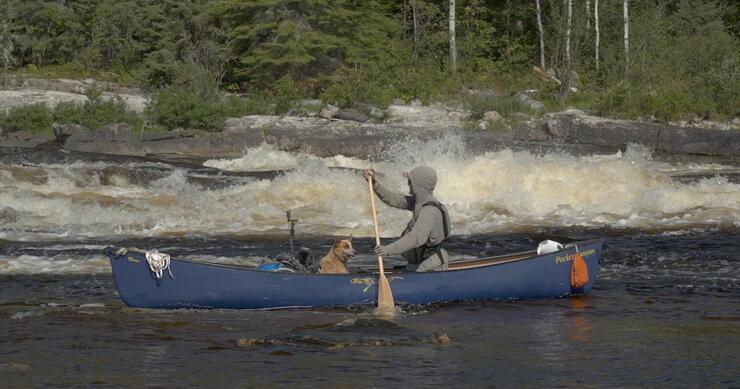
This remote lake in the northeast corner of Wabakimi is graced with countless islands and a mixed shoreline of smooth rock and sand beach. Getting to Whitewater Lake can be challenging or easy, depending on your mode of access. The simplest option is to charter a floatplane from Armstrong. Or, if you have the time and motivation, you can paddle to Whitewater Lake as part of a Wabakimi canoe trip, by way of the Ogoki River and Oliver Lake (best for experienced river paddlers) or a portage route from the northern outlet of Smoothrock Lake.
Either way, Whitewater Lake is a treat; one highlight is the abandoned Wendell Beckwith homestead, featuring the wilderness architecture of a brilliant mind who believed Whitewater Lake was the “centre of the universe.” See for yourself if Beckwith was correct. But hurry, the intricately built cabins are being left to rot. Whitewater Lodge offers luxurious wilderness experiences, with special packages for paddlers.
Located about a day’s travel north of Whitewater Lake, Grayson Lake is emblematic of Wabakimi’s myriad midsized lakes that are often overshadowed by their larger neighbours, but would be considered remarkable anywhere else. Grayson is accessed via the Palisades River and offers a good flatwater alternative to paddling the boisterous Ogoki River to Whitewater Lake. Like most Wabakimi lakes, the fishing here for walleye and northern pike is superb.
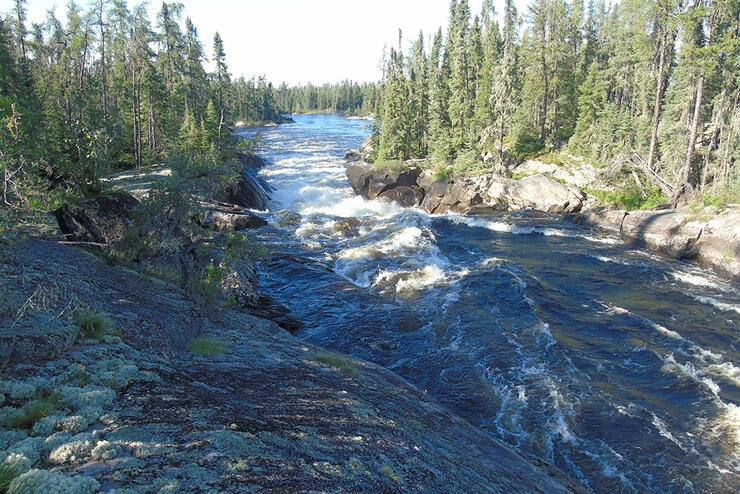
The west end of Brennan Lake, near the mouth of the Allanwater River, boasts a magical collection of Indigenous pictographs. It takes a solid full-day paddle to traverse Brennan Lake’s east-west length. Portions of the shoreline have been charred by wildfire, and it’s best to plan to camp in the eastern portions which escaped the blaze. A series of channels with multiple portage options approach Brennan Falls at the lake’s eastern terminus.
Granite Lake welcomes the Allanwater River in the form of a cascade thundering through a narrow corridor of rock. This is Brennan Falls—a magical place for photographers and anglers alike. Granite Lake doesn’t disappoint, either, with densely forested shorelines of boreal spruce and birch and plenty of sunbleached rock, as well as some of the best campsites in Wabakimi. The Allanwater River flows out of Granite Lake towards Wabakimi Lake, or you can avoid the whitewater via McWade Lake.
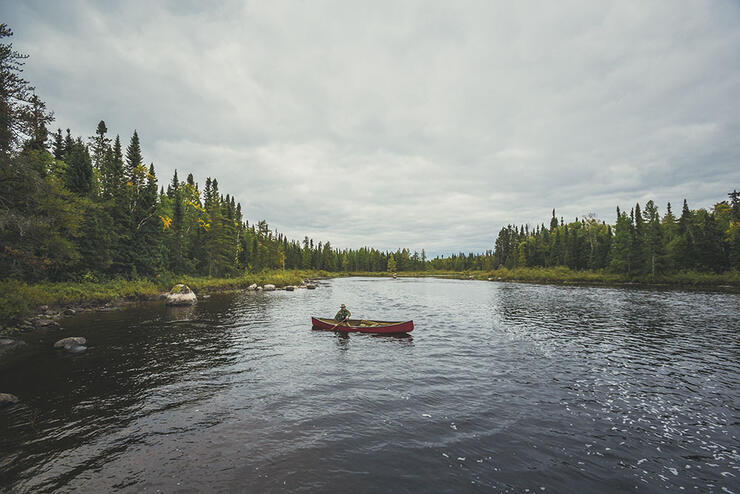
Caribou Lake falls just outside the eastern boundary of Wabakimi Provincial Park, but it serves as the only entry point for paddlers who wish to access the backcountry by road. You have two options: Little Caribou Lake is a narrow, sheltered body of water that’s safer to navigate in windy conditions; and Caribou Lake is a much larger lake that allows for portage connections to Smoothrock Lake. Both are accessible by a gravel road leading west of Armstrong; contact a local outfitter for vehicle shuttles and secure long-term parking.
This lake is part of the Flindt River system, and provides access to dozens of other smaller lakes by way of portages. Like so many other Wabakimi lakes, Flindt Lake is renowned for its fishing for walleye and trophy pike.
Located in the southwestern corner of Wabakimi Provincial Park, Heathcote Lake is classic Canadian canoe country, including a myriad of islands and bays that invite side trips and exploration. The camping here is fantastic, too, with numerous island sites in the headwaters of the Flindt River. Heathcote Lake is easy to access from the VIA Rail stop at Flindt Landing.
Wabakimi Provincial Park is beloved by canoeists—but its largest lakes are ideally suited for exploration by sea kayak. Charter a floatplane from Armstrong and sea kayak Wabakimi’s freshwater jewels, such as Wabakimi and Whitewater lakes. If you’re willing to carry your kayak on a few portages, it’s also possible to kayak into the Wabakimi backcountry starting at Caribou Lake, with only a few short portages to the sprawling waters of Smoothrock Lake.
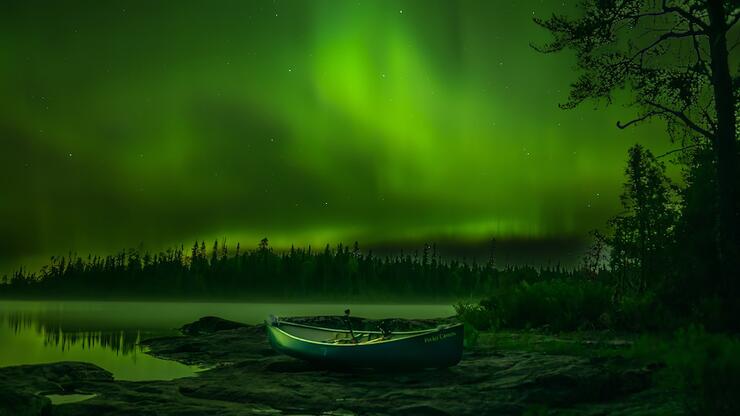
Armstrong-based Wabakimi Outfitters and EcoLodge is your best source for canoe rentals, route planning and outfitting. Owner Bruce Hyer has a long history in the area, having explored Wabakimi extensively before advocating for its expansion in the 1990s. Wabakimi Outfitters provides top-of-the-line lightweight canoes and backcountry gear, along with vehicle shuttles. They can help you set up VIA Rail train shuttles as well as make arrangements for floatplane dropoffs and pickups for fly-in routes throughout the area. What’s more, the company’s eight-room ecolodge on Mattice Lake is a great place to start or finish your trip. Guided Wabakimi canoe trips and Lake Nipigon kayak trips are also available.
Mattice Lake Outfitters also offers canoe rentals, shuttles, parking permits, trip planning advice and more.
Wilderness Supply also offers canoe and kayak rentals in nearby Thunder Bay, making this another option for self-sufficient paddlers with the ability to cartop their rental boat to Wabakimi.
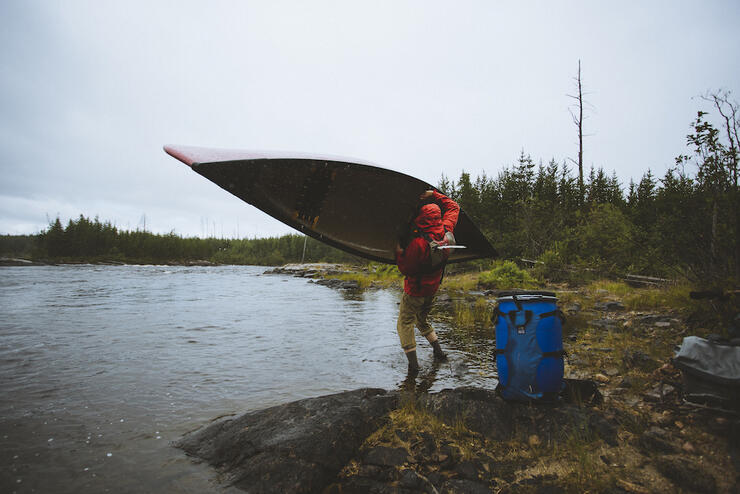
As remote as Wabakimi Provincial Park looks on the map, there are plenty of convenient ways to access the Park depending on your time, budget and desired experience. Many Wabakimi paddlers plan a route to mix and match different forms of access and egress, such as train-in and drive-out or drive-in and fly-out.
The cheapest and easiest option for a Wabakimi canoe trip is to start from Little Caribou Lake, located less than 10 gravelled kilometres west of Armstrong on Caribou Lake Road. You’ll want to book a shuttle with an outfitter like Wabakimi Outfitters or Mattice Lake Air to drop you off and securely store your vehicle while you are exploring the backcountry. A 40-kilometre drive on Airport Road leading east from Armstong provides access to the Pikitigushi River, and connections to canoe routes on the east side of Wabakimi Provincial Park.
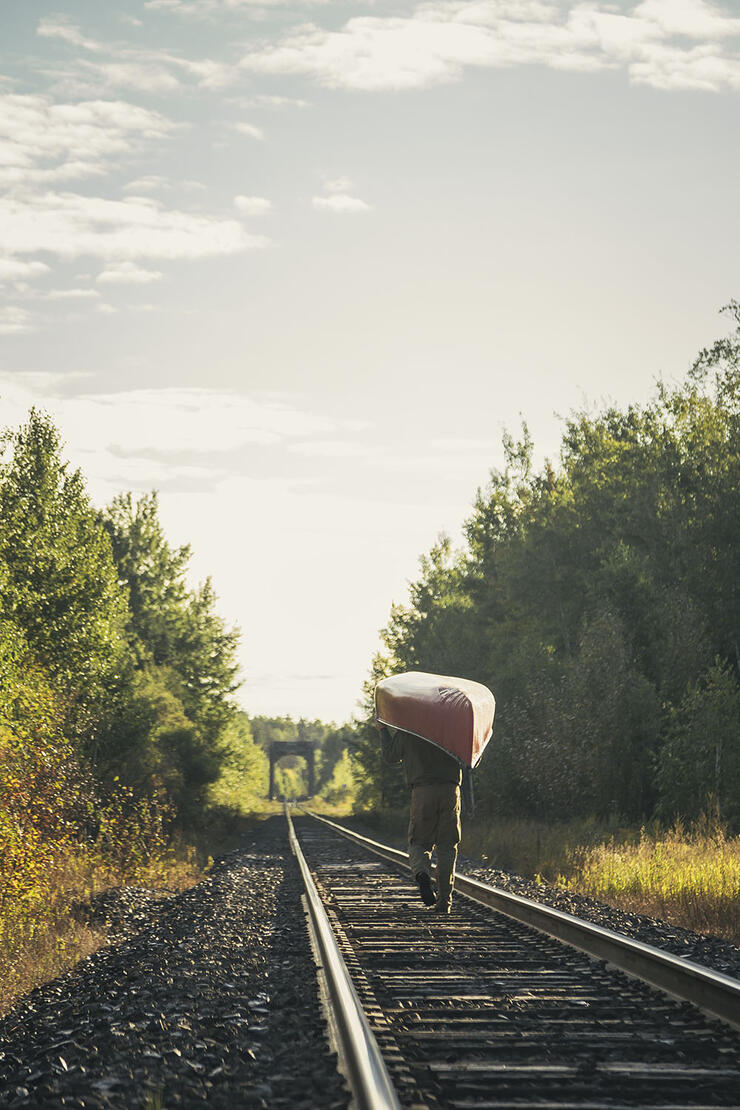
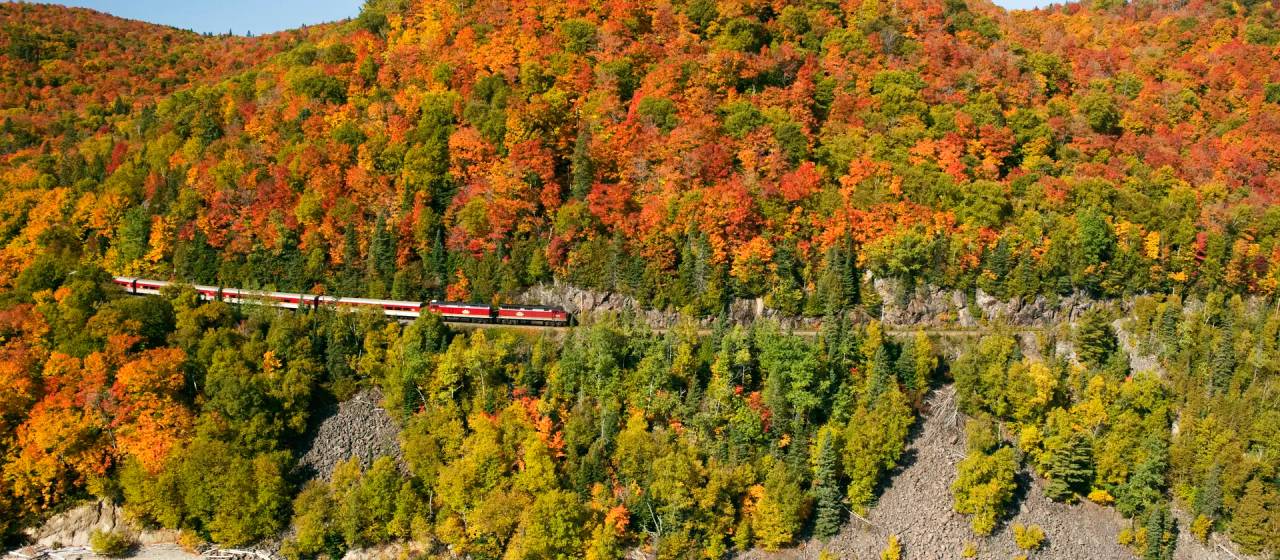
There’s something special about loading your canoe and gear into a boxcar and accessing your canoe trip by rail. The VIA Rail passenger service, called The Canadian, passes through a small station in Armstrong and along the southern fringe of Wabakimi Provincial Park, as part of its route across Canada.
Book your tickets online and work with a local outfitter to plan a route and securely park your vehicle while you’re away on a trip. You can also load your canoe and board the train in Toronto, Winnipeg, Sudbury or many other locations along VIA’s The Canadian route. Remote pick-ups are also available; book your tickets in advance or simply flag down the train from a safe location on the railway siding. Popular drop-off and pick-up locations include Schultz’s Trail, Allanwater Bridge and Flindt Landing.
Canoes can be checked at the station; it’s recommended that you call and make a reservation in advance. Each canoe comes with a $100 surcharge, regardless of where you are embarking and disembarking. Canoe packs, paddles, and fishing gear are free; just make sure you keep your equipment organized and protect fragile items. Note that pets are not allowed on trains.
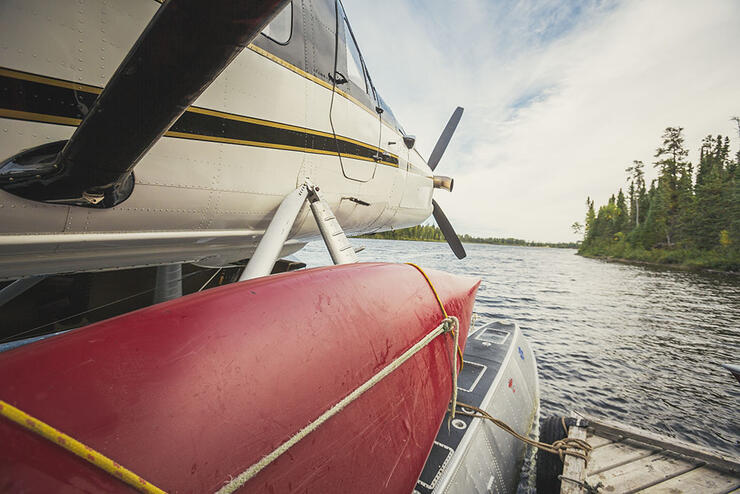
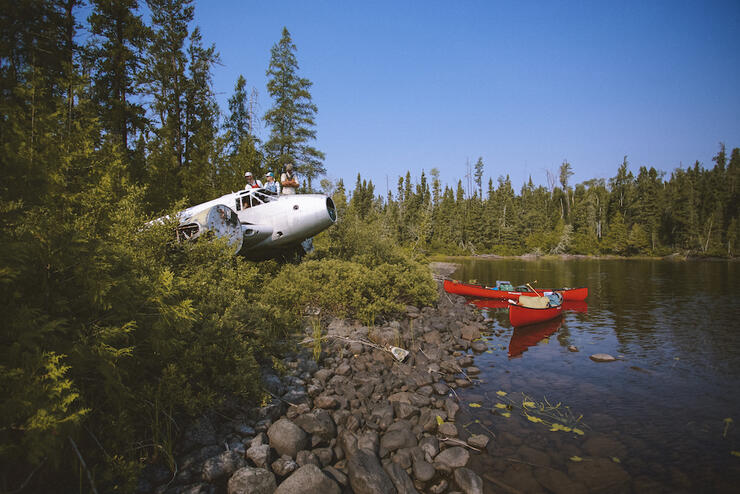
Armstrong’s Mattice Lake Air is your ticket for an amazing Wabakimi fly-in canoe trip. The company works closely with Wabakimi Outfitters to arrange for air service to and from the Wabakimi backcountry on board classic Canadian floatplanes, including deHavilland Beavers and Otters. You can also make arrangements to fly into a remote outpost camp owned by Mattice Lake Air or Wabakimi Outfitters for a cabin-based paddling adventure. Similarly, Wilderness North offers all-inclusive, fly-in paddling adventures based out of a comfortable lodge on Wabakimi’s remote Whitewater Lake.
Thunderhook Fly-ins charters floatplanes to fishing at one of their remote outposts, Smoothrock fishing resort or Whitewater Retreat.
Park permits are required for backcountry camping in Wabakimi Provincial Park. You'll need to indicate where you'll be accessing the park: either the entry point, or by train, fly-in or other. The Park is divided into regions with a certain number of permits available each day per region. You'll need to book a permit for the region of the Park you'll be in on a given day. From there, all campsites within the region are first-come, first-served.
You can make your booking at Ontario Parks’ online reservation system within two weeks of your departure date or by calling the park office at 807-473-3031. Permits can also be purchased from local outfitters, such as Wabakimi Outfitters and Mattice Lake Outfitters.
Ontario Parks has produced a handy Wabakimi Canoe Trip Planning Map that shows typical routes, portages and some campsites across the entire Park. This can also be purchased from Wabakimi Outfitters. This is a great preliminary resource for planning a route and securing large-scale topographical maps for navigation while on the water.
For more detail, check out the exhaustive canoe route maps compiled by the non-profit Friends of Wabakimi. This membership-based organization provides expert trip-planning advice for canoe expeditions across Wabakimi and the surrounding area.
The fishing throughout Wabakimi Provincial Park is considered to be exceptional. You'll primarily catch walleye and pike, but lake trout, brook trout, whitefish and perch are also possibilities. You'll need to have a valid Ontario fishing license and outdoors card to be able to fish in Wabakimi.
Pictographs can be found on many lakeside rock faces in Wabakimi, so keep your eyes peeled no matter where you are paddling. The most well-known place to view pictographs in the Park is on Cliff Lake. Much of the shoreline is dominated by—you guessed it—cliffs, and pictographs can be found at various places on the cliffs around the lake. In fact, this is one of the greatest concentrations of pictographs on Canadian Shield in the country.
Several companies operate deluxe lodges and do-it-yourself outpost camps on Wabakimi lakes, including most of those mentioned in this article. Most Wabakimi fly-in camps cater primarily to anglers; inquire to see if canoes or kayaks are available.