
Top 5 Baits for Smallmouth and Largemouth Bass
What baits do you use to target bass? Find out why these 5 are the best!
By Ron James









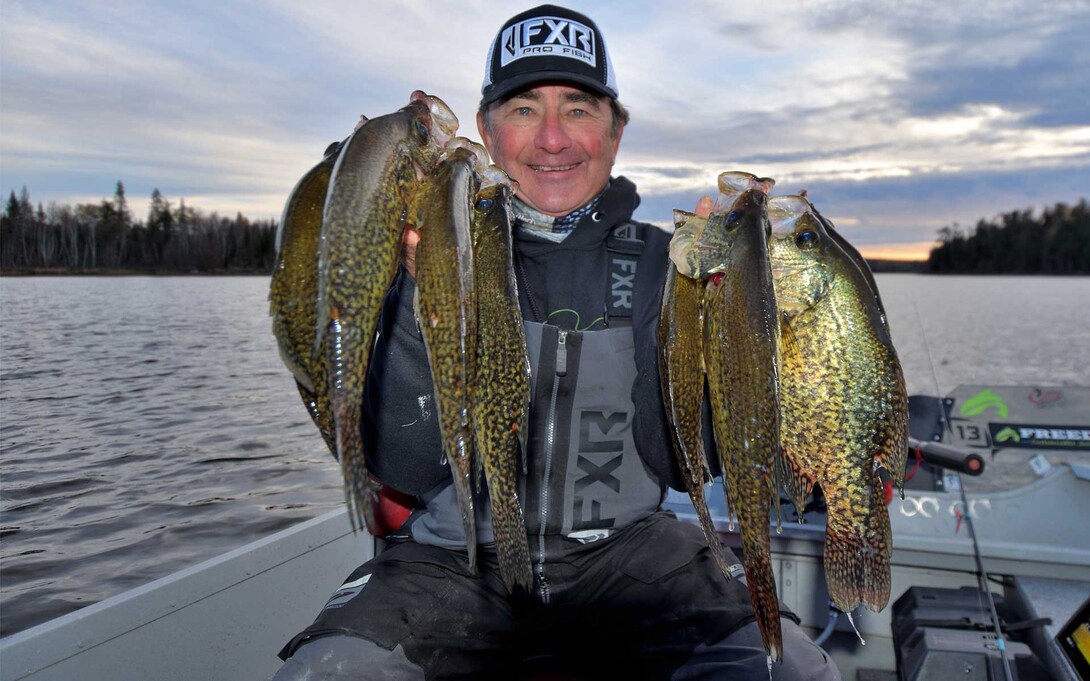
We’ve all been in the boat when a fishing friend has wailed away on the walleye, bass, trout, yellow perch or black crappies — seemingly catching one after the other without any effort whatsoever — while we struggled to get a bite. Even when they give us the same lure they’re using and then show us how they’re retrieving it, we still manage somehow to go nearly fishless.
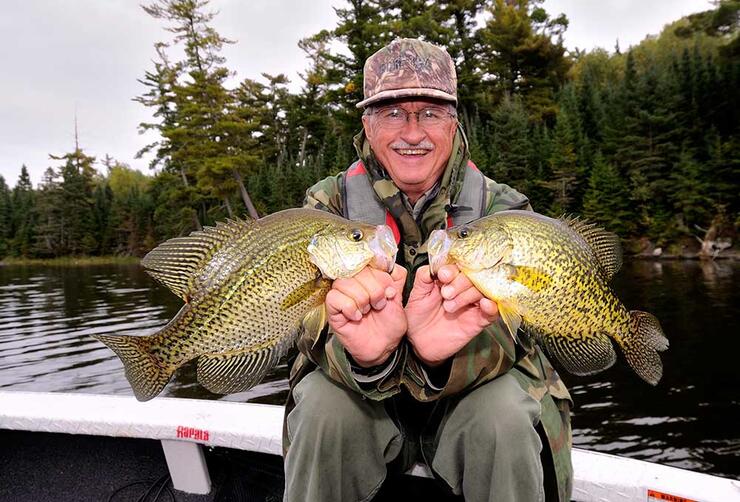
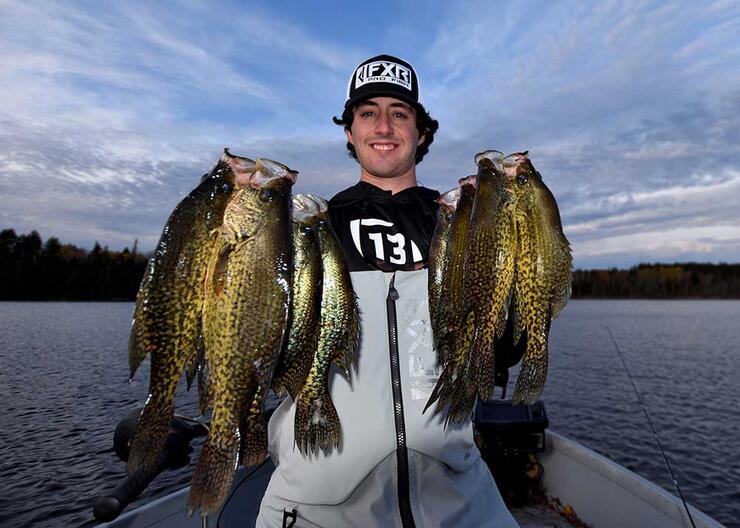
I was thinking about that the other day when my grandson Liam, who was home from college for the week, and I were knocking the black crappie ball out of the park on a large Sunset Country lake. Liam reckoned that we released 35 to 40 slab-sided brutes in an easy afternoon of casting, keeping five fish each for two fabulous family feasts. Our trick was casting light 1/8-ounce marabou jigs that I make and employing the Bivins' Bounce.
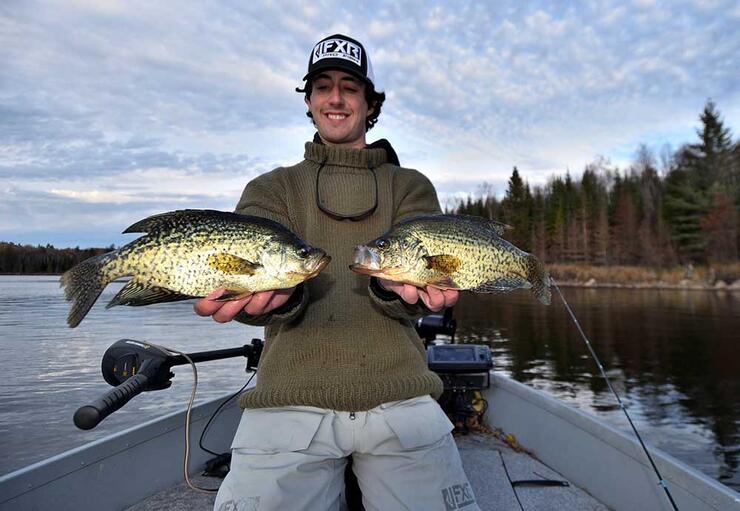
It is a technique I learned years ago from a fishing friend, Ned Kehde, who is the architect of the now-famous Ned Rig. And while it sounded simple enough when Ned first explained it to me, it took some time to really dial it in.
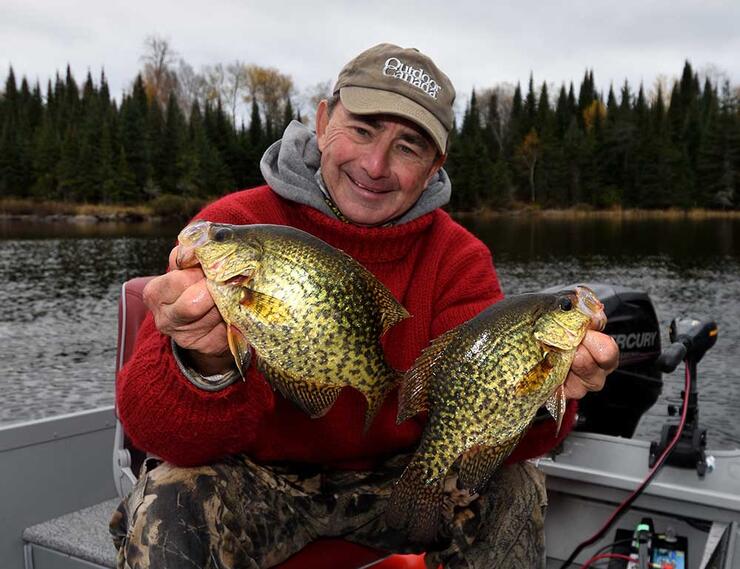
The Bivins’ Bounce is named after retired NASCAR Winston Cup Series driver Terry Bivins, a friend of Kehde’s, who is also a superb angler. In fact, in Ned’s words, “He is the most talented multi-species-angler to have ever graced the waterways of northeastern Kansas and northwestern Missouri.” That is high praise coming from the man whose name is synonymous with one of the hottest techniques in fishing these days.
“Some observers suspect that it is Bivins’ uncanny ability to concentrate that makes him such a stellar angler and race car driver,” Kehde said. “Those of us who have watched him fish for days on end can attest to his unending ability to be in a state of deep and profound concentration, cast after cast and retrieve after retrieve. It is an incredible sight to behold.”
And while Bivins has been a wizard with many lure styles, including lipless crankbaits, spinnerbaits, plastic worms and shirted jigs, it has been his expertise and prowess over the past 40-plus years casting a simple 1/8- ounce marabou jig that has bewildered and frustrated his fishing friends, causing them to scratch their heads and wonder, “How does he do that?”
“It is a bottom-bouncing retrieve,” Ned says. “he accomplishes this by allowing the jig to plummet directly to the bottom after his cast hits the water. As the jig falls towards the bottom, he slowly drops his rod to the five o’clock position. On windy outings, the tip of his rod is almost touching the surface of the water. This rod position keeps the wind from creating a bow in the line and fouling the cadence of his retrieve.
“Once the jig bounces on the bottom, Bivins makes two moderately paced rotations of his reel handle, which propels or lifts the jig up. Then he holds his rod and reel handle dead still and allows the jig to fall back down to the bottom again. As the jig bounces on the bottom, Bivins makes two more rotations of his reel handle. He does this routine until the jig is beyond the area that he is focusing on.”
It sounds simple enough, but as I have discovered over the years, you have to develop a feel for the specific rhythm or cadence that drives Northern Ontario crappies over the edge when they see your fluff floating by. I’ve also found it important to keep your boat parked out over deeper water so that you’re casting up into shallower depths. When Liam and I were out the other day, for example, I generally kept the boat over 20-feet, so that our jigs were landing in 10 feet of water or less.
“In the eyes of the uninitiated angler,” says Kehde, “it might seem as if it is an easy retrieve to implement, but it is not. In fact, I have never seen another angler in the world who can do what Bivins does with a marabou jig."
While it may be true that we’ll never be as proficient as the grandmaster, we can still catch plenty of Northern Ontario crappies by employing the unbeatable Bivins’ Bounce.