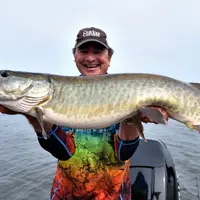
Don’t Be Afraid Of Muskies
Muskies are fish of 10,000 casts and are found in large bodies of water in Northwestern Ontario.
By Gord Pyzer





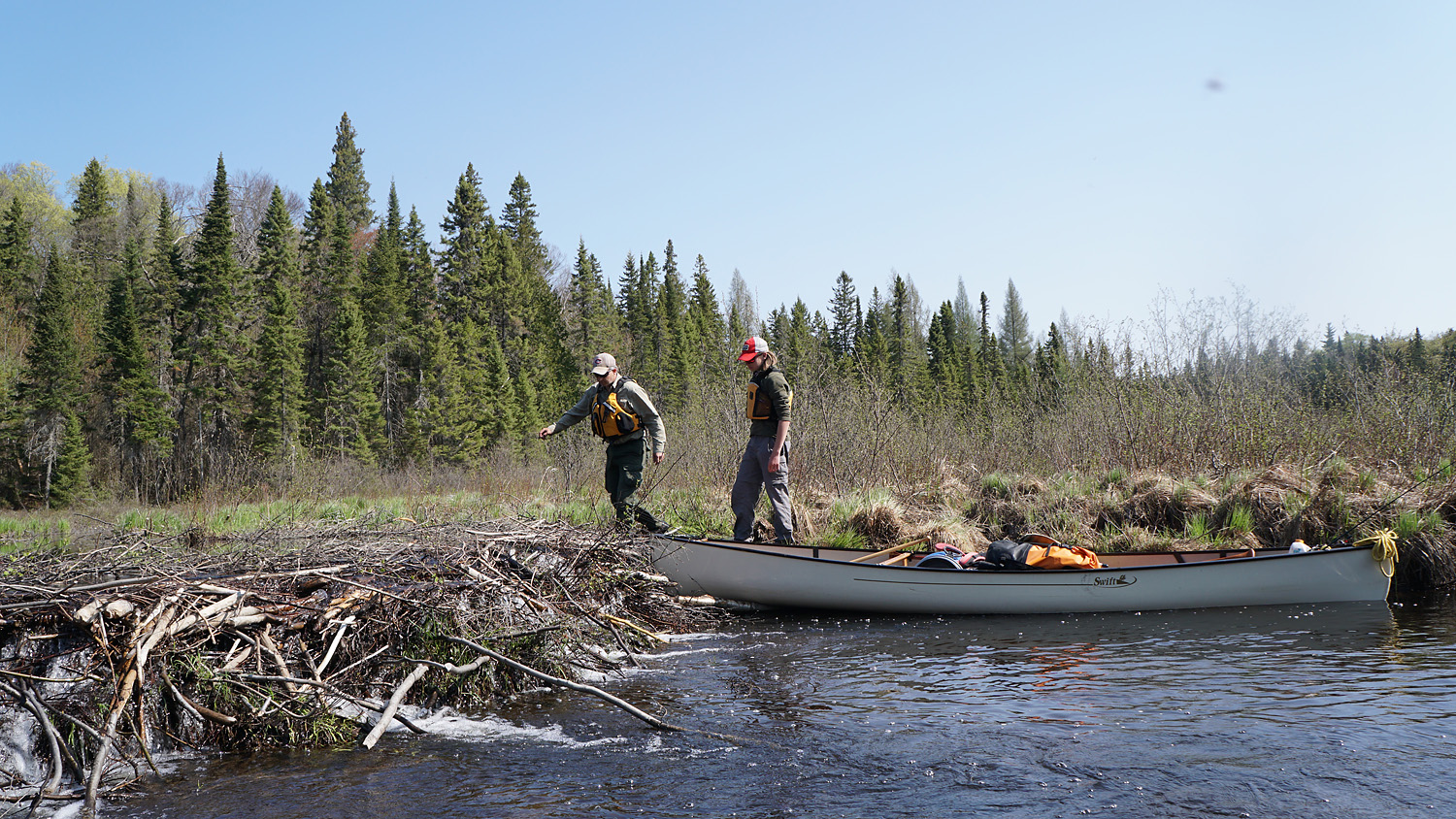
Some paddlers despise Algonquin Park’s upper Nipissing River for its mosquito population, log jams, and endless entanglement of alder along the riverbank. Others cherish it for its solitude, tan-coloured water, towering old-growth white pine, and healthy population of brook trout.
I’m with the latter. The upper Nipissing is one of my all-time favourite paddles in the park. My last trip was in early spring, just as the black flies -- and the brook trout -- were beginning to feed.
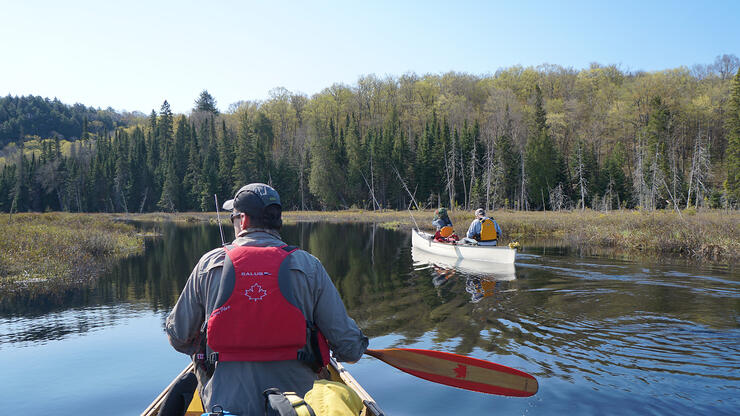
The route starts at the Tim Lake access along the western boundary of Algonquin and follows the upper Nipissing River before looping back to Tim Lake via Loontail Creek, Roseberry Lake, and the Tim River. It makes a perfect four- to five-day jaunt.
Click here for the Official Canoe Routes Map of Algonquin Park.
The initial portages to the Nipissing are typical of Algonquin: long and uphill. Four moose were sighted by the time my canoe partner Andy and I reached the upper reaches of the river. After snaking our way through a labyrinth of alders growing out from the narrow riverbank, we spotted four more. Andy and I even had to chase a huge bull moose off a campsite we desperately needed.
The moose left, but not before urinating on the tent pad. It was dark at this point, so we gave up on a campfire and unrolled our sleeping bags in the bug shelter, which we pitched along the riverbank rather than place our tent directly on moose pee. The bug shelter became our sanctuary each and every night. We ate in it, drank our nightly whisky in it, and sometimes even slept in it.
On this night, Andy and I had just finished our second dram of spirits and were about to get snug in our sleeping bags when the jumbo bull moose returned. It was too dark to actually see him. We just heard him plod through the water, stopping now and then to feed on river plants. Not long after, we heard a second moose, then a third. The Nipissing was alive with hungry moose that night. By morning, seven moose had wandered past our camp, eating horsetail, sedge, and pond weeds as they went.
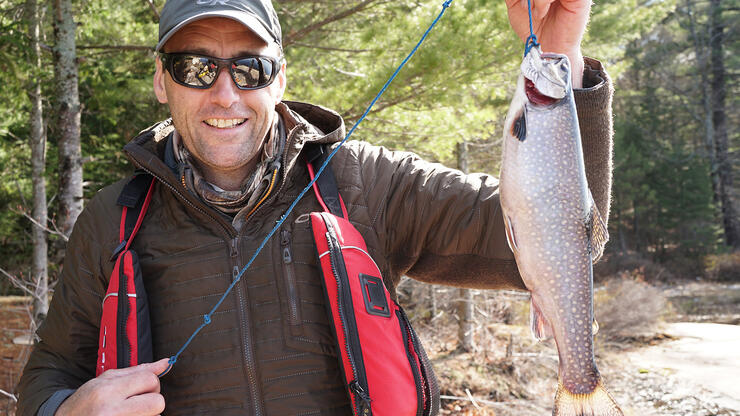
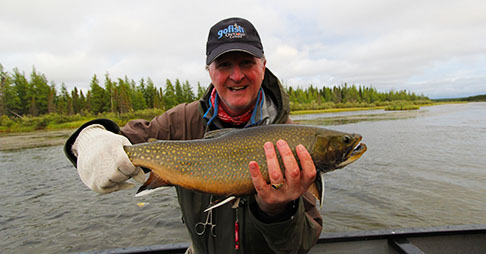
The rest of our days on the Nipissing were spent paddling and casting lures to the base of white water rapids. Three days landed us 35 brookies, each averaging a couple of pounds. We kept a few each day for shore lunch and nightly fry-ups. How incredible to catch so many fish -- proof that a few nasty portages, log jams, and tangled alder is an effective way to keep a wilderness area wild and the brook trout biting.