Top 5 Tips To Fish Smallmouth Bass in Ontario
Ontario has some of the top smallmouth bass opportunities. in the world.
By Jeff Gustafson


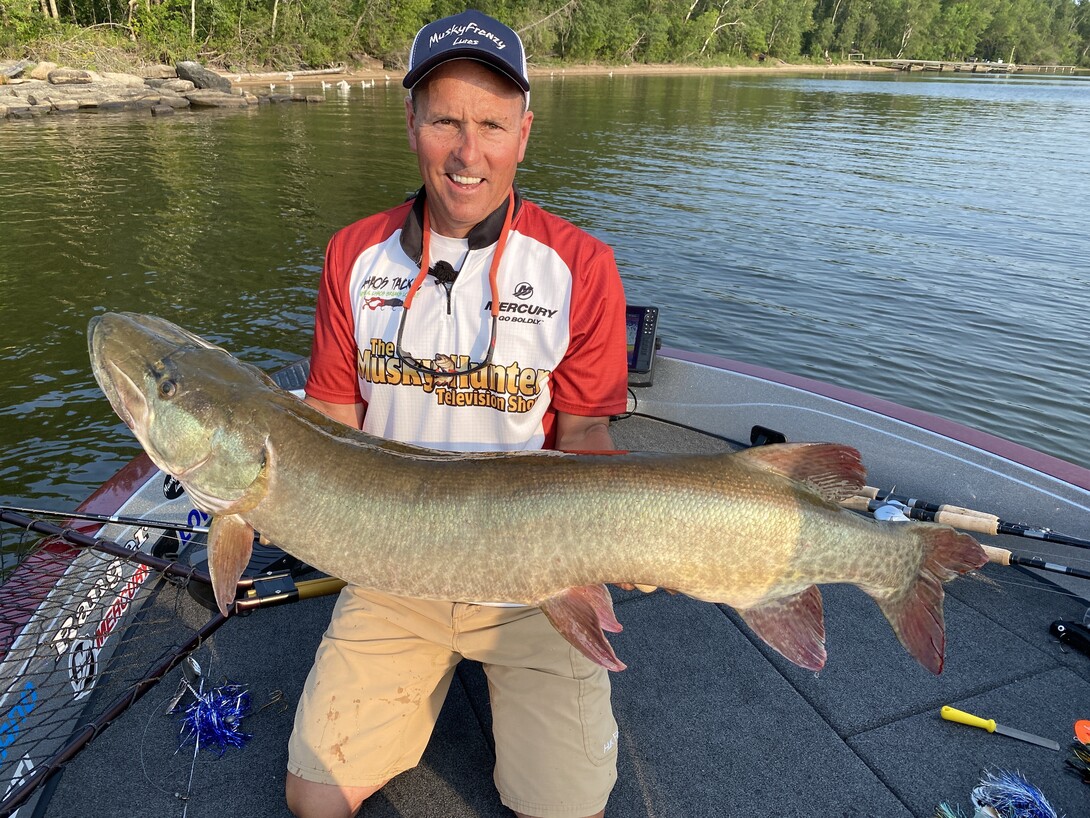
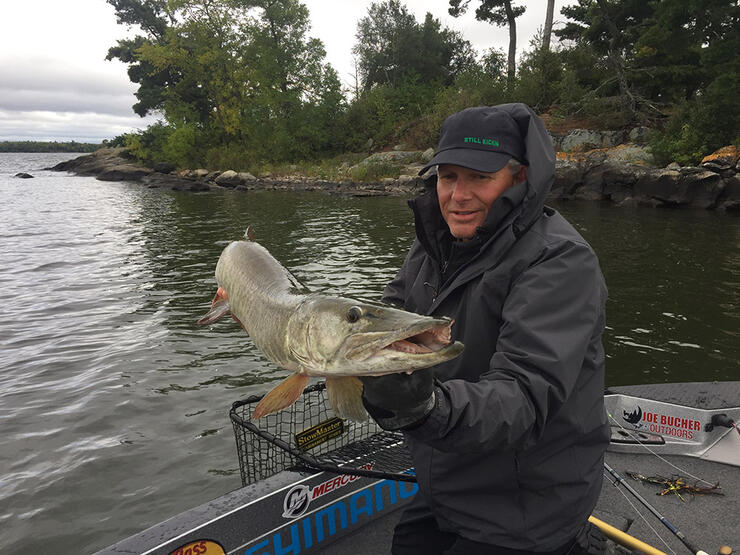
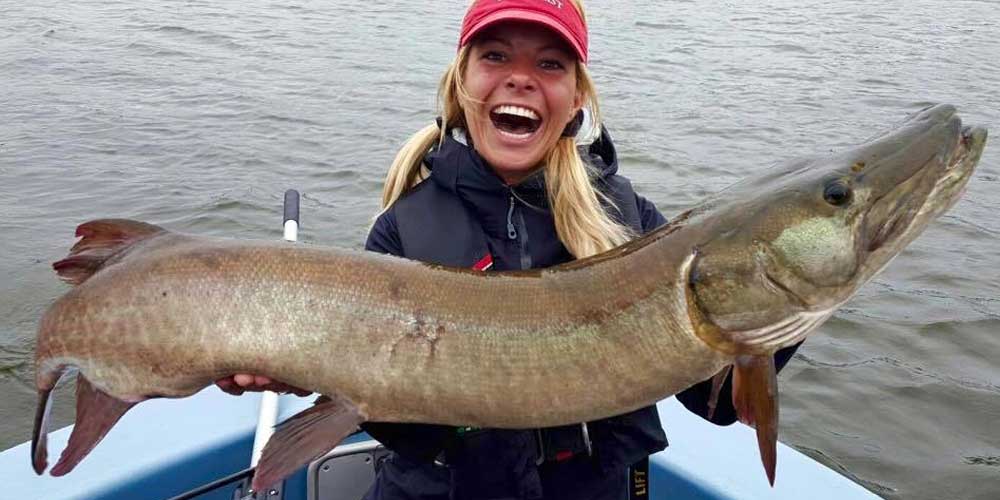
There is no question that Ontario is my favourite place to chase muskies. The waters are large, there are hundreds of spots to fish, and the scenery and wildlife are amazing. Fishing Ontario is an experience; it’s not just about catching fish. Of course, I just can’t ignore the fact that there are also more big muskies located in shallow water than anywhere else, and you simply never get bored fishing Canadian waters. With more big muskies shallow, your odds of catching them are greatly increased, so why fish anywhere else?
I honestly have a relatively simple strategy for catching muskies in most Canadian waters. It’s fish as many islands as possible. Big islands or small islands, it really doesn’t matter. Islands are a mecca for holding muskies, and not only do the muskies often show up, but they also reveal a lot about other areas in the lake where you can find them.
Not all islands are created equal, so let’s make this relatively easy and categorize them into giant, medium and little islands. Little islands are those where you can virtually put your trolling motor down and cast around the entire island in less than 30 minutes. Giant islands are those that might be a mile or longer and half a mile wide or even more. The medium islands are everything in between and giant island and a little island.
I often start my day fishing on a giant Canadian island. I’ll look for a musky spot on that island that contains a large bay. I’ll start at one of the points, and fish my way from the rocky point, along the shore to the back of the bay. I’ll fish the back of the bay, particularly if it is weedy and continue casting all the way to the next rocky point. While doing this, I am paying attention to where I may encounter muskies. Are they on the points, the back of the bay, or in the transition areas? I’ll fish a couple of similar bays and adjacent points to see if I can figure out a pattern for where the muskies are holding. Then it’s just a matter of fishing more similar spots. If the muskies are in the backs of the weedy bays, I spend the next several hours on those. If they are on the rocky points, I’ll fish more points. The approach is simple, straightforward, and effective.
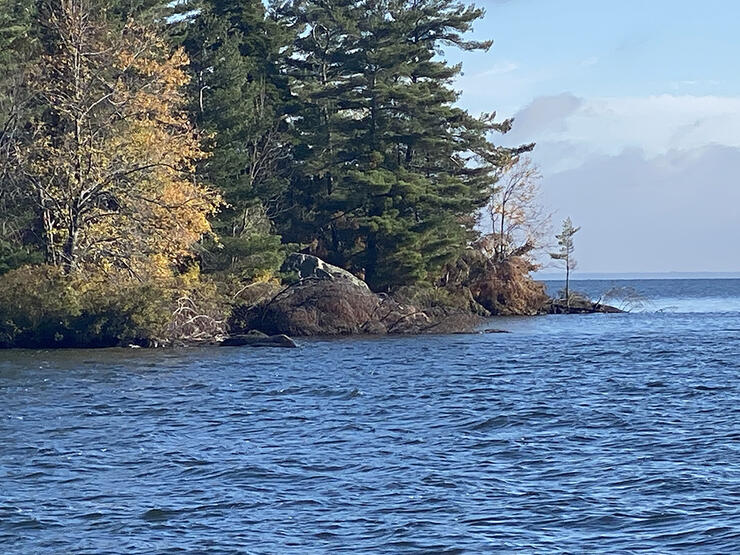
Medium islands are just smaller versions of their giant brothers or sisters. You really don’t want to spend time fishing all around these medium-sized islands, as it could take you an hour or more. However, you can break these medium-sized islands into fishable chunks. The southeast end of every medium island is going to have a softer bottom, due to the glaciers and prevailing winds. So, you will most likely find a weed bed or a rocky or sandy point on the southeast corner. Therefore, always check that side. The North or northwest side will most likely be steeper, but it might also have a few rocky shelves or points from years of erosion. These subtle features can be great, and of course, if you happen to have found muskies on the steeper side of islands, then fish more of the northern side of these islands.
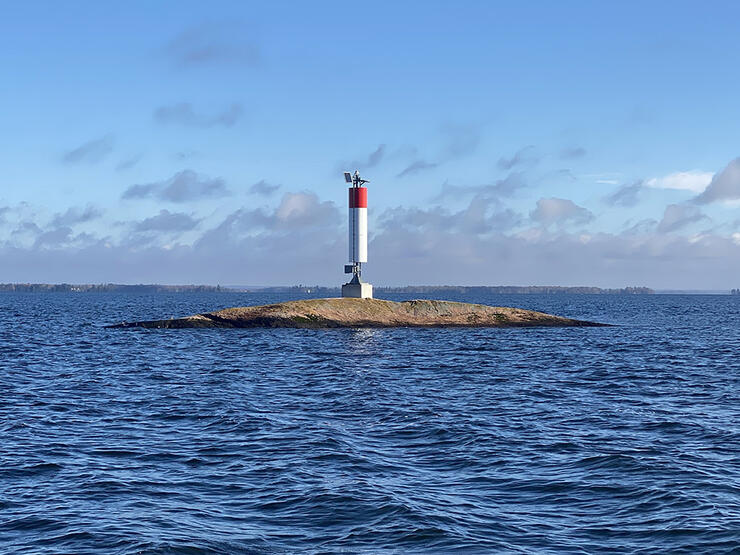
I love fishing little islands. These are the ones that you can put your trolling motor down and fish around them in 30 minutes. Quite often, musky anglers bypass these little islands. However, they frequently hold one, if not multiple, muskies. I’ll look for groupings of little islands near deeper sections of a Canadian lake and simply move from one little island to another. When the fish are moving and biting, you don’t have to travel far to find muskies. It’s amazing how certain spots on these little islands will consistently hold muskies. It’s almost as if these little islands have specific holding spots. So, any musky cruising may hold on to them temporarily.
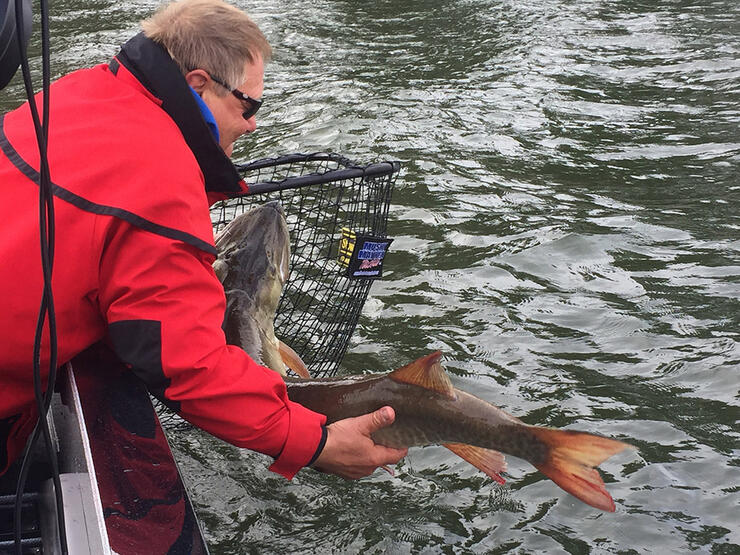
All musky lures come into play when fishing islands; however, I would say bucktails, minnow baits, and topwater get the nod most of the time. You are covering water, fishing multiple spots and looking for an active musky to either eat your lure or chase your bait. If they follow, they just told you where they live. You can return later to try and catch them, but in the interim, go fish more spots like the one where the musky showed up.
Canadian waters can be large and seem intimidating. However, keep it simple and fish the islands. Everyone is different and has a unique character. You’ll find each island has lots of potential musky spots, and be truly amazed at how many muskies might be living around one island.
Whether you fish Northwest Ontario or Eastern Ontario, there are musky waters with lots of islands. Start fishing them and before long, you’ll never look at them the same way again, and your dreams will be filled with great musky experiences.