
Old Woman Bay
A Must Stop on Lake Superior
By Greg Sacco



It's peak summer, the weather's perfect and—little wonder—the Agawa Bay and Rabbit Blanket campgrounds in Lake Superior Provincial Park are both booked solid. Despite the park’s isolated location, about 140 km north of Sault Ste. Marie on Highway 17, “Campground Full” signs are all too common on weekends throughout July and August. But this reality shouldn’t be a reason to spend the weekend at home if you didn’t have the luxury or forethought to make online campsite reservations months in advance.
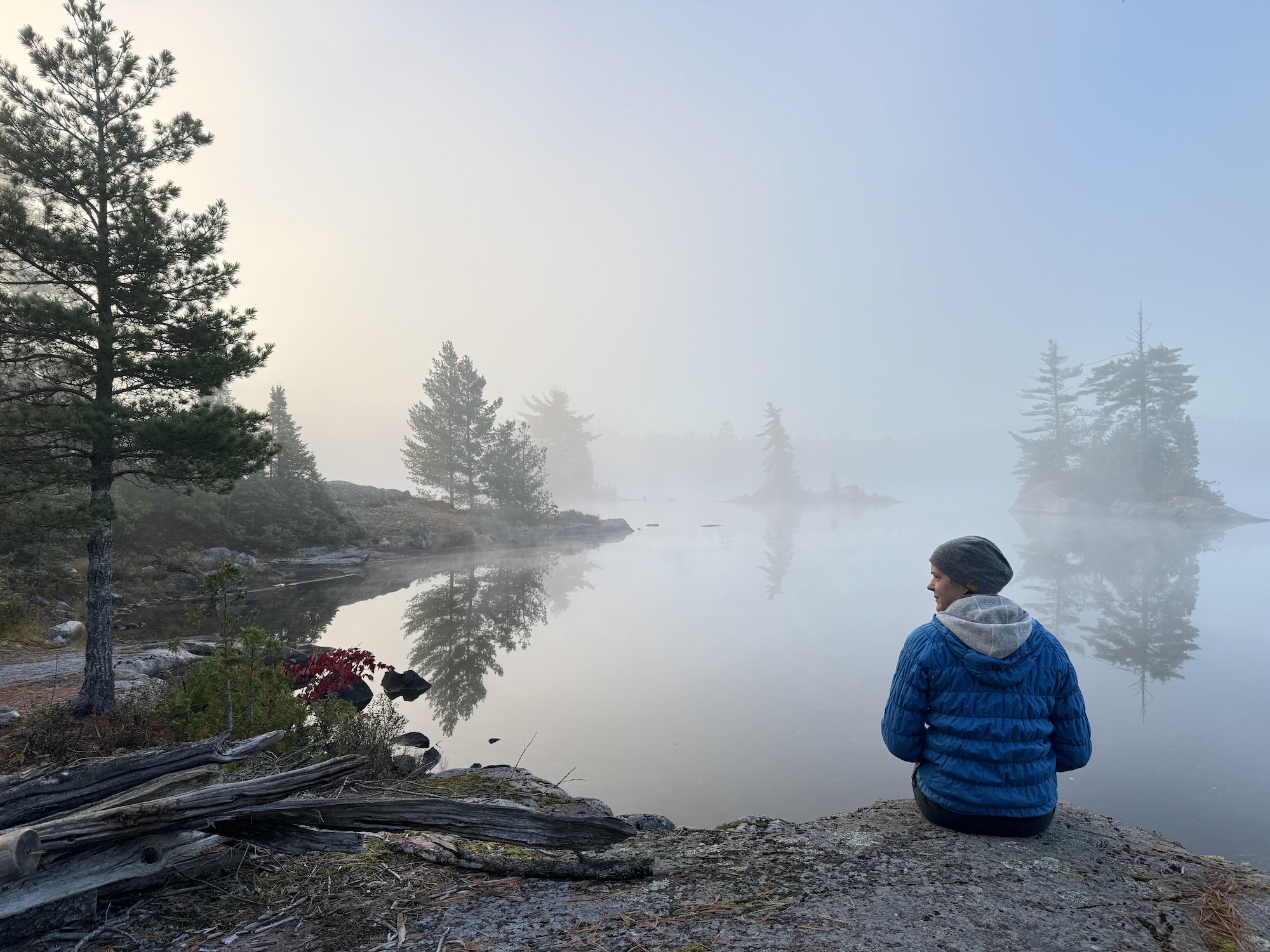
You could hold out hope of scoring a cancellation for a last-minute weekend escape. The other, more proactive solution is to seek out quieter, primitive campsites in the “slackcountry”—peaceful and scenic oases just beyond the roads, accessible via short treks on foot or by paddle.
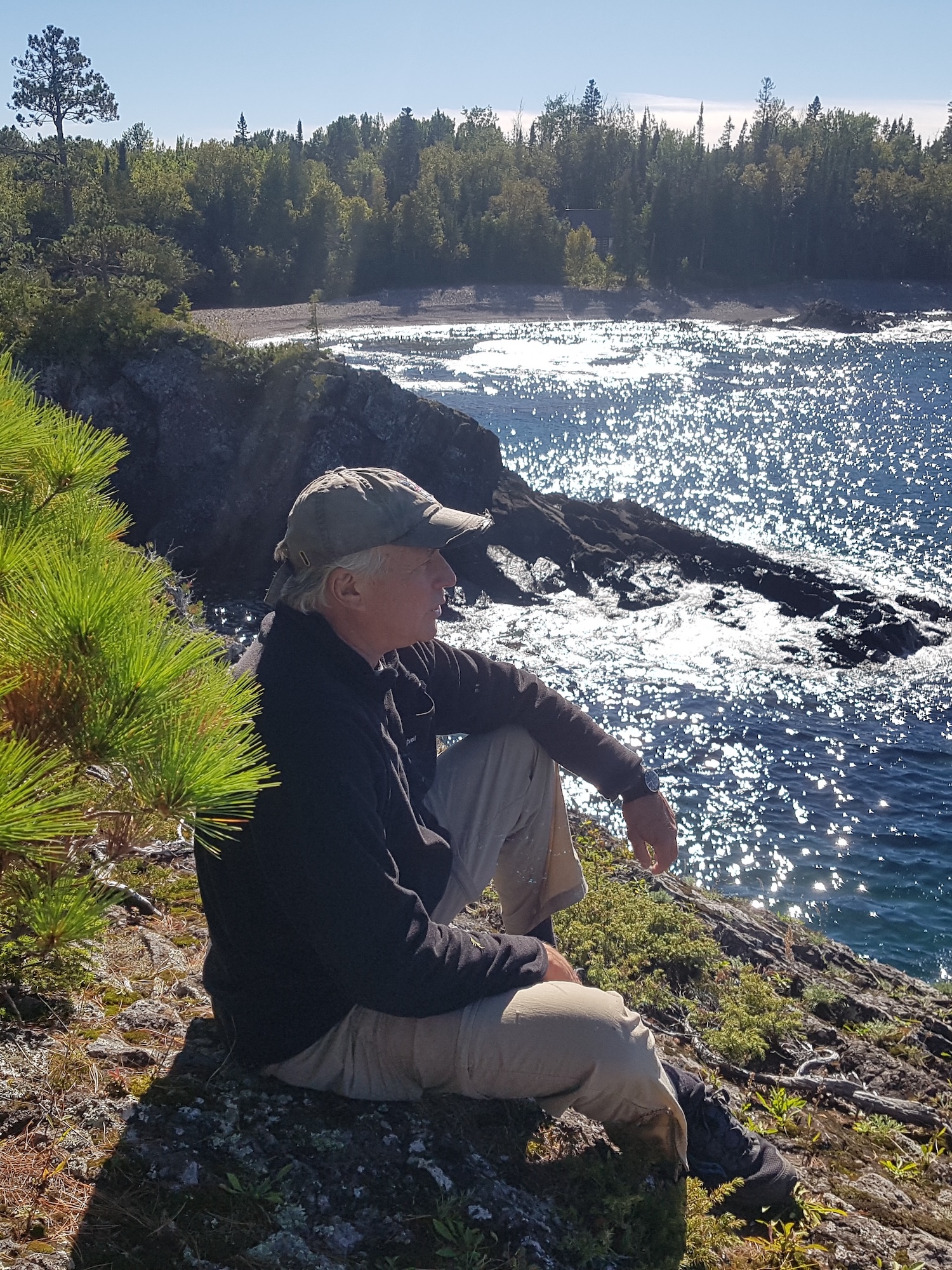
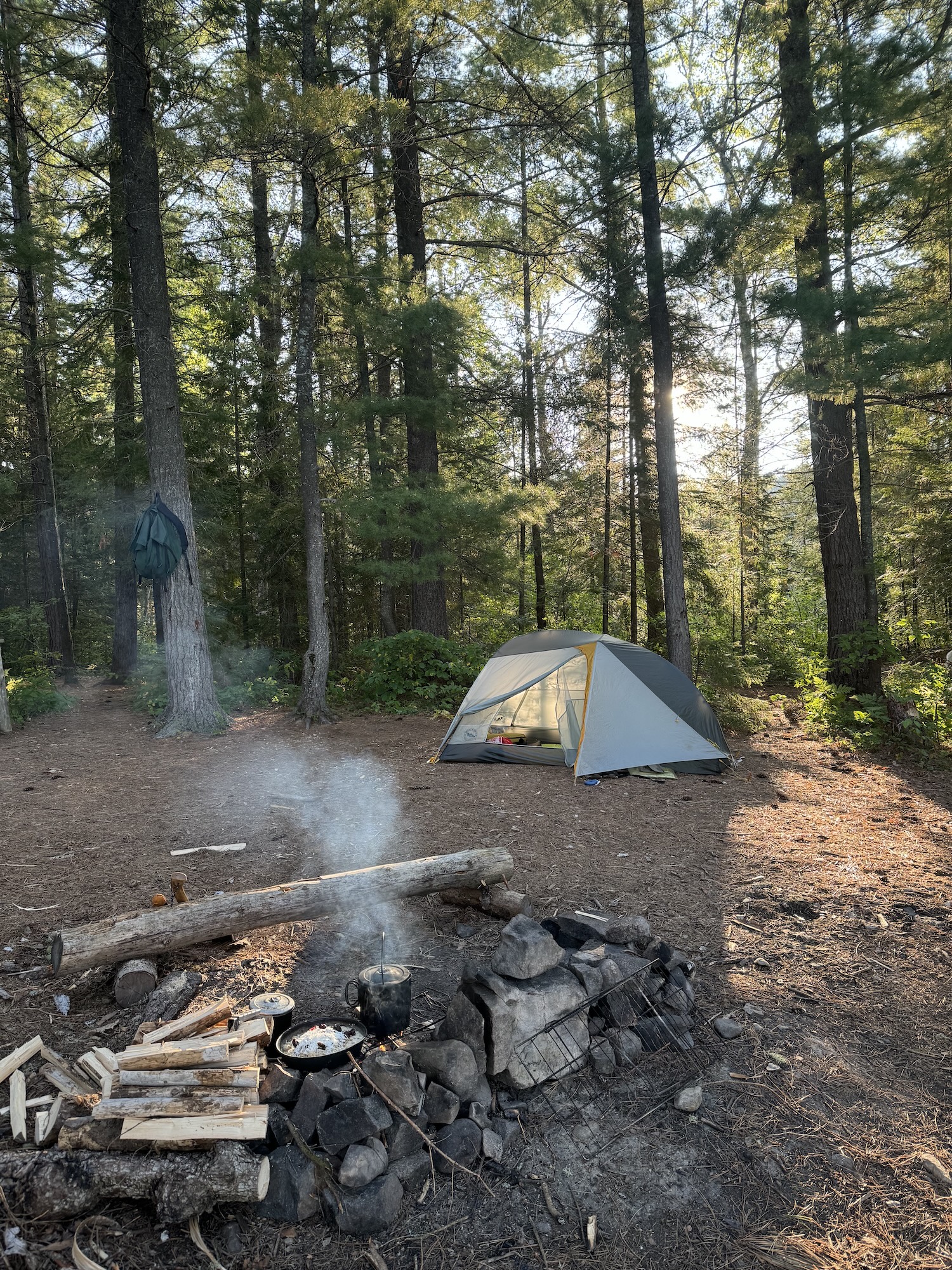
Slackcountry camping opens a new door to adventure. Not only do primitive campsites offer relief from campground booking nightmares and crowds, but they’re a great way for car-campers to level up and get a taste of the backcountry without trekking or paddling too far into the wilderness. Backcountry campsites in Lake Superior Provincial Park have per-person overnight fees (with discounts for youth, seniors and people with disabilities), and include amenities like firepits and pit privies, and often picnic tables. Investing in a lighter tent, sleeping bag and mattress, as well as a quality backpack, will make it less of a chore to haul your kit to your chosen campsite. Paddling a canoe or kayak to water-access campsites further reduces the competition and opens up new options. If you’re already a tent camper, you probably have most of the equipment you’ll need to get off the beaten track.
Here’s a list of some of the best places to try backcountry camping in Algoma and plan your own adventure with our gear, menu and packing tips.
This 2-km-long sand and gravel beach on Lake Superior, located just north of Katherine Cove, offers three walk-in campsites, all situated within a short walk from parking areas on Highway 17. You can easily shuttle your gear from your vehicle and safely store food in your car overnight, within a few minutes’ walk from the campsite. In many ways, Coldwater River feels like Agawa Bay without the crowds: tent sites are located in open groves of red pine and balsam fir, just inland from the beach; Lake Superior’s restless waves lap on the scalloped shoreline, muffling highway noise and reflecting the golden sunset skies; and the Lake Superior Provincial Park Coastal Hiking Trail follows the shore, with a scenic lookout rewarding hikers who make the trek to Baldhead, a massive promontory to the north, and a myriad of polished bedrock headlands just south of the beach’s namesake river. The mouth of the Coldwater River is also an excellent place to cast for steelhead trout in the spring and Pacific salmon in the fall.
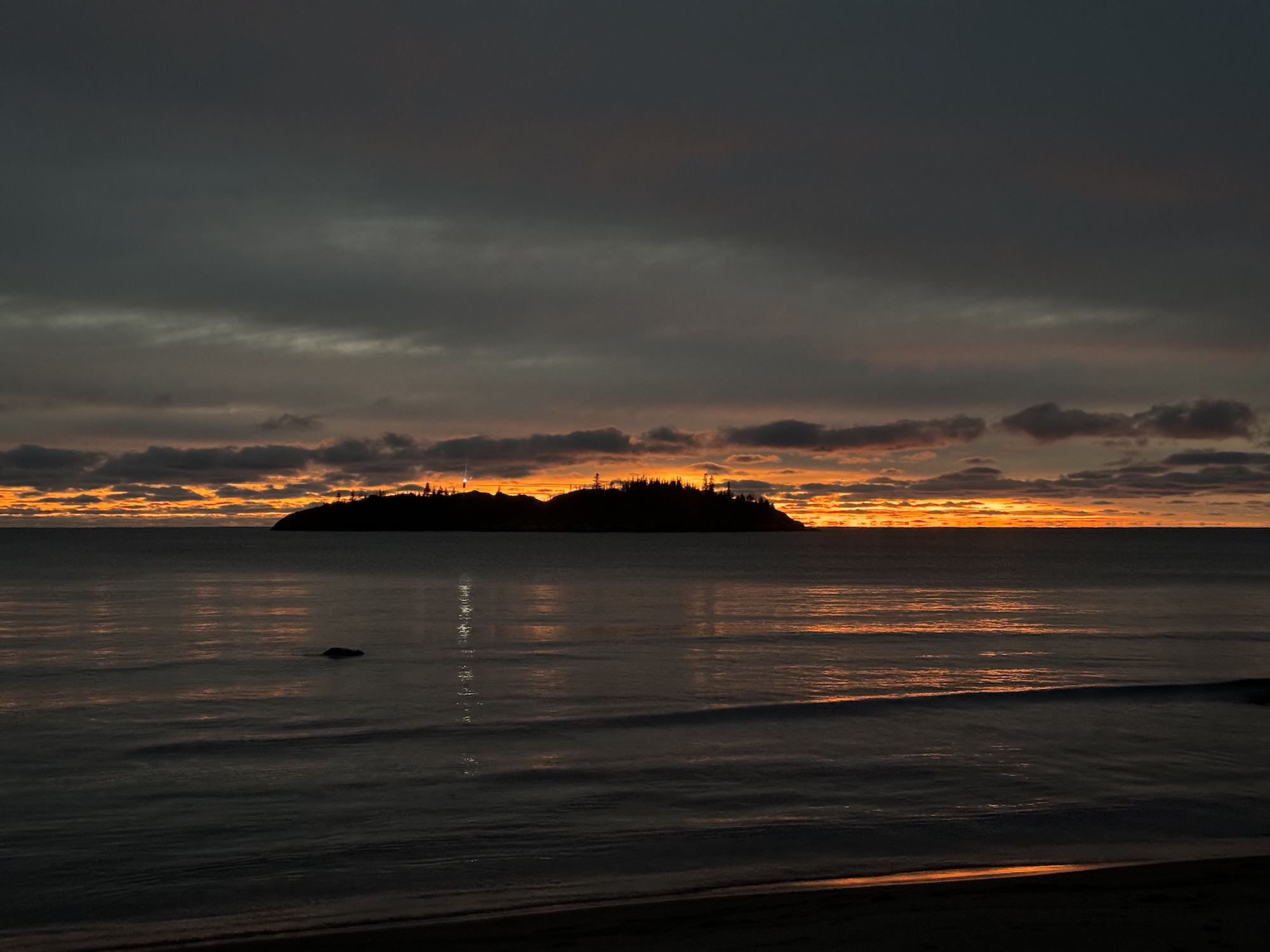
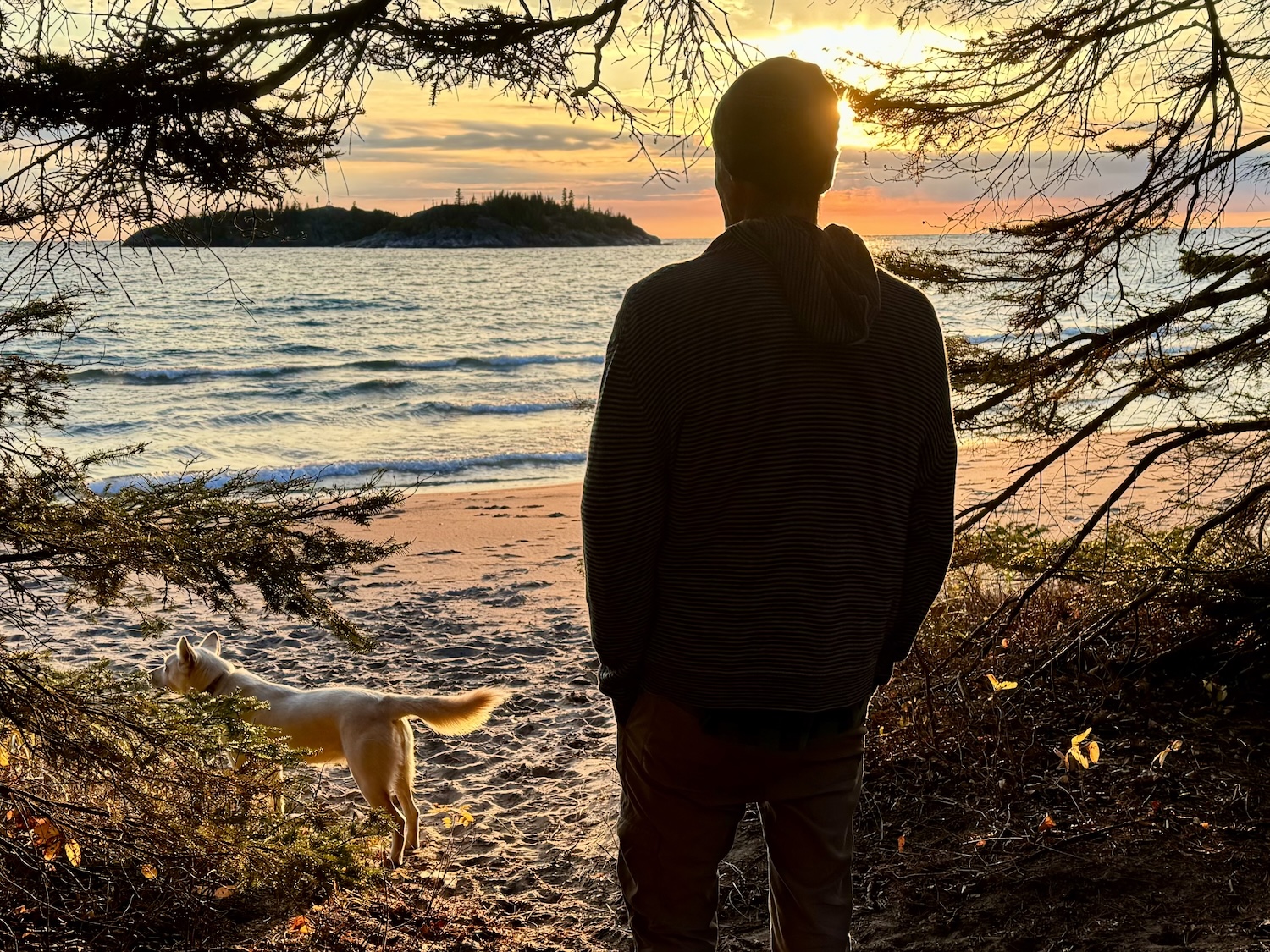
Gargantua (pronounced Gar-gan-twa) is a hauntingly beautiful place of wave-rounded cobbles and sand beaches, high surrounding hills, an island lighthouse and an overwhelming sense of being away from it all at the edge of an Inland Sea. It is located at the end of a well-marked 14-km gravel road off of Highway 17, which is narrow, rutted and rugged but drivable for most vehicles. There’s a parking area at the end of the road. Six walk-in campsites are located on the Lake Superior shore, within 15 minutes of hiking to the north and south, making it easy to haul your gear and keep a cooler in your car. Metal “bear boxes” are also available for safe food storage at the campsites. Gargantua is located near the north end of the Coastal Hiking Trail. Trek about an hour north to Gargantua Harbour, where a lookout point provides great views over a cluster of islands. Beyond that, it’s another 90-minute (one-way) hike on a forested trail to Warp Bay, a pristine sand beach with another cluster of backcountry campsites. There’s a unique aura to Gargantua, perhaps owing to its rich Indigenous cultural history. Time slows, magic happens, and you’ll feel a deep desire to return.
Immense sand beaches, soaring cliffs and bold headlands are the dominant, jaw-dropping signatures of Lake Superior Provincial Park. But inland, the park is sprinkled with smaller lakes, set like jewels in the Algoma forest. Crescent Lake, near the park’s southern boundary, lacks the grandeur of the Great Lakes, but it makes up for it with a subtle beauty and a more intimate feel—not to mention amazing trout fishing, swimming, quiet water paddling and a forested hiking trail. It’s a 15-minute walk from the Crescent Lake pull-off on Highway 17 to several private waterfront campsites. Bring a canoe or kayak (or rent one at the Agawa Bay Visitor Centre) and paddle Crescent Lake, with the option of portaging into neighbouring bodies of water. The area is excellent for observing nature, with many species of songbirds, loons and other waterfowl, and the possibility of seeing northern wildlife like moose and lynx.
It’s easy to mistake the broad, driftwood-laced beach at Barrett River for an ocean coast. When it’s windy, swells dance on the horizon, and freshwater combers break offshore and wash into the fine sand beach, reminding you of Lake Superior’s power and fickle temperament. Rough or calm, Barrett River is a touch of paradise with a “desert island” feel you’ll never forget. Keep a close eye out for the parking area, located on a wide shoulder on the west side of Highway 17, just north of the road to the Agawa Pictographs and immediately north of the Barrett River bridge. Hike 5 minutes down the trail to Lake Superior. There are backcountry campsites set along the beach on either side of the river mouth, all within a 20-minute walk of your vehicle. A gradual dropoff makes for excellent swimming, and hiking to the north end of the beach takes you to a sloping, wave-polished headland of pink granite with swirling patterns of white quartz. A short ascent on the Lake Superior Coastal Hiking Trail offers outstanding views.
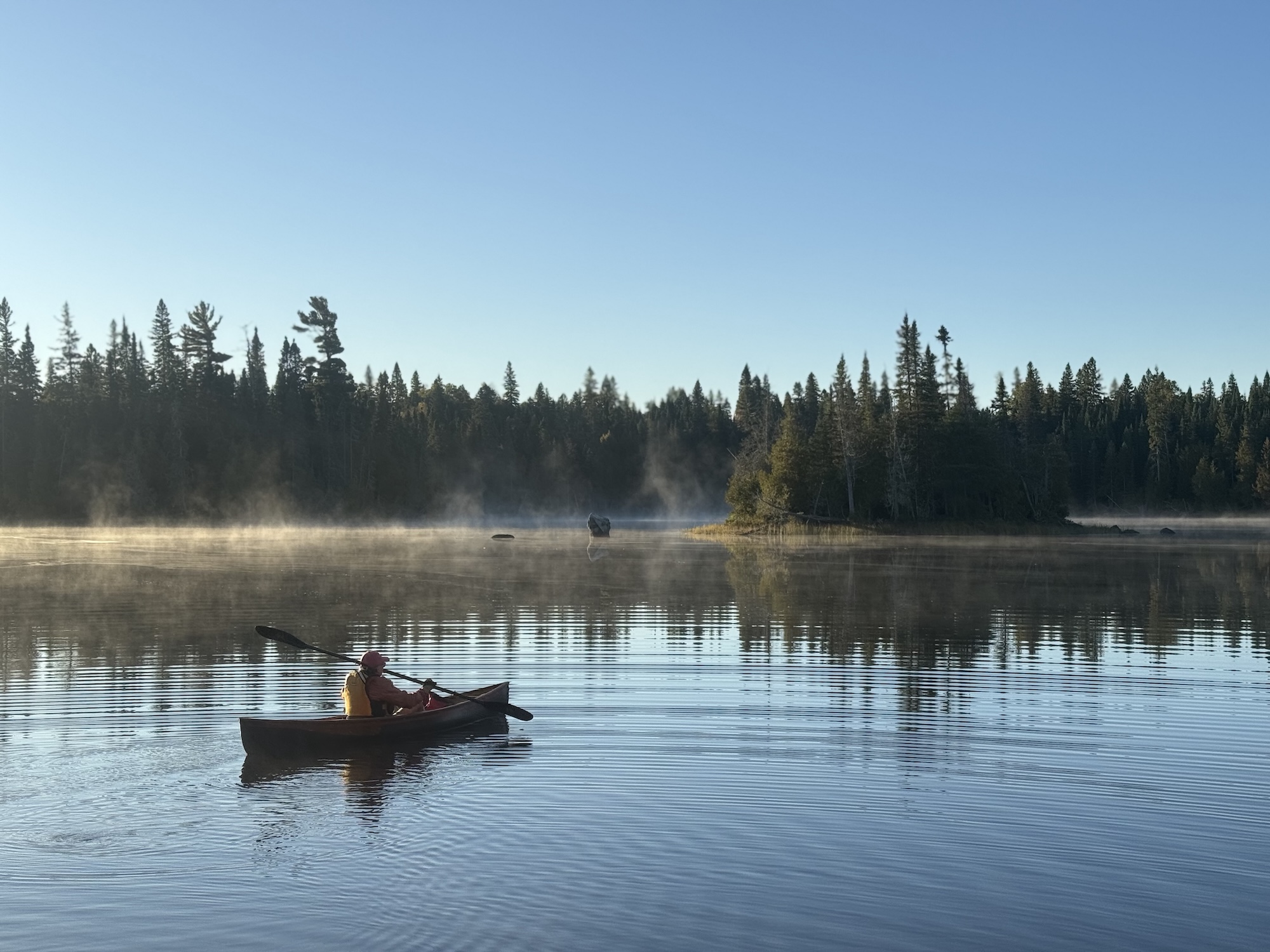
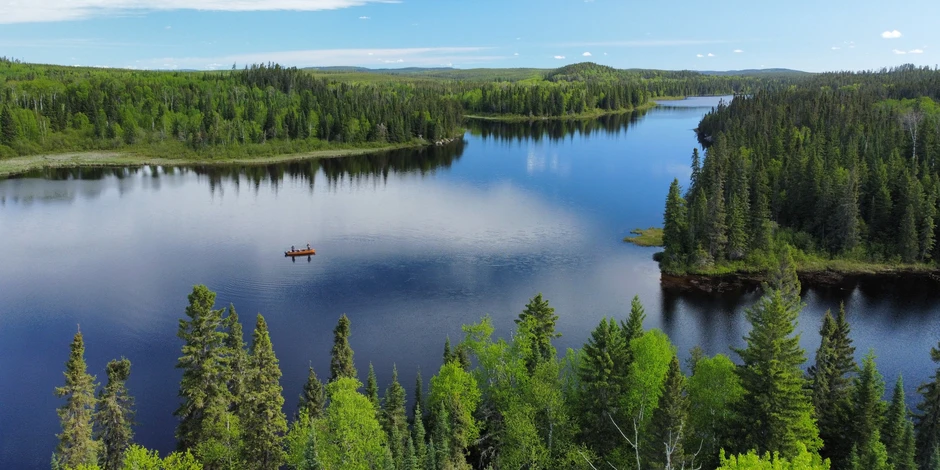
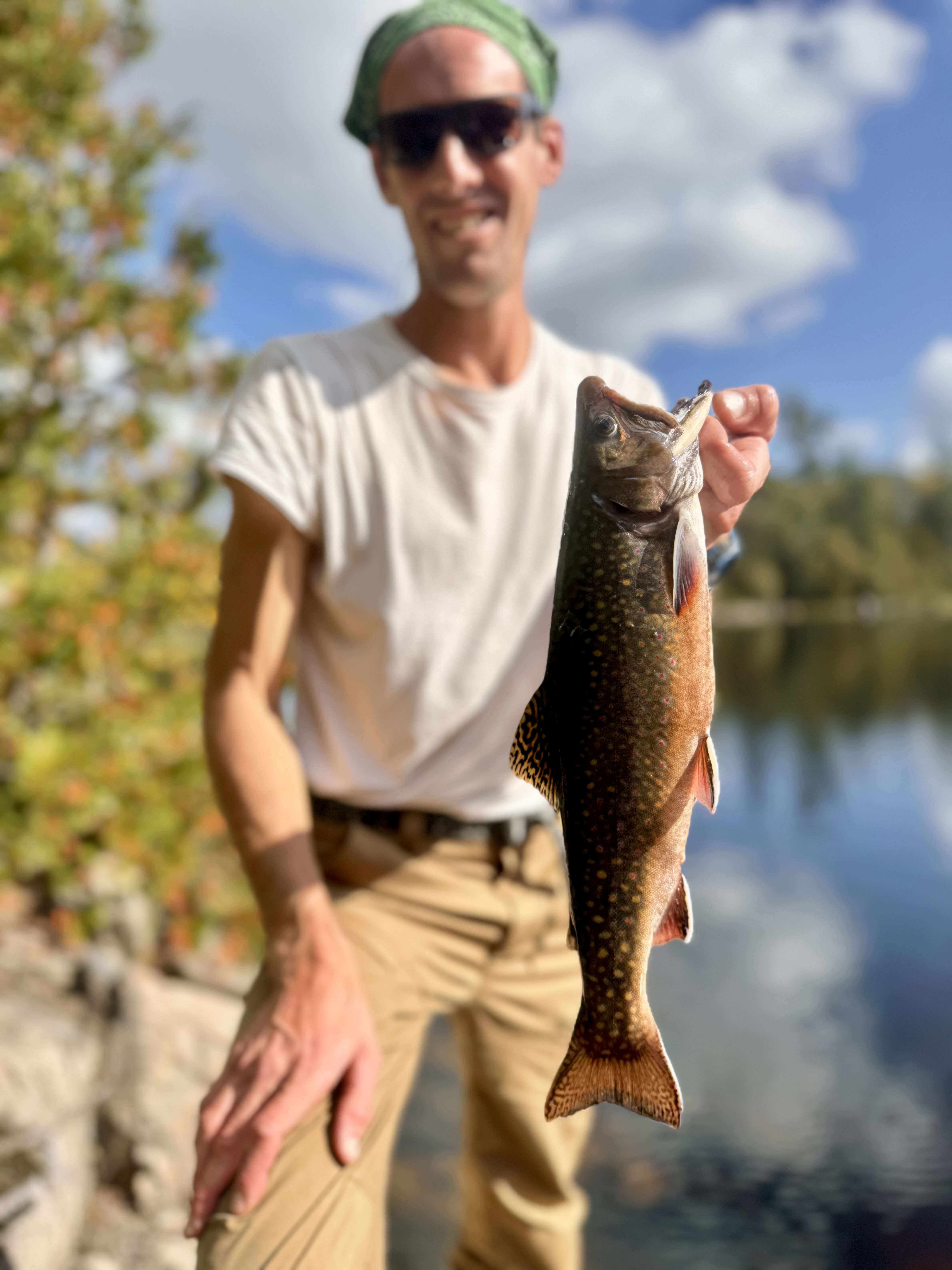
Located east of Highway 17 in the northern half of Lake Superior Provincial Park, “Mijin” Lake is a fantastic destination to try backcountry canoe camping with family or friends. Rental canoes are available at the launch (make arrangements in advance at the Red Rock park office or Agawa Bay visitor centre), which is located at the end of a well-maintained gravel road, about 8 km from the highway. Mijinemungshing Lake offers more than a dozen paddle-in campsites divided into 3 zones, most of which are located on picturesque islands. Besides requiring a canoe or kayak to access, backcountry camping on Mijinemungshing Lake demands more careful planning around food and gear, since you cannot easily zip back and forth to your car. Plan a menu with more non-perishable items and come equipped with rope, dry bags or canoe barrels to secure your food overnight at least 4 m off the ground. Trout fishing on Mijin Lake is outstanding.
Lighter gear is more important the farther you have to schlepp it. It’s less than a 15-minute walk to many of the campsites suggested here, so you can get away with a larger car-camping tent, heavier synthetic-filled sleeping bag, extra clothing and a two-burner cookstove in most cases. However, if you get serious about backcountry camping, you’ll want to invest in a lightweight backpacking tent, down-filled sleeping bag and a single-burner stove. One of the best ways to pare down your kit without spending money is to streamline your clothing to the essentials (but don’t forget your raincoat). This is best done after a trip, when you can honestly assess the pieces of clothing (and other gear) that you could’ve lived without.
Many of the campsites featured here are within a short walk of parking areas, making it no problem to carry perishable foods in a cooler, which can be stored overnight in your car. Just be sure to adhere to park regulations, such as can and bottle bans in the backcountry. But it’s a good idea to start thinking about lighter meals with more non-perishable items if you want to take longer trips deeper into the backcountry. You could splurge on freeze-dried camping meals, which are often skimpy, salty and very expensive. A better bet is to check out grocery and bulk stores for foods that adapt well to the backcountry, such as rice and pasta meals and longer-lasting fruits and vegetables, as well as cured meats and hard cheeses. Regardless of your menu, you’ll want to store your food securely overnight—either inside a locked vehicle or hung with a long rope from a tree, at least 2 m from any trunk or branch and 4 m off the ground.
It’s your responsibility to be a good steward of the outdoors. The best way to safeguard the joys we experience today for future visitors is to follow the principles of Leave No Trace, which outline 7 best practices to minimize our impacts. These include planning ahead, sticking to established trails and campsites, using fire responsibly, ensuring that human waste doesn’t contaminate water supplies, not disturbing wildlife, wildflowers or artifacts, and being considerate of others.