Best Boat Launches
Where to start your PWC day trips
By Craig Nicholson—The Intrepid Cottager



Lake Simcoe isn't just a lake—it's a living piece of Canadian history. Its waters have guided Indigenous peoples for thousands of years and later became a hub for early European settlers. Today, every bend in the shoreline and every hidden cove feels alive with stories, where history meets the hum of modern boating, from quaint marinas to bustling waterfronts. Under the surface, the lake is teeming with life, from pike and bass to perch and trout.
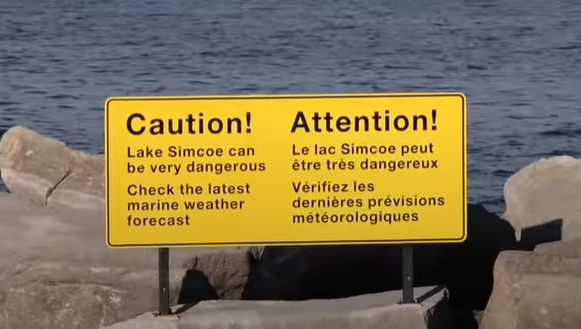
But don't be fooled by its calm mornings and sparkling blue water. Lake Simcoe has a wild side: weather can shift in a heartbeat, turning gentle winds and clear water into rough, choppy waves. It's a lake that rewards those who respect it. For first-timers, it's thrilling but manageable; for seasoned boaters, it's a playground that keeps you on your toes.
Here are eight things to know—and prepare for—before you launch.
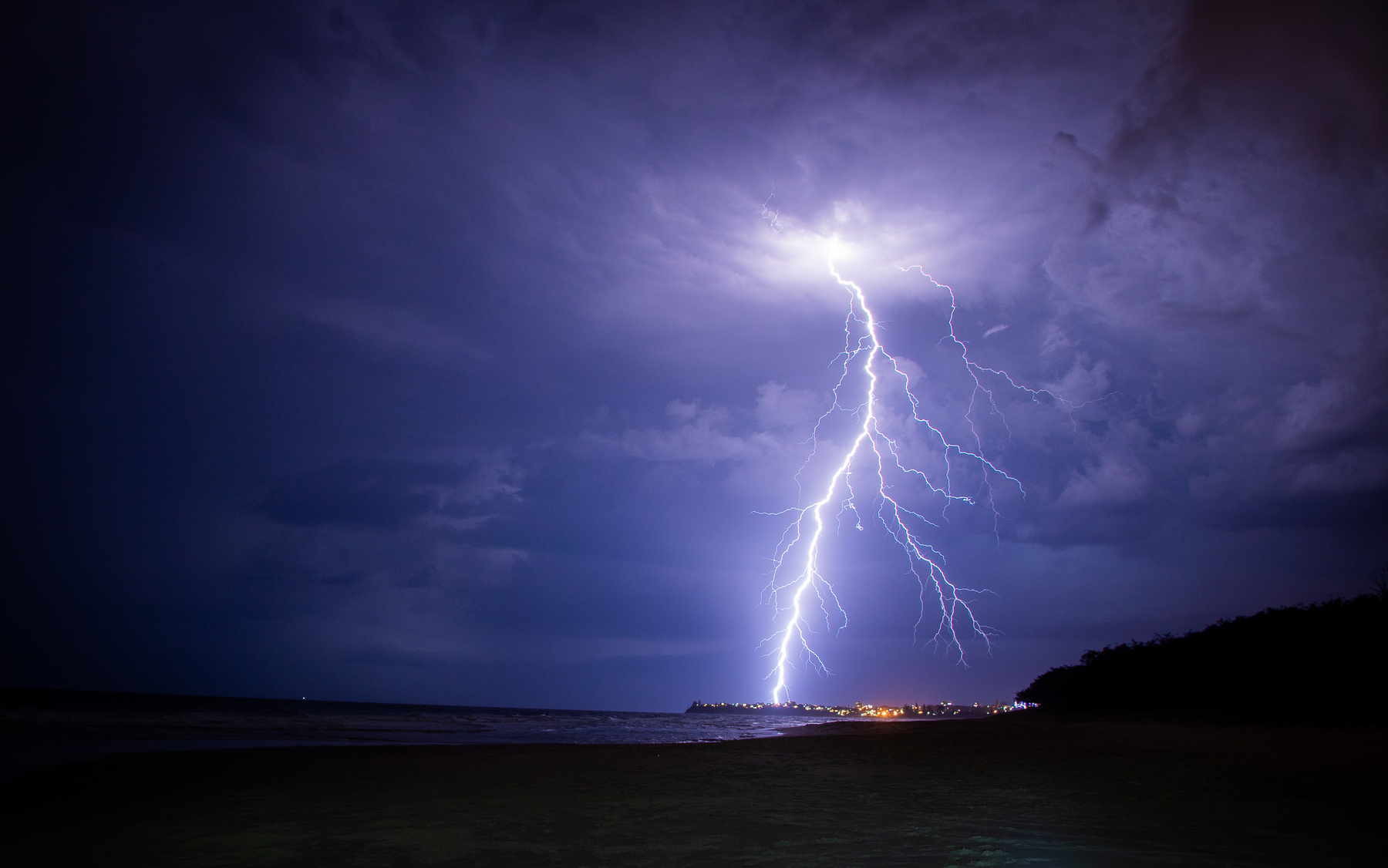
Lake Simcoe is known for unpredictable weather, where calm, sunny conditions can quickly give way to dark clouds, gusty winds or sudden storms. Check the marine forecast before you leave and keep checking it during your trip. Watch the sky, too: changes in cloud patterns, wind direction or wave activity can be early warning signs of worsening conditions.
Being prepared also means having a clear plan for getting back to shore quickly. Know the locations of nearby marinas, boat launches and protected coves so you can seek shelter at a moment's notice.
Check forecasts: Review the latest marine weather reports before setting out.
Watch the sky: Be alert for sudden cloud buildup, shifting winds or darkening skies.
Plan escape routes: Know nearby marinas, protected coves and boat launches in case you need to head in quickly.
Don't wait: If you see dark clouds rolling in or the wind picking up, head for shore. Waiting could be the difference between life and death.
Adjust your plan: Be ready to shorten your trip or change course if conditions deteriorate.
Even in the warm summer months, Lake Simcoe can be much colder than it looks. Surface water warms through the summer, but below a layer that forms about 13 to 20 metres down, the deep water stays cold from June through September.
The danger is the contrast between warm air and cold water. Going suddenly from hot summer air into much colder water can trigger cold-water shock, a life-threatening response that can cause you to gasp involuntarily underwater, hyperventilate, and send your heart rate and blood pressure soaring. It can significantly impair motor and cognitive function, increasing the risk of drowning even for strong swimmers. And it happens fast: the gasp reflex hits within seconds, and the first minute is the most dangerous.
If you or a passenger falls overboard, act immediately. For kayakers, canoeists and smaller vessels, this is a particularly real risk.
Even on calm, sunny days, it's essential to have all required safety equipment on board. Emergencies are unpredictable—from engine failure and running aground to someone falling overboard—and the right gear can mean the difference between a minor incident and a serious one. Beyond meeting legal requirements, it protects everyone aboard, including children and pets. Knowing you're fully prepared also lets you relax and enjoy the day, whether you're fishing, sightseeing or simply cruising.
Lake Simcoe is beautiful and inviting, but it has hidden challenges every boater should know. Shallow areas, sandbars and submerged rocks are common near shorelines, in narrow channels and in lesser-known coves. Old docks, tree stumps and other underwater debris are often invisible from the surface. Even experienced boaters can run aground, damaging a hull or propeller and putting passengers at risk.
Take extra care when exploring new areas or anchoring in quiet coves, as hazards may be unmarked. Seasonal changes in water levels can also reveal new shallow areas or shift familiar ones. Up-to-date nautical charts, navigation apps and local boating guides help you spot the tricky areas before you reach them.

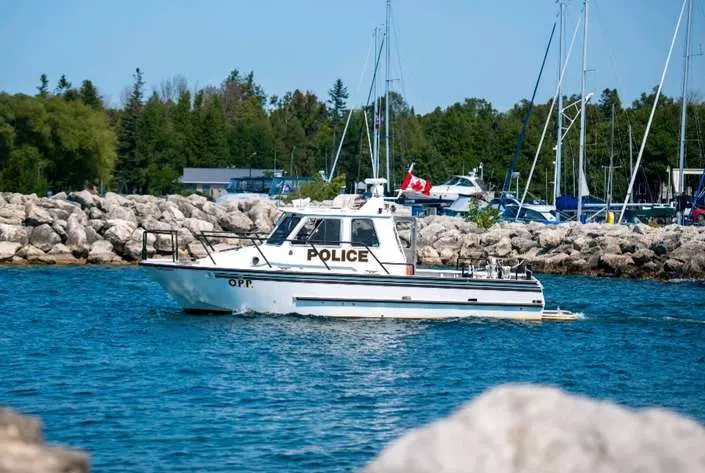
The Ontario Provincial Police (OPP) Marine Unit patrols Ontario's waterways, including Lake Simcoe. Officers enforce boating safety rules such as speed limits, life jacket requirements and impaired operation, and they respond to incidents like capsized kayaks, stranded boats and on-water emergencies. Marine OPP take their duties very seriously and allow little leeway for anyone breaking the law, especially boaters operating under the influence.
Everyone enjoys a refreshing drink now and then, especially on long summer days. But combining alcohol with operating a boat can quickly turn a fun outing into a dangerous one.
In Ontario, the legal blood alcohol limit for operating a boat is 0.08%, the same as for driving. And just like in a car, you can't have open alcohol on board unless the boat qualifies as a temporary residence. That means it must have permanent sleeping quarters, permanent cooking facilities and an installed toilet (portable toilets don't count), and it must be docked or at anchor.
OPP Marine officers can—and will—stop and search your vessel if they suspect impairment. If your boat is carrying alcohol in a way that doesn't comply with Canada's Criminal Code or Ontario's Liquor Licence and Control Act, 2019, the owner could be fined or face criminal penalties.
If you're convicted of impaired boating, you'll lose your boating privileges and your driver's licence.
Be smart. Don't drink and boat.
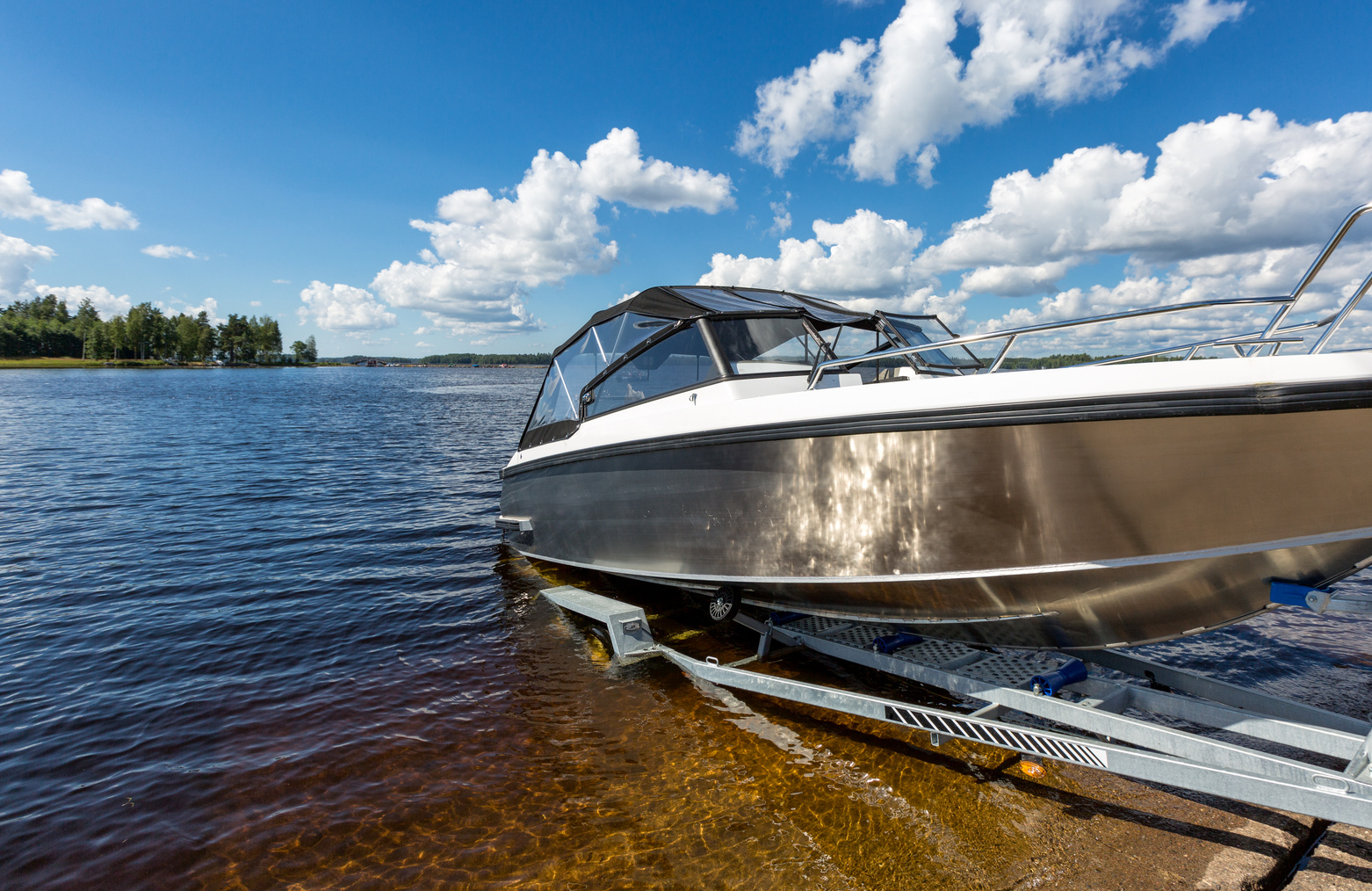
Planning your route around marinas, fuel docks and boat launches is essential, especially on a longer excursion. Lake Simcoe is dotted with marinas, from full-service hubs offering fuel, repairs and transient slips to smaller, more secluded launches perfect for a quick stop or a quiet cove. Many also offer restrooms, showers, dining and boat rentals, making them great spots for a break or an overnight stay.
Some marinas get busy on weekends and during festivals, so plan ahead and book a slip in advance if you intend to dock. Knowing where the nearest marinas and launches are also gives you peace of mind if the weather turns, something breaks down or you need an unexpected stop.
Whether you're heading to Keswick, Innisfil or Orillia, check out Lake Simcoe Marinas, a three-part guide to the lake's most popular marinas, their locations, services and amenities, and which ones best suit your type of trip. Or, follow our 3-day Lake Simcoe boating itinerary for an easy way to enjoy the area.
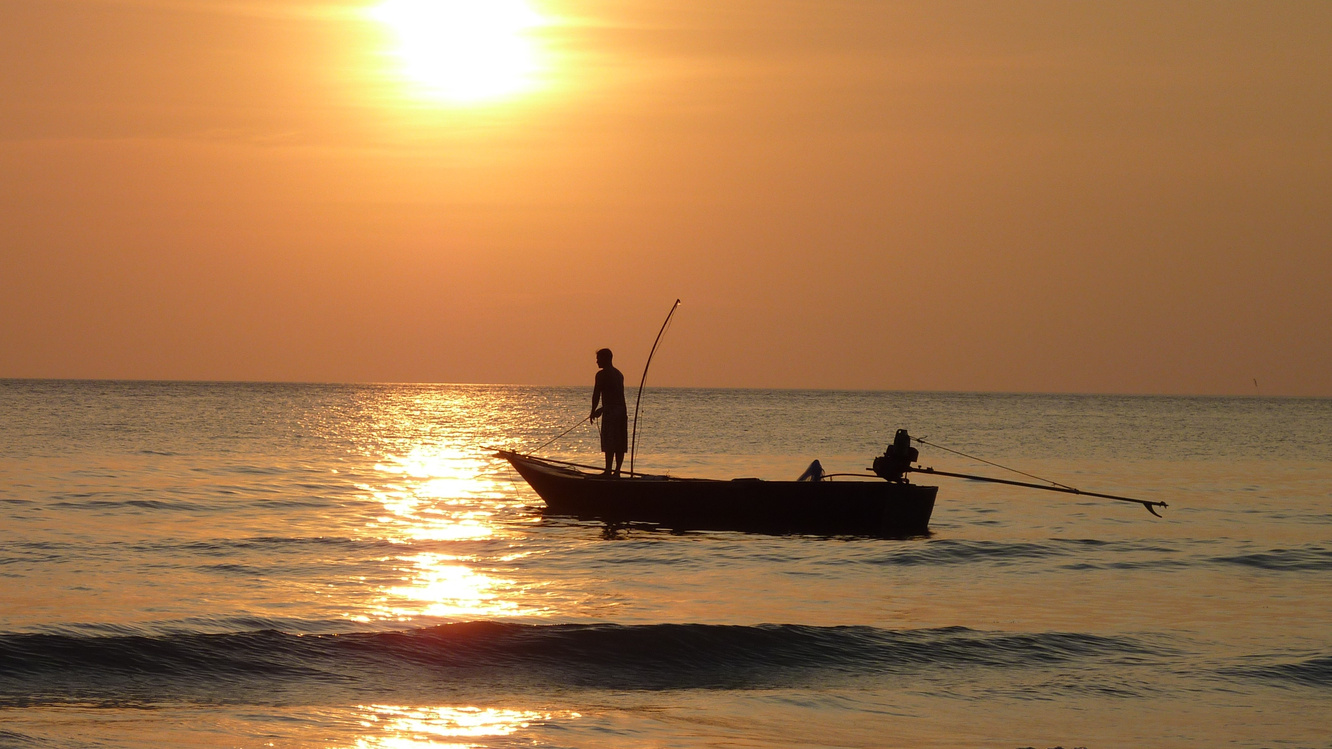
Known for healthy populations of lake trout, lake whitefish, perch, bass and pike, Lake Simcoe is regarded as one of Ontario's top freshwater fishing destinations. Whether you're trolling open water, casting from a quiet cove or trying your luck near a marina, there's almost always a productive spot nearby.
Before you cast, know the rules. Ontario sets catch limits, size restrictions and seasons to keep Lake Simcoe's ecosystem in balance so future generations can enjoy the same bounty. Always check the latest Ontario Fishing Regulations Summary before heading out.
Responsible fishing also means respecting other boaters and wildlife. Avoid disturbing natural habitats, dispose of fishing line properly, and be mindful of anchored or drifting boats nearby.
Lake Simcoe holds deep historical and cultural significance, especially for the Anishinaabe nations—the Ojibwe, Odawa and Pottawatomi, collectively known as the Three Fires Confederacy. These communities have lived in the region for centuries, relying on the lake for food, transportation and cultural practices. The lake and its surrounding lands are woven into their histories, traditions and spiritual beliefs.
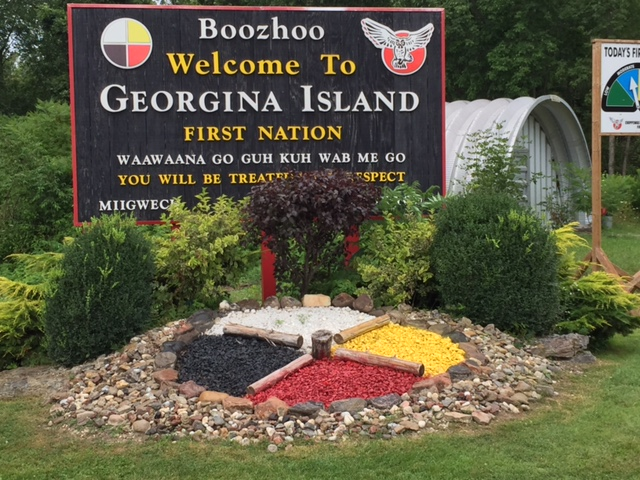
One of the most notable Indigenous communities in the area is the Chippewas of Georgina Island First Nation. Their ancestors first settled on Snake Island in Lake Simcoe in the early 1800s. Facing pressure to adopt agricultural lifestyles, they relocated to Georgina Island, where they established a permanent community. Their connection to the land and water remains strong today. The First Nation's lands include Georgina, Snake and Fox Islands, and Georgina Island is a private residential community.
For boaters, that means treating the lake and its shores with respect. Disturbing shoreline areas, trespassing on Indigenous lands or disrupting culturally sensitive sites not only violates regulations but also disrespects centuries of tradition and stewardship. Follow posted guidelines, ask permission before going ashore on Indigenous lands, and take time to learn about the lake's cultural heritage.
Boating on Lake Simcoe offers an unforgettable mix of natural beauty, abundant wildlife and rich history, from the scenic bays near Barrie and Innisfil to the quieter coves near Orillia. The lake rewards preparation and respect. Monitor the weather, carry the right gear, watch for hazards and plan your route around marinas and launch points, and every outing can become a rewarding adventure on one of Ontario's most iconic waterways.
Lake Simcoe is manageable for first-timers, but weather can change quickly and turn calm water rough and choppy. Shallows, sandbars and submerged rocks are also common near shorelines and in coves.
Surface water warms through the summer, but the deep water below about 13 to 20 metres stays cold from June through September. Cold-water shock is a risk for anyone who falls in.
Only if the boat has permanent sleeping, cooking and toilet facilities and is docked or at anchor. The operator's legal blood alcohol limit is 0.08%, and an impaired-operation conviction also costs you your driver's licence.
The OPP Marine Unit patrols the lake, enforcing speed limits, life jacket requirements and impaired-operation laws, and responding to on-water emergencies.
Yes, if your boat has a motor. Anyone operating a motorized boat in Ontario needs a Pleasure Craft Operator Card (PCOC) or other proof of competency, regardless of age, boat size or horsepower. Destination Ontario explains how to get one.
Popular hotspots include Kempenfelt Bay, the Innisfil Beach area and the northern channels toward Lake Couchiching.
Georgina, Snake and Fox Islands are lands of the Chippewas of Georgina Island First Nation, and Georgina Island is a private residential community. Follow posted guidelines and ask permission before going ashore on Indigenous lands.