
Hit The Hard Rock Cafe
Ice fishing for jumbo perch and crappies in Northern Ontario.
By Gord Pyzer



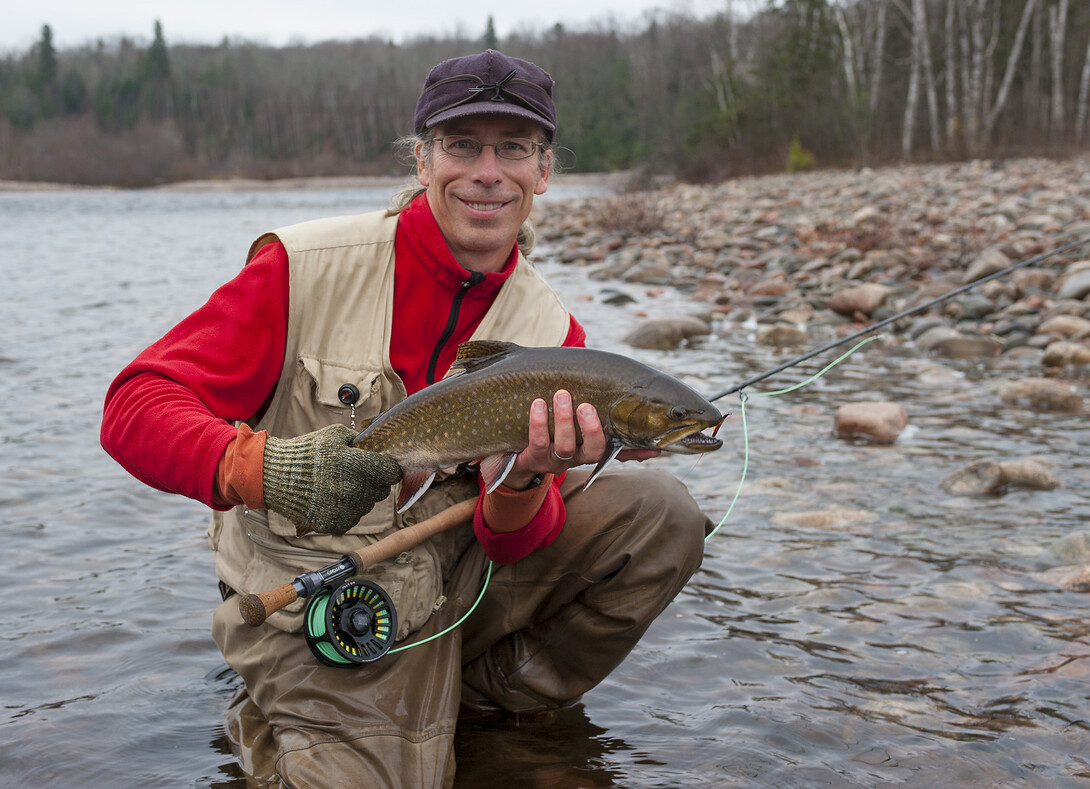
Catching our first few fish on a fly is what seals the deal. Learning to cast, finding waters with good potential, and deceiving fish with a delicate lure of fur and feathers is a truly rewarding experience and one that can truly turn the head of the susceptible.
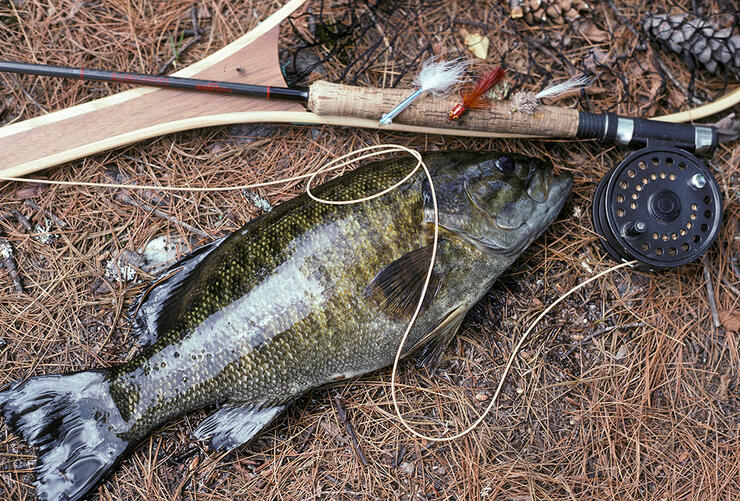
One of the beautiful things about angling is there’s always more to learn and fly fishing is no exception. In fact, there are a dizzying number of techniques, gear and knowledge swirling around the fly fishing sphere that can help us to fine tune our presentation and catch more fish. Here are a few to get us started:
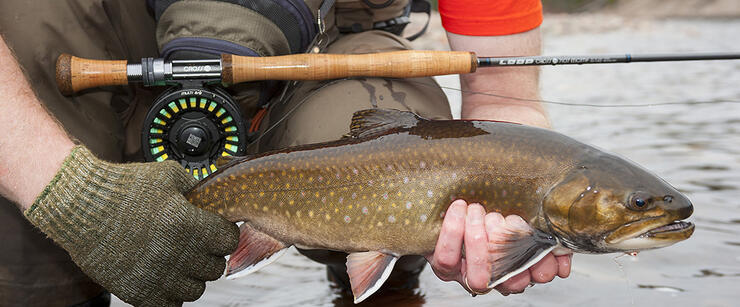
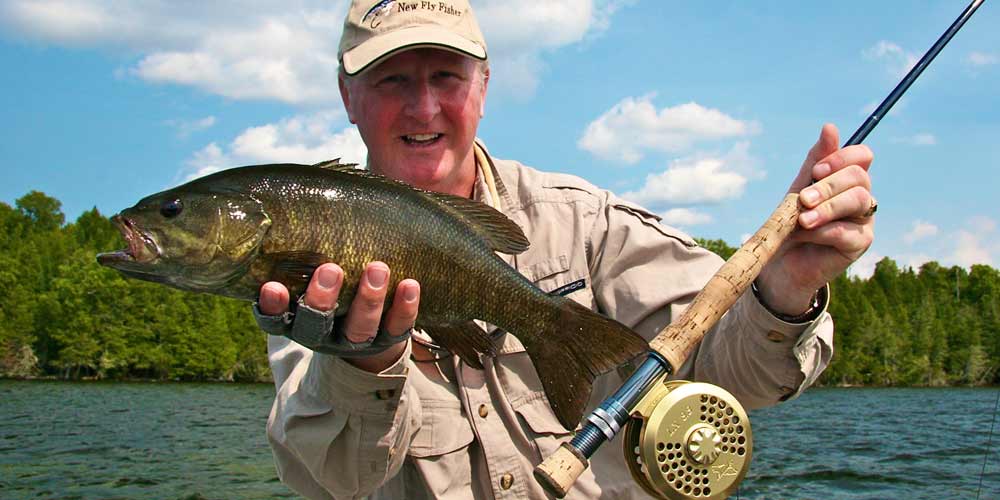
The type of fish we are targeting should dictate the weight of the rod and fly line we are using. Casting small light flies to 12-inch creek trout will be much more effective and fulfilling with a five-weight rod and line. If we target smallmouth bass then a six or seven-weight rod and line would be more appropriate. Larger game fish like salmon, pike and muskie, who attack larger flies and fight with a ferocity that corresponds to their size, might demand an 8- to 10-weight rod and line. Like any sport, there is always something to buy, but tailoring our acquisitions to the fish we’re targeting enhances enjoyment and success.
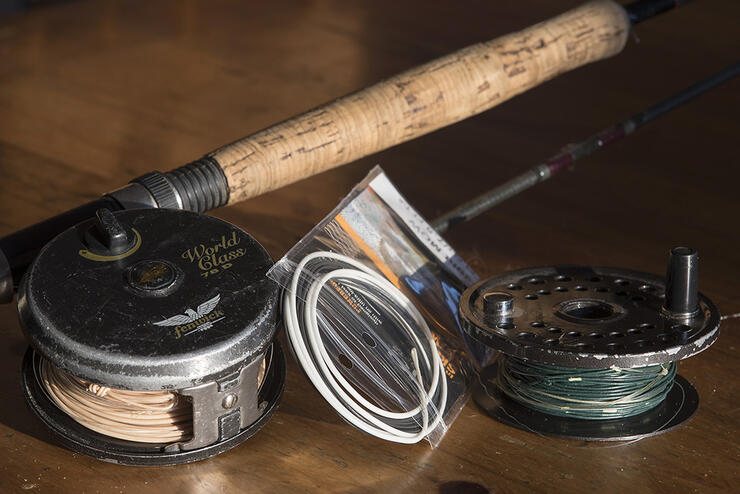
I generally take two rods with me when fly fishing. One is rigged with a full floating line and great for fishing dry flies on surface and wet flies just below surface, but when the fish are down a little deeper I switch to a rod with a sink tip line to quickly get my fly down. We don’t need two rods provided we have an extra spool for our reel rigged with a sink tip line, or we can simply tie a sinking tip to our floating line. Flies sink faster and deeper with a sink tip making it a much more efficient way to work various depths of a lake when the surface action is nil or marginal. Sink tips are also effective in rivers, drawing the fly down quickly before being swept out of the pool or run by strong current.
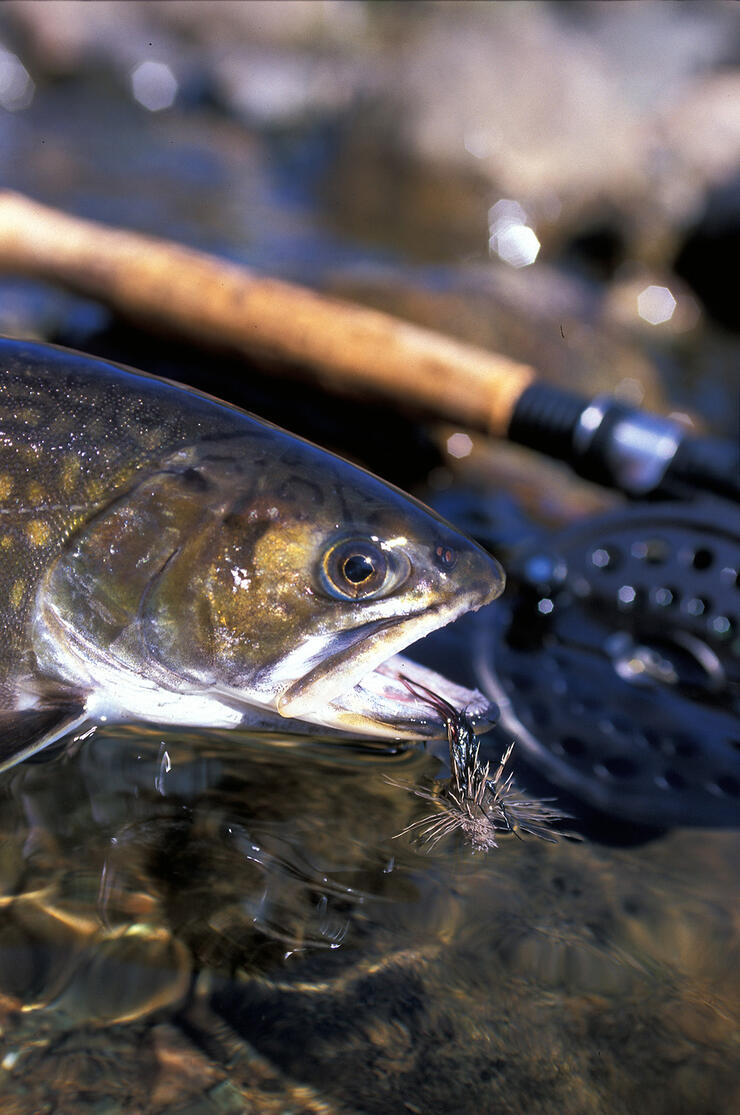
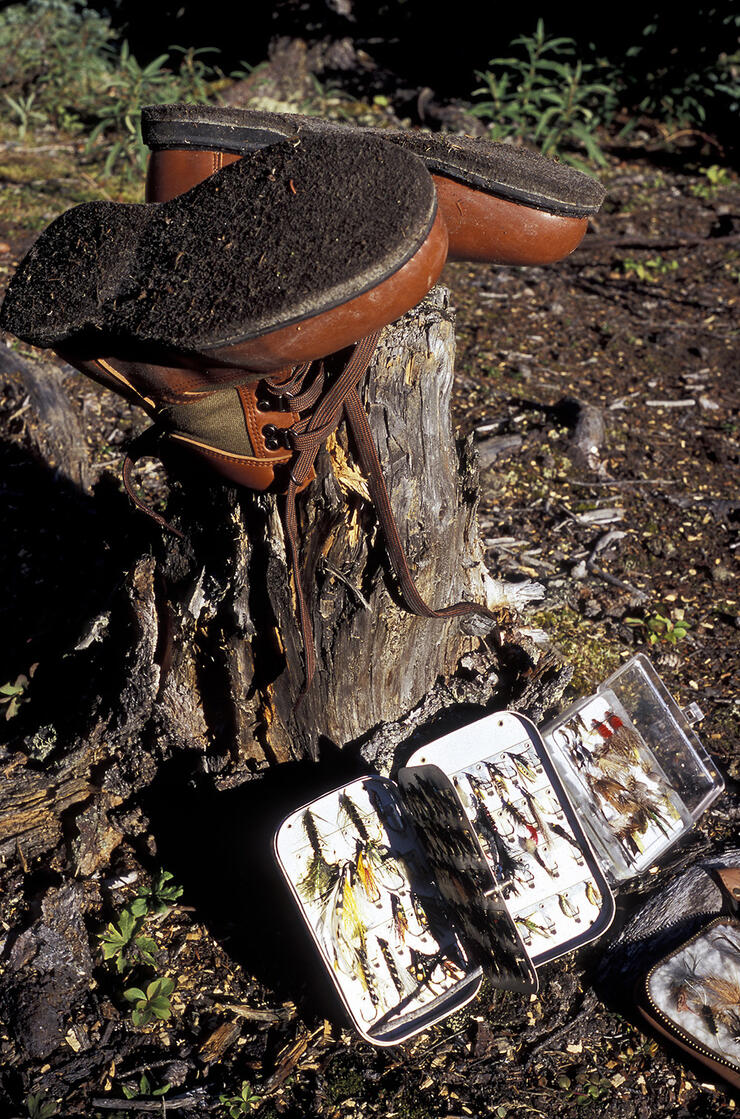
Choosing what fly to use can be tough but look for hints along streams and in shoreline shallows by turning over rocks to see what creatures might be found. We’ll find things like leeches, minnows, crayfish, scuds and nymphs. Watch the water’s surface for hatching insects and look in trees and shoreline shrubs to see what has landed or is flying around. Looking in our fly box for something that looks similar to the available food is a good place to start. If we don’t have any flies that represent the food the fish are eating, then we’d better get some.
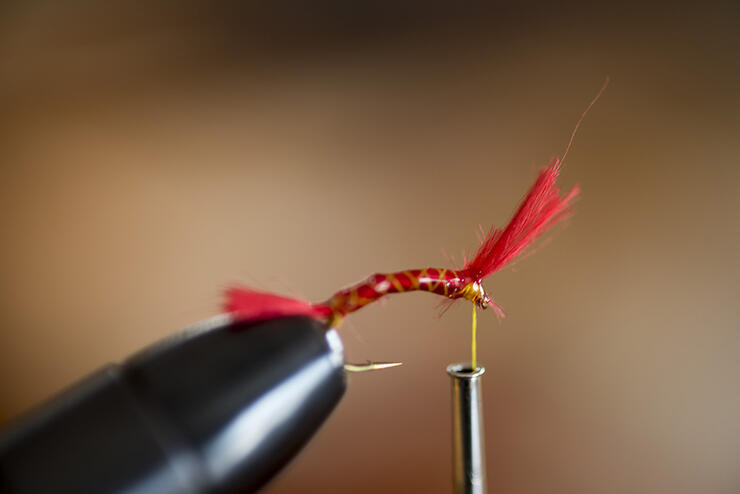

Once we gain confidence on how, where and when to catch fish, try taking some of our own hand-tied creations to our favourite water. There are loads of articles, books and videos on fly tying and the gear and materials needed are widely available. We can even scrounge our own tying materials like grouse feathers, deer and moose hair and squirrel tail. I’ve even used the hair from my dog to tie flies that have worked quite well. It’s rewarding indeed to catch a trout on a fly we’ve tied ourselves.
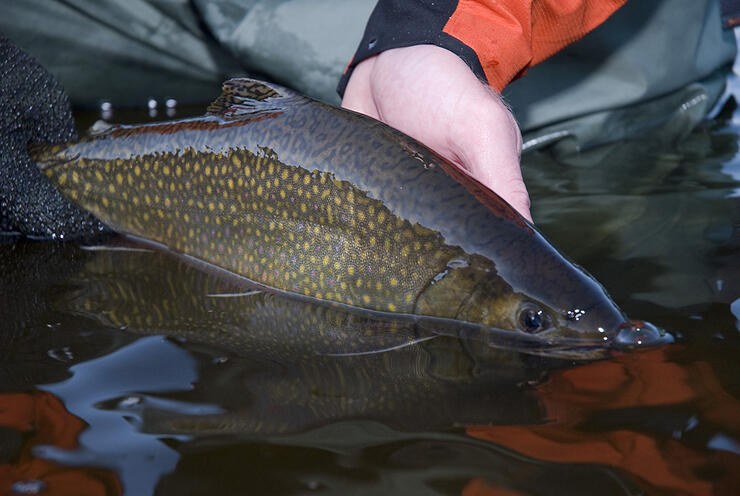
Once a sleek rainbow or corpulent brook trout has done us the service of arcing through the air to crash down on our fly or dart up from the depths to inhale our minnow imitation, slipping the creature back into the water is a great way to ensure we can return again to experience more of the same. As we get better and better at fly fishing, releasing most of what we catch will become a necessity.