
Top 5 Baits for Smallmouth and Largemouth Bass
What baits do you use to target bass? Find out why these 5 are the best!
By Ron James






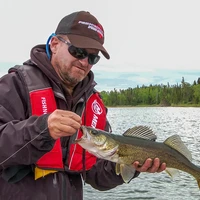

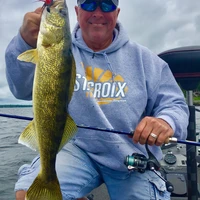



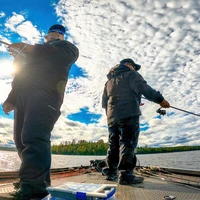


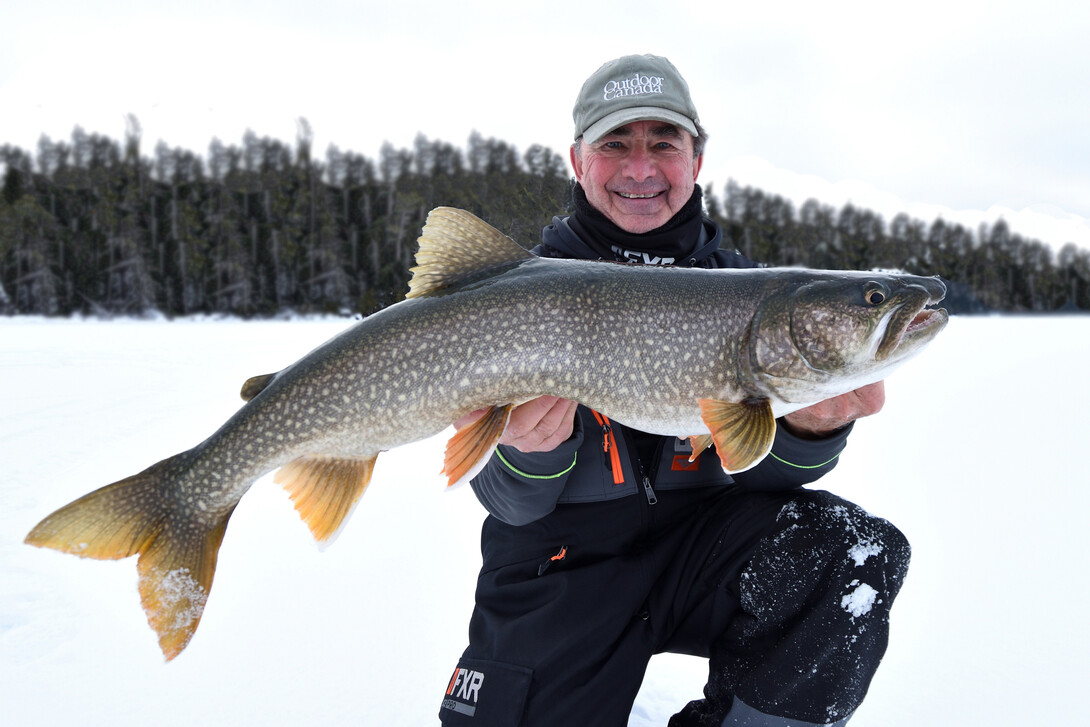
One of the things you learn as a smallmouth angler is how bass will spit out the food and empty its stomach when you hook it. It allows the fish—physiologically speaking—to fight better on an empty stomach. Imagine a heavyweight boxer entering the ring immediately after dining out at an all-you-can-eat buffet. I know, it is not a pretty thought.
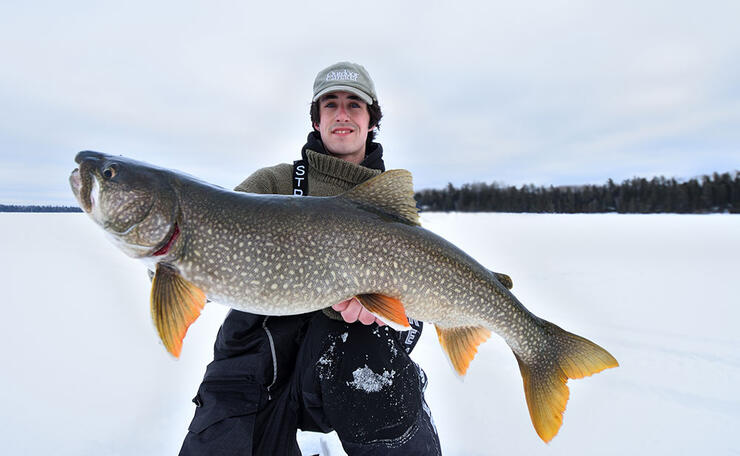
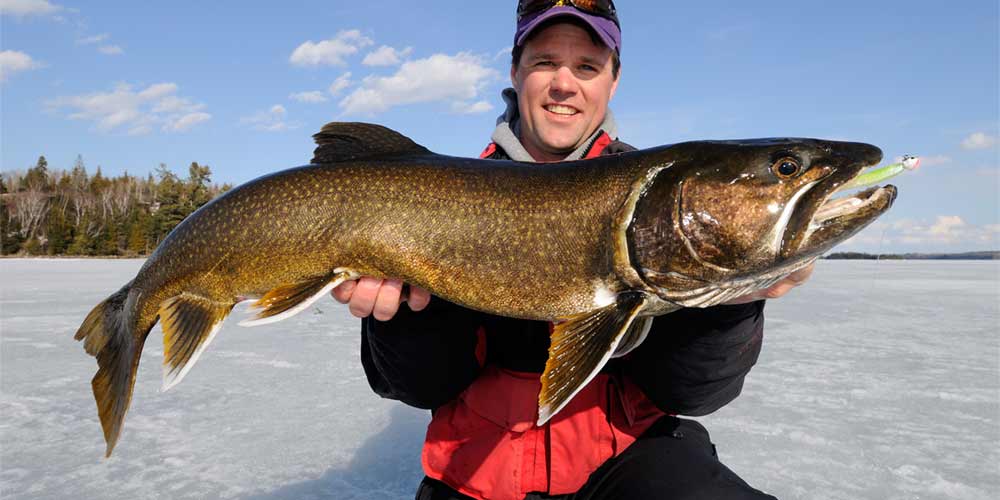
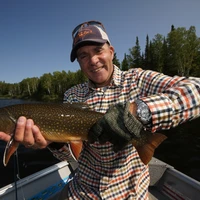
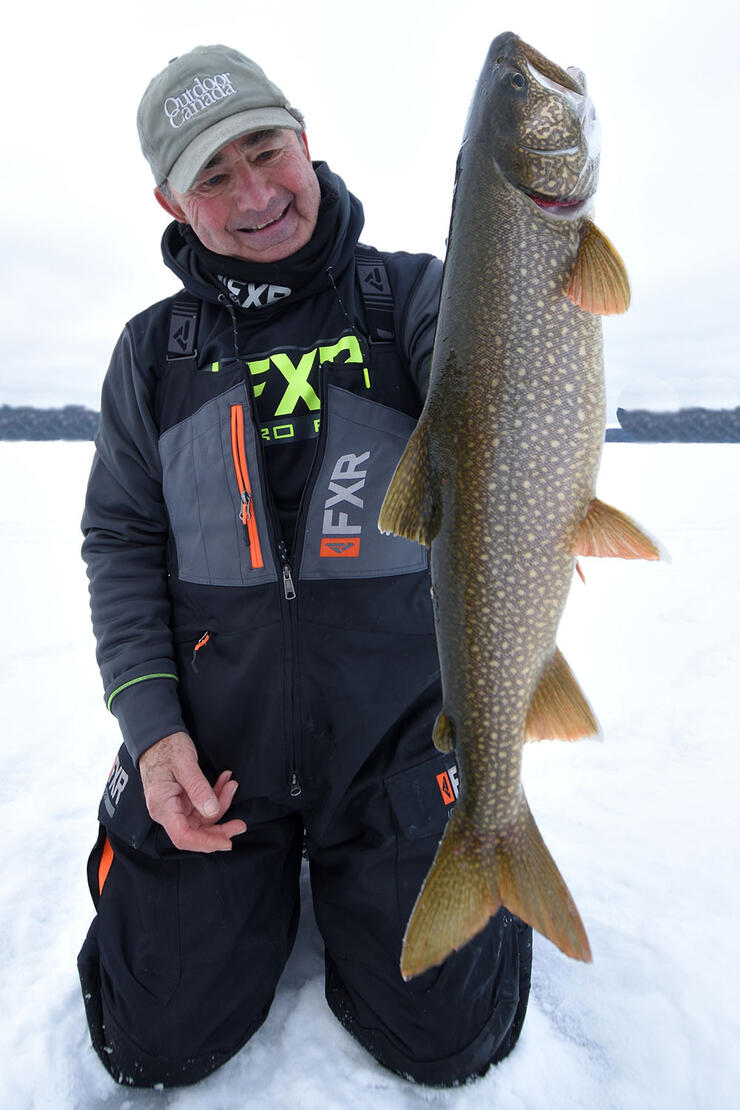
Just like smallmouth bass, lake trout will often follow a fish you hook and try to take the bait from its mouth.
As the smallmouth regurgitates its food, however, it quickly attracts another bass that swoops in to gobble up the free meal floating in the water column. It is such a frenzy—you’ll often spot four, five, or six bass following a hooked fish—that if someone throws in a lure and lets it settle, one of the freeloaders will mistake it for a coughed-up morsel and you’ll hook the fish, resulting in a doubleheader. Or better.
I will never forget the time I hooked a nice smallmouth in the Kenora Bass International Tournament and as I was fighting it, my partner, Wayne Izumi spotted several other nice fish following close behind. Wayne quickly grabbed his tube jig rod and lobbed it into the madness. Then, I landed my fish while Wayne kept his bass in the water as a decoy. I quickly dropped in a second lure, hooked another follower and used it as a decoy, too, while Wayne netted his bass and dropped his jig back into the water. In less than a minute, we put four fat smallmouth bass into the live well. Talk about a feeding frenzy.
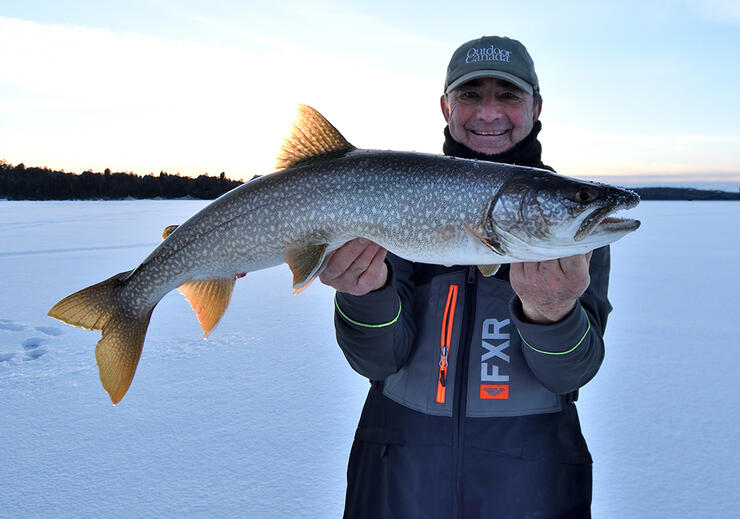
What it highlights and what many Northern Ontario ice anglers don’t realize is that lake trout exhibit the very same tendency. I say tendency because lake trout don’t school together in the same numbers or as tightly as bass. Nor do they regurgitate dinner. Still, when you hook a lake trout, it is very common to see one or two other fish trying to steal the bait from its mouth. I watched two of the biggest lake trout I have ever seen — both fish over forty pounds — try to abscond with the Bondy Bait one time and the Williams Whitefish spoon another time from the lips of the hooked trout we were in the process of landing.
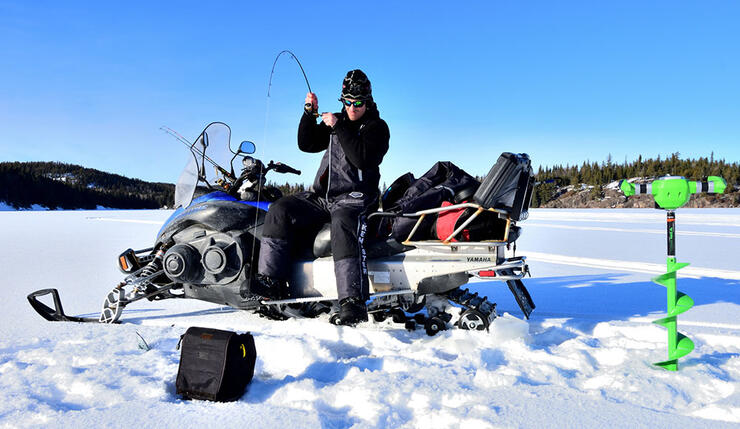
Unfortunately, in the winter, we’re typically fishing in small eight-to-ten-inch holes we’ve drilled in the ice. And the surface of the lake is usually covered with snow, so it is impossible to look around and spot any followers. You can often see them on your sonar screen, but the first thing we typically do when we hook a nice trout is to remove the transducer from the water so we don’t snag the cable with our lure while we’re fighting the fish. Any trailing trout, therefore, goes unnoticed.
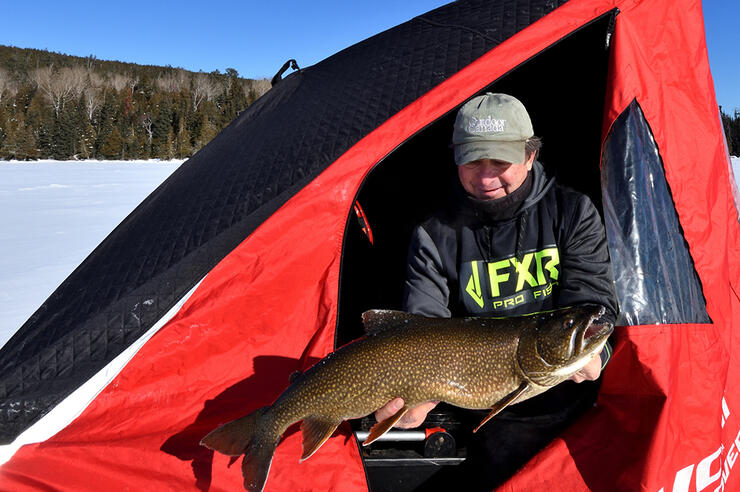
Ironically, too, when we finally land a gorgeous lake trout (Northern Ontario, by the way, has a disproportionate number of the world’s lake trout lakes), we gather around the lucky angler, exchange high fives and take a few images with our cameras before quickly releasing the trophy. The whole time this is happening, of course, any following trout are below our boots, scratching their heads, wondering where their buddy went and drifting away to other parts of the lake. So, what is a Northern Ontario lake trout aficionado to do?

Well, the next time your friend hooks a nice fish, by all means, run over to the hole to help them land it, but bring your ice rod with you. And the minute the hooked trout hits the ice, drop your lure down the hole. I can’t tell you how many times I have felt another trout demolish my lure before it has barely cleared the bottom of the ice. It is double-trouble lake trout fishing in Northern Ontario that is twice the fun.