3 Great Ontario Walleye Destinations
Karl of Extreme Angler recommends must do walleye lakes in Ontario.
By Karl Kalonka


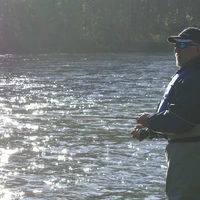


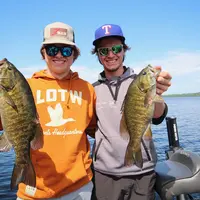


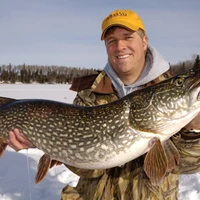




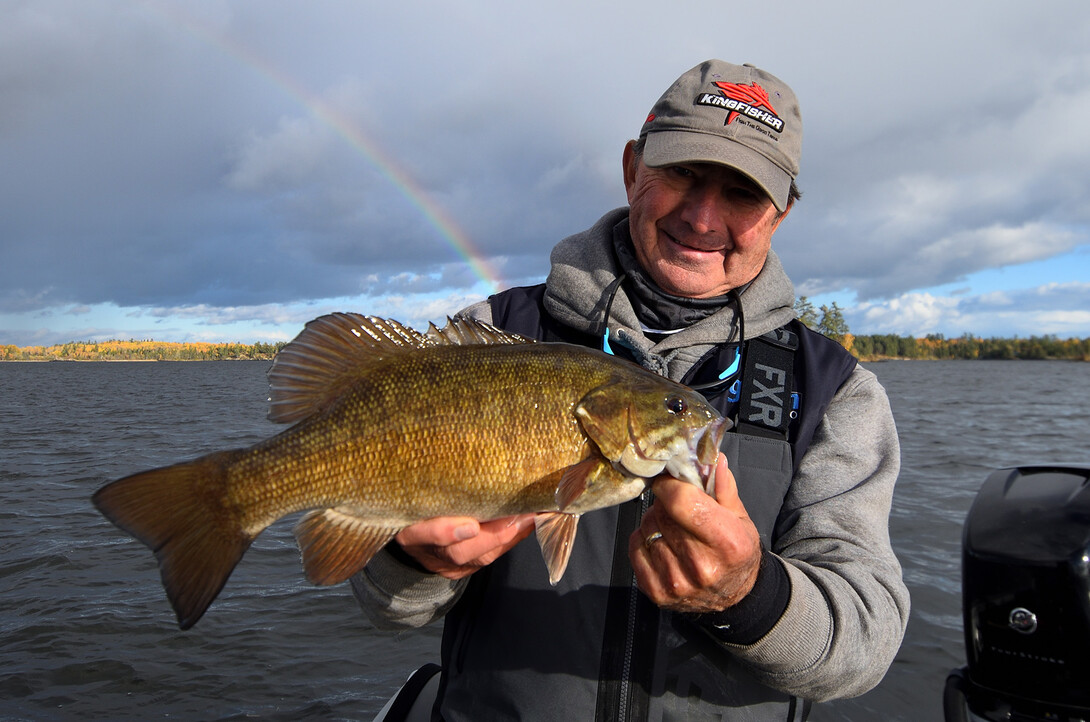
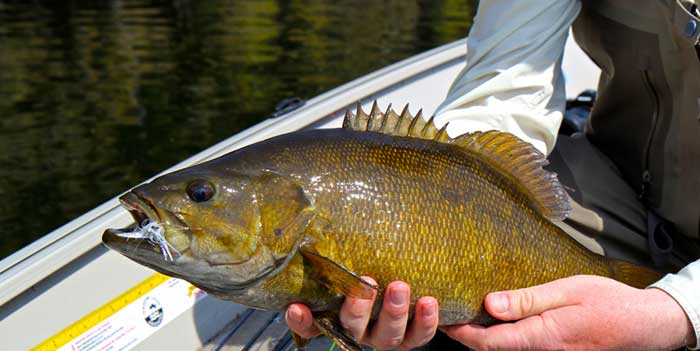
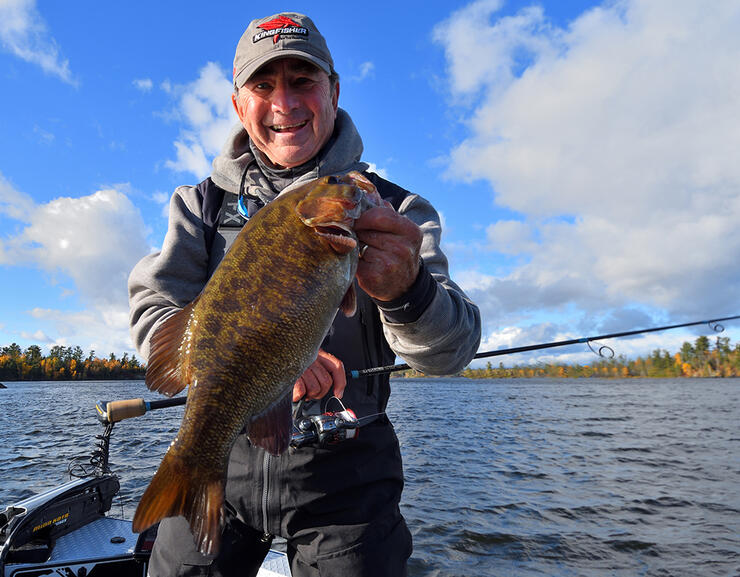
Do not even think about putting the boat away for the season. The fall feeding frenzy is getting underway across Northern Ontario. As a matter of fact, I was out fishing the other day and the action was unbelievable. I didn't move the boat more than a cast or two over a delirious hour and landed between 35 and 40 sassy smallmouth bass. At the end of the session, I was black and blue having pinched myself so many times to make sure I wasn't dreaming.
By pure coincidence, I happened to present my Fish Talk With The Doc segment on FISH 'N CANADA LIVE the evening prior and host Angelo Viola had asked me a superbly pertinent question. Shouldn't we spend as much, or more time thinking about the food the fish are eating, as the top predators themselves?
I had to laugh when I thought about Ang's question while I was fighting a gorgeous four-pound smallmouth because it spits a six-inch long silvery ciscoe at me that it had just swallowed. But it highlighted the point beautifully - when you understand what the baitfish are doing, they will typically lead you straight to the walleye, bass, northern pike and muskies that are eating them.
Indeed, as most anglers know, during these cooling days of autumn the fish are gaining the most energy possible to survive the upcoming winter starvation period. It is why I caught so many bass without barely moving the boat. They were grouped up in large numbers, so they could efficiently and effectively achieve their nutritional demands by hunting as a pack, mauling schools of ciscoes, without wasting calories.
But here is also Ang's point: there are several varieties of ciscoes (herring, tulibees, call them what you will) across Northern Ontario and the baitfish react quite differently in different waters, usually in response to specific environmental conditions like water clarity, water temperatures and overall water depths.
The key point to remember, however, is that the soft silvery baitfish are very temperature conscious. Locate the thermocline in the summer months, for example, where water temperature typically falls one degree Fahrenheit per foot of depth, and you’ll generally find the ciscoes. It is why some biologists refer to the thermocline as the ciscoe layer.
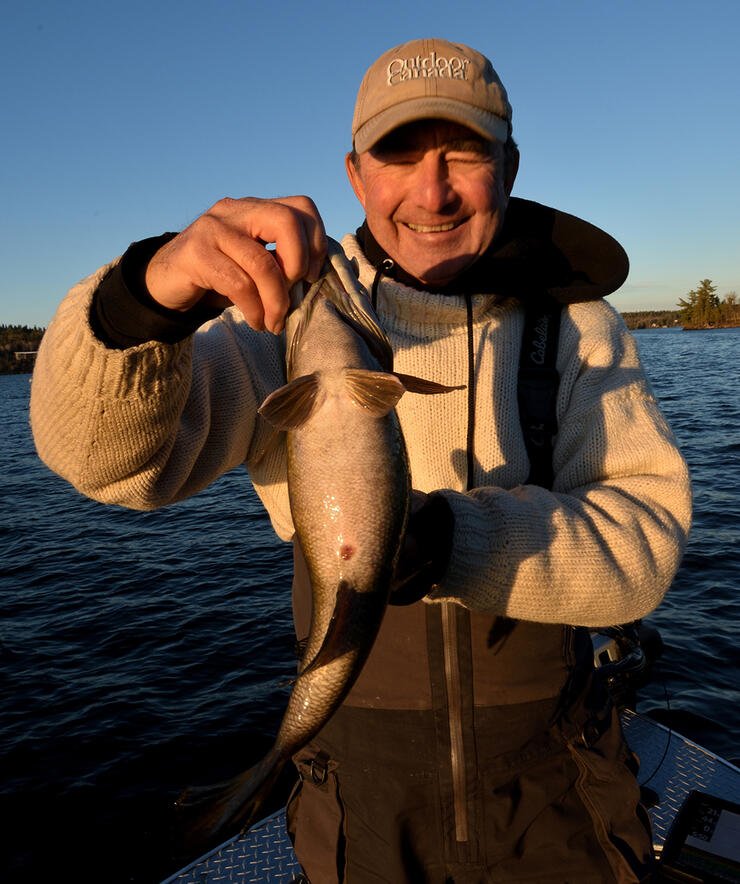
Something else to keep in mind is that ciscoes are typically pelagic. As a general rule, they’re constantly roaming the open water in schools, as opposed to setting up shop and living beside a specific piece of structure. This doesn't mean that structures (points, bars, shoals and reefs) aren’t important for catching the bass, walleye, pike and muskies that feed on the baitfish, however, because they are critical. But you need to find the ones - the seasonal structures - that best intercept the wandering prey.
In the summer, for example, when you find the thermocline at, say, 28 feet deep, the best structures will typically top out around this same depth or at least have plenty of portions at, or below, the level. In other words, a reef that rises up out of 20 feet of water and tops out at 8 or 10 feet will likely not be as productive as a similar shoal that rises up from 30, 40 or 50 feet of water. The latter is much more likely to be in the path of the ciscoes, and therefore, much more likely to block, obstruct or impede their progress.
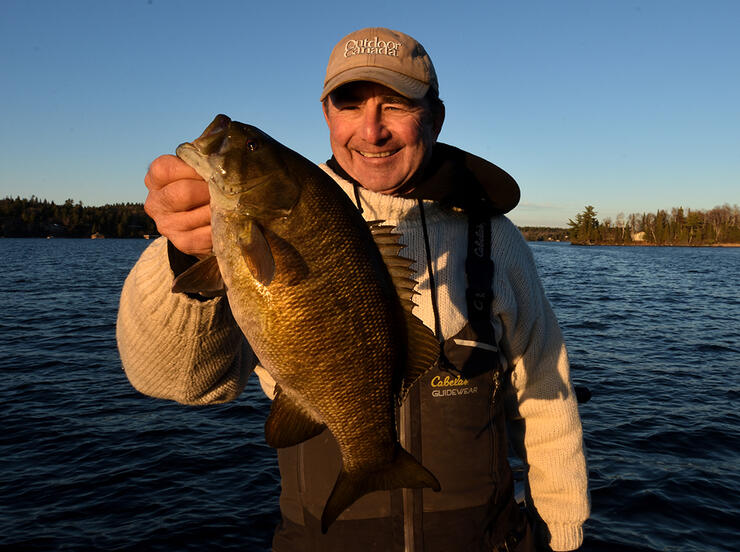
It is important to remember, too, that ciscoes spawn in the fall, in another month or so, on shallow gravel shorelines and shoals. So, as the water temperature continues to fall, we'll find the baitfish rising up even higher in the water column and moving shallower. Current also attracts ciscoes at this time of the year, so channels and necked-down areas through which the wind is blowing will often point you to the best fall fishing locations.
What it all means, of course, is that you need to charge up the trolling motor batteries, fill up the boat with gas and pour some hot tea, coffee or chocolate into your thermos. And when you launch on your favourite Northern Ontario lake, you need to scan your sonar for roaming schools of forage, because when you find the food, you will find the fish.