Winter Fish Scents
How to Use Fish Scents When Ice Fishing
By Gord Pyzer









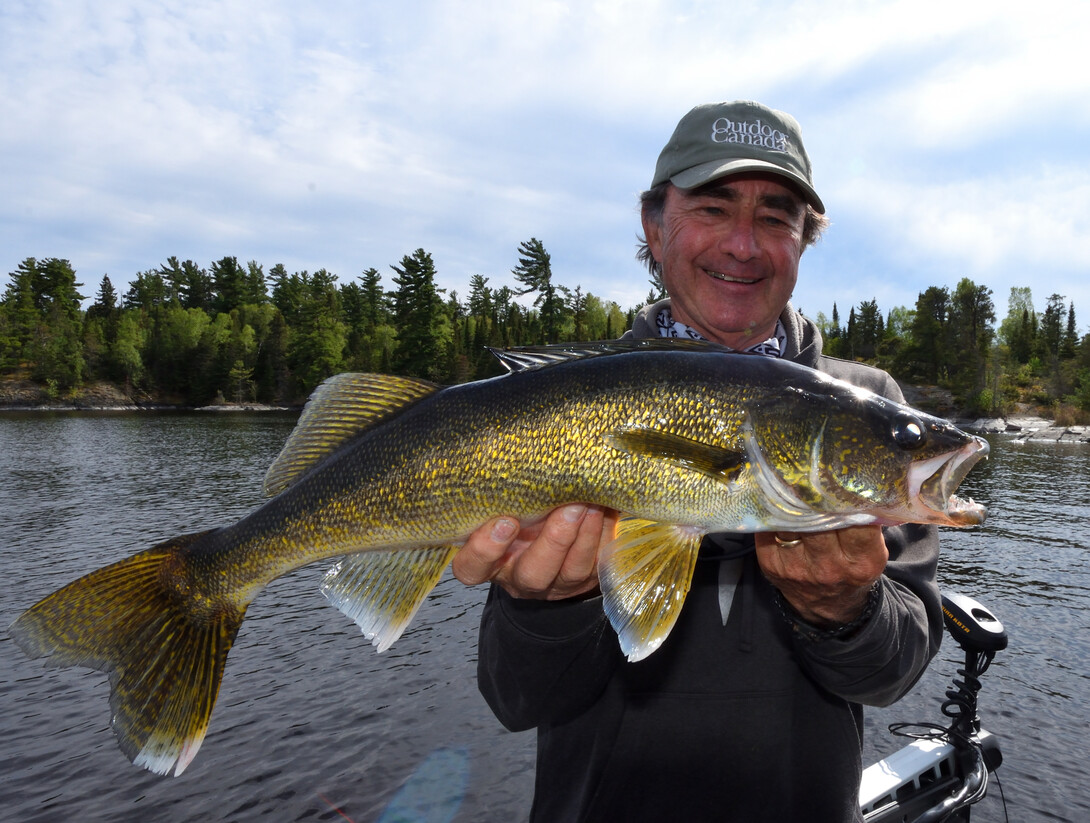
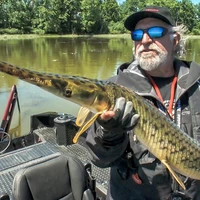
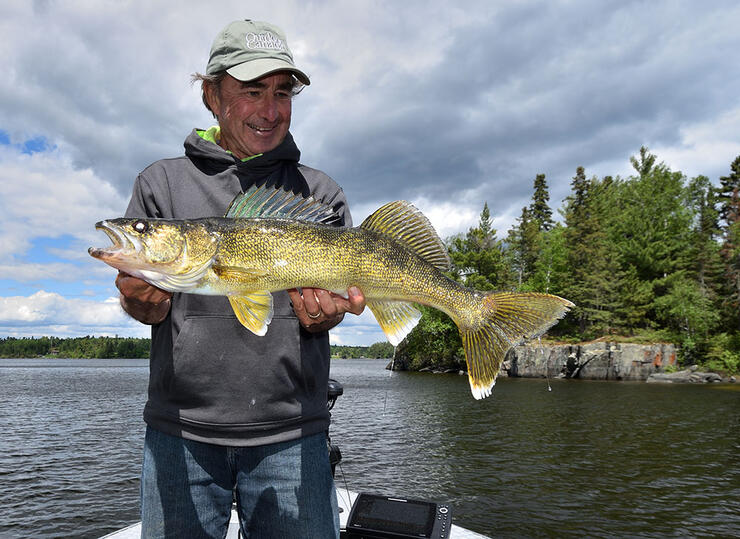
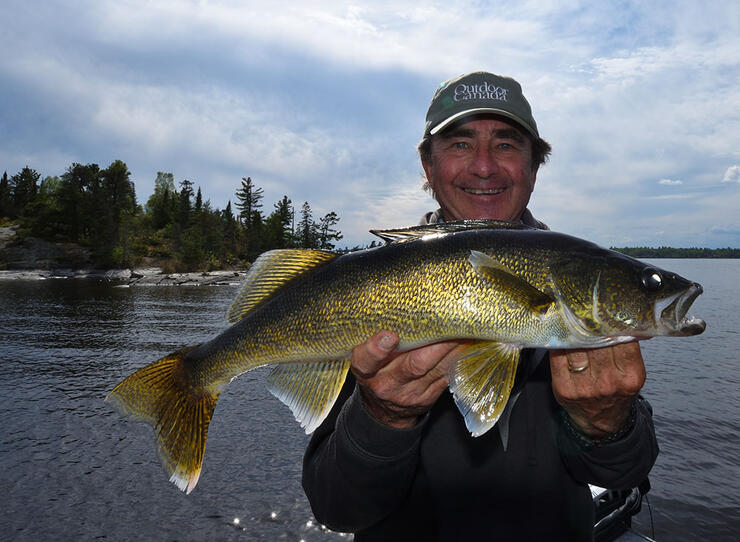
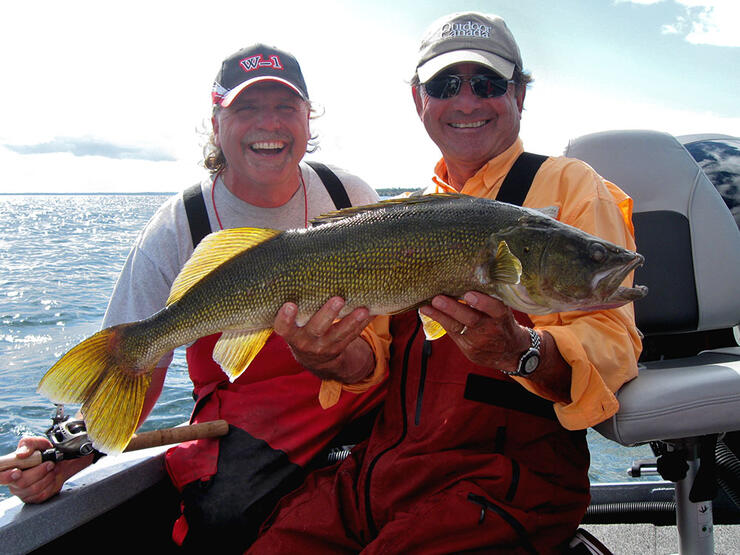
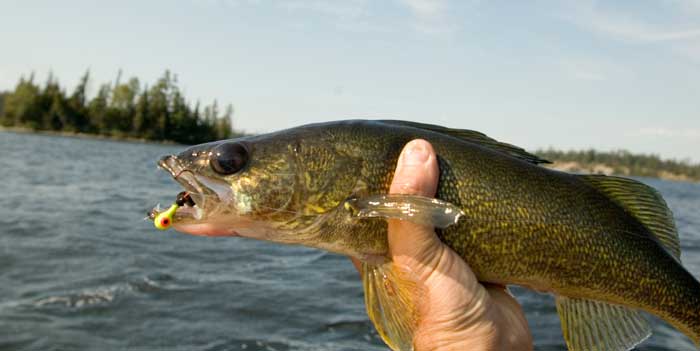
I caught a gorgeous 28 1/2-inch walleye while fishing in Lake of the Woods, but I was alone at the time and had forgotten to bring the EZ-Cam post on which to mount the camera to snap a selfie. I know what you are thinking–it doesn't count unless you have photographic evidence! I swear, though, I carefully released the plump female to swim away and make more baby walleyes.
The most incredible part of this story is that I caught the walleye almost one year to the day that I landed an almost identical walleye, at the exact same spot. It's a small shoreline shelf no bigger than your dining room table. Was it the same fish? And get this–both times the walleye were swimming in water so shallow I don't know how they kept their dorsal fins below the surface and not waving above it like sails. I mean, it wasn't a foot deep.
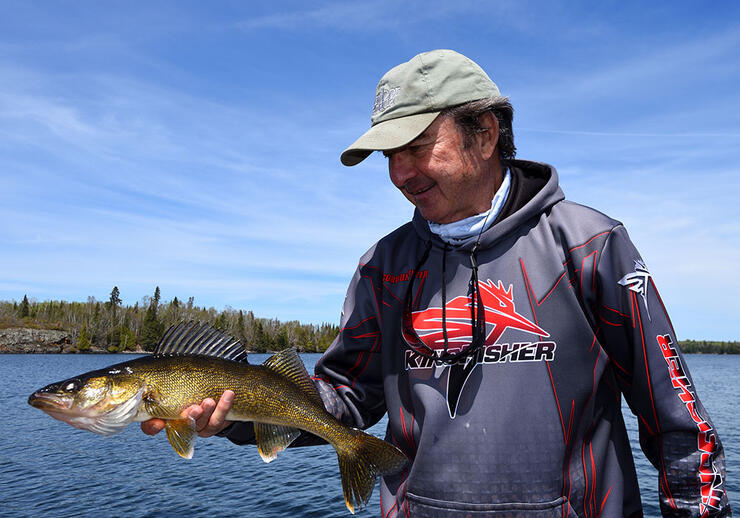
It's so ironic, too, because many walleye anglers who visit Northern Ontario each season think the fish are always in at least moderate, ten-foot or deeper depths. And when the weather warms up or a cold front passes through, slowing down the fishing, the common consensus is that you need to move out to even deeper water in order to stay on the fish. But more often than not, I have found the opposite strategy is much better. Especially when I am looking to catch bigger fish.
One reason walleye will push up into extremely shallow water is that, like most fish–tuna being an exception–they are poikilothermic or cold-blooded. This means that their internal body temperature is generally the same as the temperature of the water in which they are swimming, and allows them to function over a range of temperatures that would kill us.
In the late fall and winter, for example, when the water temperature is a frigid 4° C / 40° F, that is the internal body temperature of the fish. But the other day, when I was catching the walleye, the temperature up in the shallow water ranged from a balmy 18 °C / 64° F to 20°C / 68° F, the optimal range within which walleyes flourish.
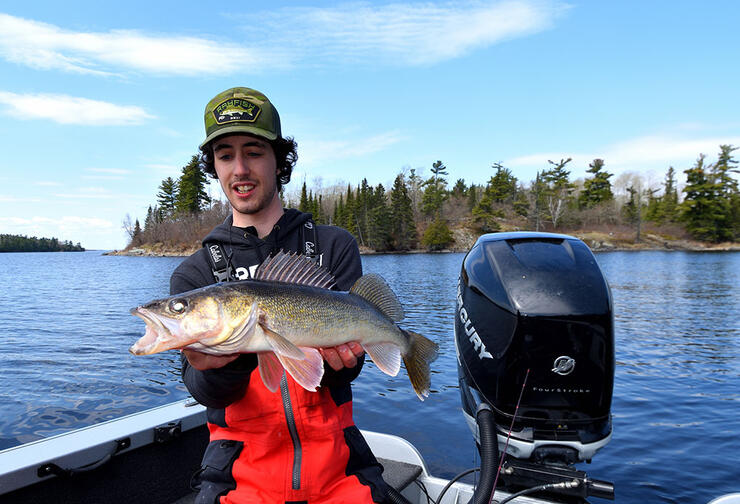
Even more importantly, however, the shallow littoral zone is where sunlight penetrates and most aquatic life and activity are concentrated. As a matter of fact, I watched pods of crayfish scurry between the rocks and boulders when I spooked them as I used the electric trolling motor to slowly cruise along the shoreline. I also spotted large schools of tiny fry–likely recently hatched ciscoes, shiners, and yellow perch. So, not only was the water temperature ideal for the walleye, but the vast majority of the food was also crammed into the knee-to-waist deep zone. And it will stay this way throughout the summer months, when the air and water temperatures increase even further.
That's the reason I love it when we get a steady breeze blowing from one direction for a day or two in July and August, producing the perfect "walleye chop." The breeze breaks up the surface film, creating dim light conditions, even during the daytime, allowing the fish to flood the restaurant zone.
But I can read your mind. Doesn't the water temperature eventually rise and slip above the optimal range for walleye in mid-summer in most Northern Ontario lakes? Only slightly and nothing like it does in more southern latitudes.
Remember, too, that if you are prone like I am to watch your sonar / chartplotter spew out the water temperature, it is only reading the warmest top couple of inches. Down four, five or six feet (as you know if you have ever jumped off the boat and gone for a swim), the temperature around your toes is much cooler than it is around your nose.
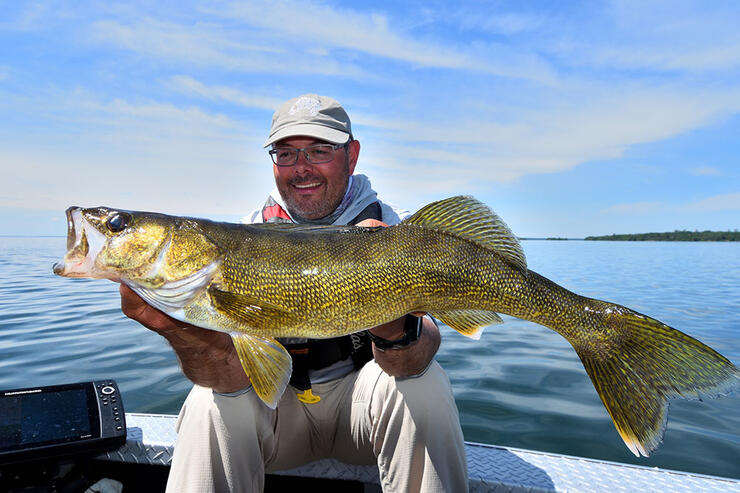
The other way I like to think of this shallow-water walleye phenomenon is to consider how we behave when it is time to eat. Our house may be air-conditioned or pleasant in the summer with the windows open, but when the chicken, ribs or steak are ready, we'll sit down at the kitchen table and devour it, without worrying in the least that the temperature in there has increased because we turned on the oven or broiler.
It's the same with the schools of walleye swimming in our favourite Northern Ontario lakes and rivers. When the dinner bell rings, they come running, which is why you should think about moving shallower, and not always deeper, to catch more and bigger fish. Oh, yes, and don't forget the camera.