Eating Northern Pike
The Best Recipe to Cook This Fish
By Gord Pyzer

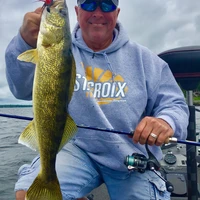

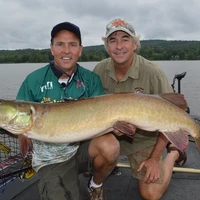
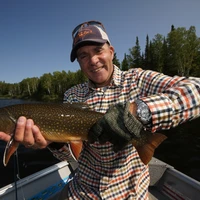


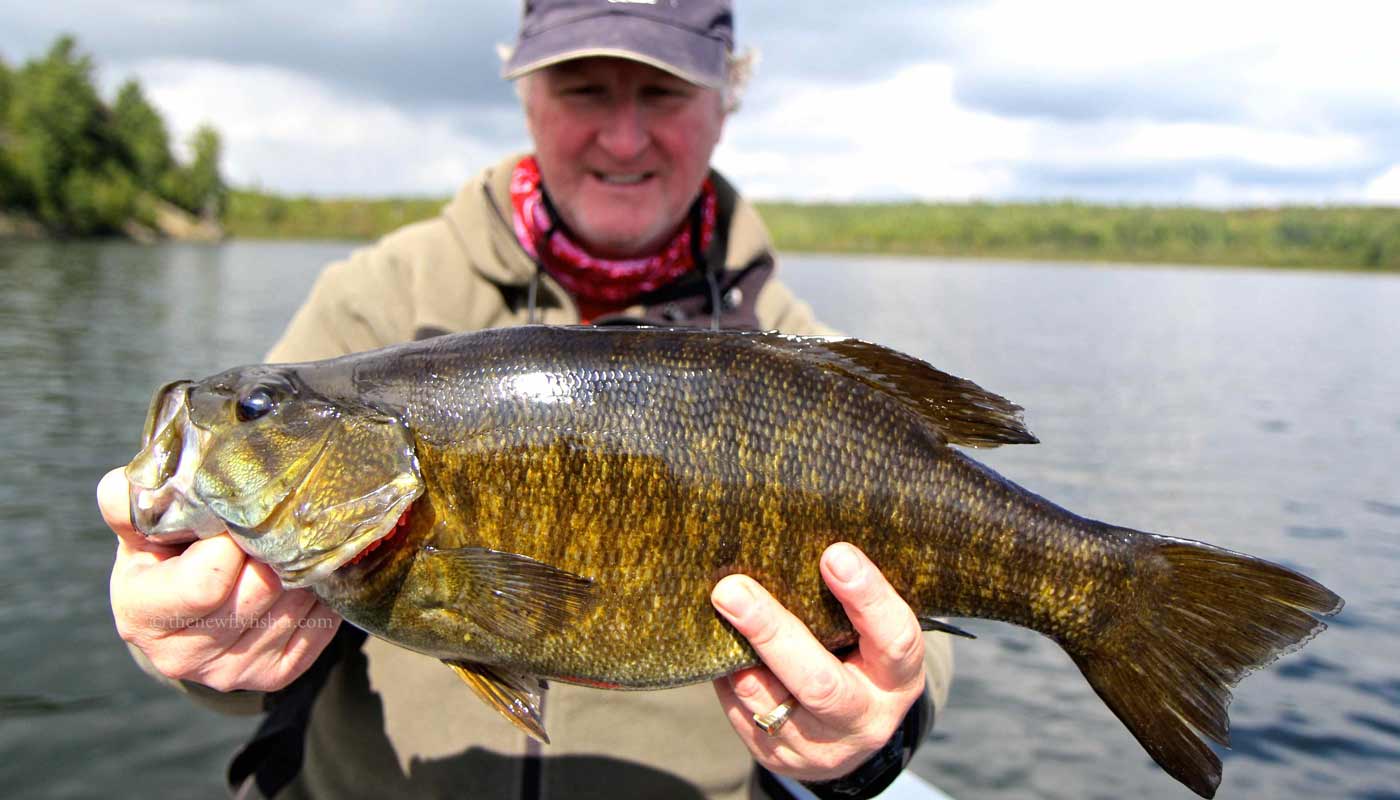
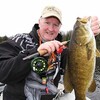
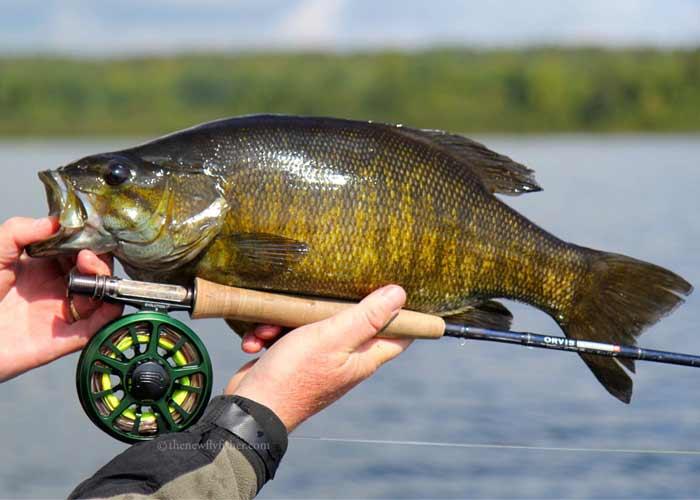
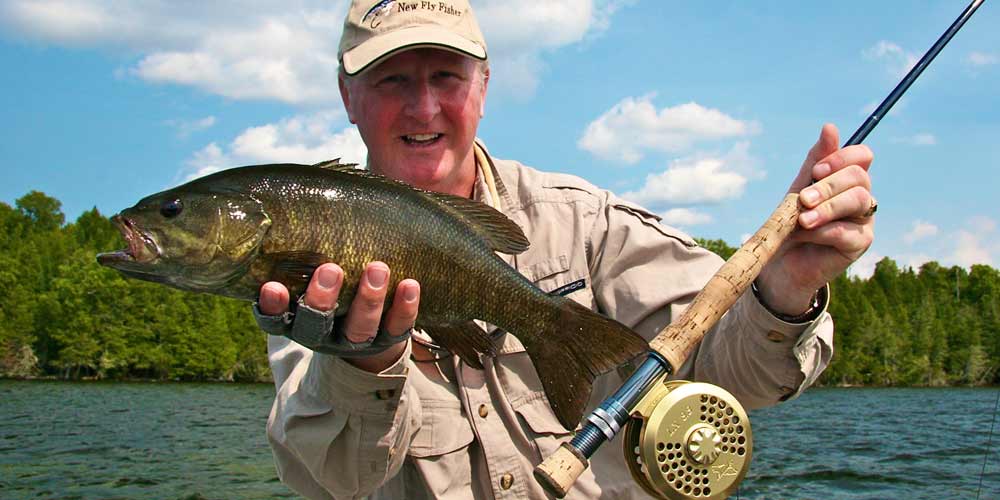
There is something almost magical about watching a large smallmouth bass inhale your popper off the surface. Sometimes they gently sip it down, but often they explosively hammer your offering. It's all part of why catching bass on a topwater fly is so much fun! In Northern Ontario, the smallmouth bass are huge and numerous, so imagine the fun of catching them on poppers!
Here are some of my time-proven techniques for triggering smallmouth to take a topwater popper.
A common mistake made by many anglers is to use poppers that are far too large. Experience has taught me that in most situations, smaller poppers are best for triggering a topwater strike. When you attract that bass to check out your fly, you don't want it to shy away because it seems too large for them to eat. Even worse, they could already be sated and unable to eat one more morsel. You have to tempt them by offering something that is small, light and impossible to refuse. Your popper should be like a chocolate mint after a big meal – even though you are full, you just can't say "no." Poppers in sizes 4 to even a tiny 8 work best when targeting wary smallmouth.
An often critical element besides size is colour. I have seen many a large smallmouth swim under my fly, examine it, then casually swim away without striking. When this happens, I quickly change to another colour popper (sometimes one size smaller as well) and cast back to the same bass. Nine times out of 10, this leads to an explosive take. There is no doubt that colour can make a huge difference at times. But does that mean you have to carry every colour imaginable? Definitely not. In my experience, certain must-have colours should be in your fly box.
Yellow is unquestionably my all-around favourite. If it has some red or orange blended with it, even better. It seems to work everywhere and virtually in all water conditions. However, various shades of green, green/white and definitely black poppers should also be in your fly box. In low light conditions, a darker colour is often needed to help smallmouth "see" your offering against a dimming sky. Keep an assortment of these colours in different sizes, and it can make a huge difference on many days.
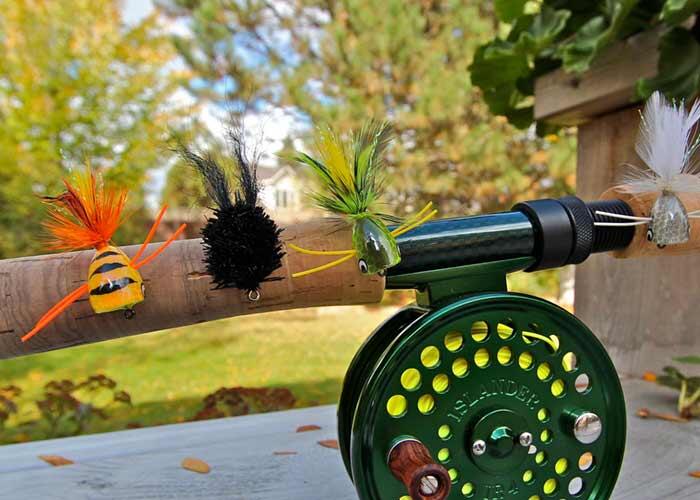
The last point about hard poppers is their design and shape. I like concave or at least flat noses on my flies; this helps to move water and causes “popping,” which draws in curious smallmouth to investigate. Patterns like Sneaky Pete's and others do not provide sufficient "noise" to prompt smallmouth to check out your fly. In essence, your popper is like a dinner bell for bass. They know that a struggling insect, mouse, or other prey item will create noise on the water's surface as they struggle. Your topwater fly must make a distinct "popping" noise to effectively ring the dinner bell and help incite a strike.
Today, these are often overlooked by anglers, which is a big mistake. Taps Bug is probably one of the best deer hair patterns for catching smallmouth, and it was designed over 50 years ago by William Tapply! I believe it has to do with the way in which deer hair sits in the surface film. The deer hair will absorb some water, which helps sink the fly slightly. This dramatically improves the silhouette of the fly, which often seems to trigger a strike.
Deer hair poppers in shades of brown and especially blackwork exceptionally well. I genuinely believe they are often taken by bass who think it is a mouse. In July and throughout August, the smallmouth is scouting the shallows, looking for leopard frogs or mice that have made the mistake of swimming out too far. Casting relatively small deer hair poppers into the shallows and slowly "popping" them back usually results in explosive takes!
This is probably the most important element for successful topwater action. My advice? Slow it down! We are all guilty of retrieving our poppers too fast over good bass waters. Though it's difficult, try to really slow down how fast you retrieve your fly back. How slow is slow? First, you should cast out and let the rings from the fly landing dissipate. Only then give your fly the first "pop." Then let it sit. Do a count, say to 10 or 15, using the "one-thousand, two-thousand" method. Then give it another pop and let it sit. Sometimes, when the bass is super-aggressive and willing to chase food, then a short and fast strip of your fly is ideal. However, in most cases, the bass will be slow to attack and will carefully examine your offering. Letting the popper sit, then giving it a slight "pop" will help give the smallmouth time to make a decision, one that could result in a trophy bass for you.
Here's a video we created focused on retrieval techniques:
If you incorporate any or all of these recommended items into your next fishing trip for smallmouth bass, it will definitely make a huge difference in your catch percentages. What can be better on a warm summer evening in Northern Ontario than watching a big smallmouth hammer your popper on the surface? It doesn't get any better in my opinion.