3 Great Ontario Walleye Destinations
Karl of Extreme Angler recommends must do walleye lakes in Ontario.
By Karl Kalonka


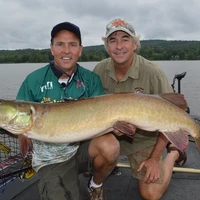





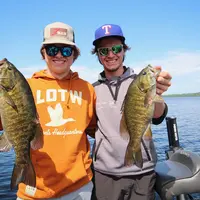


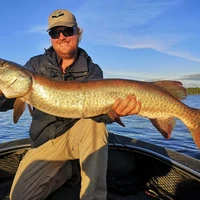
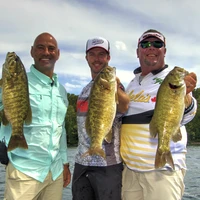


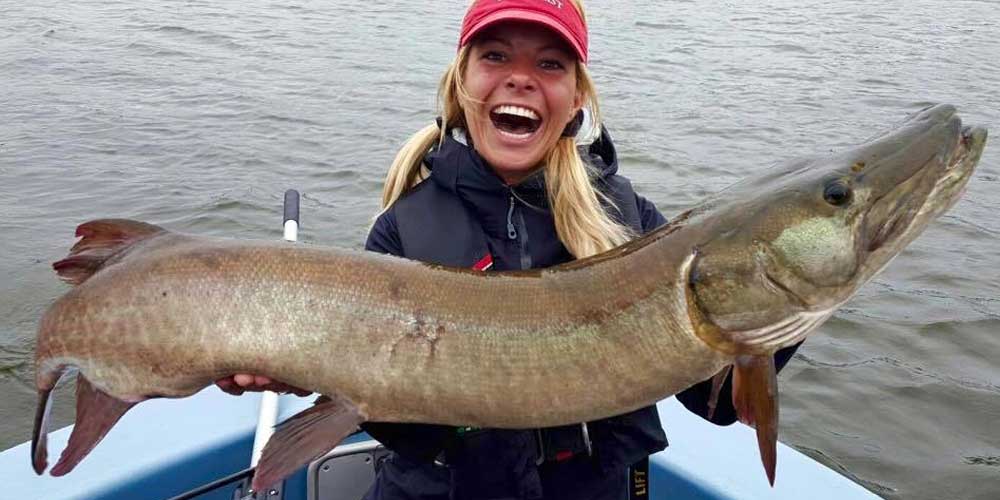
Cedar Lake Lodge, located in Northern Ontario’s Sunset Country, sits in the heart of one of the best musky fisheries in Canada. The lake holds impressive numbers of musky in the mid- to high-40-inch range, with true giants pushing the 50-inch mark. But Cedar Lake is more than a musky destination; it’s also loaded with big smallmouth bass, walleye, crappie, and northern pike. The lodge itself is clean, comfortable, well-run, and built for anglers. To make the most of this fishery, you need to come prepared.
Here are three essentials every guest should bring to Cedar Lake Lodge:
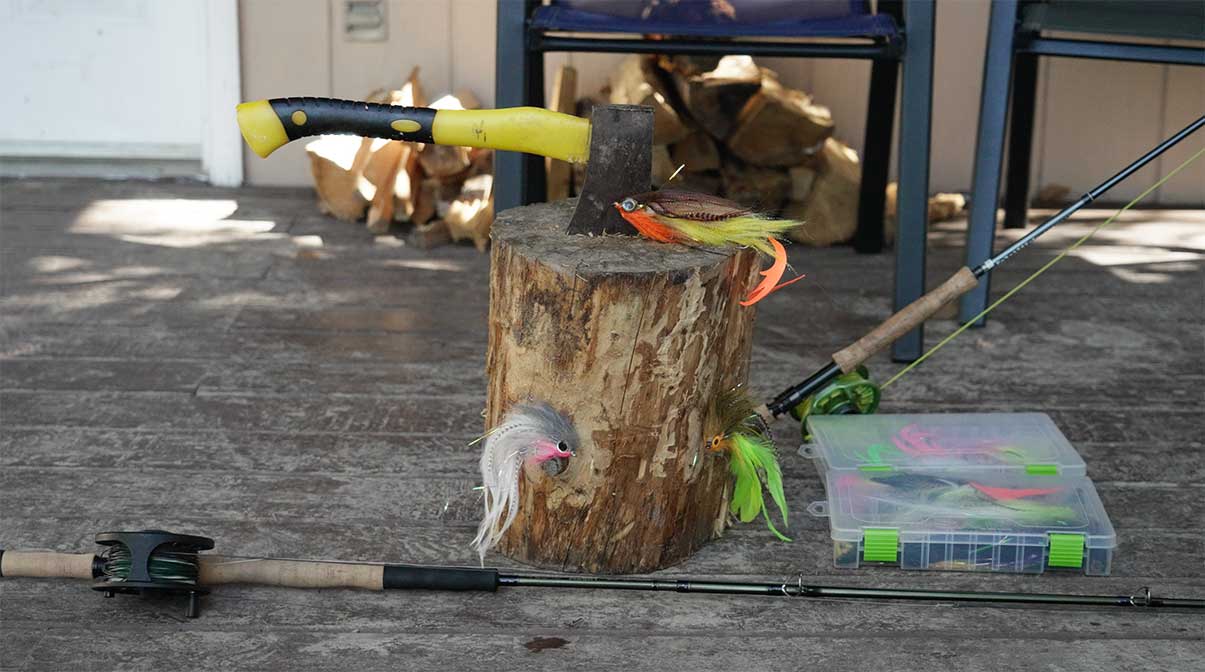
Muskies aren’t picky about colour as much as they are about movement. Your fly needs to push water, kick, pulse, or glide; that’s what triggers a follow into a strike. Bring:
Musky will make your heart race, but Cedar Lake smallmouth are no joke either, and some push the upper end of what fly gear can handle.
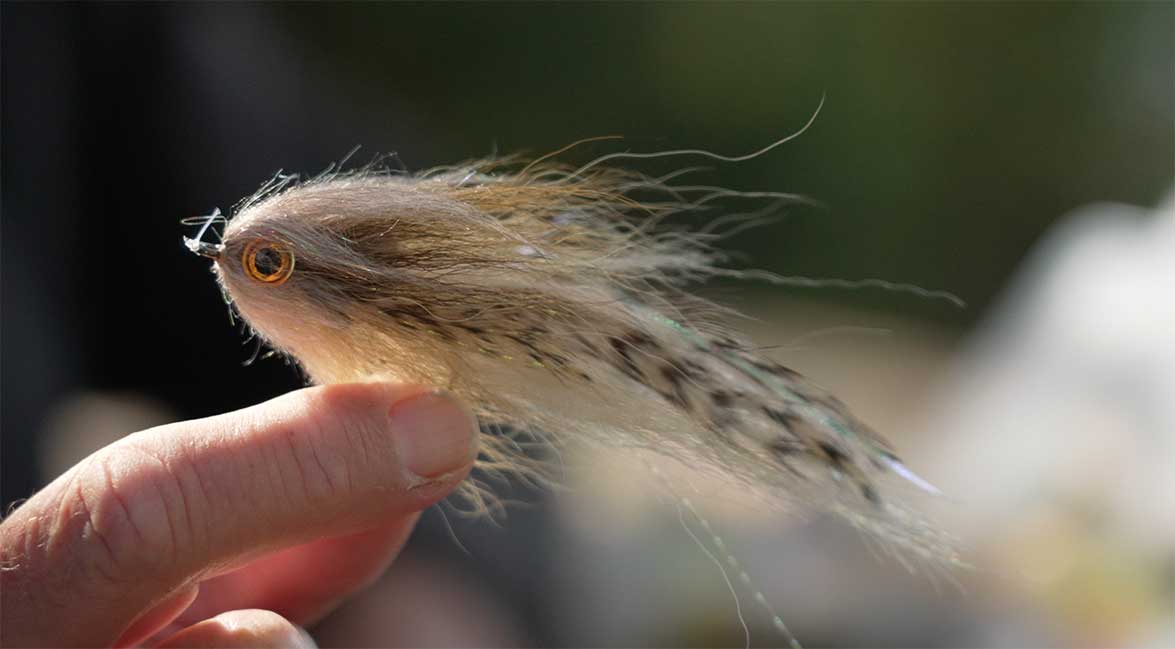
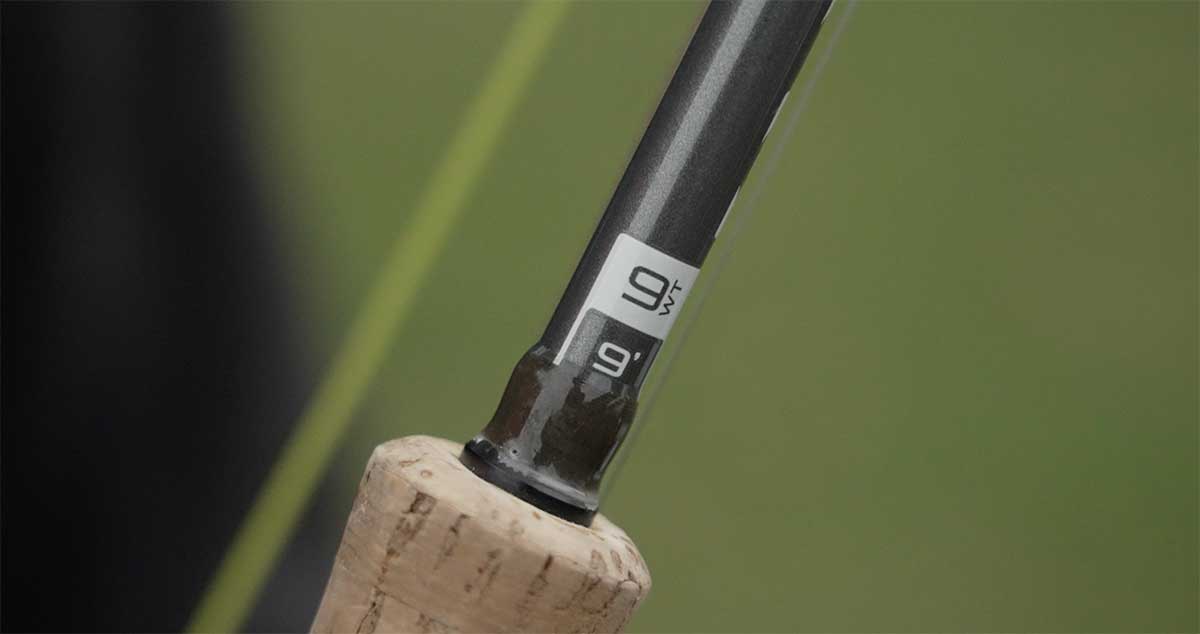
Casting musky flies all day takes horsepower. Bring rods that match the job:
A 7-weight for smallmouth bass. These smallmouth can be big, and a 6-weight won’t cut it. The 7-weight gives you the backbone to turn these fish and still enjoy the fight.
Musky are ambush predators, and where they sit changes day to day. You need lines that let you cover the entire water column. Bring:
Heavier depth chargers to get your fly down 12–15 feet
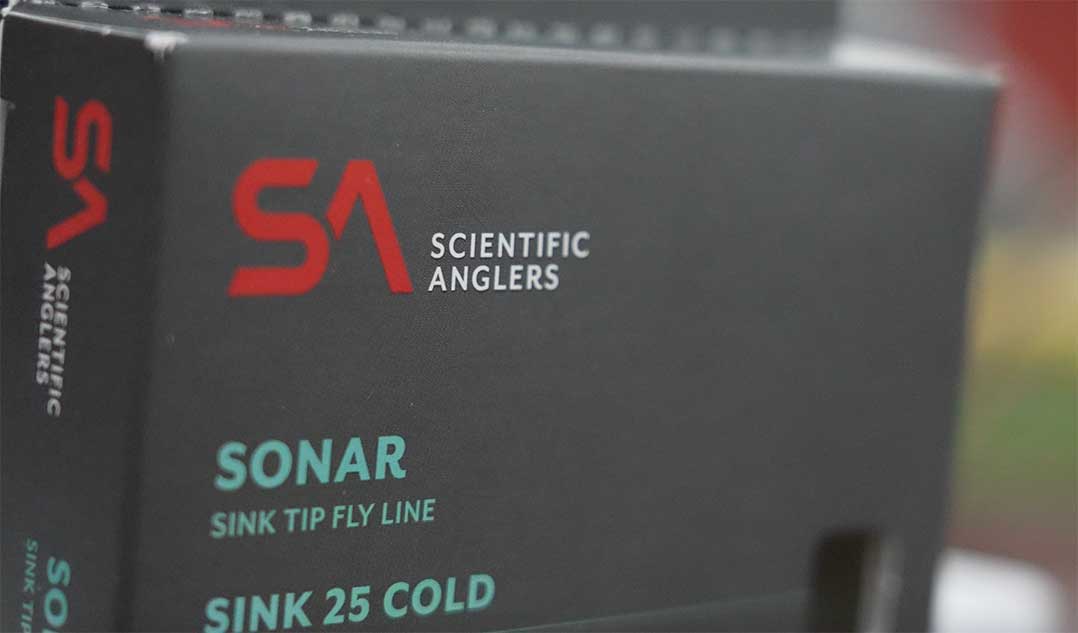
Being able to control depth is often the difference between seeing no fish and having one appear out of nowhere.
Good luck out there!