3 Great Ontario Walleye Destinations
Karl of Extreme Angler recommends must do walleye lakes in Ontario.
By Karl Kalonka







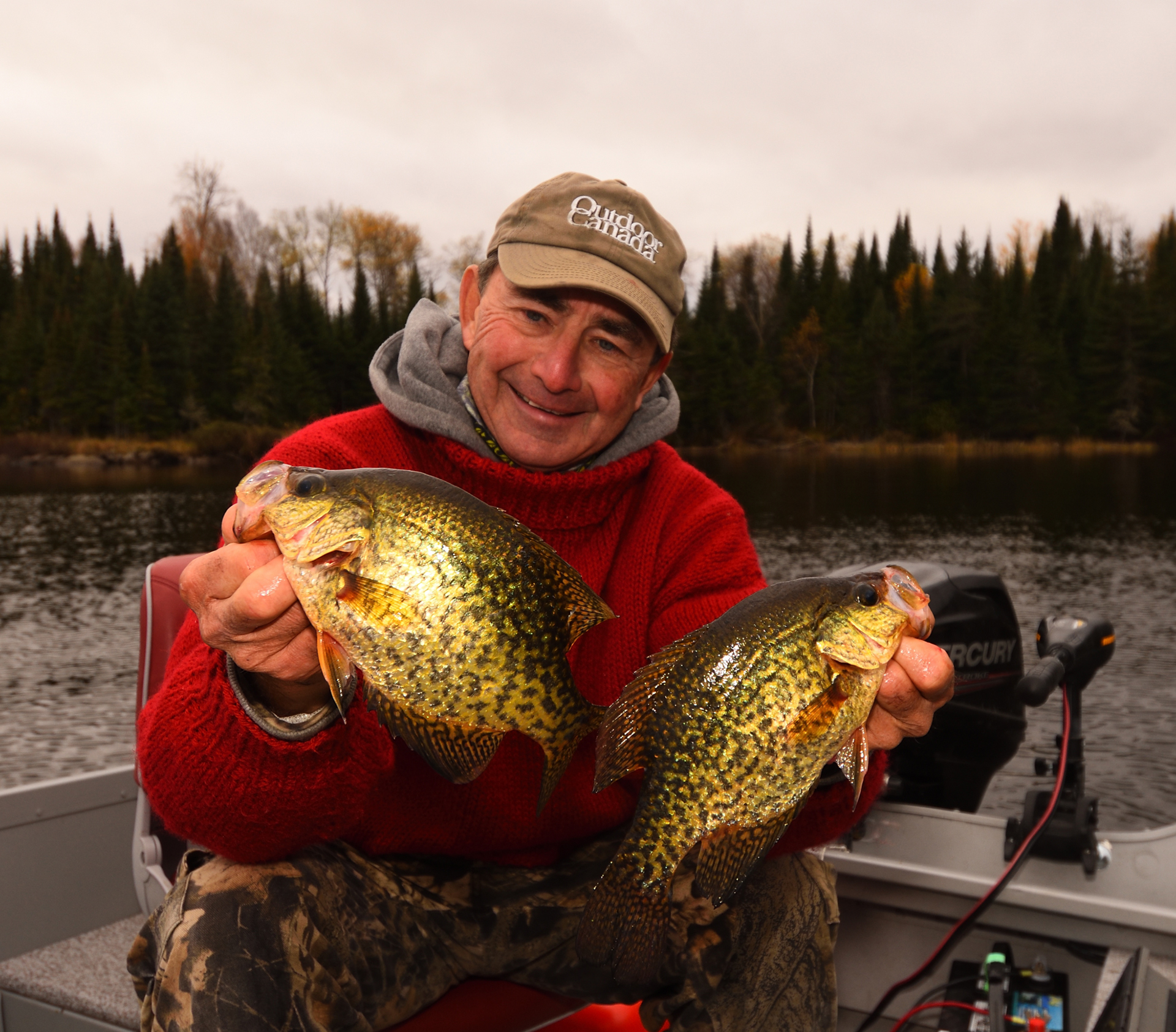
What is with all the rain we've been receiving this autumn in Northwestern Ontario? If any more falls, I’m going to start researching plans for how to build an ark. Weather gods, if you're listening, it is called Sunset Country.
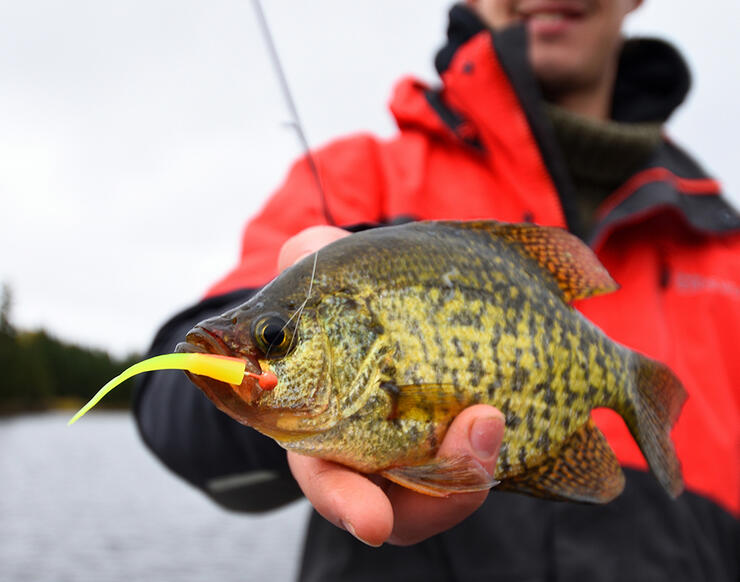
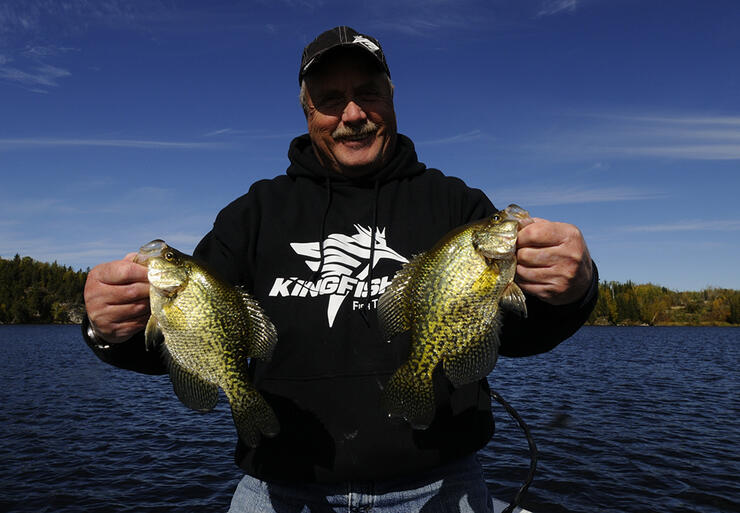
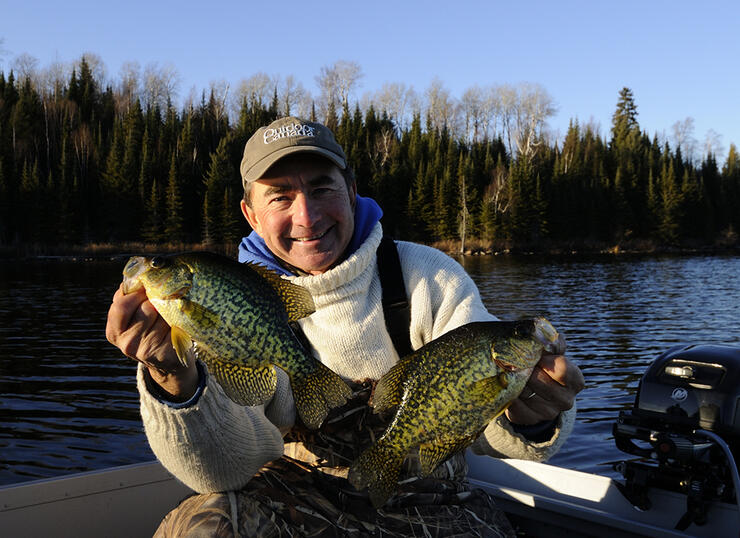
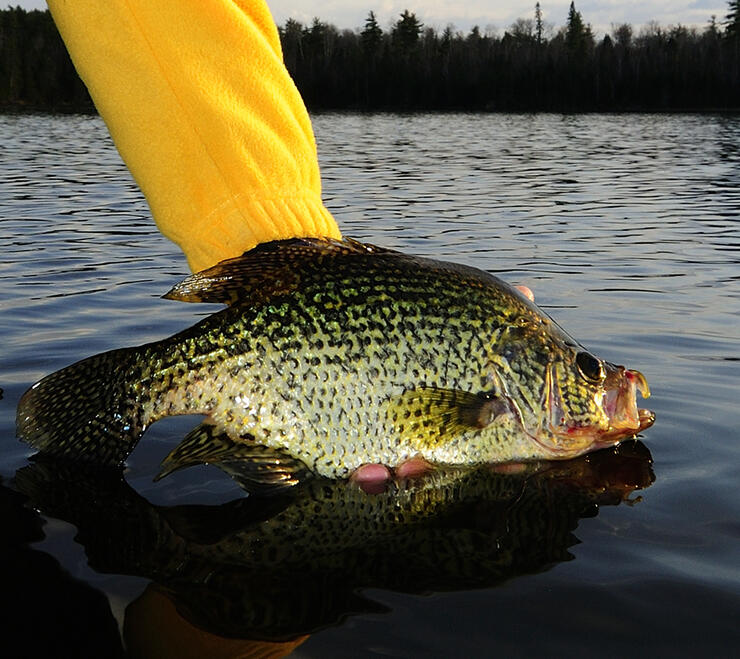
All joking aside, it stopped raining long enough the other day, after I picked up my grandson, Liam, from high school, for us to launch the small tiller handle aluminum back troller we keep ready for our back-country adventures into one of our favourite crappie lakes.
We only had a couple of hours of fishing until darkness descended, so time was of the essence if we were going to catch dinner. I must be honest—after the first 30 minutes or so, it was looking mighty iffy. As a matter of fact, I asked Liam, only half-jokingly, how he liked his hot dogs.
He looked at me with a mock frown and scowl on his face and growled, "Without relish."
Fortunately, my worries were fleeting, and our stomachs need not have growled in protest, thanks to two things a Northern Ontario fall crappie angler should never leave home without tandem jig rigs and a drift sock.
As the name implies, tandem rigging involves fishing with two small jigs attached to your line, typically dressed with live minnows or small soft plastic grubs and creature baits. And while I never scoff when it happens, the object of tandem rigging is not necessarily to catch two crappies at the same time. Instead, you tandem rig to make your jigs stand out in such a way as to appear to be a school of easy-to-eat minnows. And with two hooks in the water, you have twice as many chances of catching a fish.
It is important to mention, too, that while some crappie anglers have tried the tactic and tangled up their lines. You can avoid the hindrance completely and enjoy unrestrained action by using what we call the 10-10 process. It is a method I've outlined before but bears repeating again because it is so effective.
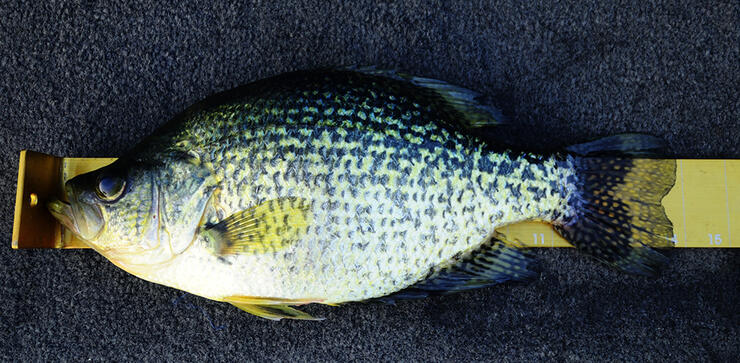
Simply take a 10-inch length of 4-pound test Maxima fluorocarbon leader material and tie it to your similar strength mainline using a straightforward triple surgeon's knot, which is nothing more than an overhand knot through which you've wrapped the two lines three times. The real secret, however, is always ensuring that the end of the leader is 10 inches away from the end of your main line.
Now, attach a light 1/8-ounce jig to both lines and rest assured that they will never intertwine when you drop them over the side of the boat. Let out enough line that they fall to the bottom and swim along, darting and dancing ever so gently, which is the perfect segue to the indispensable drift sock or sea anchor.
A drift sock looks like a large 4- to 6-foot-long woven funnel. When you toss it off the bow or tie it to the cleat in the middle of the gunnel, it will billow out, trap water and slow the boat down to a tortoise-like crawl.
I should mention, too, that while a drift sock shines when the wind is gusting, and the waves are battering your boat, it is even more effective when the lake is as flat and calm as the proverbial pancake, which is how we found it the other night.
Now, having said that you're probably wondering: why not simply pop the outboard into neutral when you're back trolling to slow down the boat? You would think it would work, but when the lake is mirror calm, even back trolling at the slowest possible speed for only a second or two pulls your jigs along too quickly. With a wind sock trailing off the bow, however, you can back up the boat a foot or two and stop on a dime. This is how Liam and I were strolling our lures, catching crappie after crappie, stilling our growling stomachs.
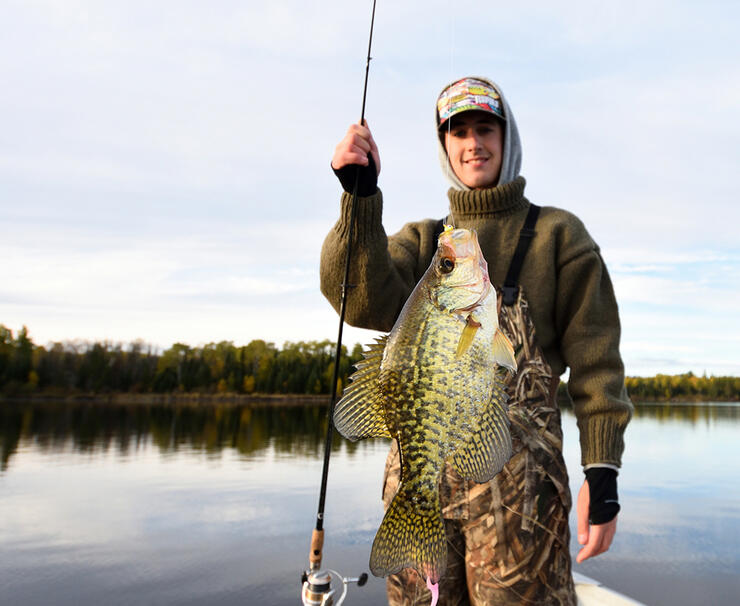
It is why tandem jig rigs and wind socks spell double trouble when you fish for fall crappies in Northern Ontario.