Eating Northern Pike
The Best Recipe to Cook This Fish
By Gord Pyzer










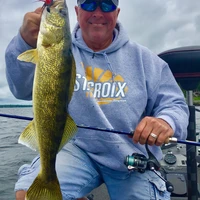

Now that winter has arrived, it’s time to start thinking about ice fishing. Over the past few years, there have been some real advances in ice fishing equipment and techniques. Today’s ice anglers have more quality gear to choose from than ever before. That, combined with new knowledge of fish movements under the ice, has led to an explosion in the popularity of ice fishing.
Let’s take a look at some of the innovations that are available and how they can help you catch more fish through the ice this winter.
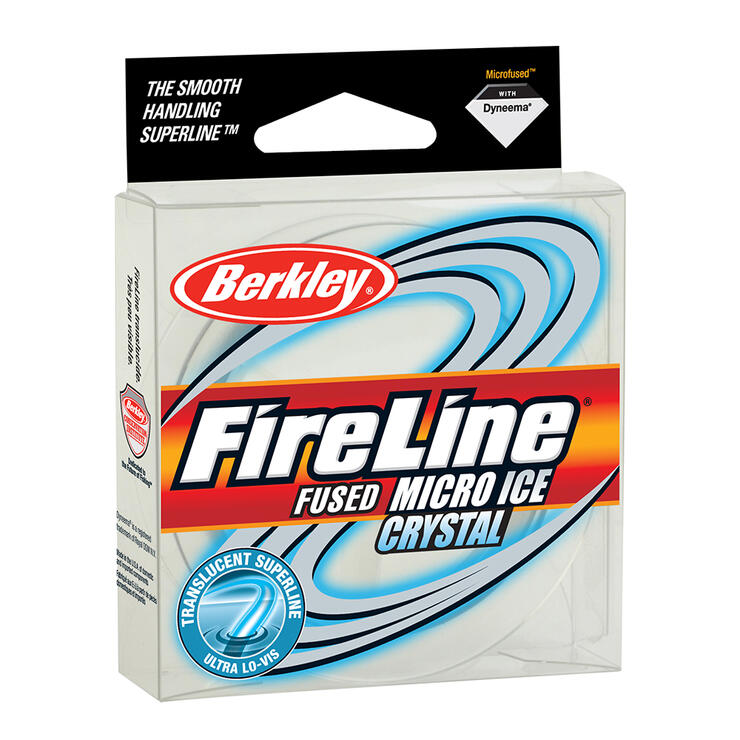
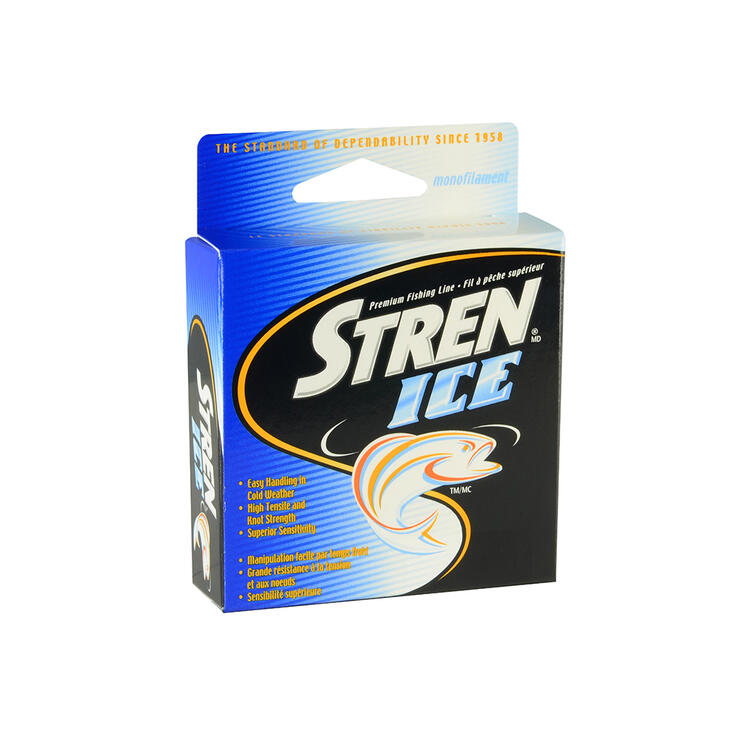
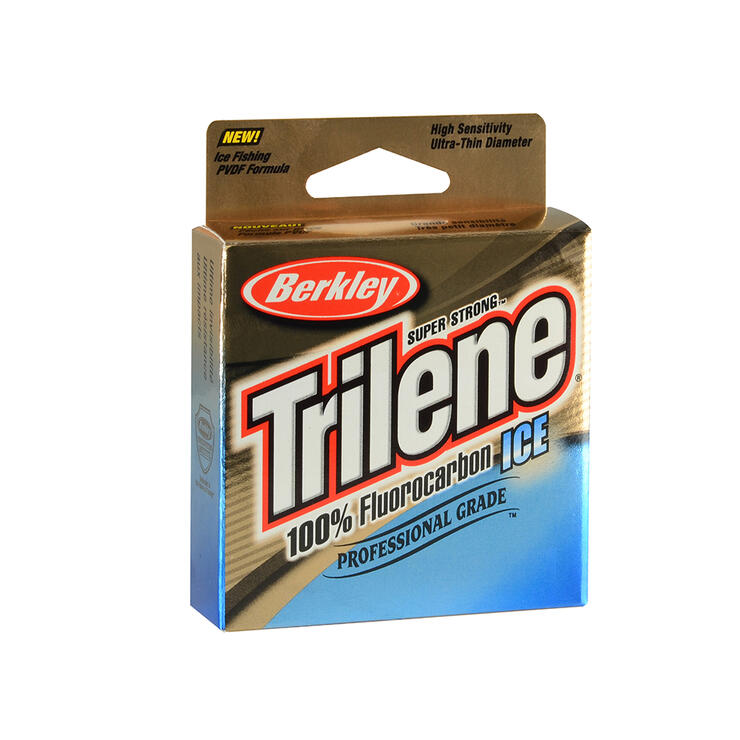
One of the best things to hit the ice fishing scene in recent years is monofilament lines that are specifically designed for use in sub-zero weather. They are extremely soft and supple, and they resist kinking and coiling. With these lines, you can use extremely light baits and still maintain a feel for them, even in deep water. That means extra sensitivity to help you detect even the lightest bites. And don’t forget the “super” lines—braided, fused, co-polymer, and so on. All of these have their place in ice fishing, especially in situations where a combination of power and sensitivity is needed.
Today’s ice fishing rods have been designed to take advantage of the extra sensitivity the new lines provide. You can get ice fishing rods in an incredible selection of lengths, actions, and power ratings to suit just about any type of fish you’re after. A lot of the better ice fishing rods are made from graphite, and they are comparable in quality to your regular open-water models. There’s no need to wrap the fishing line around a stick or to tape a reel onto an old broken rod anymore.
What about punching holes through the ice? Axes and spuds are way too much work, and chainsaws are just plain dangerous. Portable augers are definitely the way to go. Manual ice augers are light, and they do a great job of cutting through moderately thick ice. Gas-powered models are fast and will cut through thick ice in no time. There are even electric ice augers that work off of an electric, rechargeable drill. Whichever style of auger you decide on, remember to keep the blades sharp if you want to get the best performance out of it.
In the winter, fish still relate to drop-offs, weed lines, shoals, and points, just like they do in the warmer months, so you should look for cover and structure before you start drilling holes. In the old days, we’d turn a section of the lake into Swiss cheese by drilling dozens of holes all around an area, then lower weighted lines down to determine what depth we were at. Today’s ice anglers can choose from many different models of portable depth finders, like Lowrance’s Ice Machines, that have been specifically designed for use on the ice. Many of today’s units are available with GPS capabilities so you can zero in on the best areas before you start drilling holes. You can even use an iPhone with a Navionics GPS app to find those hotspots. Using electronics is a lot more efficient—and a lot less work—than drilling random holes all over the lake!
Nothing is worse than trying to fish when you’re cold, and that goes double for ice fishing. That’s why the ice hut has been a fixture on frozen lakes for years. The only problem with a hut is that it isn’t really portable. I mean, you wouldn’t want to move a plywood hut around eight or 10 times in a day, would you? That’s where portable shelters come in. These are lightweight, windproof, and most of them fold relatively flat so they can be transported easily. The floors of these huts are made of plastic, and they can be loaded up with all your gear and pulled along like a sled.
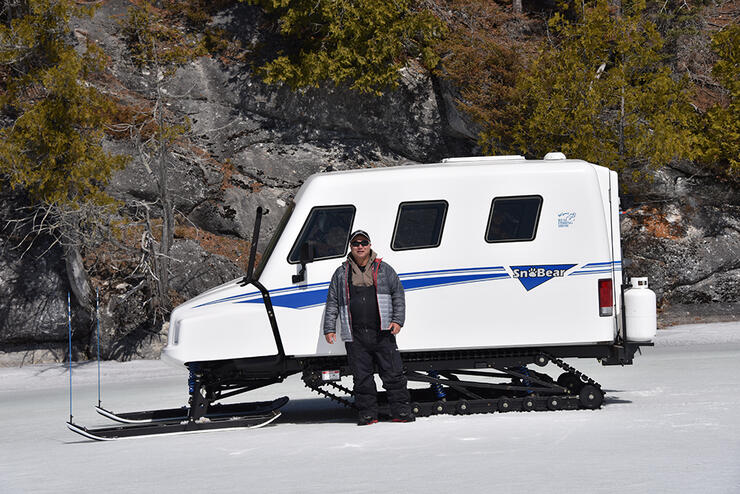
So now that we’ve got all of the equipment, how do we move it to the fishing grounds? Take your pick—snowmobile, ATV, or a specialty vehicle like the SnoBear. Even though these can represent a large investment, you should think of them as you would think about your boat. They open up huge areas that you just can’t reach if you are on foot, they make it possible to carry all of your gear along with you, and, with proper maintenance, they will last for years.
Ice fishing has always been a popular pastime in Canada and, with today’s gear, anglers can expect more hard-water success with less effort than ever before.