
Top 5 Baits for Smallmouth and Largemouth Bass
What baits do you use to target bass? Find out why these 5 are the best!
By Ron James


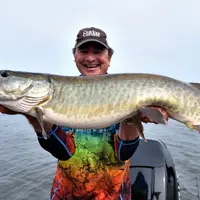


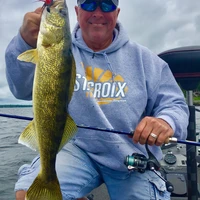


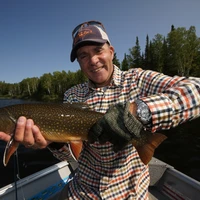

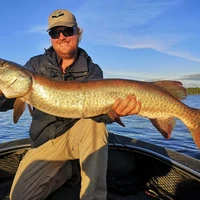


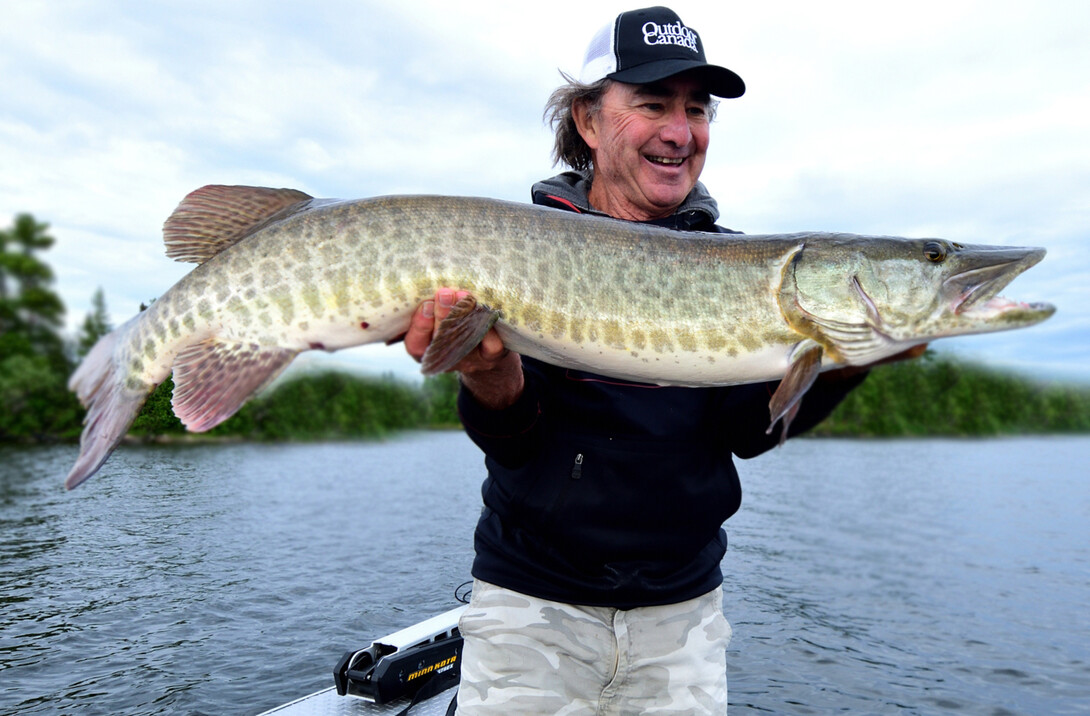
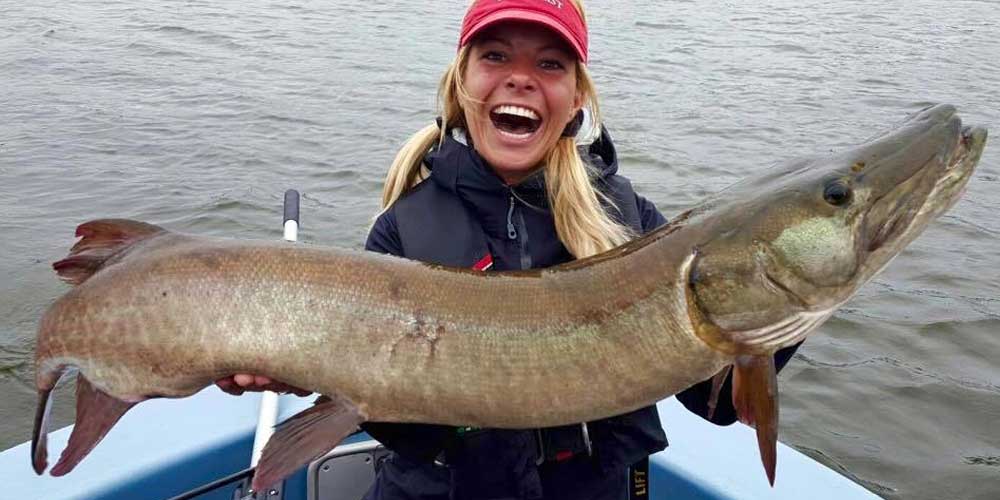
Talk about a big bang collision of positive forces. Within a matter of hours last week, the muskie season opened across all of Northern Ontario, the summer solstice occurred, and the Strawberry Moon—the last full moon of spring and the first full moon of summer peaked. If you’re a big toothy critter angler, it doesn’t get any better.
Never one to ignore Mother Nature’s signs, I hitched up the horses to the Kingfisher and headed out onto the water like a kid hearing the bell ring on the last day of school. You’d think after doing this for as long as I have, I’d be a little blasé about the opening of muskie season, but trust me, that is not the case.
I also was not going to let bad karma slip into the picture, so when I got to the first fishing spot of the day, I flicked out my lure about ten feet from the boat and reeled it in quickly. The reason I did this, of course, is that it is bad luck to catch a fish on your first cast, so there was no way I was going to let that happen.
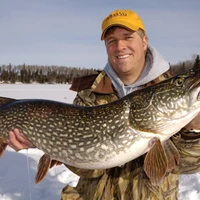
With the superstitions out of the way, I finally made a long cast, let my lure sink for a second and started retrieving it back to the boat. Are you ready for this: a solid fish whacked it, and I was hooked up on my very first cast. Okay, on my second cast! After I netted, measured and released the 40-inch pike, I hit the free spool button, let the lure drop down, and gave it a kiss. Let the summer games begin.
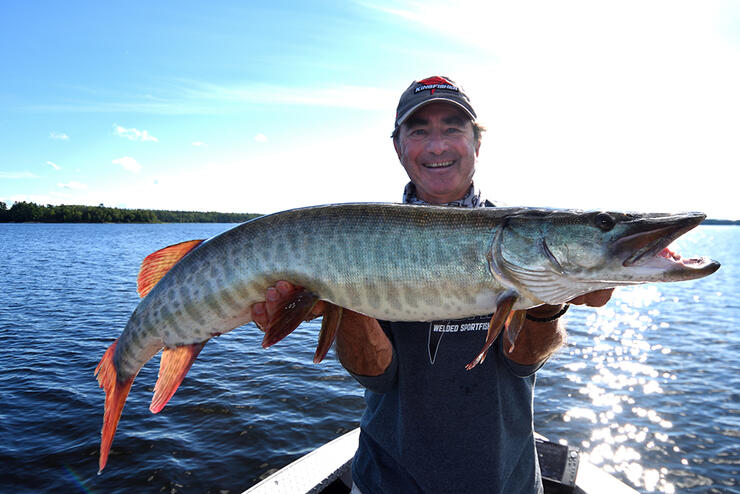
And begin they did as I hooked an even bigger mid-40-inch northern only a dozen or so casts later. It took the treble hook deeply into its mouth, though, so I kept it in the water alongside the boat and released it quickly after I snipped off the hook. Far better to cut it off than worry about saving a fifty-cent treble and possibly injuring the fish. And then the muskies showed up.
It was one of the best openers that I can remember, but at the same time, not unexpected. A year ago, grandson Liam and I debuted the season with a humongous muskie that ate his bait within an hour of launching the boat. It is the by-product of using smaller lures early in the season.
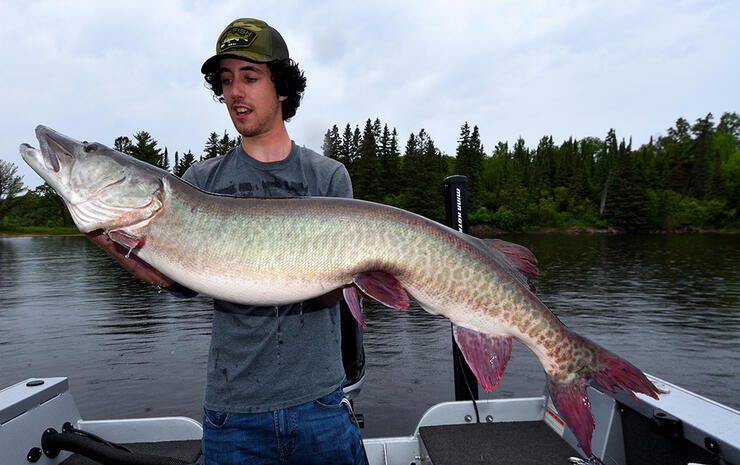
With muskies and large northern pike, there is a popular theory that bigger is always better. But it isn’t. Now, for sure, the fish love big baits. As a matter of fact, earlier in the week, I was fishing favourite pike water and kept a couple of 24-inch northern pike for shore lunch. I actually enjoy eating pike more than walleye, as the flesh is firmer and tastier. But when I was cleaning one of the fish, I noticed a distended stomach. When I opened it up to see what it had eaten, out popped a foot-long walleye. So my small shore lunch-size pike had swallowed a walleye half its size and still struck my lure.
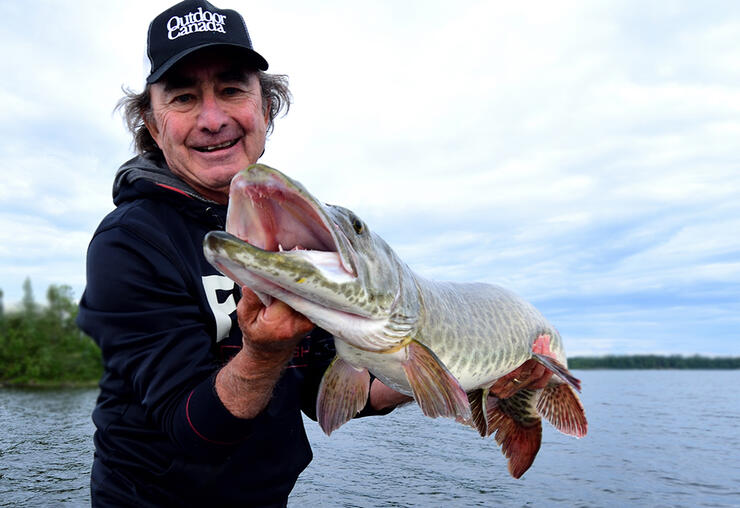
You’d think it would be a case for using even bigger baits for trophy toothy critters, and it is, if it weren’t for the conflicting problem that you can’t retrieve them as quickly as smaller lures. And that is the critical takeaway. Early in the Northern Ontario season, it is a careful act of balancing lure size and speed.
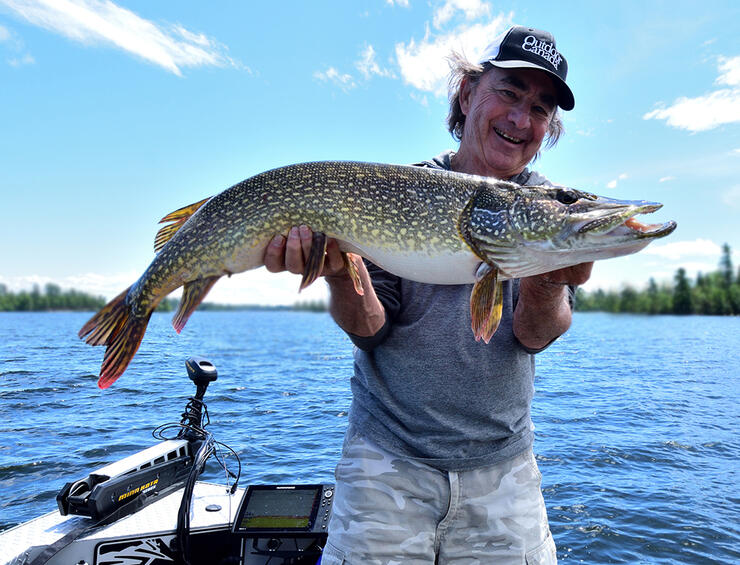
Last week, for example, the water temperature was hovering around 70°F or 21°C, which sits perfectly in the big toothy predators’ wheelhouse. Plus, they’re both coming off the spawn and are hungry. Under these conditions, we’ve found that speed almost always rules over size. Another good indication was that the fish were slamming the bulging single silver-bladed/white bucktailed Mepps Muskie Killer that I was throwing mid-way through the retrieve. They weren’t lazily following it in and then veering away at the side of the boat, as they often do when you cast much bigger lures with more water resistance.
So, remember, early in the season, speed kills.