Ontario Brook Trout
Fish these 10 sweet spots.
By Gord Ellis



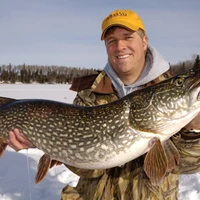





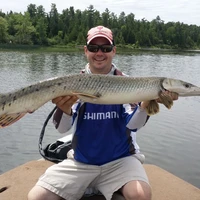
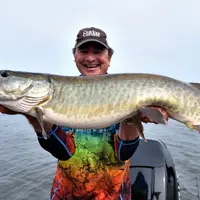


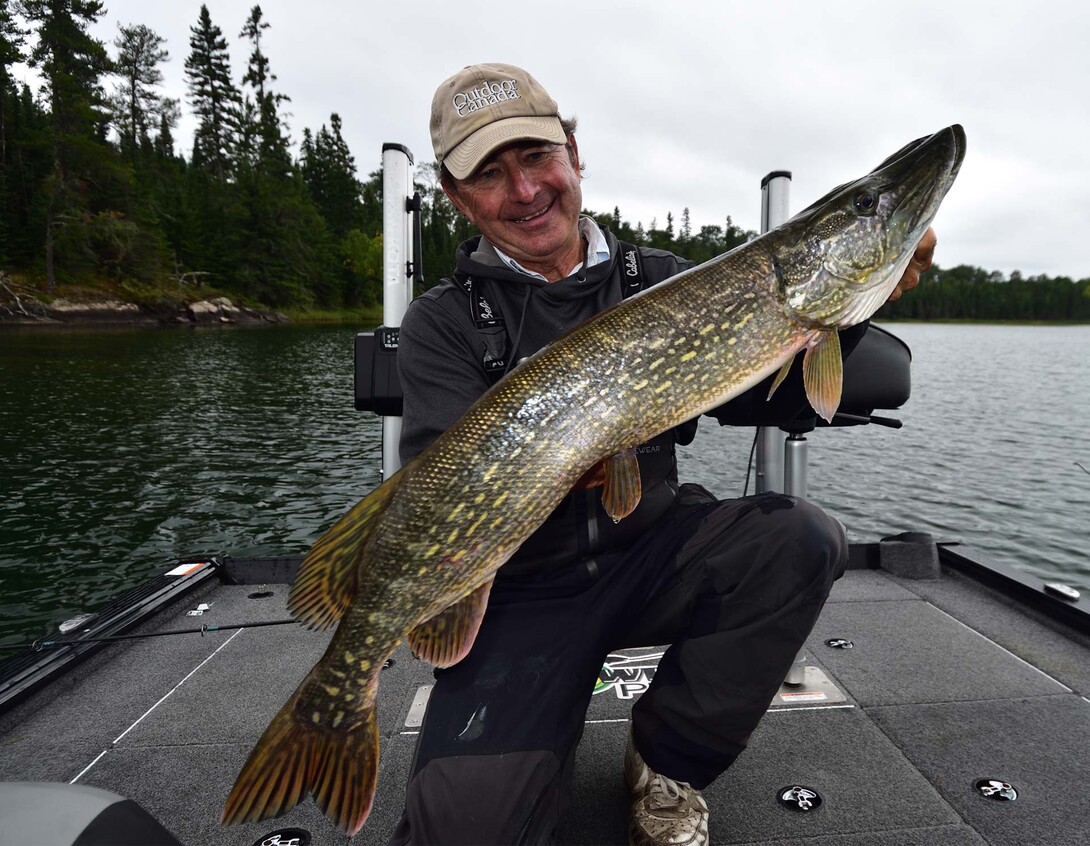
Okay, the temperature is dipping, the wind is feeling frosty, and you may even spot a flurry or two of snow in the air. So, calling it a picnic may be a bit of an overstatement, but that is precisely how I view the fishing for northern pike these days, across all of Northern Ontario.
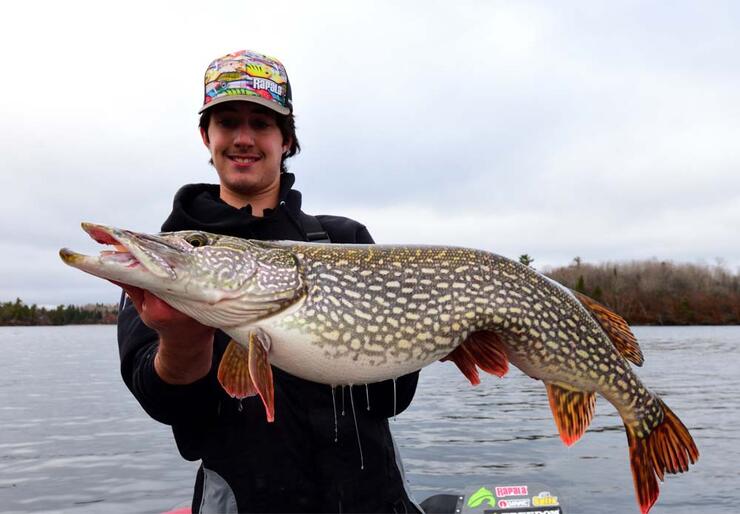
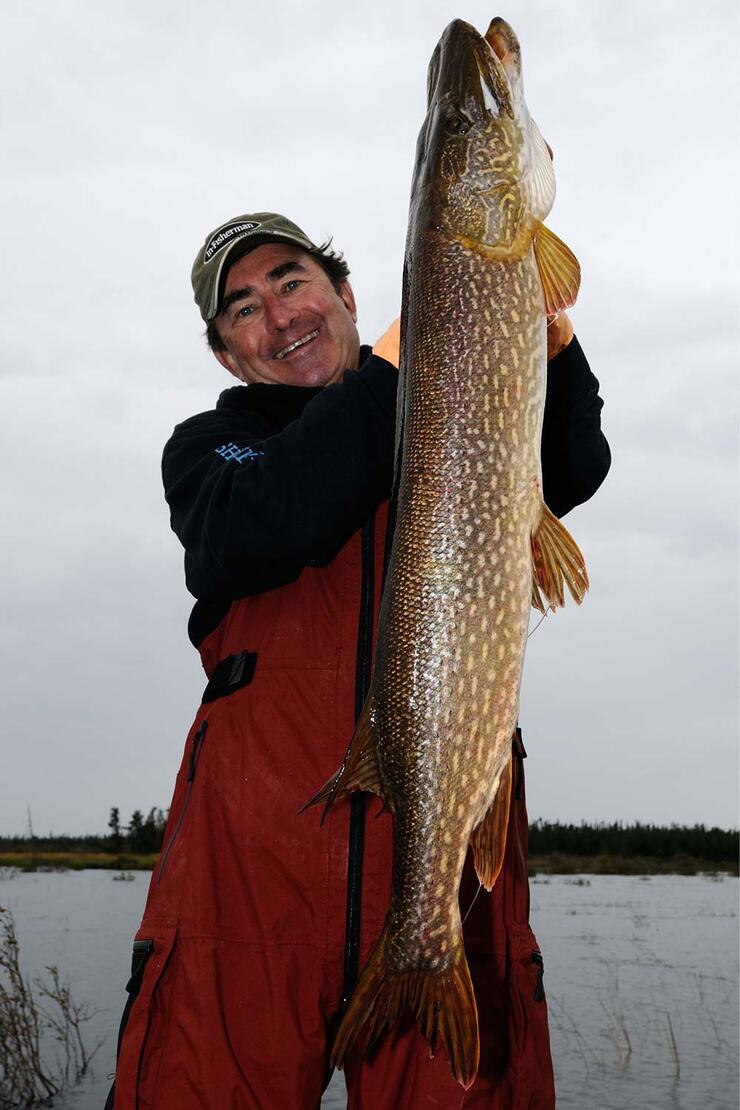
As a matter of fact, as good as the action can be in the spring, immediately after ice-out, it can be better in the fall, just before it freezes up. As grandson Liam and I discovered the other day when I swung the net under his new personal best-ever northern pike. A beautiful, rotund, 20-pound-plus, big toothy critter.
We were fishing at a favourite fall "bus stop" where over the years I've caught prodigious pike, as well as a slew of knee-knocking muskies. By the way, I call them "bus stops" because the big toothy critters use these select fall locations like kids waiting to hop on and off the bus each day on their way to and from school.
Find one of the gathering areas, or better yet, several on your favourite lake, and even though you'll be wiping drops off the end of your nose all day, you'll think it is a picnic as well.
The key to selecting the right spot is finding a feeding flat in the 10- to 20-foot depth range on a main structural element, like an underwater point, saddle or hump. The most important fine-tuning detail, however, is that the edge of the structure, the outside rim of the shelf itself, must break or slope quickly into much deeper water.
The big pike, being ambush predators rather than open water stalkers, typically lie just below the rim, waiting to pounce on the unsuspecting pelagic forage fish like ciscoes and whitefish that are typically crossing the plateau on their way to their spawning grounds, or using the drop off to lay their eggs. It doesn't hurt, either, that fall walleyes and suckers also hang out on these pantry shelves and are often served up as the dinner special of the day.
When the weather is pleasant, I like to park the boat out off the edge in deeper water and cast a 4 1/2- to 5-inch Storm Wildeye swimbait or Bassmagnet Shift 'R Shad pinned to a 1/2- to 3/4-ounce Freedom Lure Hydra Jig up onto the shelf. I let it settle to the bottom and then retrieve it at a slow to moderate pace back to the boat so that when it reaches the edge, it looks like a confused forage fish venturing out over deeper water and exposing itself to the tooth-filled dangers that lurk below.
Unfortunately, the weather was anything but pleasant the other day when Liam and I were out fishing, so instead of casting, we pulled our rain suits over our heads and stuffed our rods into the holders while I trolled the boat across the shelf, paying particular attention to tracing out the deepwater/shallow water transition.
Casting or trolling your lure around the edges of structures makes it look like a confused forage fish exposing itself to the tooth-filled dangers that lurk below.
There was no surprise what we were trolling, either, because I have come to rely over the years on 4 ½-inch half gold/half silver Williams Whitefish spoons. I always replace the factory treble with a single Gamakatsu Siwash hook. And this day, to keep them swinging back and forth, close to the bottom, I tied 3/8-ounce Bead Chain Keel Sinkers ahead of our lures.
The combination has been gold for producing giant northern pike in the past, but lately, I have been adding a secret dressing to the spoon that takes it over the top and makes it platinum. It is one of my good friends Art Gaetan's Herring Cove Bait Strip. Art hand cuts and cures the filets from wild Atlantic herring using a super-salty brine that firms them up so they stay on your hook, and yet remain pliable when you troll them on a spoon. Even better still, as he likes to say, the strips stink in the best possible way.
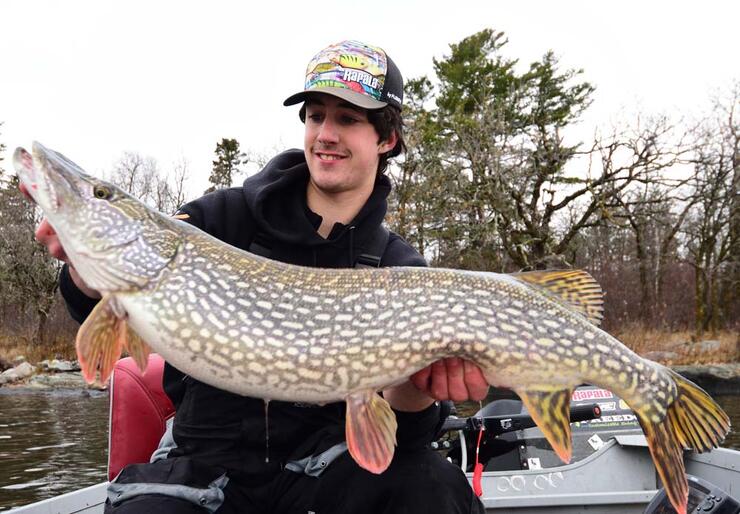
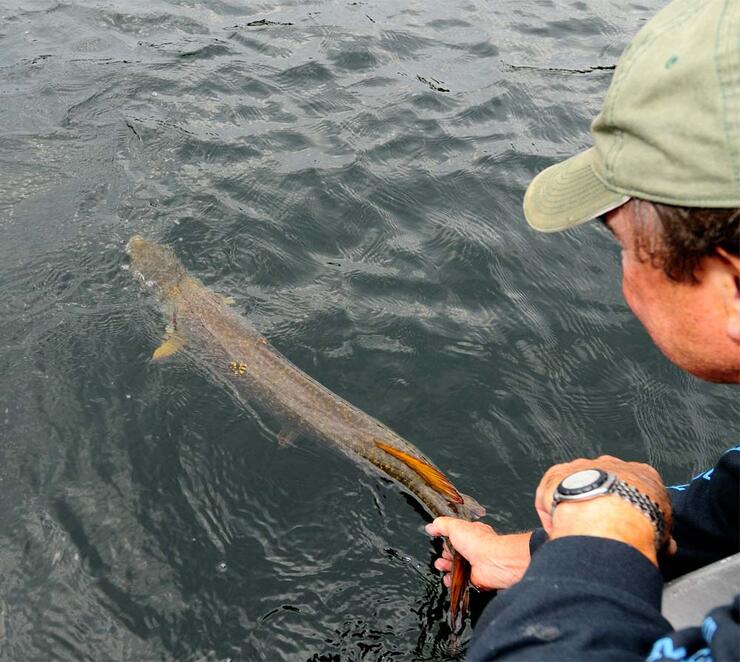
To which I can attest, because after Liam landed his trophy and then set it free, I wiped away a water droplet from the end of my nose, and I could smell Art's odoriferous super-salty herring strip for the rest of the day. Reminding me vividly, for hours afterwards, that fishing for prodigious pike in the fall, in Northern Ontario, is a picnic.