
The Ultimate Road Trip Guide to Chasing Waterfalls in Northeastern Ontario
Nine stops, nine waterfalls — from Duchesnay Falls to New Post Falls
By Hollie Demore


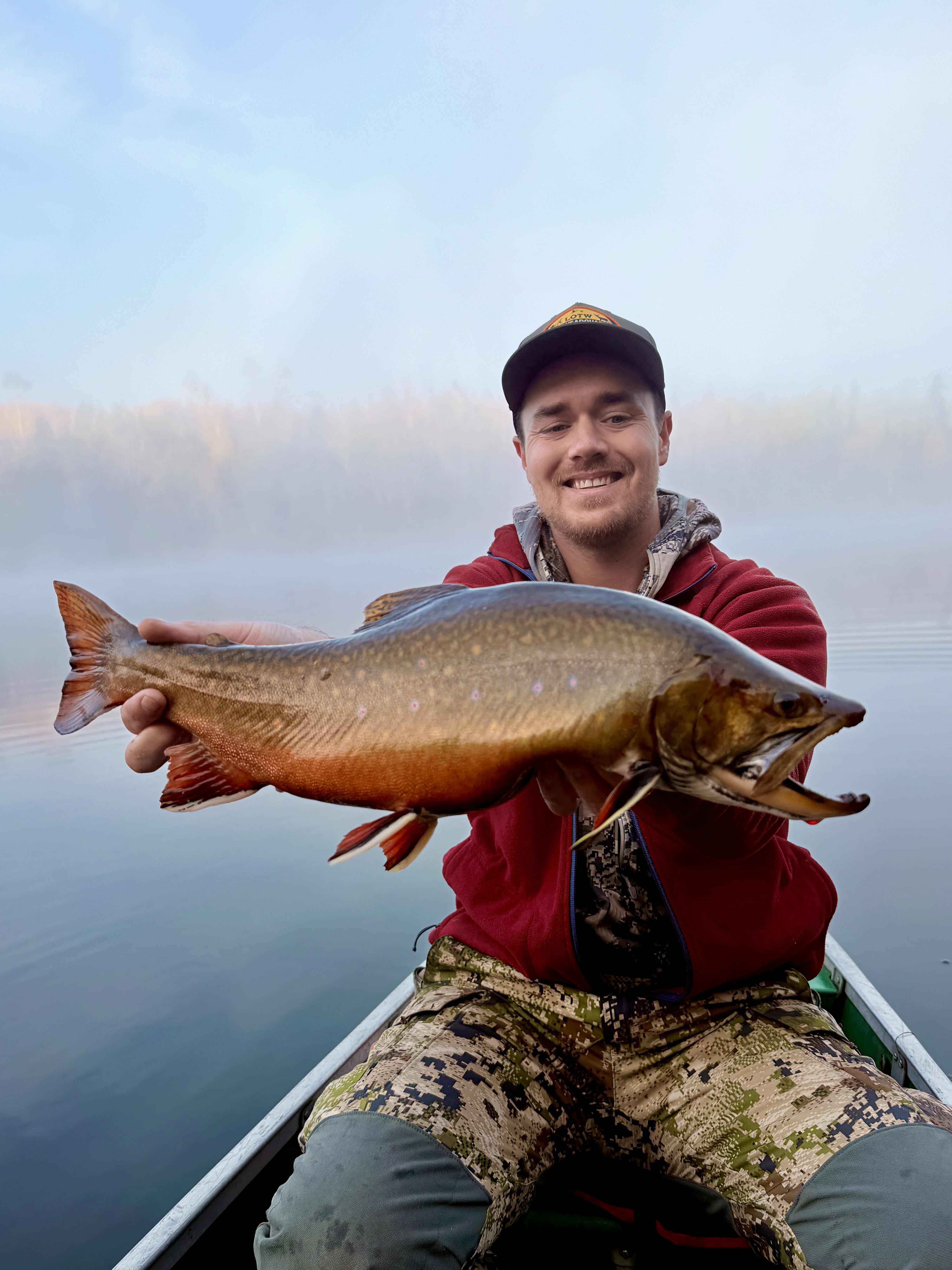

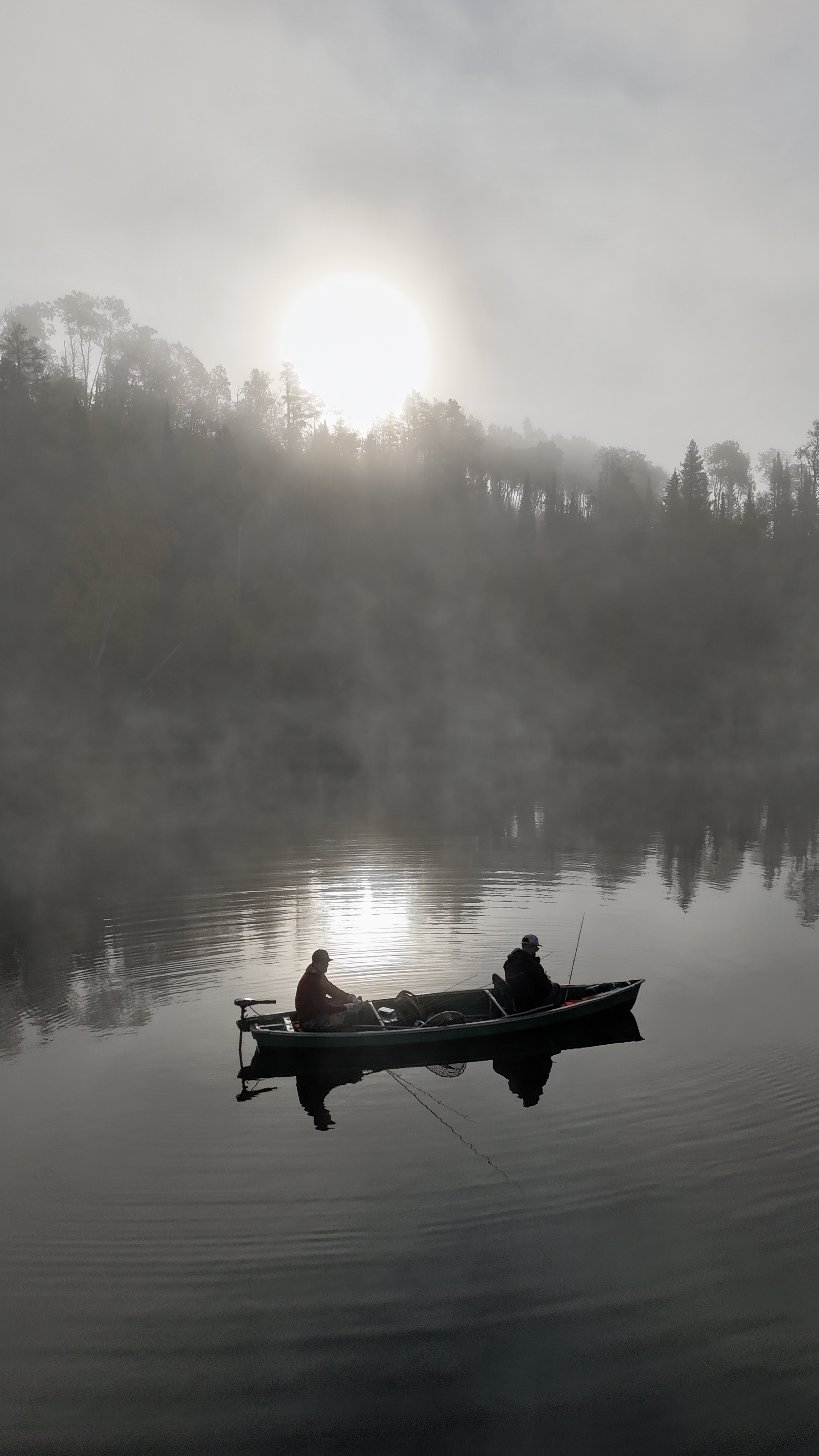
Aurora trout fishing in Northeastern Ontario is open from August 1 to October 15 on a small number of stocked lakes, with a daily limit of one fish on a sport fishing licence. The aurora trout is a rare form of brook trout, and every aurora alive today descends from fish rescued from Whirligig and Whitepine lakes in the Temagami District after acid rain wiped out the wild population in the late 1960s. Ontario opens only a few of its stocked aurora trout lakes each year on a three-year rotation, while the two native Temagami lakes stay closed to fishing. The stocked lakes are small and quiet, so a canoe or an electric motor will get you to the points, inflows and downed trees where the fish hold.
The aurora trout (Salvelinus fontinalis timagamiensis) is a rare form of brook trout native to just two lakes inside Lady Evelyn-Smoothwater Provincial Park, north of Sudbury. It was first brought to the attention of the angling world in 1923, when Archie King of Latchford guided four American anglers into the Lady Evelyn River system. While scientists described this trout as a new species in the 1920s, modern genetic research generally considers them a distinctive form or colour variant of brook trout.
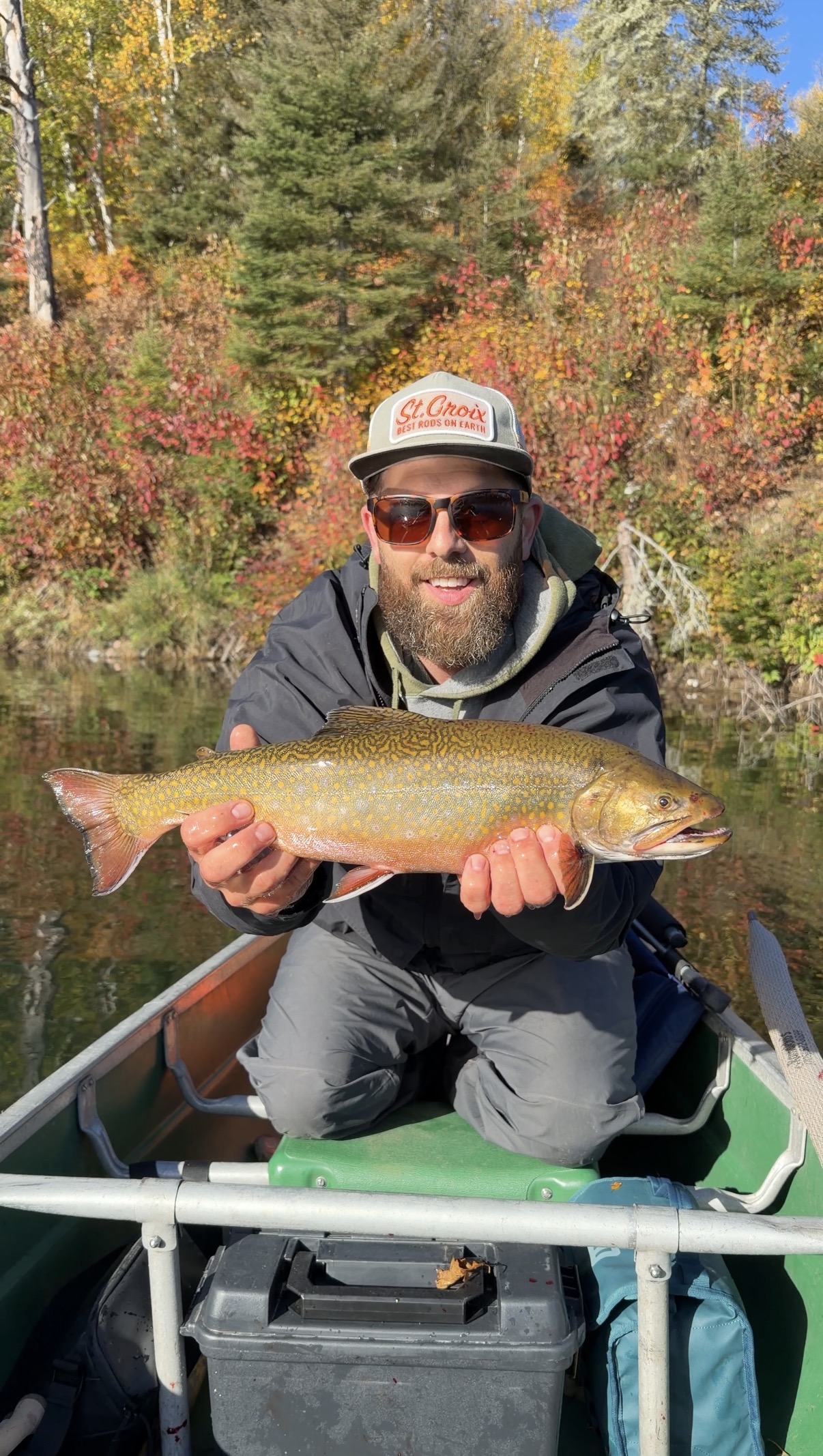
The name comes from the fish’s shimmering colouring, which resembles the northern lights, not from where it lives. Adult aurora trout lack the yellow, worm-like markings that run across a brook trout's back. They also carry far fewer of the red, blue-haloed spots on their sides, and some have none at all.
Most aurora trout run 30 to 40 centimetres (12 to 16 inches), and stocked lakes have produced much larger fish.
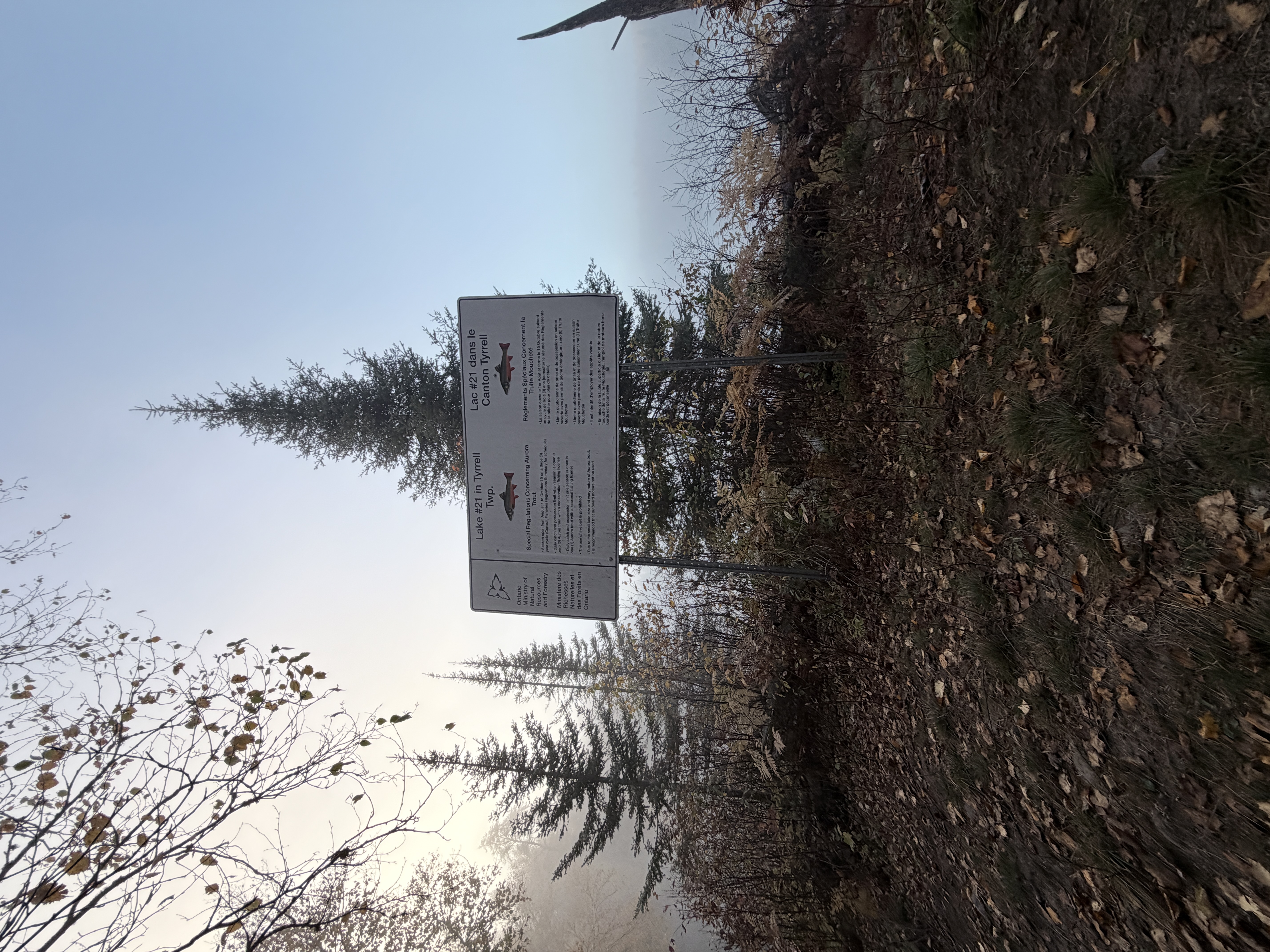
Ontario publishes the list of open aurora trout lakes each year in its Ontario Fishing Regulations Summary, which takes effect January 1. The stocked lakes run on a three-year rotational cycle, so a handful open while the others stay closed, giving fish time to grow and populations time to stay healthy. Check the current summary and the province's Fish ON-Line mapping tool for lake coordinates, access and stocking details before you plan a trip.
The aurora trout season on open lakes runs from August 1 to October 15. For the rest of the year these lakes are fish sanctuaries, and no fishing of any kind is allowed on them.
Anglers with a sport fishing licence may keep one aurora trout per day. The limit for conservation licence holders is zero. Whirligig and Whitepine lakes are closed to fishing year-round.
Live fish may not be used as bait or possessed for use as bait on aurora trout lakes. The rule covers minnows and other baitfish, so a jig tipped with half a worm or a worm harness behind a spoon is still a legal and proven option.
Motor rules are not set out in Ontario's fishing regulations, and guides and anglers report different restrictions from lake to lake, ranging from electric-only to no motors at all. Plan on a canoe or a small boat with an electric trolling motor, and confirm the rules for your lake with the local Ministry of Natural Resources district office before you go. The lakes are small enough that paddling or a quiet electric motor will cover most spots.
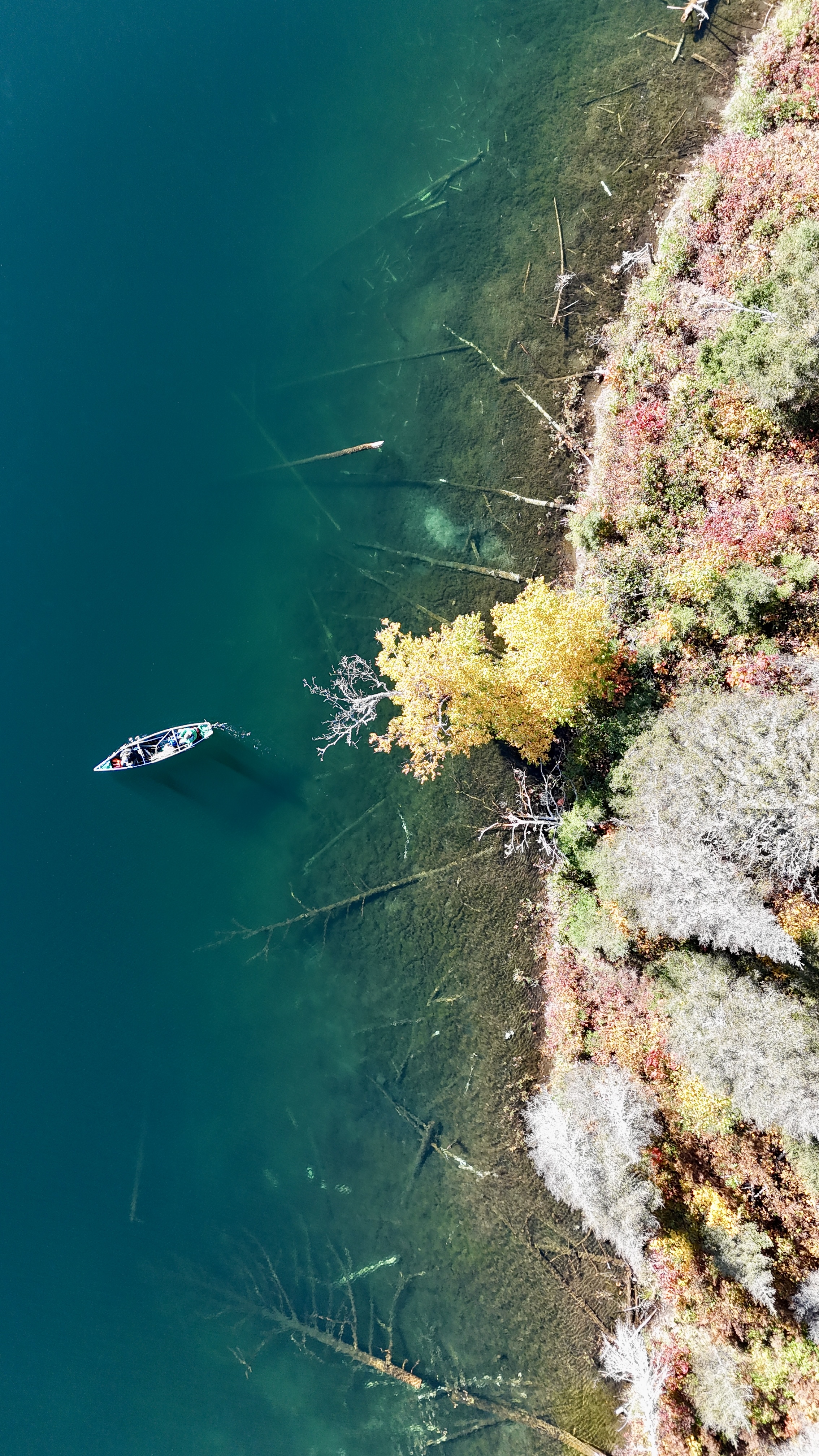
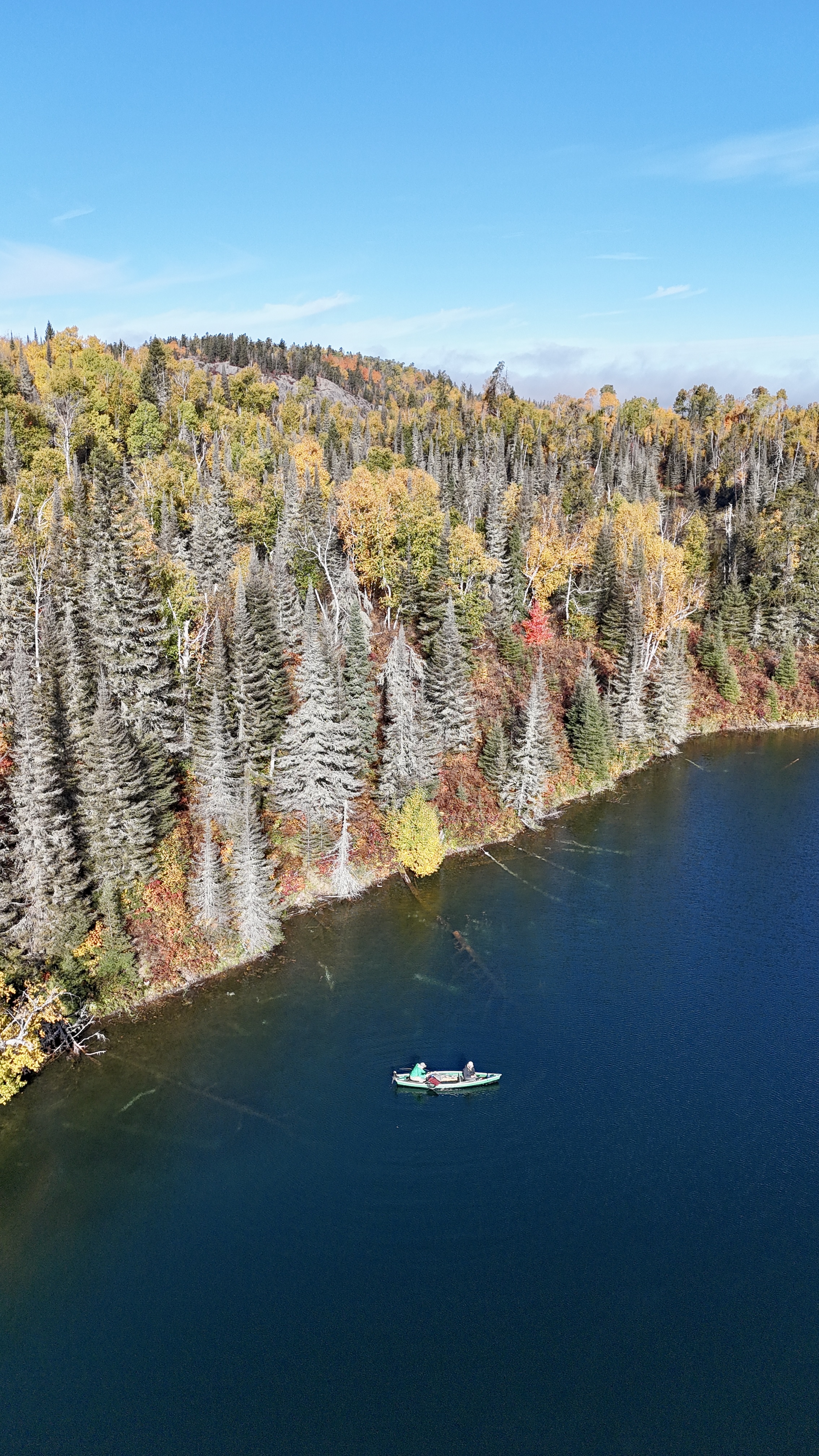
Most aurora trout lakes are small, bowl-shaped basins with a deep middle and little cover, so the fish gather on the few features that break up the shoreline. Spend your time on these four spots and skip the open water in between.
Light, compact presentations work best for aurora trout, and you can cover a small lake thoroughly by switching between casting and slow trolling.
Casting. Work points, inside corners and downed trees with a jig tipped with half a worm, a hair jig, a small spoon such as a Little Cleo or an inline spinner. Jigs between 1/16 and 1/4 ounce let you fish from the shallows down the drop-off without snagging on every cast.
Trolling. Pull a spoon, a small Rapala or a worm harness along the edge of the deep basin and past inflows. A canoe or an electric motor gives you the slow, steady speed that trout respond to, and it keeps the lake quiet.
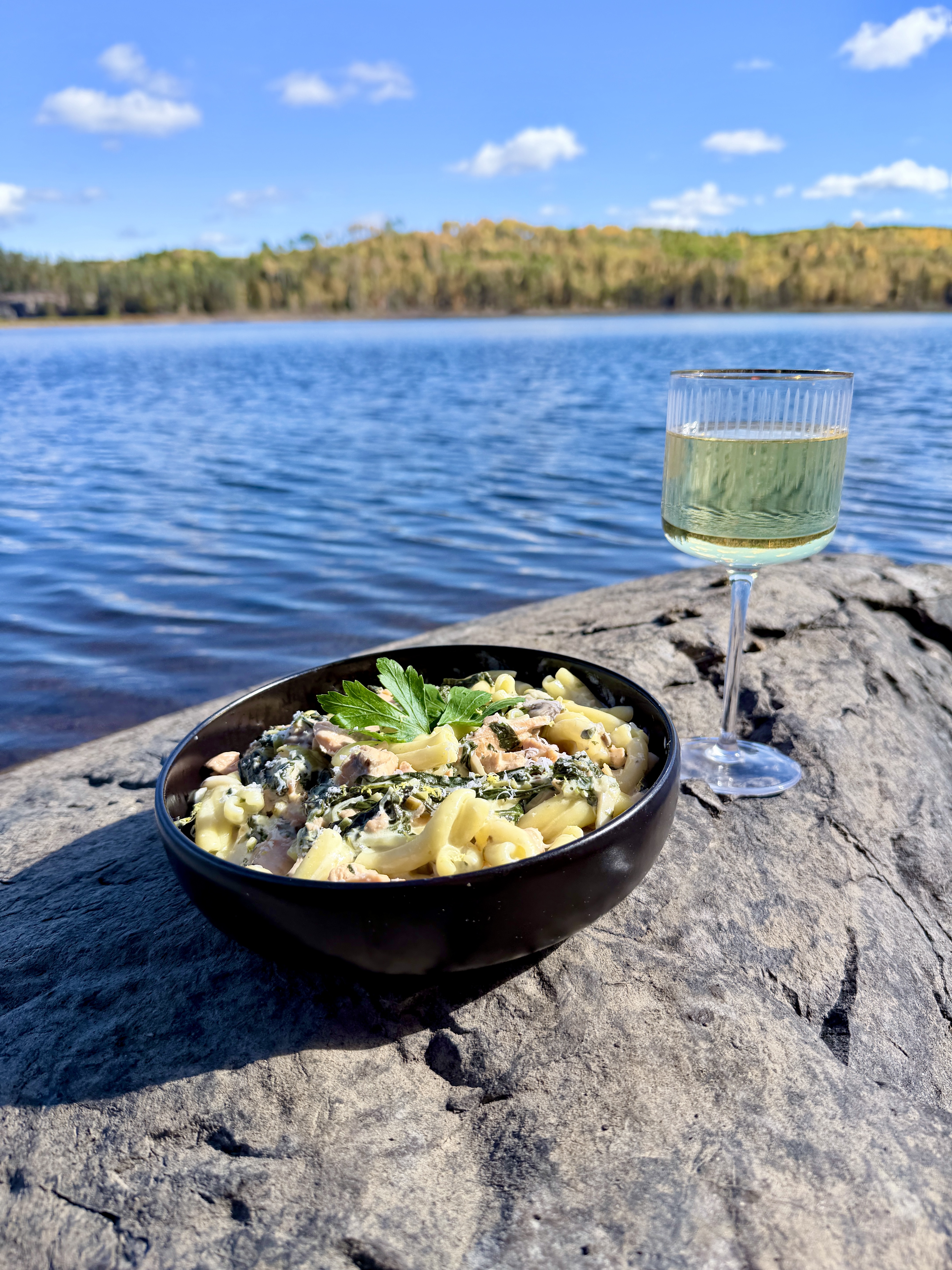
If your one fish of the day is a keeper, this white wine cream pasta turns it into a memorable camp dinner.
Ingredients
Method
Acid rain eliminated the wild aurora trout from Whirligig and Whitepine lakes by the late 1960s. Before the last fish disappeared, brood stock was moved to the Hill's Lake Fish Culture Station near Englehart, and every aurora trout alive today descends from those captive-bred survivors. The hatchery program later returned fish to the two native lakes and stocked them in other Northern Ontario lakes as a safeguard.
The aurora's near loss shows how much this fish depends on its water. It needs cold, well-oxygenated lakes that generally stay below about 20°C. Its eggs survive only where cool, oxygen-rich groundwater seeps up through gravel, sand or rock, and successful reproduction requires a pH of roughly 5.0 or higher. This makes them a fascinating example of how water chemistry, geology, groundwater and biology all interact, and is why acidified lakes could not hold the fish and why the native lakes remain permanently closed to angling.


