10 Facts About Lake of the Woods
10 facts amazing about this massive Northwest Ontario Lake!
By Carol Caputo


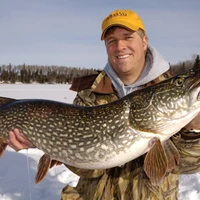


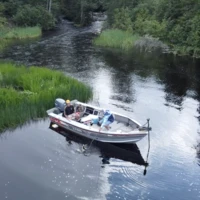


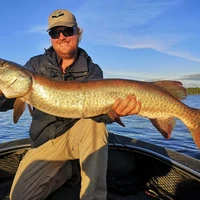


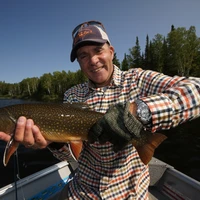
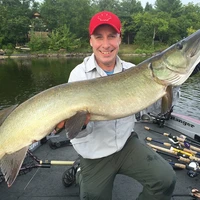

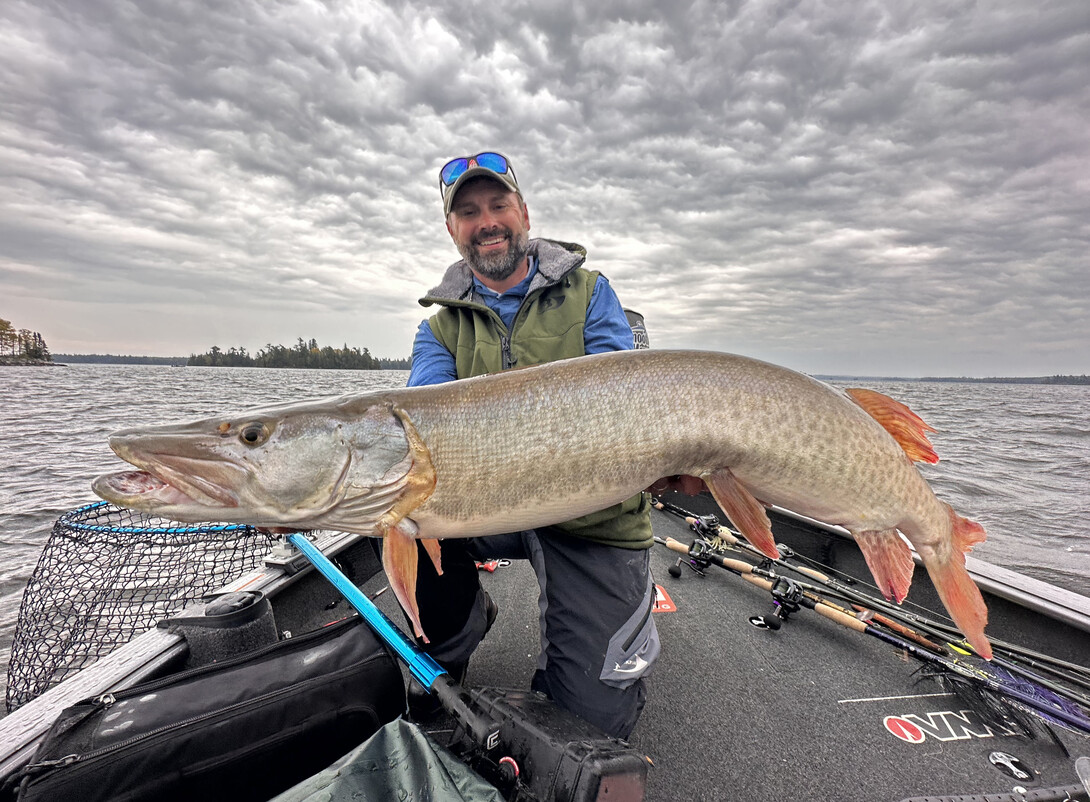
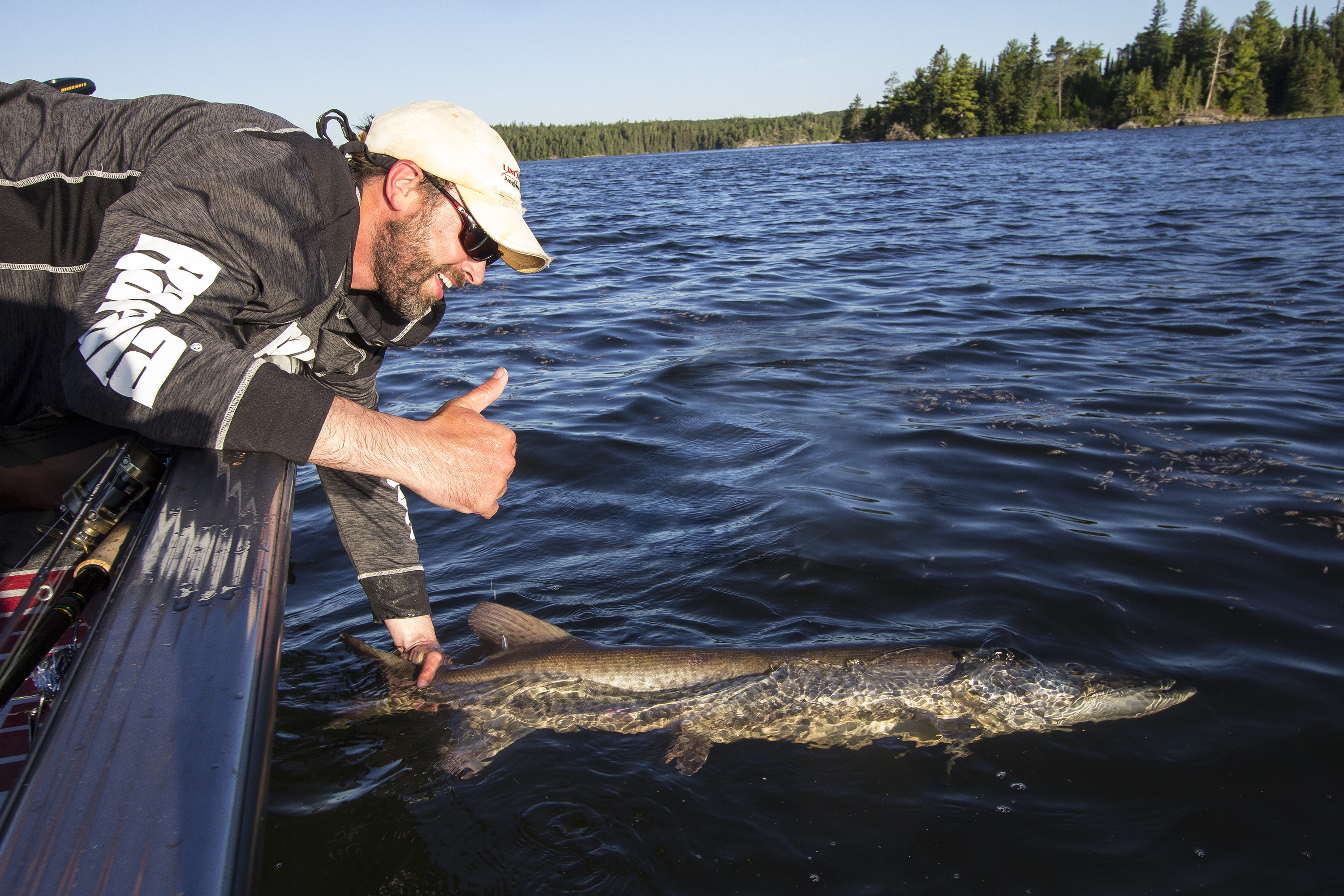
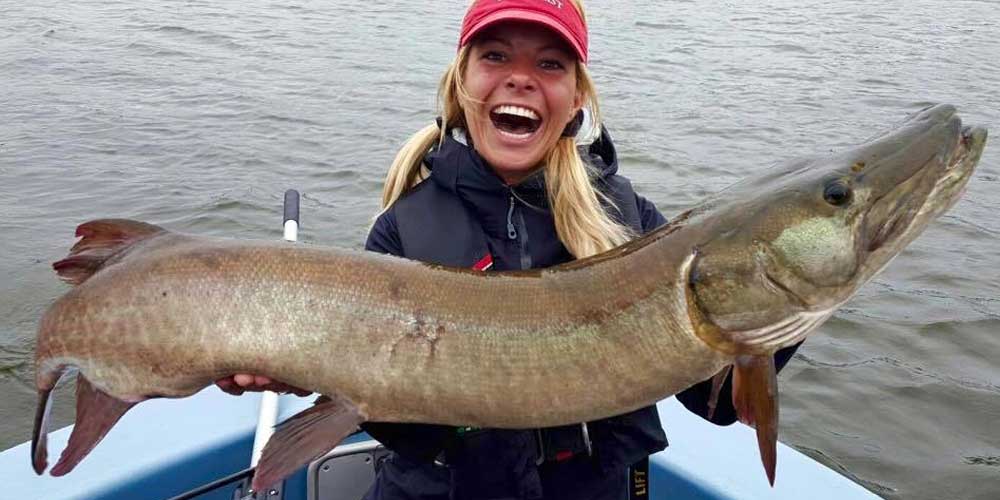
Sunset Country is heaven on earth for a muskie angler. The fish are big and wild—and so is the country. If you love exploring, thrive in a wilderness setting, and crave the thrill of catching big fish, this is the place.
There are peak muskie periods throughout the year. Many anglers love fall for its trophy potential, but for me, summer is the best. The water is warm, and muskies display some of their most exciting behaviours.
One of my favourite peak windows is from the opener—the third Saturday in June—through mid-to-late July. At this time, muskies can be found just about anywhere, but they’re often shallow, holding in weeds or textbook structures you can see with your eyes.
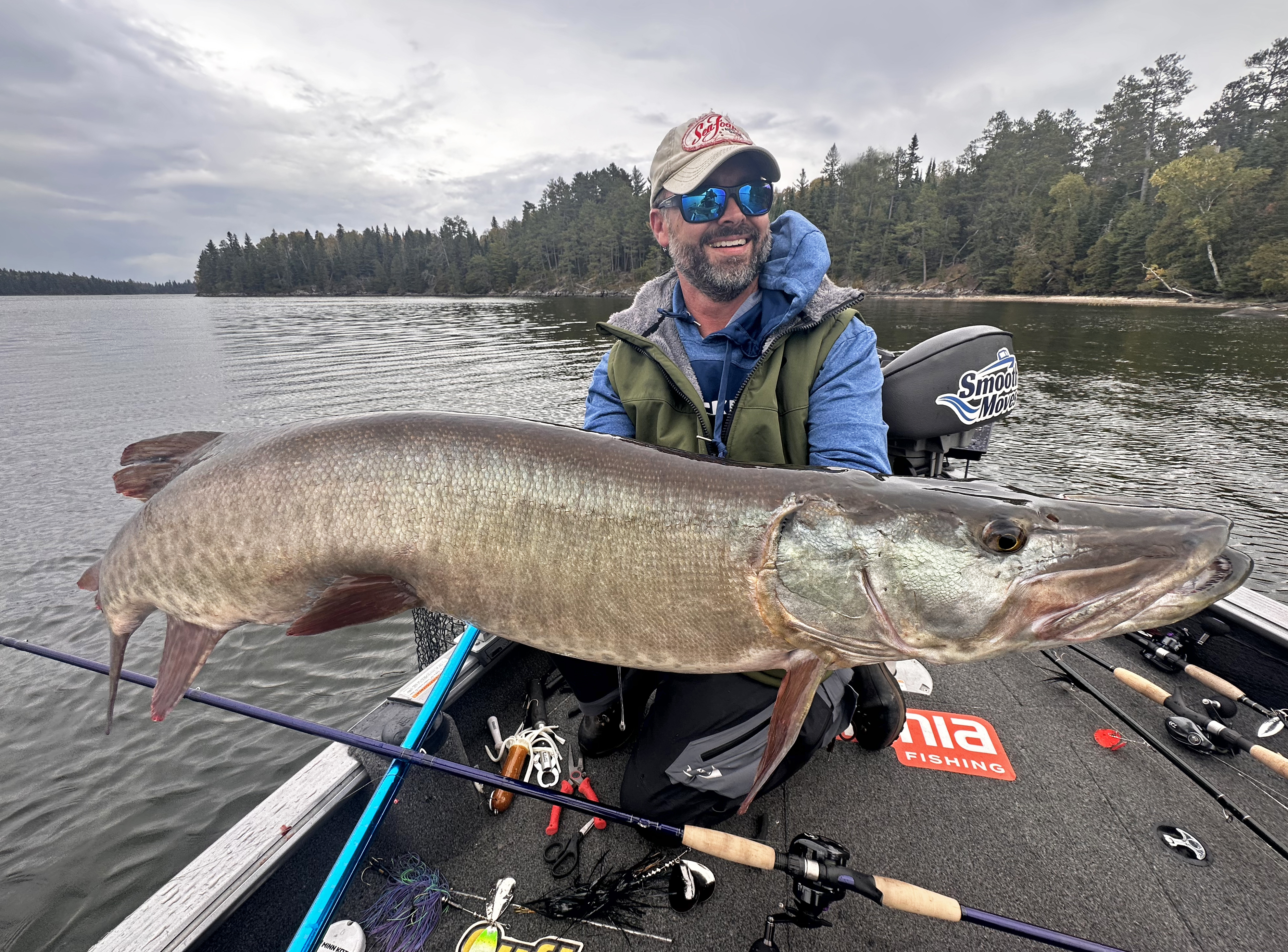
This is prime time for fast-moving baits that let you cover water quickly. Bucktails and topwaters are two of the best producers, and you can downsize your presentation too. Size 7 and 8 blades shine during this period.
My absolute favourite technique is burning bucktails. Watching a muskie charge your bait, tracking it at insane speeds, and finally tricking it boatside is what it’s all about. I always say a bucktail is a muskie’s favourite food—because they eat them with reckless abandon.
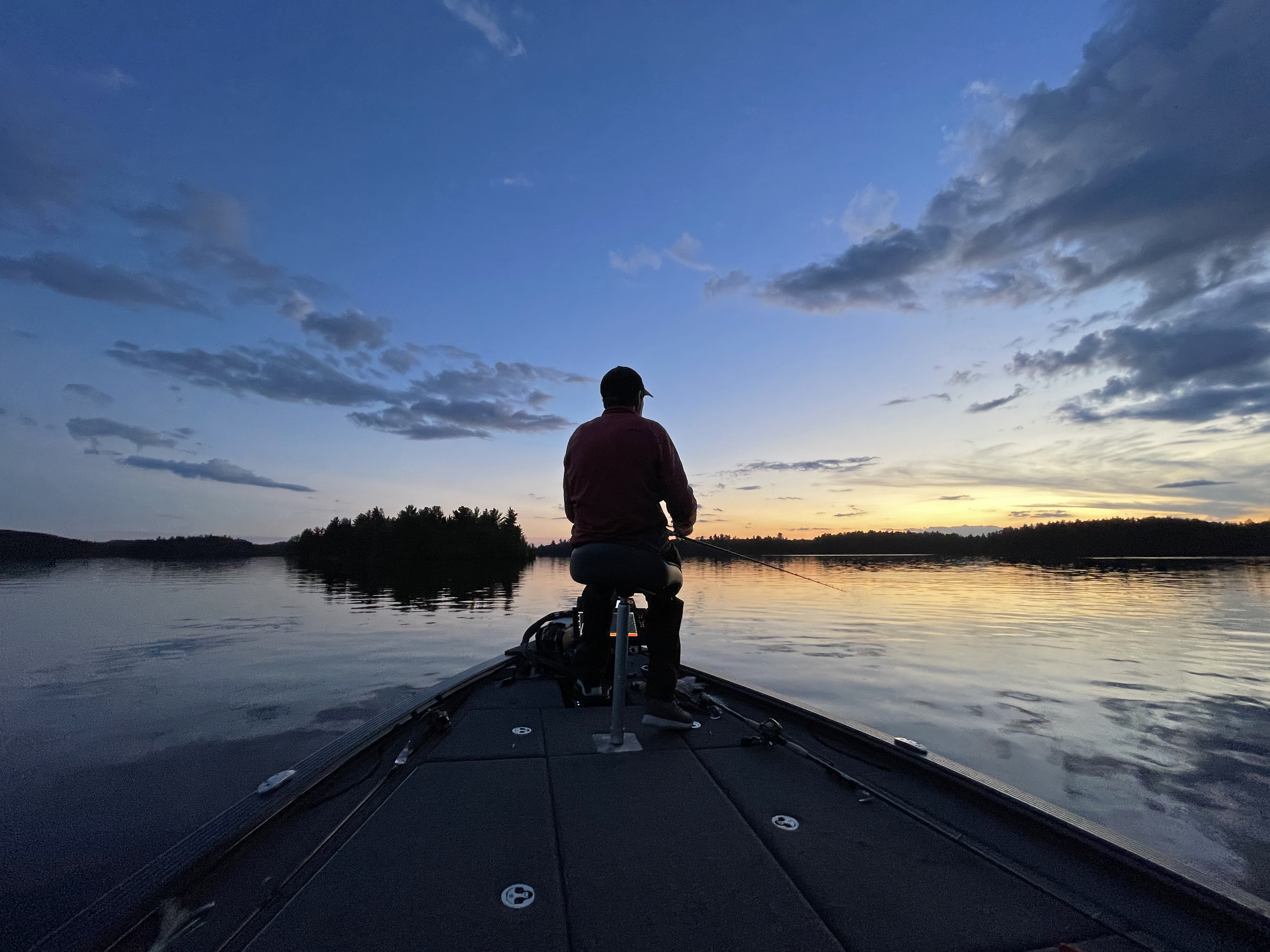
Fishing fast lets you cover ground, but your speed should match the cover. Over rock points or reefs, space your casts and cover each area thoroughly but efficiently. In heavy cover, slow down your retrieve and cast more precisely. Thick weeds make it harder for fish to locate your bait.
If the topwater or bucktail bite is off, I shift to two backup techniques: dive-and-rise baits and crankbaits.
The 10” floating Suick is a classic for heavy weeds. Muskies often bury themselves in cover during tough conditions. Toss the Suick into lanes and pockets. If it ticks a weed, give it slack—it’ll float up so you can resume your pull-pause retrieve. If it gets stuck, don’t worry. Shake it lightly on the plant, then give it slack and pop it free with a sharp downward snap. This draws attention and often triggers a reaction strike.
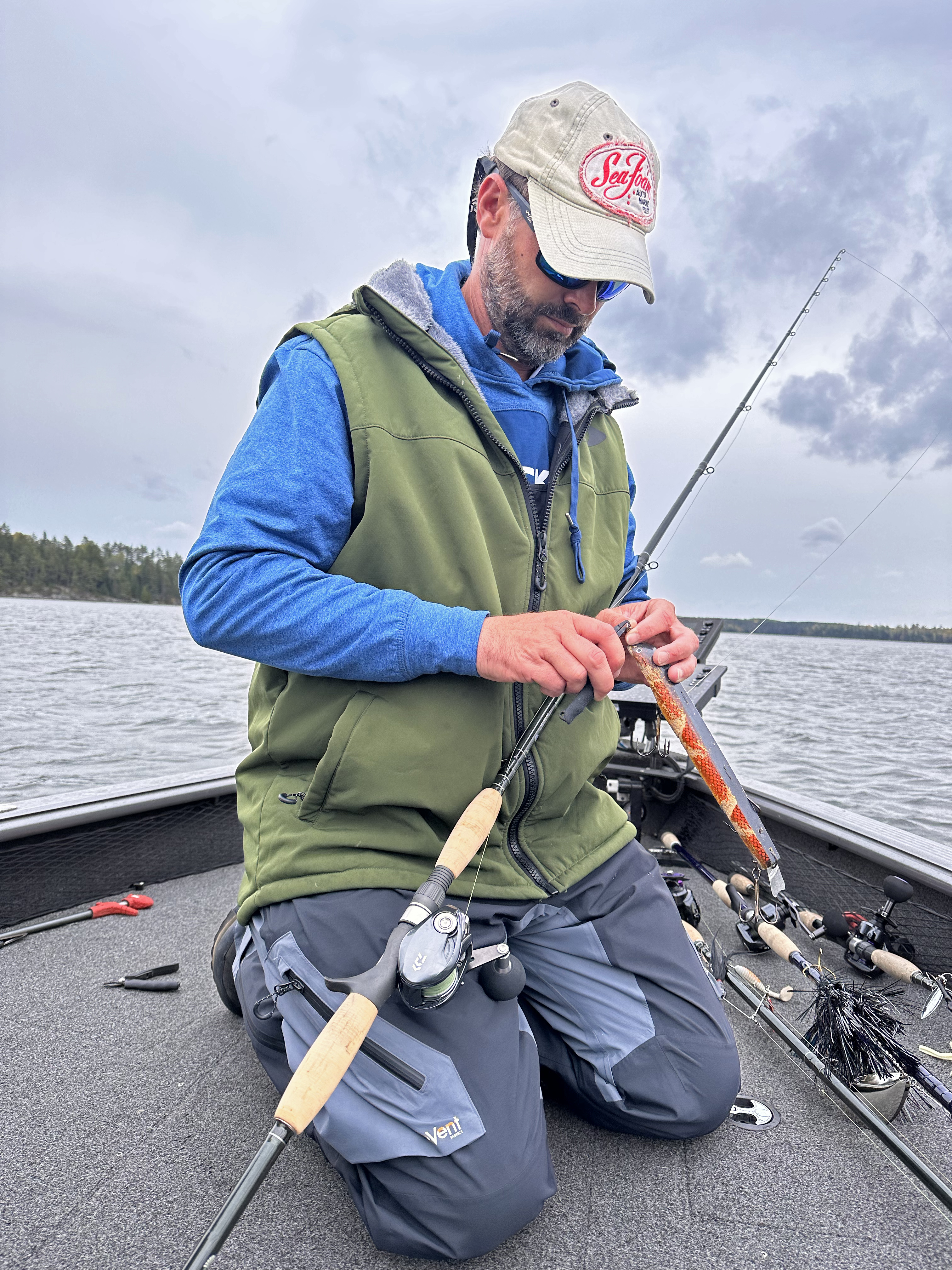
Sometimes, weed beds seem full of small pike and not much else. That’s when I target shallow rock reefs and points. If fish won’t come up for blades or topwaters, go deeper. My go-to here is the jointed Depth Raider. Cast long, crank it down to make contact with the rocks, and keep it there. At the boat, give it a couple of sharp upward rips with a long pause—you’ll often get an explosive strike right at your feet. Not many people fish this way, but muskies really like it.
Finally, make the most of your time by fishing hard when conditions are good: sunrise, sunset, warm overcast days, moon majors and minors, or weather changes.
When conditions are tough—bright sun and calm water—use the time to explore. Cruise for promising weed beds, scan rock piles for big boulders, or use electronics to locate bait. Finding your next hot spot during downtime will pay off later.
There’s never a bad time to fish muskies in Sunset Country—but early summer is a magical window you won’t want to miss.