3 Great Ontario Walleye Destinations
Karl of Extreme Angler recommends must do walleye lakes in Ontario.
By Karl Kalonka













“The best days you have fishing are the ones that surprise even yourself, don’t you think, Grandpa?"
I looked over at my grandson, Liam, who was perched in the passenger seat beside me drinking a hot chocolate as we drove home. Along the lonely, dark, snowy, backcountry road, I spotted a smile sneak across his face.
He was right, though—they are the days in your dreams.
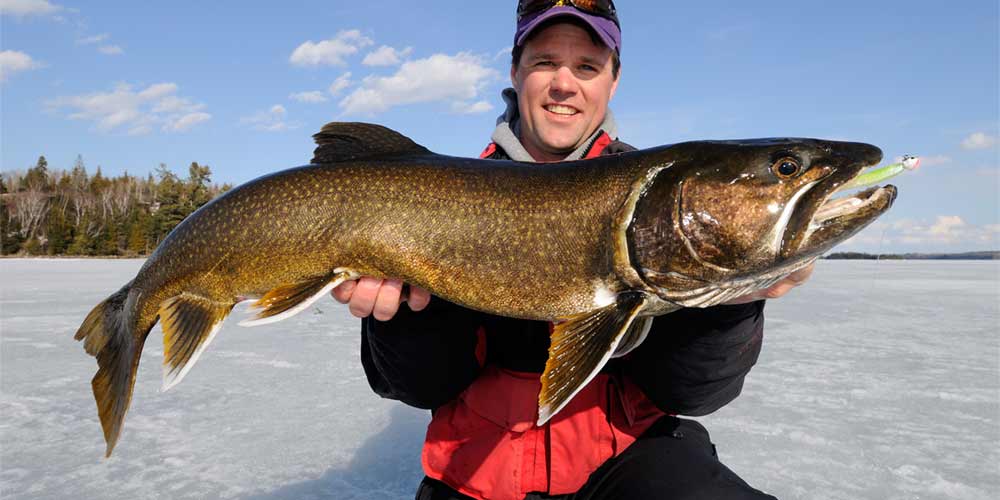
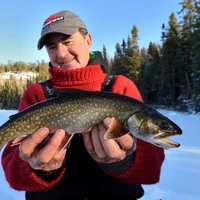
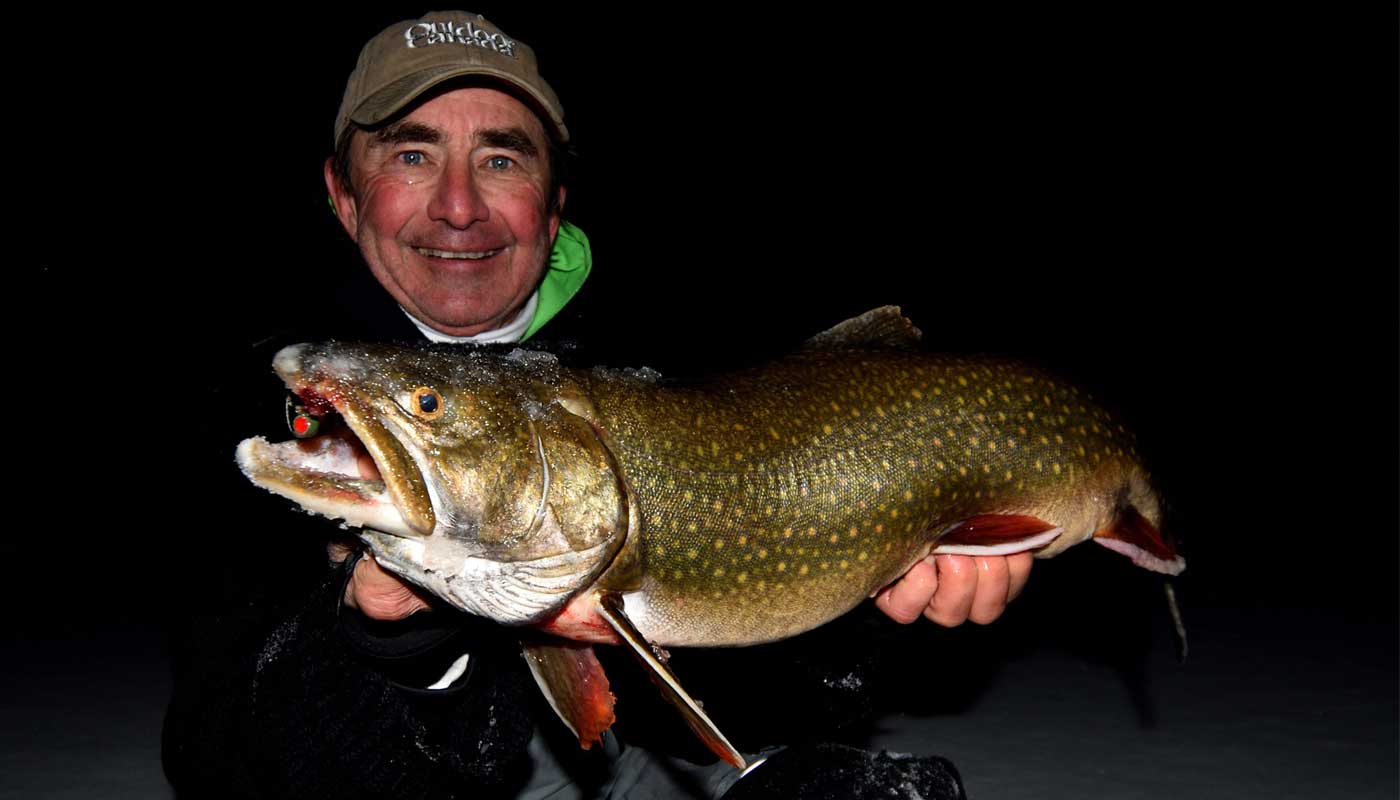
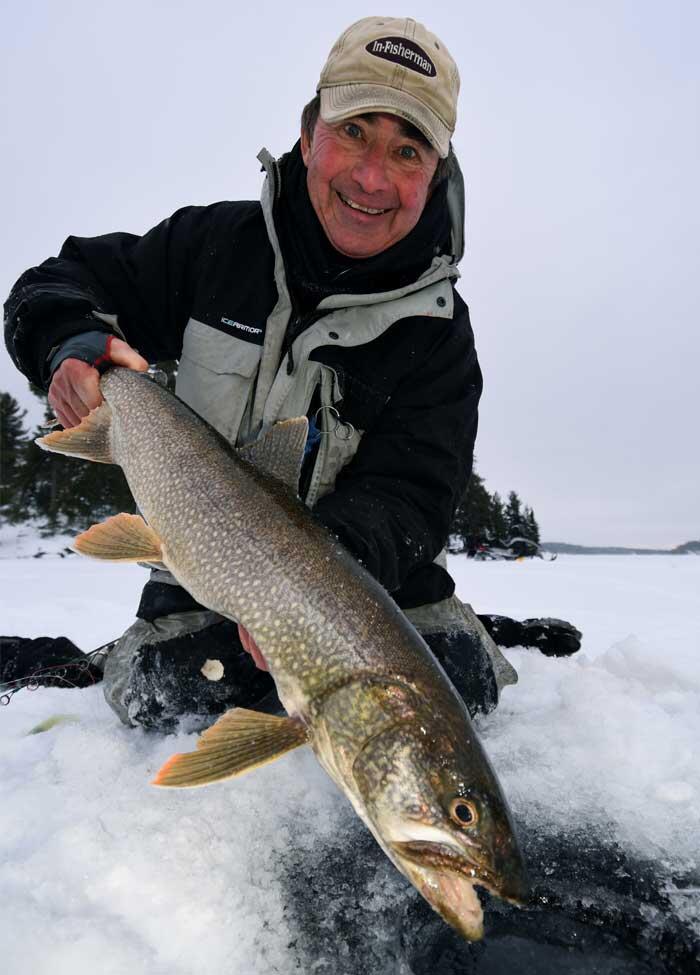
And we’d just come off a scorching streak of hot winter bites for everything from plate-shaped black crappies to giant lake trout and trophy-size splake to braggin’-size jumbo perch.
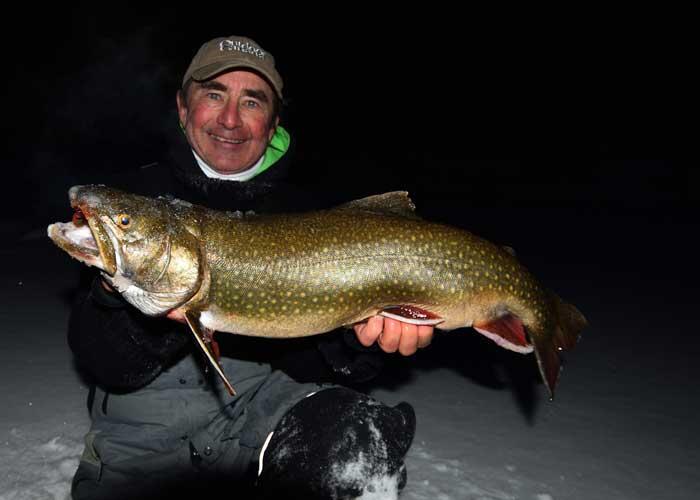
What was even more interesting, though, was the fact that we had caught the fish in such a dissimilar variety of Northwestern Ontario lake types. It seems nothing was consistent or patternable—except for one critical detail.
We caught all of the fish, every superb specimen, in different weather conditions, within the same one-hour period every day. The fish all hit between 4:30 pm and 5:30 pm, just as the sun was setting.
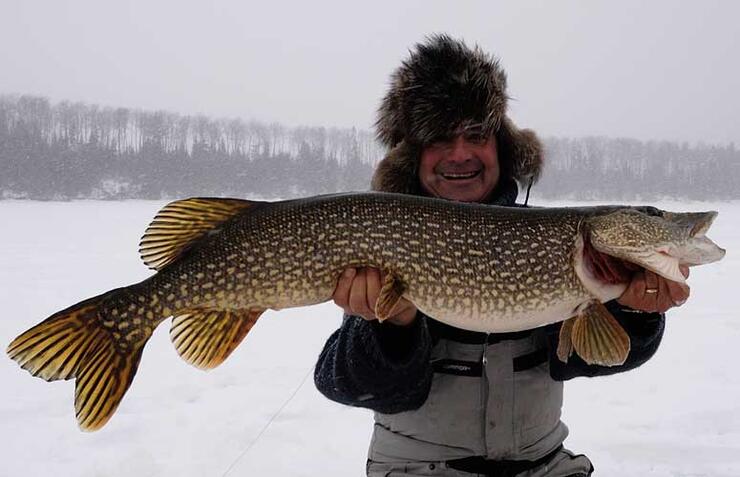
Sunset is the prime time to target northern pike and lake trout.
I’ve said it before, and I’ll say it again, but give me the first hour of daylight in the morning and the last hour in the afternoon, and you can have the rest of the day.
In a strange way, sunrise and sunset are like the surface of the water, which good friend and legendary muskie guru, Dick Pearson calls the “zone of chaos”— so much fish activity seems to be crammed into that marvellous couple of inches of air and water.
The same accounts for the first and last hours of light each day. It's when Nature comes alive and goes to sleep. And if you love to ice fish in Northern Ontario as much as I do, it is when you can't afford to catch yourself napping.
Indeed, sight-feeding fish like yellow perch are positively phototactic. Like humans, they can see much better during the day than they can at night. So when a new day dawns, it's like a rooster crowing. The changing light levels wake up the fish from their slumber positions near the bottom, and they start feeding lustfully.
In fact, in transparent lakes like Southern Ontario’s renowned Lake Simcoe, where round gobies blanket the bottom, the first light ice bite has become legendary. Sleep in and you'll miss it because many days you’ll be fishing for jumbo perch that you can clearly see milling below your hole in the crystal clear water, staring at your bait or lure, but refusing to bite it. They are so stuffed, having eaten so much at first light, that they’re looking now for a dinner mint at best.
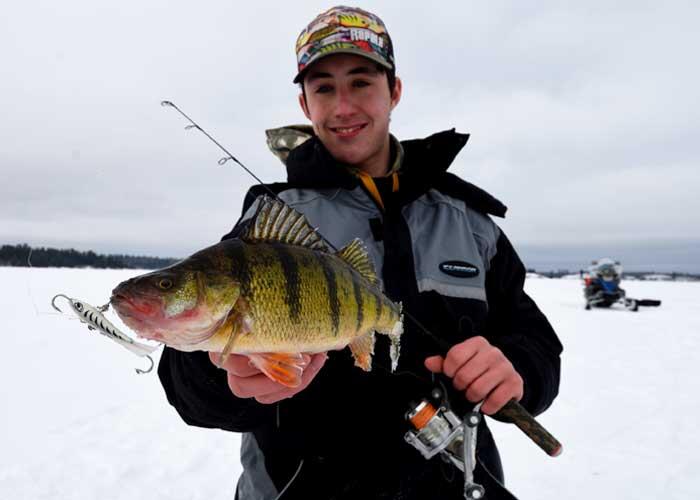
Here is something else I think you’ll find interesting. Walleye, which just so happen to be the yellow perch's Darth Vader arch enemy, are negatively phototactic. They hate the bright lights of Broadway or any other venue. So, during the day, perch enjoy the advantage of prey over predator.
Eventually, however, all good things come to an end, so when sunset arrives along with its quickly diminishing levels of light, it's the signal for the perch to chow down one last time before hitting the sack…or, in their case, the relative safety and security of the bottom of the lake.
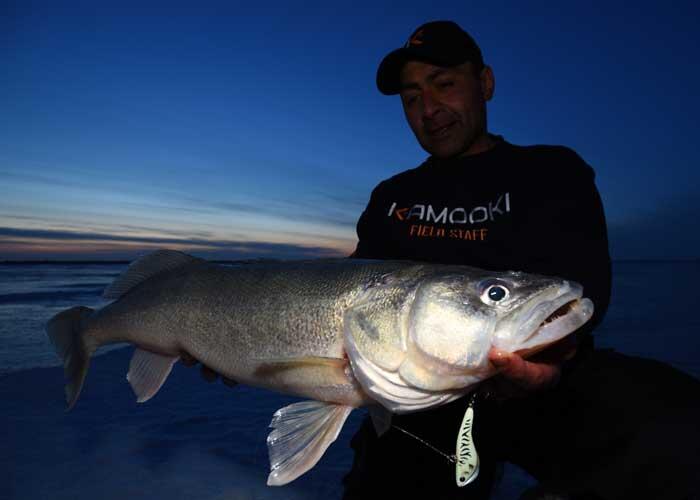
Unfortunately for the tasty yellow perch, however, these same conditions are a signal to walleyes—as well as lake trout, splake, northern pike, and several other species—that their dinner is out and about feeding, but quickly losing its ability to see them.
The tables are turning, in favour of the big-eyed toothy marauders. And of all the predators out at this time of the evening, the savvy ice angler often reigns supreme.
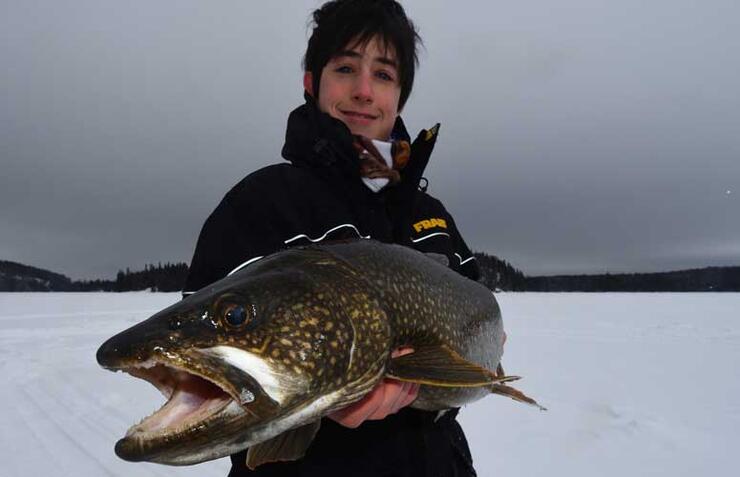
So, if you would like to surprise yourself the next time you go ice fishing in Northern Ontario, remember...hurry sundown.