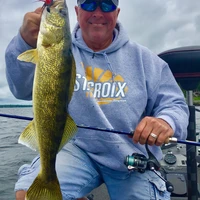
3 Great Ontario Walleye Destinations
Karl of Extreme Angler recommends must do walleye lakes in Ontario.
By Karl Kalonka
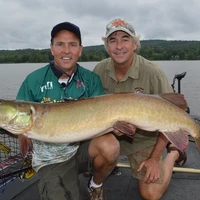


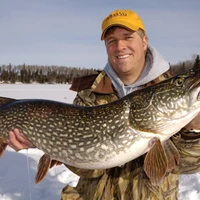

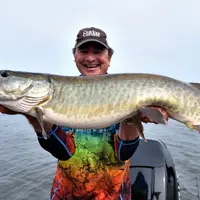



Living in Northern Ontario and getting to fish and hunt at least five out of every seven days suggests that I live a pretty charmed life. All those hours spent on the water also mean that I can do things -- "play," I like to call it - that most folks with limited time wouldn't dare try.
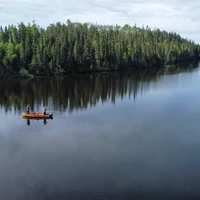
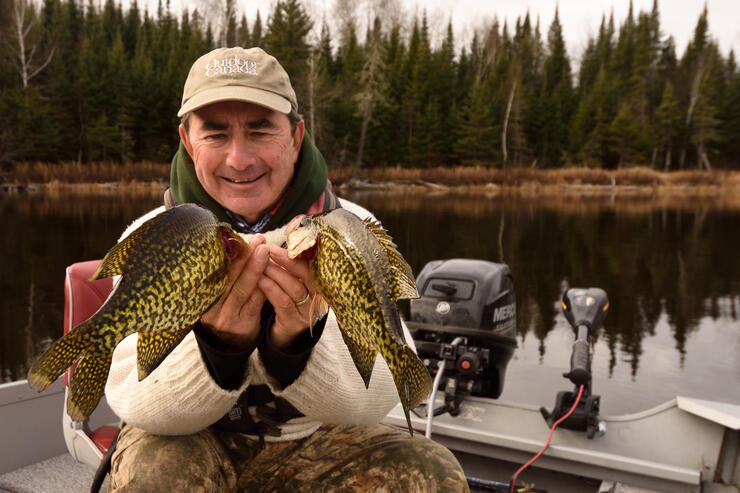
Like sitting over top a school of husky crappies and seeing just how important the size of your bait is when it comes to attracting and triggering the fish to bite. It is the game I played yesterday when I launched my 16-foot deep-V Alumacraft boat, equipped with a 20 hp Mercury tiller four-stroke and transom-mounted MinnKota electric trolling motor that I keep for all my backcountry travel adventures. It gets me into the remote small and medium-sized lakes - my Northern Ontario laboratory - that many anglers tend to ignore.
It is a big mistake.
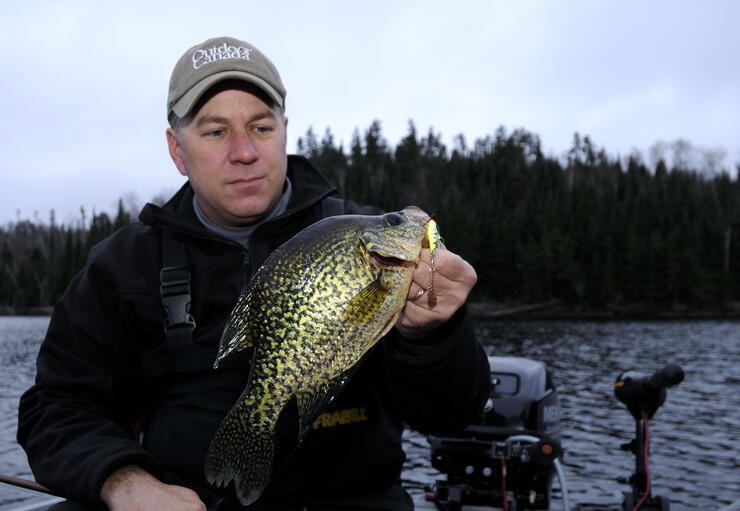
In fact, yesterday, I didn't motor more than a mile down the flat, mirror-calm lake when I looked at my sonar screen and watched it light up with big red arcs hovering a foot or so off the bottom. And when I dropped a 3/16th ounce chartreuse jig with a brown chenille body and blue hackle tail over the side of the boat, I felt a distinct thump, set the hook and reeled up a plump 13-inch black crappie.
Now, normally catching a fish on your first cast is bad luck - especially a 13-incher - but there were so many more crappies waving on the sonar screen that I knew it wasn't going to be the case this day. So I donned my lab coat - okay, it was a warm wool sweater -- and began the research.
Science has shown us that crappies, which have large mouths for their bulk, have an optimal forage size of 2 1/2 inches. We also know that in the fall, the fish are feeding uncompromisingly as they pack on the calories to get themselves through the upcoming cold winter months.
So, after I caught three or four more gorgeous 12- to 14-inch fish, I did what any inquisitive angler would do. I put down the big jig rod that was working so well and picked up an outfit on which I had tied a similar but much smaller jig.
The results were outrageous.
Believe it or not, I struggled to get a bite. Okay, well, struggled may not be entirely accurate, but at the very least, the fish were noticeably less excited about the appetizer than they were with the roast beef dinner.
And get this. The first fish that I hooked was only eight, maybe nine inches long. Ditto, the second and third. It was as though the school of husky crappies had packed up and moved on while a herd of diminutive "silver dollars" took their place.
But it wasn't the case.
As soon as I had put down the small jig rod and picked up the bigger outfit, I reconnected on the very first drop over the side of the boat. I felt a bang and hauled another slab crappie into the boat.
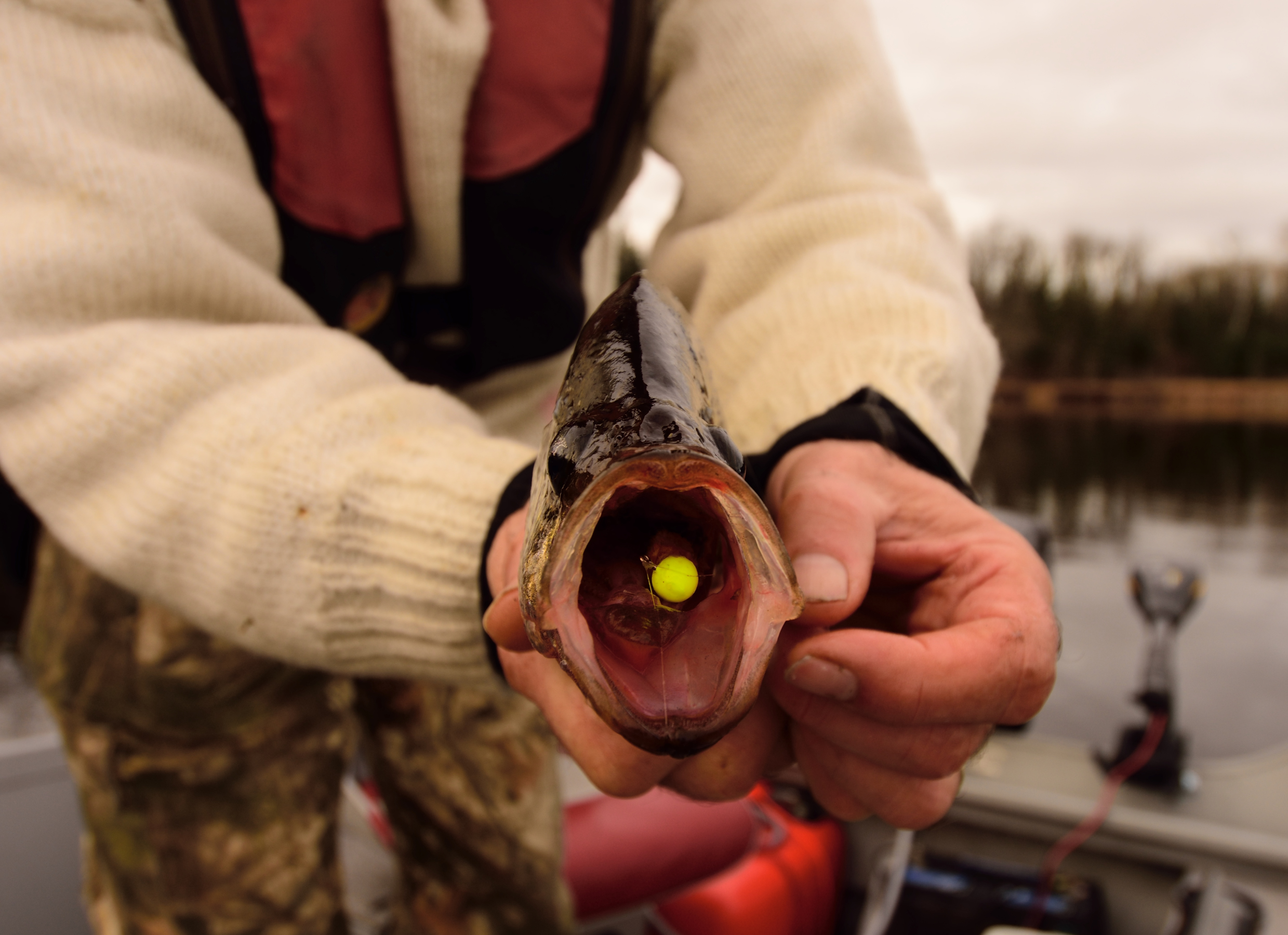
Even more surprising, however, was the location of the jig. It was so far down the big fish's throat that I wondered how it didn't choke on it.
And so it went for the rest of the day.
Amazingly, I could call the shot simply by the size of the jig that I selected.
If I wanted to catch a bigger crappie, I chose the larger 3/16th-ounce lead head. If I wanted a smaller crappie, I lowered the 1/16th model. Even more revealing, the few nicer-sized fish that I caught while presenting the smaller jig were barely hooked on the lip, whereas the steady stream of plate-size beauties was gagging on the big jig that was so far down their throats.
The takeaway from yesterday's experimentation is obvious and something I've preached for some time. While we often need to downsize our baits and go finesse, there are plenty of other times when we need to do the very opposite thing.
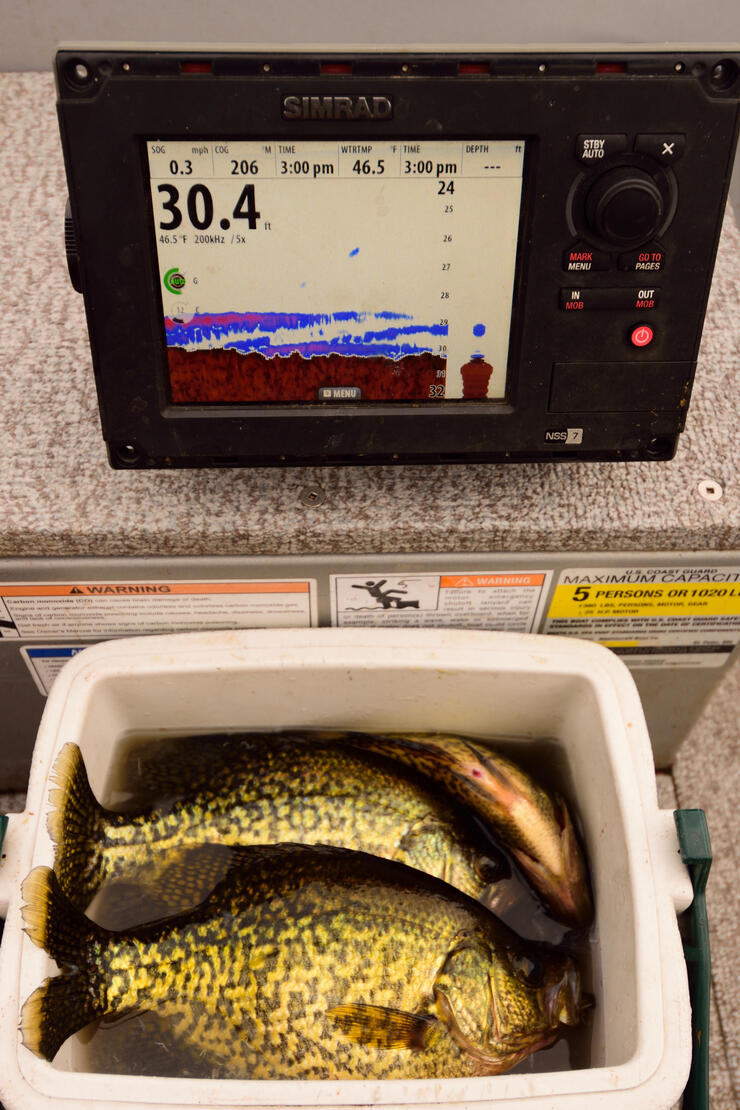
And if we did it more often, for black crappies, walleyes, yellow perch, bass, northern pike, lake trout and muskies, we'd catch more and bigger fish.
Which is why size matters when you fish in Northern Ontario.