3 Great Ontario Walleye Destinations
Karl of Extreme Angler recommends must do walleye lakes in Ontario.
By Karl Kalonka
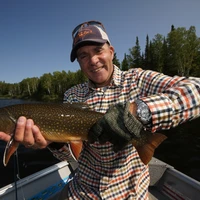

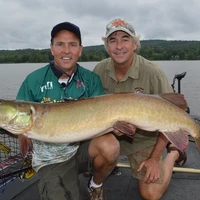

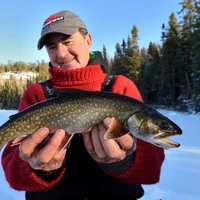


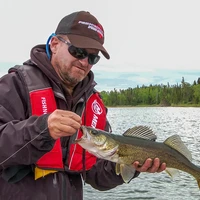





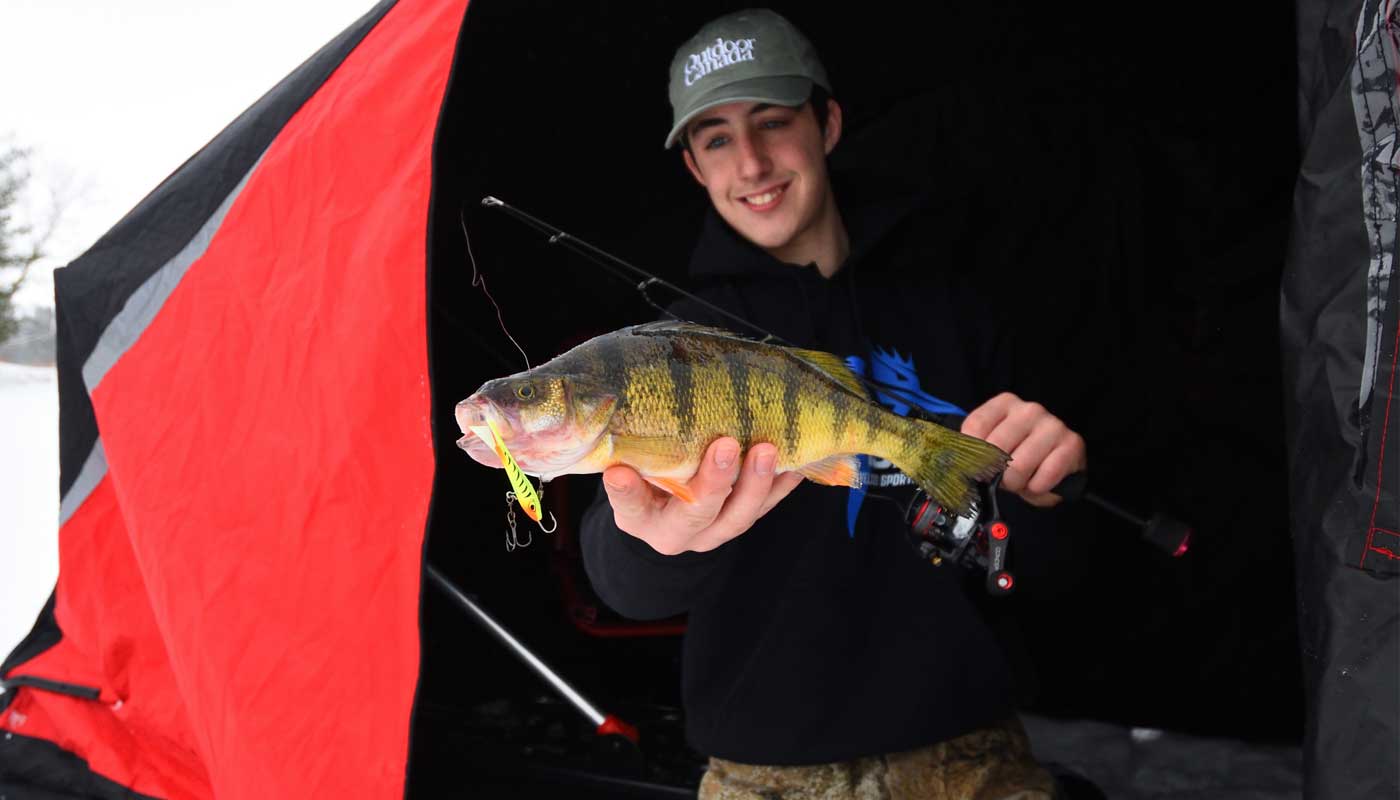
Call it what you may—the February doldrums or the mid-winter blues—the fact of the matter is that most ice anglers see a noticeable decline in the number of lake trout, walleyes, whitefish, yellow perch, and black crappies that they catch in the middle of the ice fishing season.
But what causes the dip in the action, and more importantly, what can you do to stem the tide? That is the question I put to three of Ontario's top ice anglers. Their answers may surprise you.
"We have two full moons in January and March each year," says Tom Batiuk, Marketing Director for HSM Outdoors, "February is the dark month, and I think the bug hatches slow down during these dark lunar periods. Less active hatches mean less active bait, as the minnows feed most intensively during the peak lunar cycles."
Batiuk also believes that lake trout, walleyes, and other game fish are so tuned into their environments that they instinctively feed during the peak moon periods in December and January, to the point that they stuff themselves in advance of the dark February phases.
It is pretty heady stuff, I know, but as the hot Fort Frances ice jigger says, "If you’ve ever cleaned an eater-size lake trout that you caught during the full moon period in January and looked inside its stomach, you know what I’m talking about. The fish are stuffed."
So, how does he treat mid-winter lockjaw?
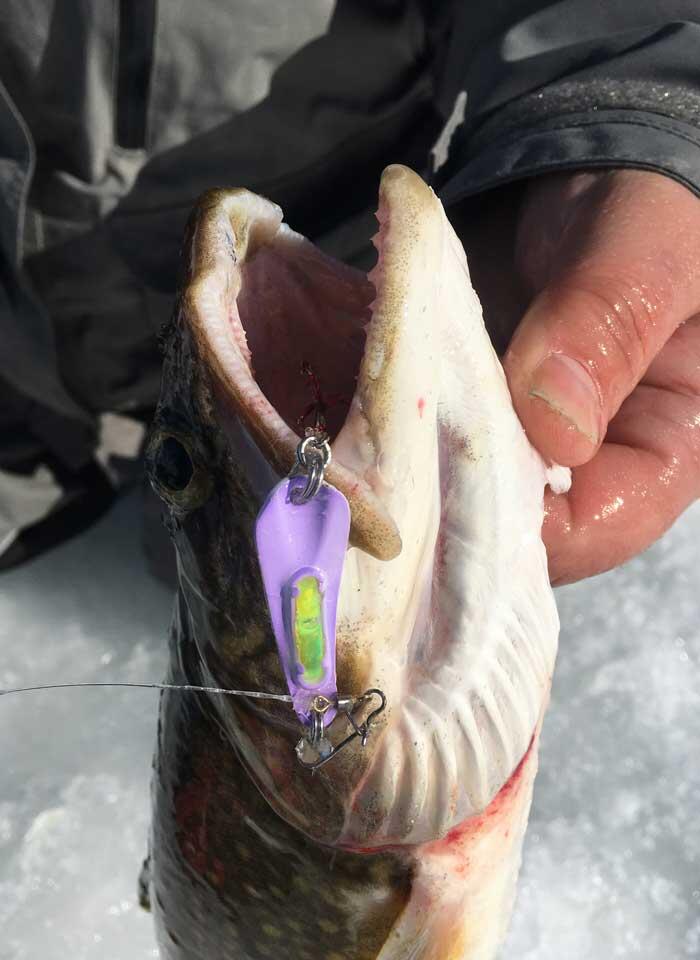
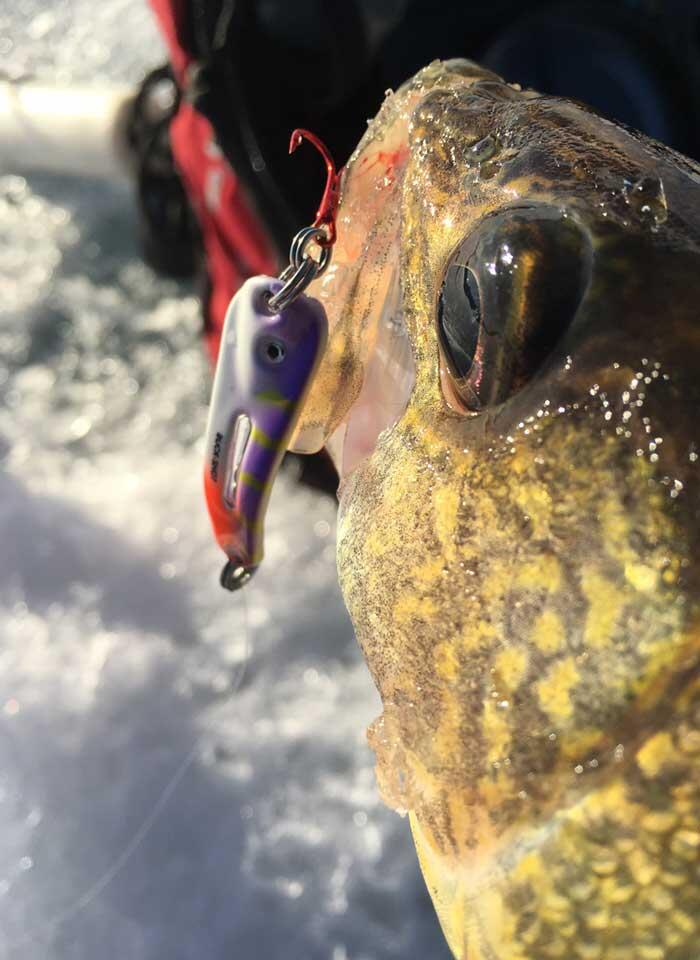
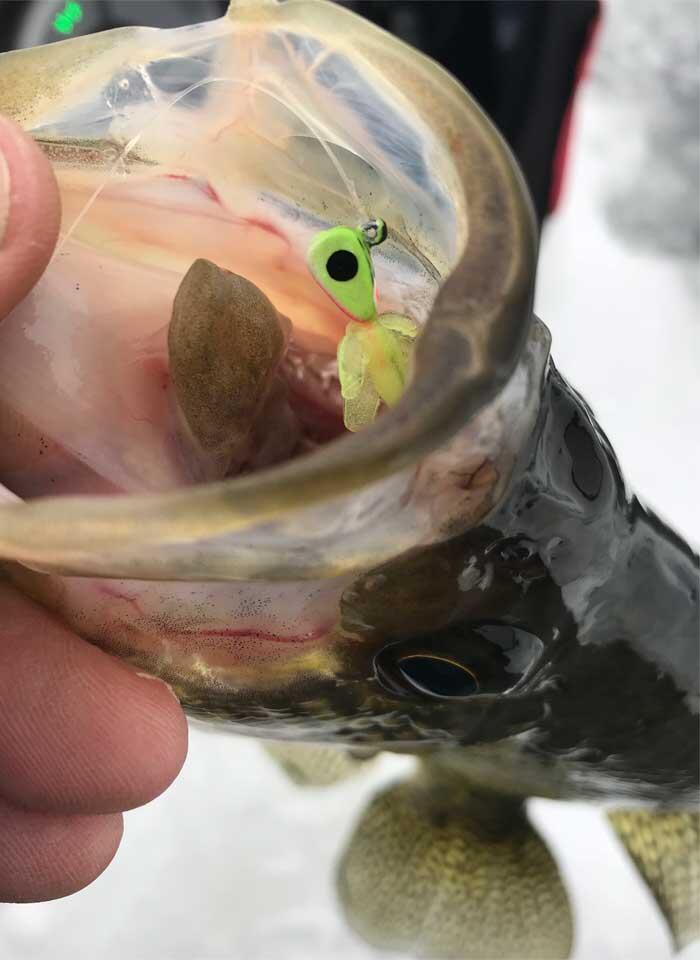
"I run and gun more in February," says Batiuk. "I move around a lot and drill more holes, hoping to contact more active fish. I also downsize my presentations. For walleyes, I like to use a 1/16-ounce spoon tipped with a wax worm or minnow head.
"For speckles and rainbows, on the other hand, I use a 1/8-ounce jig and small minnow or plastic combination. I’ve caught trout on a 1/16-ounce Northland Tackle Hexifly tipped with a 1-inch mini smelt when they weren't committing to larger presentations.
"The bottom line is that I let the mood of the fish dictate what I ultimately present to them. I have multiple rods rigged with a variety of baits, and I let them tell me what they want when I see them on the Vexilar."
Good friend, Pete Garnier, on the other hand, is the best—I mean absolute best—winter panfish angler I have ever met. He has been whacking giant crappies of late, icing scores of slab-sided beauties in the 15-, 16- and near 17-inch trophy length. Pete takes a slightly different view on the cause of the mid-doldrums.
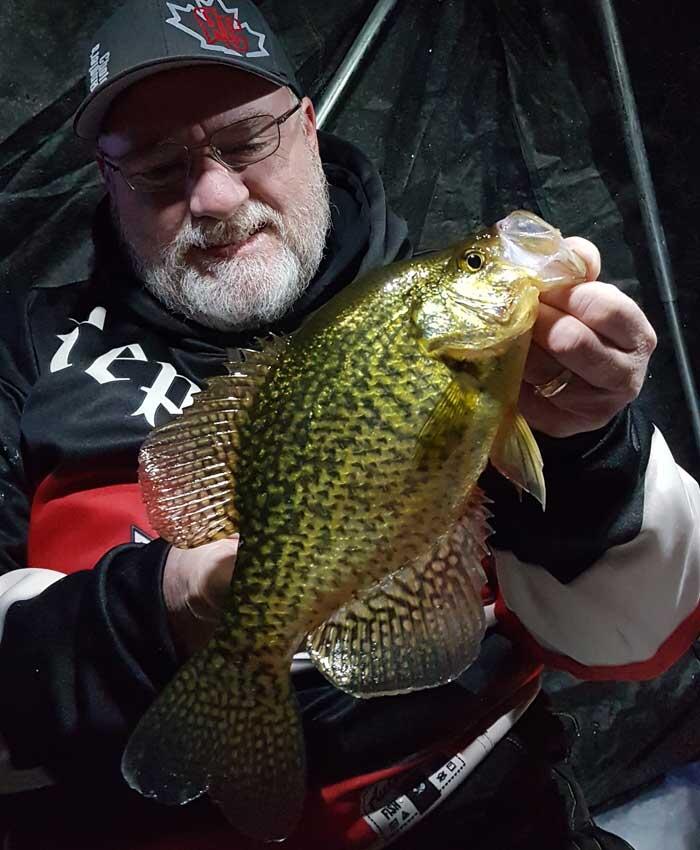
"To a large degree," says Garnier, "I think it takes a bit of time, four to five weeks at least, for the fish to settle into their new ice-sealed environments. At first ice, food sources are more abundant in the best wintering holes, but as the fish graze these areas down, they require more effort and energy to find and catch their prey. I think they start depending more on their energy reserves and thus, feed more conservatively. It's sort of like the "dog days of summer" when the fish activity window shrinks and becomes much smaller."
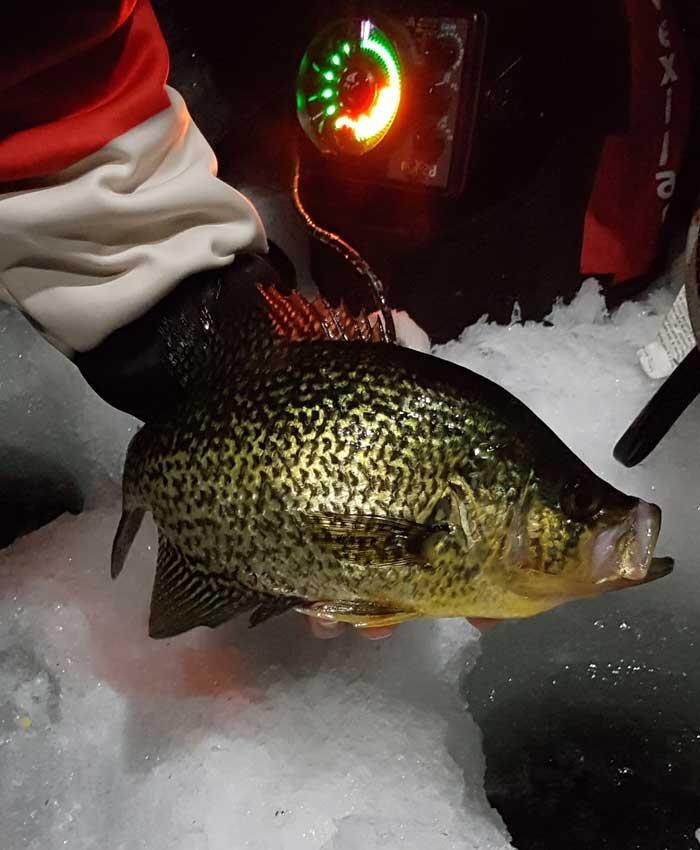
Like Batiuk, Garnier typically drills more holes in February as he searches for active fish. And he slows down his presentations deliberately.
"Slowing down makes the biggest difference," the personable pro explains. "When I am crappie fishing, for example, rather than steadily pounding the jig, I'll use an excruciatingly slow, simple, snail's pace steady lift. It turns the lookers into biters in mid-winter."
Last but by no means least, North Bay ice fishing guru Mathew Koprash says cold fronts and fishing pressure contribute greatly to most mid-winter anglers' woes.
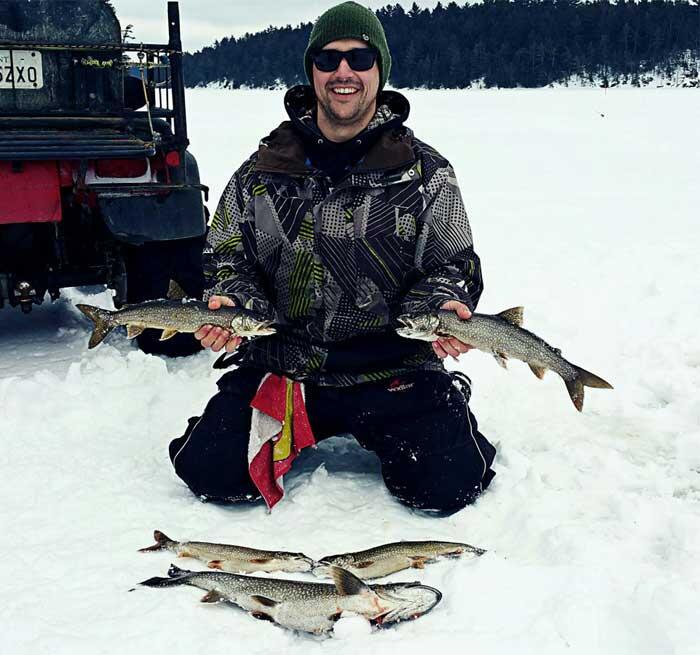
"The month of February is cold," says Koprash, noting this year is no exception. "The polar vortexes put the fish into neutral and negative moods and toughen up the bite considerably."
As for fishing pressure, Koprash says he took a long snowmachine ride across Lake Nipissing on the weekend and saw plenty of permanent and portable ice shelters, as well as folks ice fishing from their vehicles.
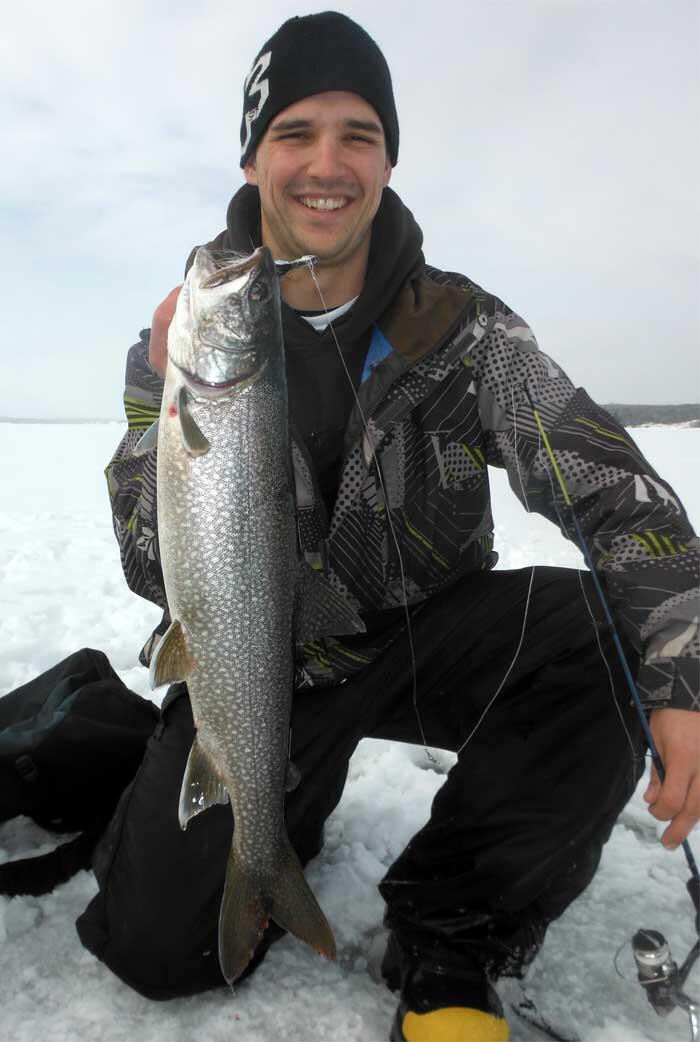
"Fish start seeing the same offerings presented to them continually under the ice," says Koprash. "Cars, trucks, snow machines, and ATVs are noisy, rumbling across the ice, emitting vibrations that the fish feel through their lateral lines. They know something is not right and become wary."
When he notices this happening, Koprash, like Batiuk and Garnier, downsizes his offerings and starts using reaction baits to force strikes from fish.
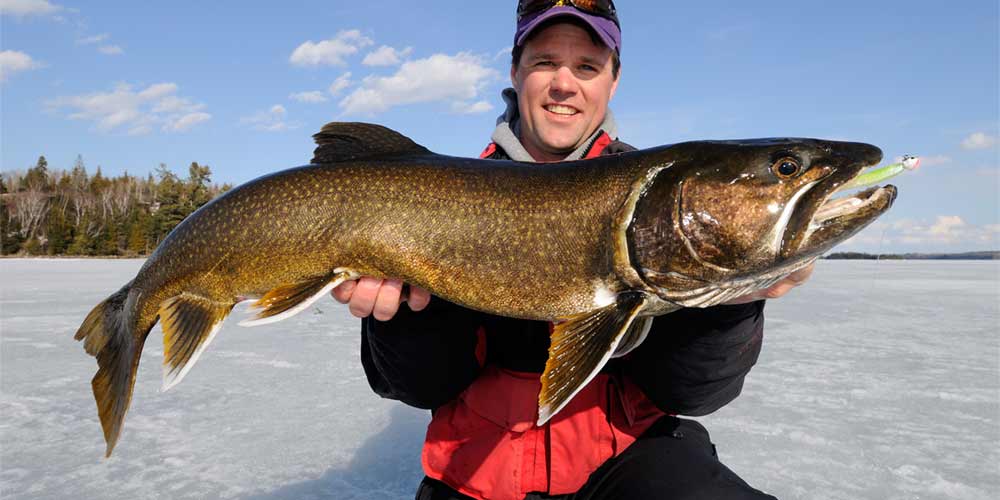
"I also start targeting lake trout," says Koprash, who notes the later season opener in Fisheries Management Zone 11 means the fish haven't been pressured. "I also like to travel to more remote and less accessible lakes."
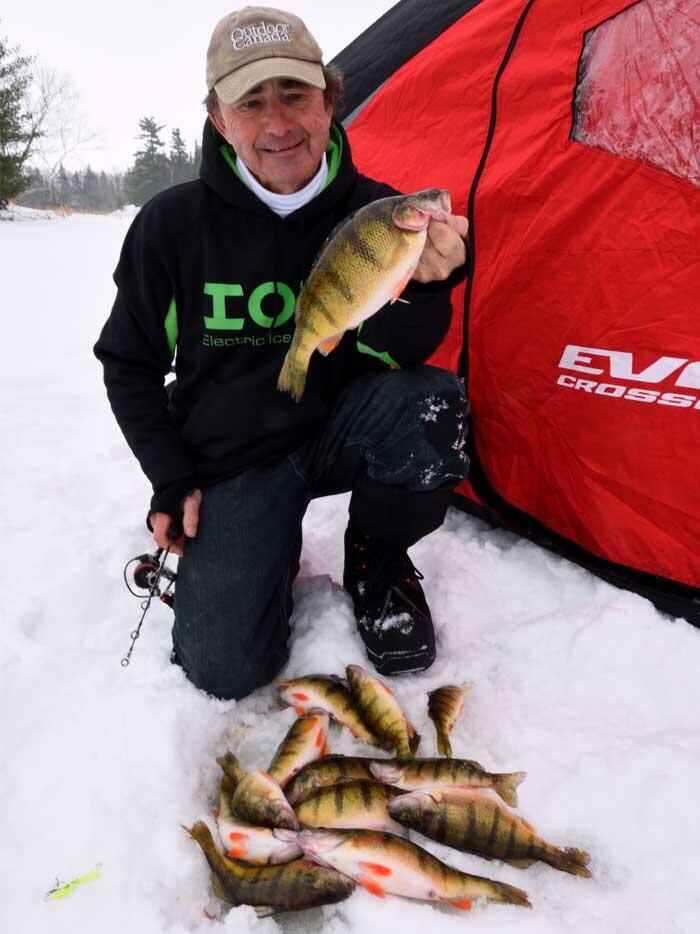
Then, as almost a gentle reminder, Koprash reminds us that "the fish are still out there and they are willing to bite. You just need to keep a positive mental attitude and make the right adjustments. We change baits, locations, and presentations in the summer—why not do the same thing in the winter?"