10 Facts About Lake of the Woods
10 facts amazing about this massive Northwest Ontario Lake!
By Carol Caputo








Editor's Note: This article was first published in 2020.
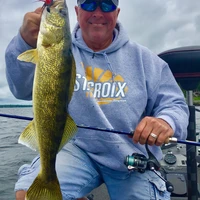
Springtime walleye fishing is a favourite pastime for Canadian anglers, one that signals the end of winter and the beginning of a new fishing season. At times, early-season walleyes seem almost suicidal, hitting every type of bait that gets thrown their way. At other times, though, they can be so stubborn that anglers may wonder if there are, in fact, any walleyes in a particular water body.
More often than not, it isn’t that the fish won’t bite; it’s more likely that they’ve moved from where they were yesterday, or last week, to a new location as they go through the transition from spawning to setting up in their summer ranges.
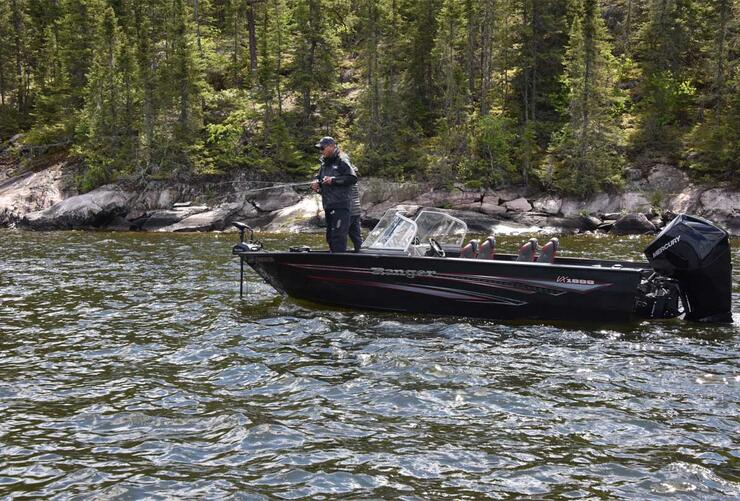
At the beginning of the season, walleyes can be found close to their spawning areas. In rivers, look for rocky areas in the white water below dams or falls to be the prime spawning water. Fish will often be feeding in the vicinity of these areas, holding out of the main current flow along current seams, in slack water behind boulders, and in deeper holes or eddies. In lakes, spawning walleyes generally use shallow boulder or coarse-gravel shoals that are exposed to wind and wave action, but they will also use rocky shorelines. Feeding fish that have completed spawning will use these areas too, moving shallower or deeper along the structure depending on forage availability, water clarity, and light penetration.
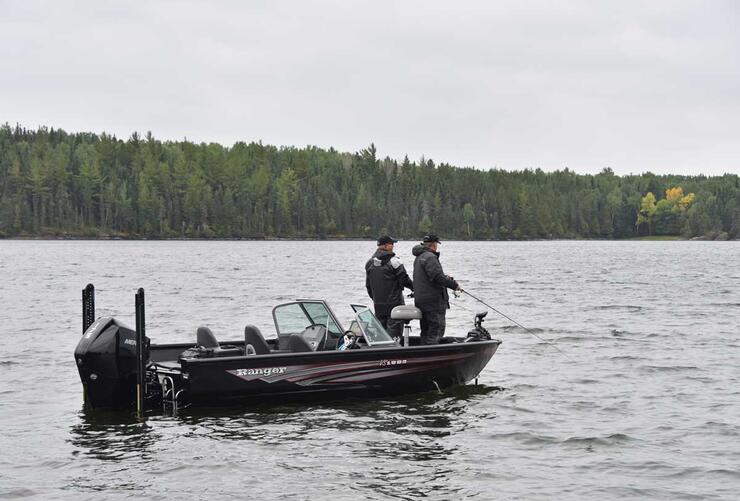
After the spawn, walleyes will begin moving to their summer areas. The larger females leave first, immediately after spawning, while the smaller males often stay around the spawning sites for up to several weeks. The shift in location is gradual, but steady, and fish may move from a few hundred yards in large rivers to several miles in lakes. This movement is usually along structural lines or along some form of cover. If walleyes must cross large expanses of open water to reach their summer ranges, they will use a route that puts them in contact with structural elements along the way. Once the bonanza of fish catching around traditional spawning areas subsides in late spring, it’s wise to begin working deeper weed lines or drop-offs in lakes and channel edges or steep banks in rivers, to intercept post-spawn fish.
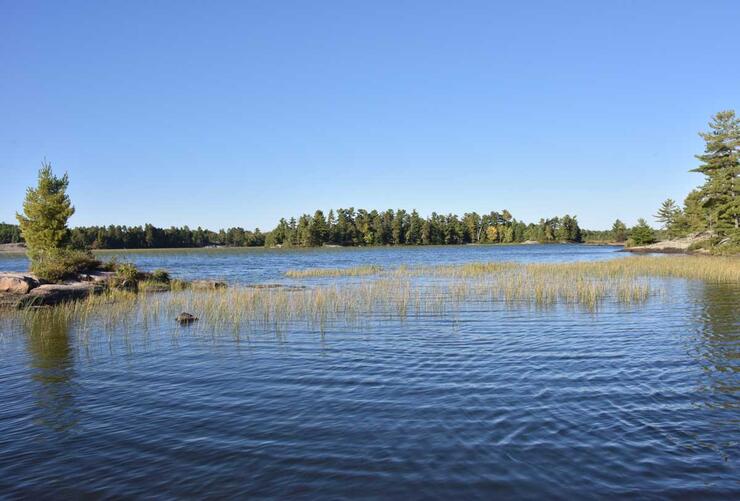
Walleye are adaptable to a wide range of habitats and will use weeds, rock, or wood, depending on what’s available to them and where the highest concentrations of forage are located. In stained water systems, walleyes will generally be located in shallow water relating to weeds or wood, while in clear lakes or rivers, they will most often use deeper, rocky areas.
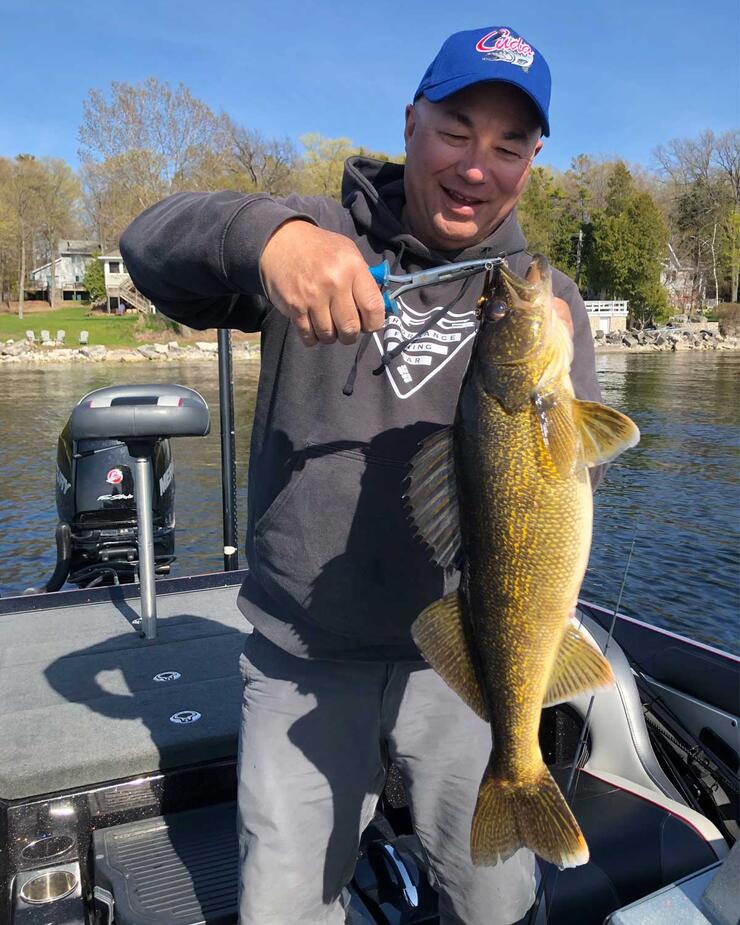
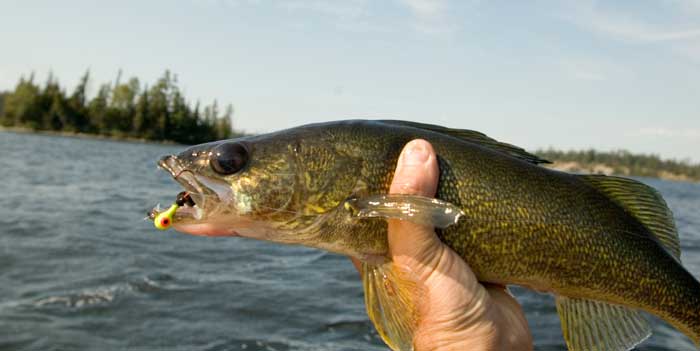
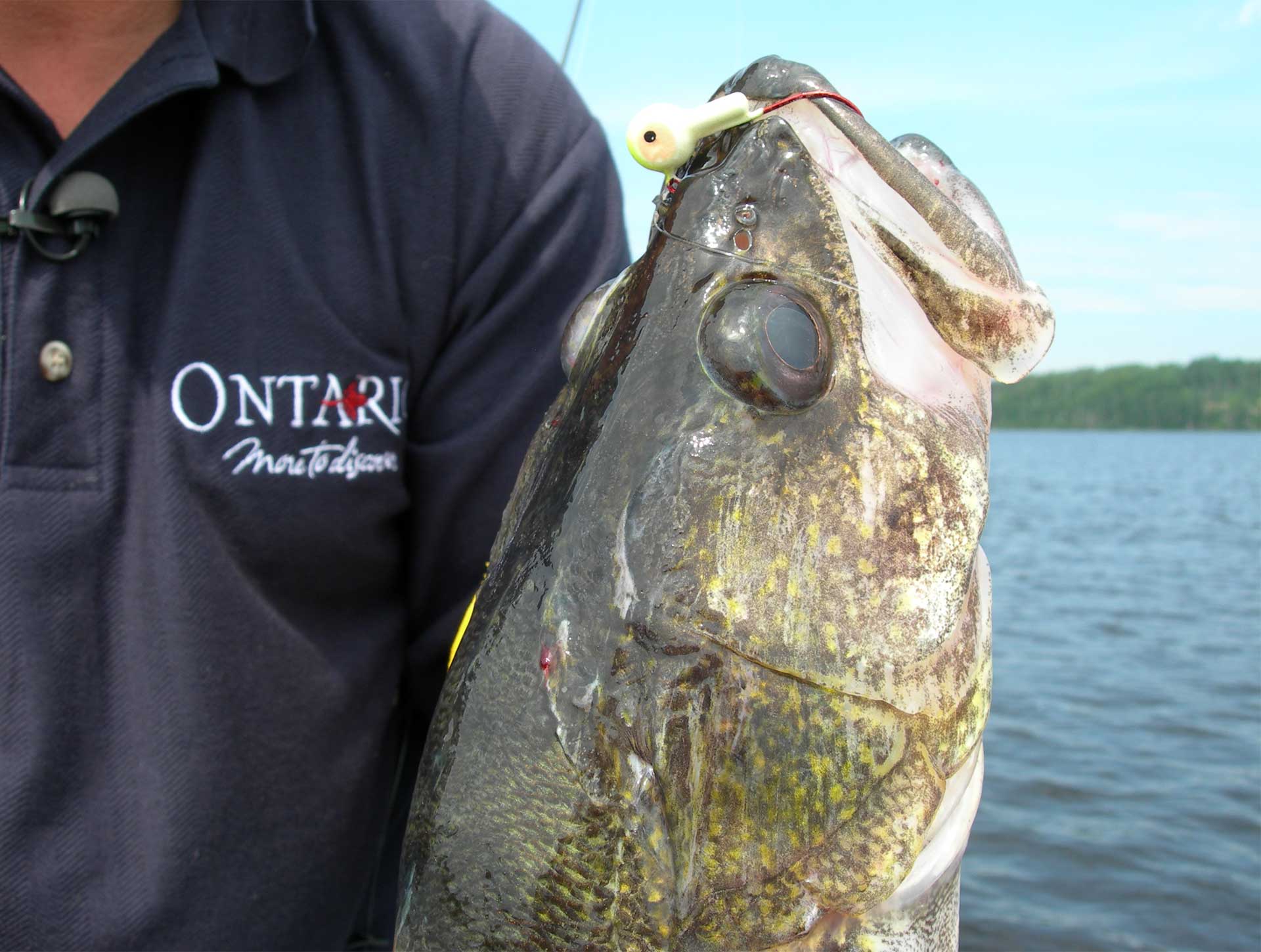
Shallow fish in stained water can be active throughout the day, and they can be caught on both horizontal and vertical presentations. Crankbaits, spinners, spinnerbaits, and spinner rigs are all effective baits for covering water, whether they are cast or slowly trolled. Jigs tipped with live bait or soft plastics are ideal for slightly less active fish. In weedy lakes, flipping, pitching, or rip-jigging bucktail jigs or jig/plastic combinations to weed pockets and weed edges is an often overlooked technique that produces quality fish.
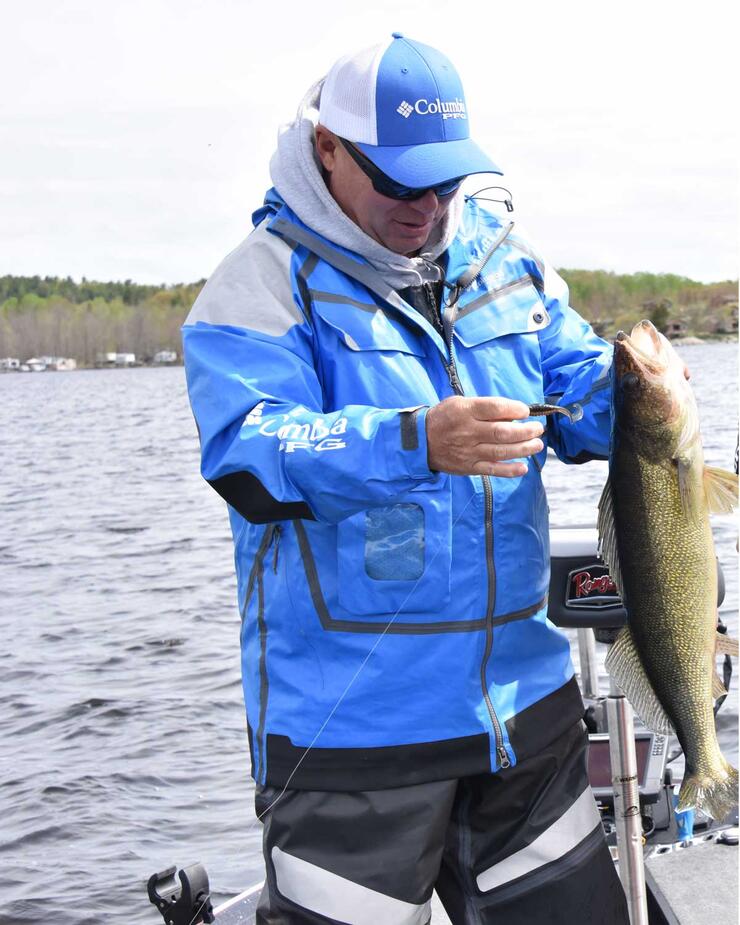
Fish in clear water usually restrict their feeding to low-light periods, when they move onto the shallower sections of deep water structures. However, they can also be caught during the day by fishing slowly and vertically, close to or right on the bottom around the edges of the same humps, shoals, or points that are effective at dawn and at dusk. Jigs tipped with live bait or soft plastics are good choices, as are live bait rigs or slowly trolled spinner rigs.
Under low-light conditions, crankbaits, spinners, or spinnerbaits worked over the tops of shoals or the shallow sections of points are the most efficient way to cover water and connect with feeding fish.