9 of the Most Beautiful Fall Destinations
And they’re all in Ontario.
By Jessica Wynne Lockhart


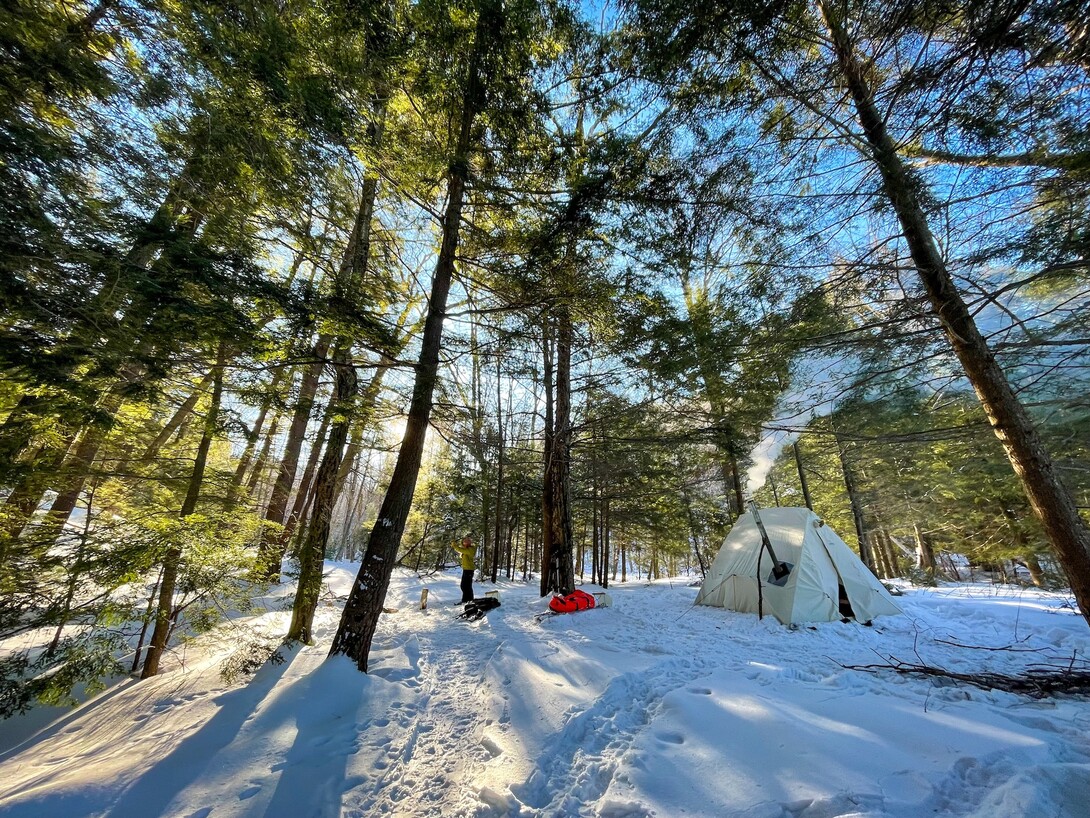

Canadians don’t let a little (or a lot) of snow stop them from going camping. In fact, many outdoor enthusiasts actually prefer to explore the country’s wilderness in the wintertime. Camping in the winter means skipping the crowds—and the bugs. It’s a special time to be outside: the woods are quieter under blankets of snow, the stars are brighter amid the cold air, and the animals are cuter in their fuzzy fur coats.
Of course, winter camping requires a different skillset and somewhat different gear than in the summer. The good news is, it’s more accessible than you might think. These days, there are lots of ways to ease into winter camping in Ontario, including by sleeping in a heated yurt, going on a guided trip, renting gear and staying at a campground.
Many warm-weather campers wonder: is winter camping fun? Seasoned winter campers will spend hours talking about the pleasures of camping in the snowy months. Find out everything you need to know to get started below.
There are two main types of winter camping: cold camping (staying in a four-season tent with no heat source) and hot tenting (staying in a large canvas tent with a wood stove). You can also build and stay in a quinzhee (a snow shelter); however, this takes a long time and requires specialized knowledge.
If you’re not ready for either of these options, where you’ll be more exposed to the elements, you can opt to winter glamp by staying in a cozy yurt or cabin. These heated shelters are offered at various Ontario Parks and private resorts across the province. If you have a trailer, winter RV camping is also permitted at many frontcountry campgrounds.
When it comes to where you can go winter camping, much like with warm-weather camping, you can choose to stay at a frontcountry campground or venture out into the backcountry. In particular with winter camping, it’s recommended to start out at a campground. Learning how to winter camp can take some time as you figure out what gear you need. Being close to your vehicle and amenities will help you learn those lessons in a safe environment.
Glamping is a year-round activity providing a more comfortable alternative to camping, while still allowing you access to some incredible outdoor adventure locales. In the winter in particular, glamping is an attractive option for those who want to enjoy snowy activities at remote locations without having to learn the ins and outs of winter camping. Glamping opportunities vary, from soft-sided yurts to small wooden cabins, some heated with electricity and others with woodstoves.
Some of the best places to try winter glamping in Ontario are at a provincial or national park.
Following you’ll find an overview of some of the top winter glamping spots in Ontario. Read our article about the Best Winter Glamping in Ontario for more ideas.
Six yurts, located in the Mew Lake Campground, are available for rent during the winter. Accessible by vehicle, these tent-like structures are equipped with basic furniture and electric heat. There are also four rustic cabins at Mew Lake, which are accessible by car and consist of one room. Algonquin is brimming with activities in the winter: choose from hiking, snowshoeing, cross country skiing, ice skating and more.
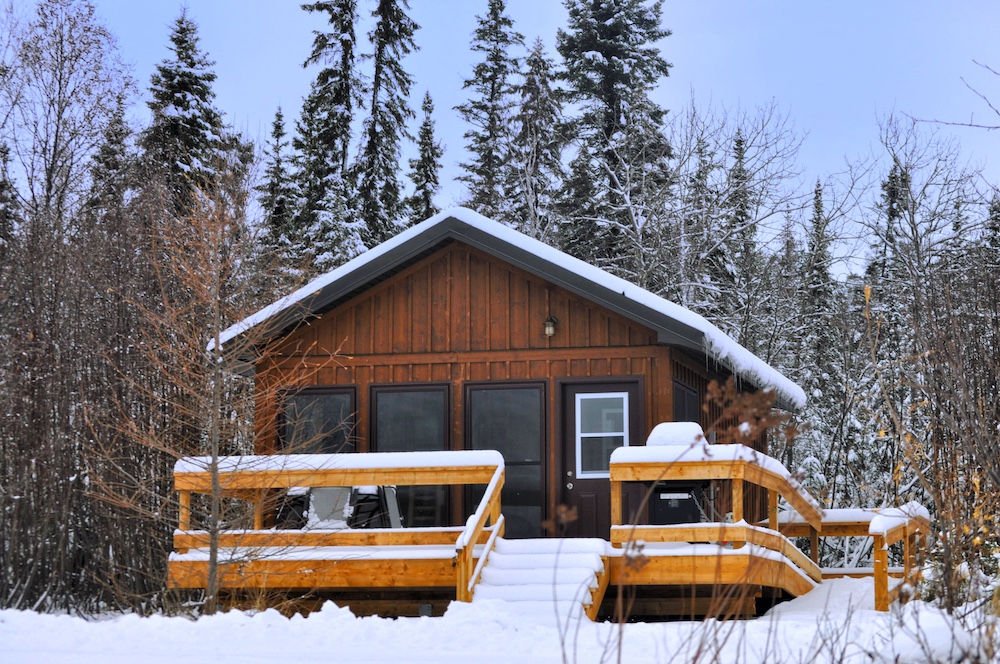
Visitors at Windy Lake can stay at one of four yurts or two lakeside rustic cabins to enjoy the winter activities. Note that in the past the yurts were only accessible by foot in the wintertime, but starting in 2026 the staff will be plowing the road up to the yurts. There are over 15 kilometres of professionally groomed ski trails (both classic and skate skiing options) for all skill levels plus incredible ice fishing and snowshoeing available at the Park.
Stay warm and cozy in one of Silent Lake’s eight winterized yurts or 10 rustic cabins. Parking is located on-site for three of the yurts; for the five remaining yurts, you’ll need to trek in approximately 500 metres. Half the yurts have electricity and are heated as such, while the other half have no electricity and are heated by woodstove (wood provided). Cross country skiing and snowshoeing are popular winter activities at the Park.
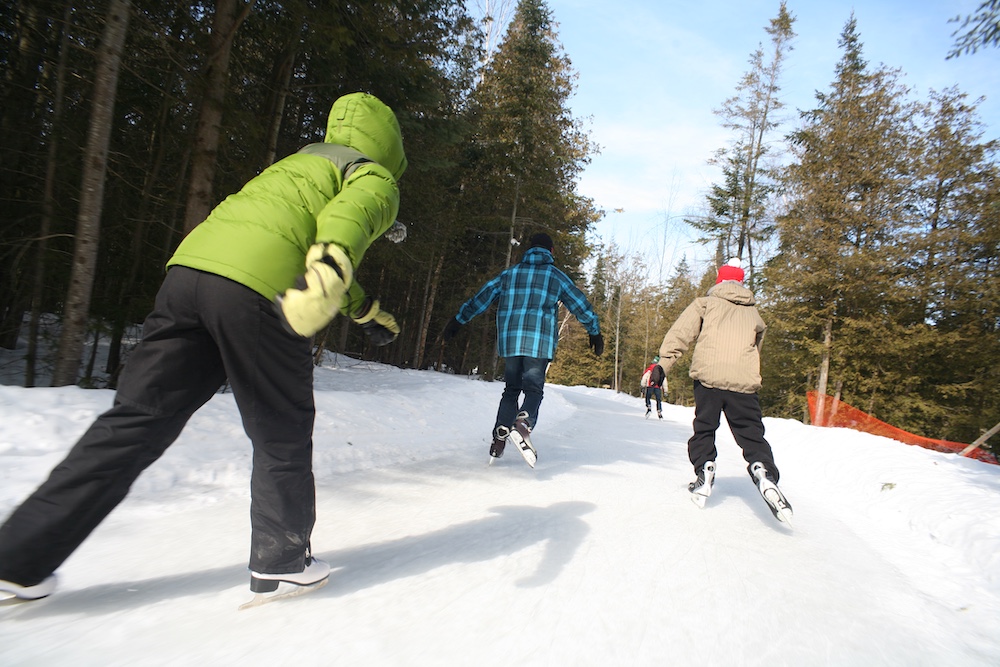
There are seven yurts and 10 rustic cabins for visitors to MacGregor Point to stay in over the winter. Enjoy excellent snowshoeing, cross county skiing and ice skating on the Park’s 400-metre skating trail. A heated comfort station with showers and flush toilets is open all winter.
The winter magic of Killarney can be enjoyed by booking a stay in one of the Park’s six yurts or two rustic cabins. The campground gates are locked in the winter, so be aware that you’ll need to travel by foot (or more likely in the winter, by snowshoe or ski) to get to your accommodation. One toboggan is provided per booking to help you transport your gear. Potable water, sinks and flush toilets are available in a heated washroom attached to the main office.
You can rent one of 10 yurts at the Cyprus Lake Campground at Bruce Peninsula National Park in the wintertime to enjoy the Park’s many snowshoeing and hiking opportunities. Each yurt is heated by a woodstove. A sled provided by the Park can be used to help transport your gear to the yurt, as parking is not permitted at yurts in the wintertime.
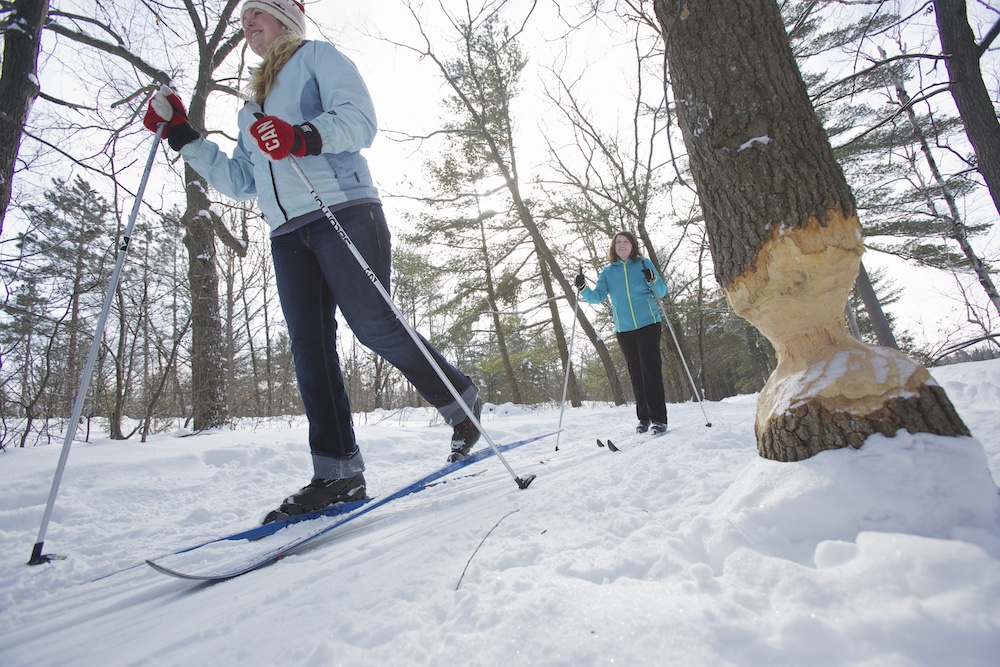
The Pinery has six furnished yurts and eight rustic cabins at the Riverside campground, located beside the picturesque Ausable River. Pinery's visitor centre is open most days and guided nature hikes on trails are held on select dates throughout the winter. There are 40 kilometres of cross country ski trails that form a series of loops and in the centre of the Park, there is a heated chalet and toboggan hill.
For winter glamping close to Ottawa, check out the ready-to-camp units—including yurts and four-season tents—and cabins at Gatineau Park. These accommodations are only reachable by snowshoe or ski.
For a winter glamping experience closer to home (for those located in Southern Ontario), Valens Lake Conservation area offers cabins for rent year-round. There are eight cabins in three different layouts: cabins that sleep up to two, up to five, and up to six people. Reservations can be made up to six months in advance.
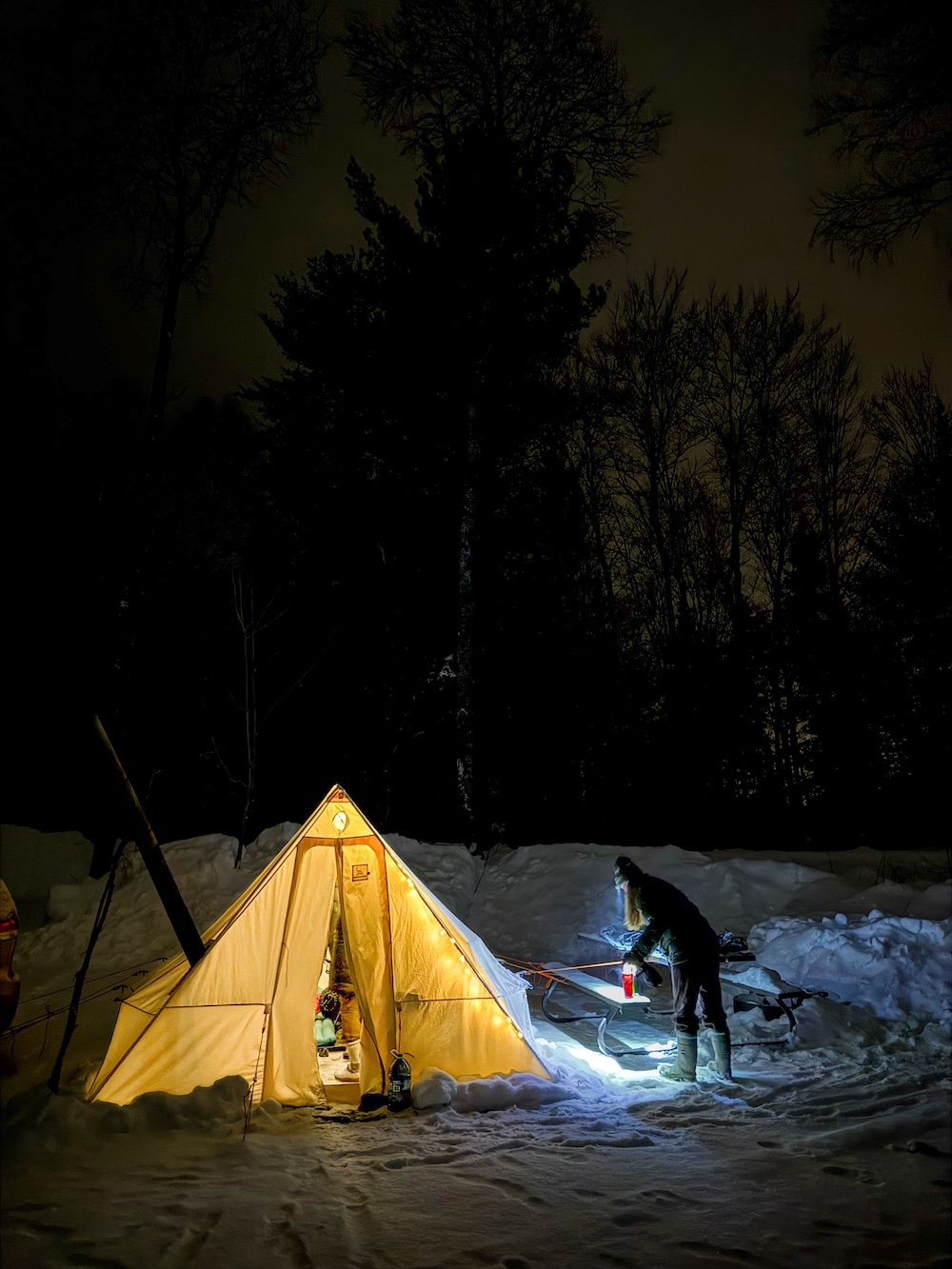
Hot or cold tent camping at a campground in the wintertime is a great first step for those new to winter camping. Doing so gives you access to amenities you wouldn’t have in the backcountry, such as electricity, comfort stations, and your vehicle. Being able to drive to your campsite affords you more flexibility in your gear—for example, instead of investing in a winter sleeping bag, which would be necessary on a backcountry trip where space is at a premium, you can bring two summer sleeping bags and extra blankets to keep warm.
When frontcountry camping, it’s also easy to bail if things don’t go as planned. Unless you’ll be going with someone experienced, starting out winter camping at a campground is a matter of safety, enabling you to dial in your gear and gain new skills in a safe environment before venturing out farther where help isn’t so close at hand if you need it.
Frontcountry camping is available at select Ontario Parks and Parks Canada campgrounds in Ontario.
Read about some of the top places for frontcountry winter camping below.
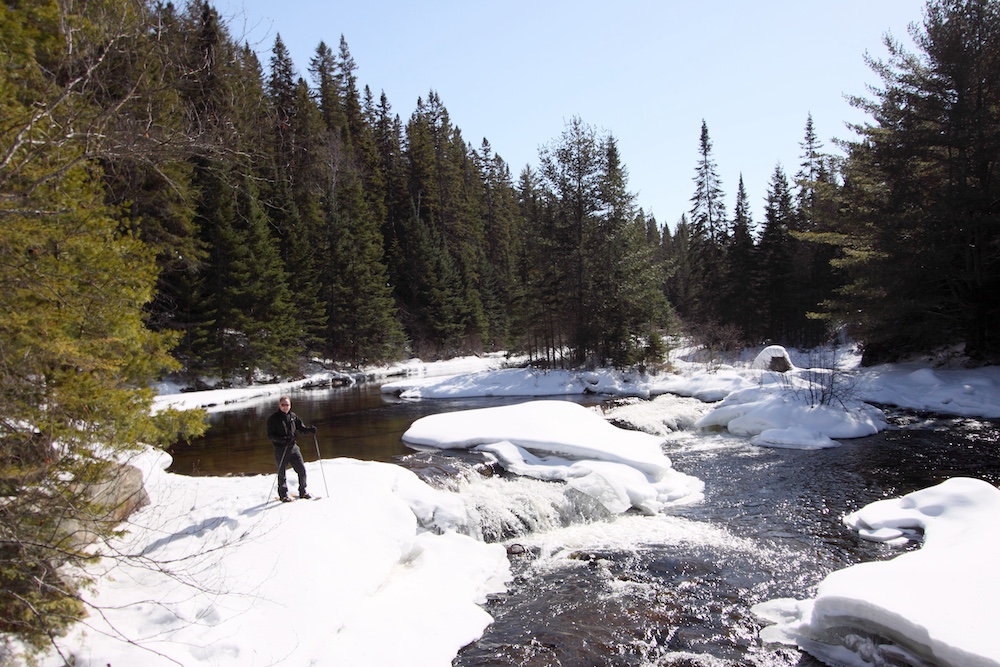
Mew Lake Campground, on the Highway 60 corridor, offers camping year-round. Most campsites must be reserved online in advance, but a number of campsites are available on a first come, first served basis between mid-October and the end of April. The main parking lot and the roads adjacent to sites 1-66 and 83-131 are plowed. Sites themselves are plowed as time and weather permits. Sites 1-66 have electrical hook-ups. Firewood can be purchased at the Mew Lake Campground summer office in the self-serve firewood shed. A heated winterized comfort station provides drinking water, flush toilets, showers and laundry.
A skating rink within the campground is maintained by park staff and there are various other winter activities close by along Highway 60, including cross country ski trails, snowshoe trails and fat bike trails.
During winter, electrical sites are available for reservation and on a first come, first served basis. These campsites are all accessible by car and are plowed out. Silent Lake has over 34 kilometres of groomed cross country ski trails for your enjoyment. It also offers snowshoeing and ice fishing. The comfort station in the day use area, which includes flush toilets and tap water, is open during the winter. You can rent snowshoes directly from the Park.
Campsites at MacGregor Point can be reserved year-round, with both electric and non-electric sites available. Roads and campsites in the Park are plowed out and comfort stations remain open. This Park has plenty of winter activities to enjoy, including snowshoeing, cross country skiing and—best of all—a 400-metre skating trail. The skating trail is lit up each night at 10 p.m.
Killarney has long been a favourite destination for winter frontcountry camping. That said, for the 2025/26 winter season, the campground is closed for the construction of new campsites. Be sure to consider this Park for a future winter camping trip. The gates to the campground are closed in the winter, meaning you’ll need to get to your site on foot and drag your gear in using a sled provided by the Park. Because of this, only tent camping is available in the wintertime (no RVs or trailers). There is a warm-up hut located in the day use area with a woodstove to support day visitors and overnight campers. During your stay, explore the extensive cross country ski trails and endless snowshoeing opportunities.
While previously Sleeping Giant only had backcountry camping in the winter, as of 2025 the Park opened five electrical campsites in Marie Louise Lake Campground. These sites can accommodate a tent or RV and will be plowed out by Park staff. The Park Office is open daily from 9 a.m. to 4 p.m. for firewood and merchandise purchases. Sleeping Giant is known as an incredible cross country ski destination, with more than 50 kilometres of groomed trails. There is also a 300-metre skating trail and snowshoeing is permitted throughout the Park.
Valens Lake Conservation Area is a popular choice for those looking for winter camping in Southern Ontario. Located between Hamilton and Kitchener, this is a great choice for many wanting to try out winter camping without venturing too far from home. From November 1 to March 31, sites are available on a first come, first serve basis. Both tents and RVs are permitted on campsites. The washroom in the Pines area is the only washroom open in the winter and water is also available here.
During your stay, you can enjoy snowshoeing on the 10 kilometres’ worth of trails in the park. Ice fishing on the lake is also a popular activity.
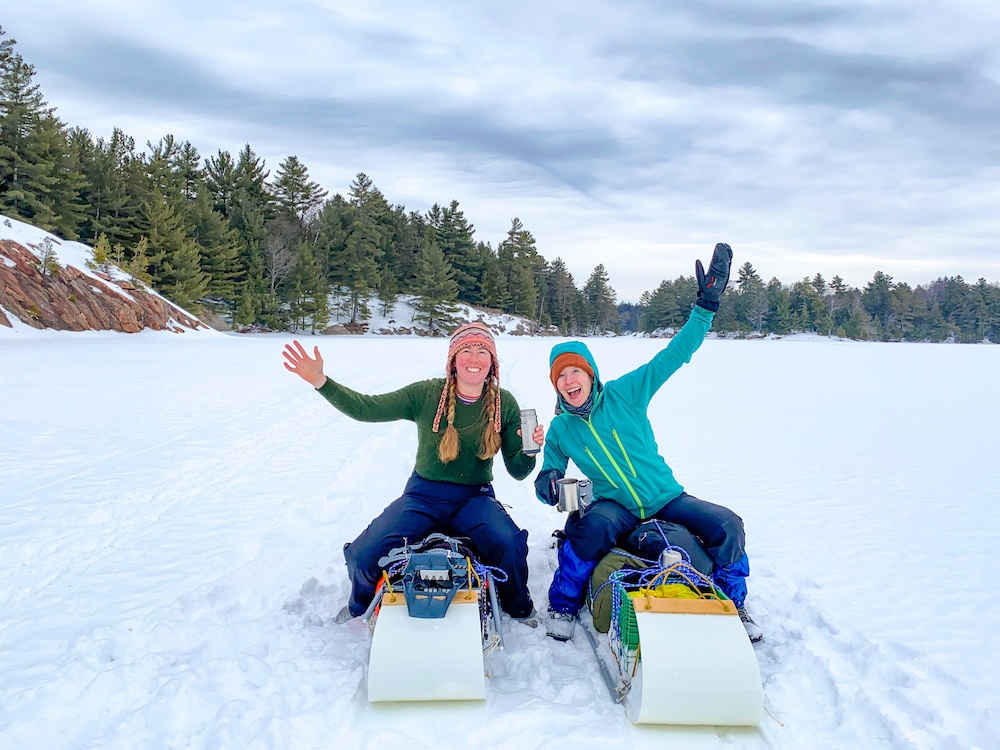
Venturing into the backcountry no matter the season provides a chance to get away from civilization and find a slice of paradise all to yourself. This is even more true in the wintertime—you’ll work hard breaking trail in drifts of snow, to find a cozy copse of trees under which to put up your tent, an oasis in the cold for the night. If hot tenting, you’ll need to process firewood, and take care to put up your canvas tent. But once up, you’ll have a warm place to cook and relax as darkness falls.
With vast wilderness across the northern reaches of the province, the winter backcountry opportunities are nearly endless. In the summertime, many folks prefer to backcountry camp on Crown land because it tends to be less busy than provincial parks, particularly popular parks like Algonquin. In many cases, camping on Crown land also means finding your own campsite and travelling routes seldom used.
But you don’t need to seek out Crown land in order to have this kind of experience in the wintertime. The backcountry in provincial parks in the wintertime is devoid of crowds, and there are no established campsites. In fact, it’s forbidden to camp on established summer campsites in the wintertime. You also cannot camp within 30 metres of a lakeshore, trail or portage.
Obtaining permits for backcountry camping in the winter varies by park. For some, registration is online, while others are only in-person at the park office or even a self-serve kiosk. Only those with winter camping experience and self-tested gear should be winter camping in the backcountry.
Following are some of the best places to backcountry camp in the wintertime.
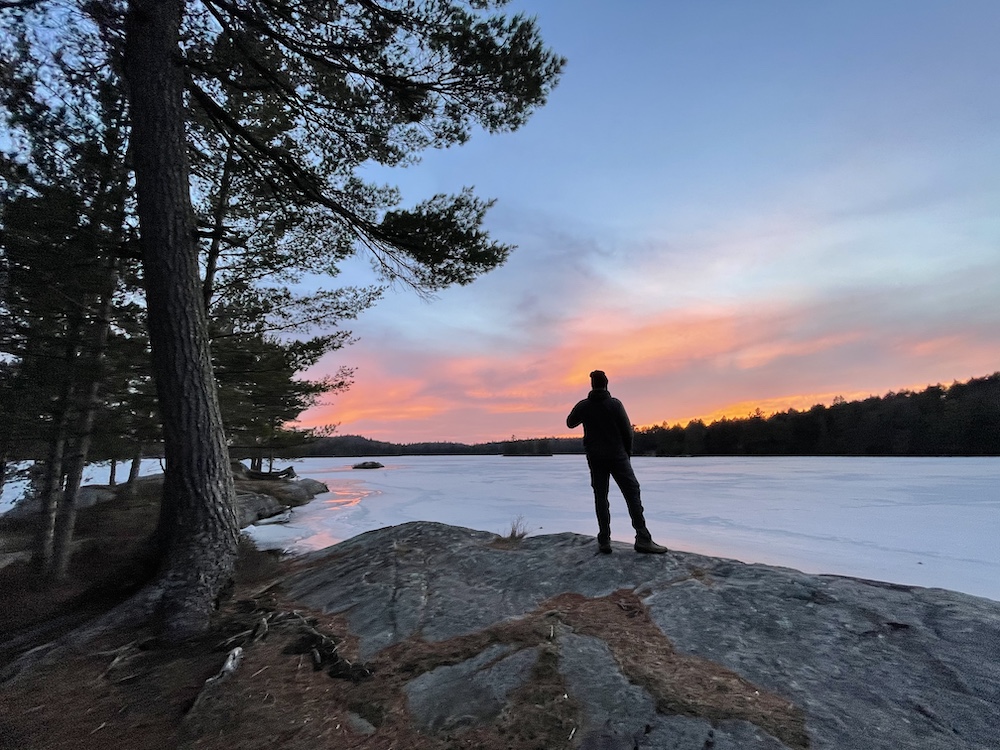
When the snow falls and lakes freeze over, a whole new world of backcountry travel opens up in Algonquin Park. Reservations for backcountry winter trips can be made online, but you’ll need to indicate where you’ll be parking your vehicle and starting your trip from. The options on the reservation system are: The Algonquin Art Centre, Minnesing Ski Trail, Trailer Sanitary Station at KM 35.6, Mew Lake Campground, and “other remote winter backcountry.”
You can also make reservations on two of the Park’s backpacking trails: the Highland Backpacking Trail and Western Uplands Backpacking Trail (accessible only from Highway 60 in the winter).
Note that between December 1 and March 31, you are not permitted to camp on designated summer campsites or within 30 metres of a lakeshore, trail or portage marked on the Canoe Routes Map or Backpacking Trails Map.
Learn more about winter in Algonquin Park here .
Ready to kick things up a notch? Plan a winter backcountry camping trip in Quetico Provincial Park, following summer canoe trip routes on snowshoes or skis. Backcountry reservations can be booked online; you’ll need to book according to your planned entry point. Bring a printed or digital copy of your booking confirmation with you.
The Park recommends parking your vehicle at the Dawson Trail Campground or Nym Lake public landing, as these areas are consistently plowed out. For trip planning advice and information about other parking locations, contact the park: 807-597-2735.
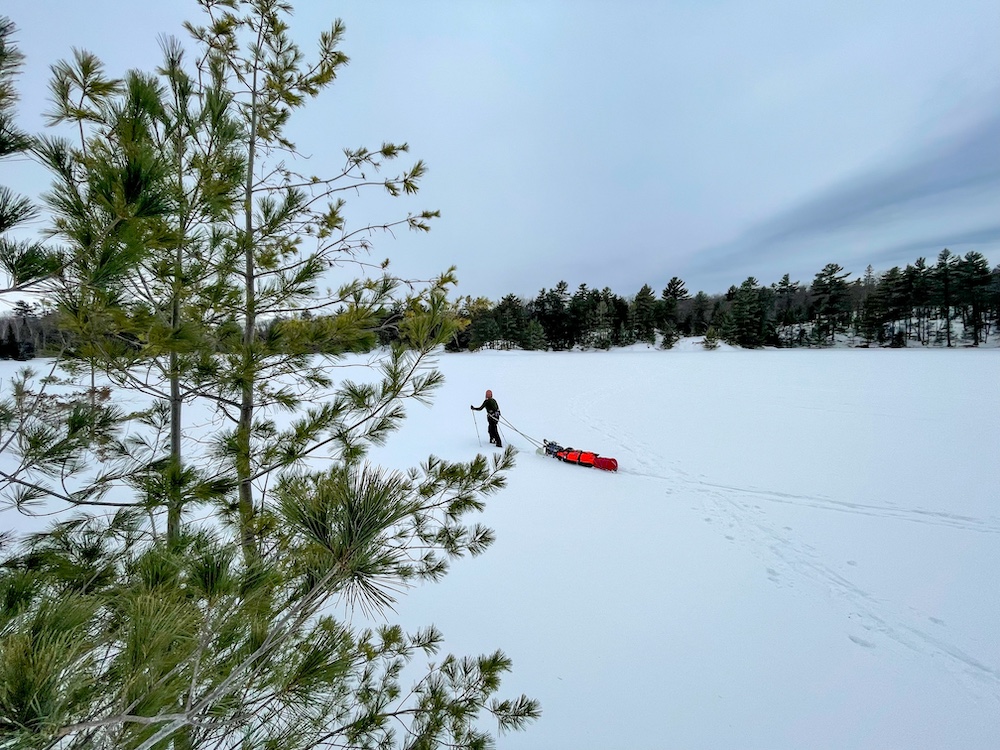
Killarney’s rugged landscape makes for tough tripping in the warm months and requires extra care in the winter. Plan for shorter travel days than you think you can accomplish, prepare for colder weather than what’s forecasted, and maybe even do some physical conditioning to prepare your heart and legs for some epic climbs.
Online reservations for backcountry camping are not available at Killarney. You’ll need to go to the office at the George Lake Campground to register when you arrive. There are no designated winter access points, so you’ll need to do your research to find a safe place to park your vehicle.
You may not camp on a designated summer campsite and also may not camp within 30 metres of a trail, the lakeshore or a portage.
One of the hurdles to winter camping is acquiring gear. Winter-specific camping gear can be expensive and requires a bigger investment than most are willing to make when they are trying something new. Thankfully, more and more outfitters are offering winter camping equipment rentals across the province.
Exclusive Sport Rentals, Vaughn
Rents four-season tents, four-season mummy sleeping bags, stoves, backpacks, pot sets, walkie talkies, and headlamps. They also rent out snowshoes, cross country skis and ice fishing gear.
Algonquin Outfitters, Oxtongue Lake
The Oxtongue Lake location rents winter-rated sleeping bags for -35 degrees Celsius and four-season tents, in addition to general camping gear like stoves and sleeping mats. Cross country ski packages and snowshoes can be rented from Oxtongue Lake, as well as in Huntsville, and Haliburton. Haliburton also rents fat bikes. The Bracebridge store only has snowshoe rentals. OAC and Altai "skishoes" can be rented from the Huntsville and Oxtongue Lake locations. It's recommended to call ahead to reserve equipment on weekends and holidays.
Camp Rentique, GTA & Peterborough
A unique option which delivers gear rentals right to your door, for those living within the GTA and Peterborough regions. They offer various winter camping gear packages, including four-season tents, sleeping bags, cots, stoves, chairs, tarps, headlamps, mess kits and more. They also rent snowshoes.
Thames Valley Outfitters, London
This outfitter will deliver winter camping gear within Southwestern Ontario. They don’t have a storefront, but they are able to accommodate pickups in London. Winter camping packages hot tents, stoves, sleeping bags, cots, sleeping pads, headlamps, mess kits and more.
Trip Shed, Toronto
You can choose to pick up gear from the Trip Shed in Toronto or have them ship to your home. Rents various hot tent and stove setups, winter sleeping bags, four-season sleeping pads, pulks, cots, collapsible shovels, headlamps, cook stoves and ZOLEO satellite communicators. They also rent snowshoes.
Algonquin Basecamp, Kearney
Rentals can be picked up at the store in Kearney or the owners’ home north of Huntsville. They rent four-season tents, shelters, hot tents, winter sleep systems, expedition backpacks, telescopic shovels, pulks and more. Note that they only rent hot tents to those who have participated in one of their winter camping programs or if you are booking complete outfitting. They also rent OAC backcountry skis and snowshoes.
Lure of the North, Espanola
Lure of the North asks that you contact them regarding pickup and dropoff locations. They rent tent and stove packages, toboggans, snowshoes and sleeping bags. They also offer snowmobile shuttles and assistance with trip planning.
Wild Rock, Peterborough
They rent hot tents and stoves and camping cots for winter camping.
Canadian Outdoor Equipment Co., Mississauga
They rent hot tents and stoves.
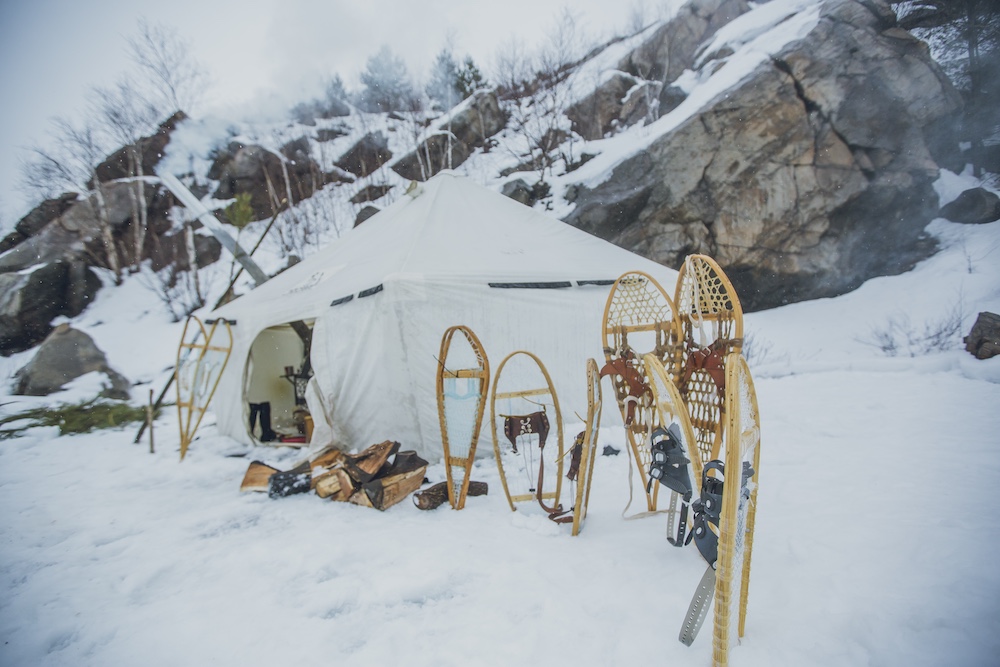
Want to lower the barrier to entry even further? There are a number of introductory courses in Ontario, in addition to guided trips, that will help you learn how to winter camp in a fun and safe environment.
Lure of the North offers traditional winter camping expeditions where you travel by snowshoe, pulling your gear, and sleep in comfort in a hot canvas tent. These expeditions are not for the faint of heart, but your guides Kielyn and Dave Marrone know their stuff and are excellent at what they do.
Book a multiday tour with Abitibi Sled Dogs in Timmins and stay in a canvas hot tent on their property. The tent will already be set up and all gear provided.
Each January, women gather in Algonquin Park for a winter camping festival called Freezing Woman. Attendees camp at Mew Lake Campground and can attend various activities, keynote speakers, and workshops.
Located on the northwestern edge of Algonquin Park, Voyageur Quest offers a two-day learn to winter camp program. You’ll learn all the ins and outs of winter camping, including ice safety, how to haul your gear, how to set up and camp in a wall tent, and more. All equipment and some meals are included.
Headwaters Wilderness Program partners with Lure of the North to provide traditional winter hot tent camping experiences to individuals, families, outdoor clubs, outdoor education organizations, universities and schools in Ontario. You can inquire to learn more about these beginner-friendly programs.
Try winter camping with Algonquin Yeti Paddling who will set you up in a hot tent and with all the gear you need in close proximity to the southern border of Algonquin Park.
Located on the western edge of Algonquin Park, Algonquin Base Camp offers introductory supported winter camping programs. This means the programs are not guided, but they will help you get set up, answer your questions, and allow you to choose your own itinerary. Gear can be provided, or you can bring your own.
Located beside Frontenac Provincial Park, Frontenac Outfitters has a hot tent set up for you to use, a short walk from your vehicle. They offer instruction on how to operate the stove safely and provide a sled for transporting gear and firewood. This is a great way to try out winter hot tent camping in a safe environment.
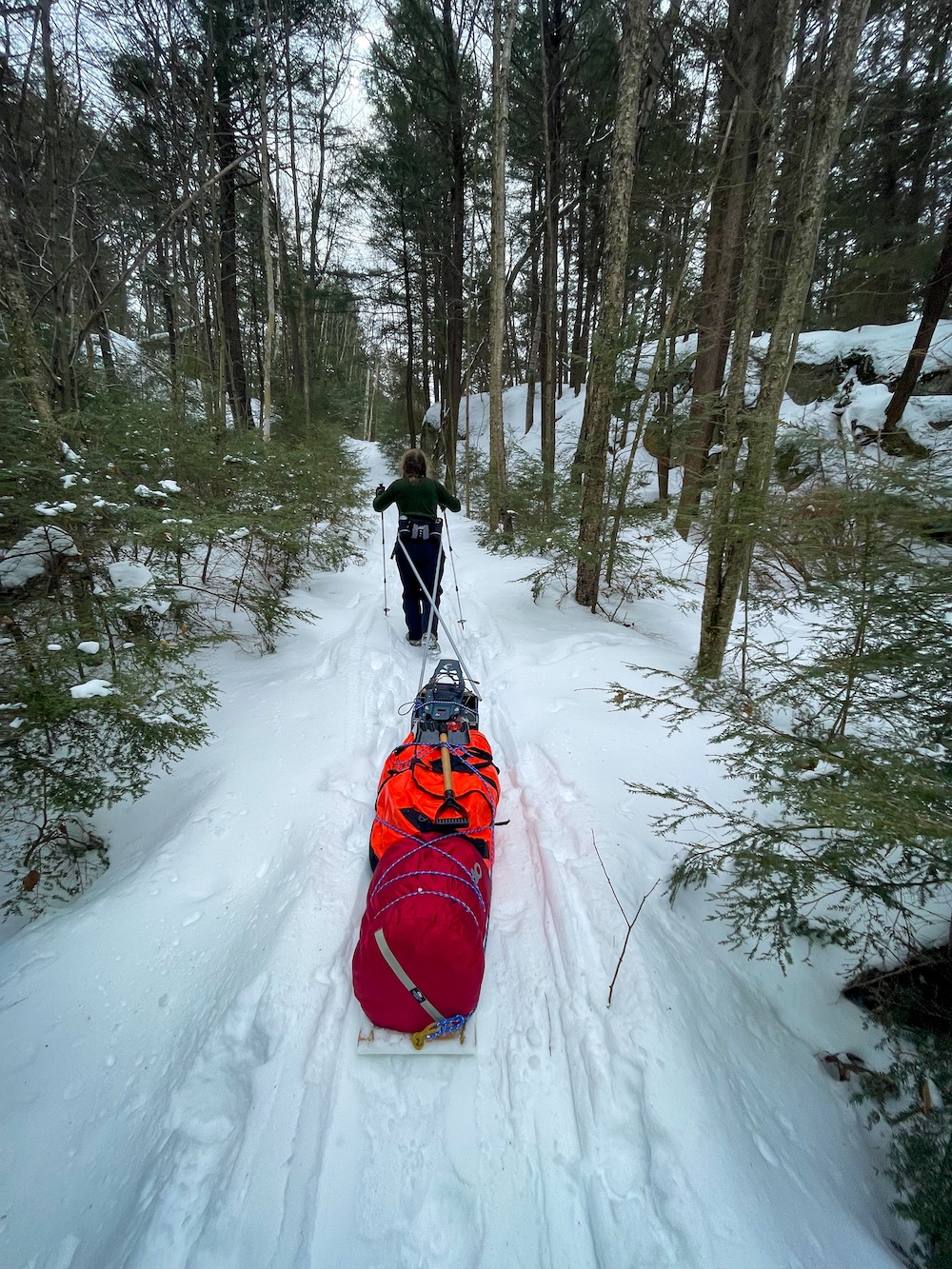
Much like summer camping, everyone has different gear they like to bring on winter camping trips. What equipment you need will also depend on the type of winter camping you’ll be doing. Here is a breakdown of the basics:
Hot tenting
canvas tent
woodstove and pipes
axe
saw
fire gloves
Cold camping
cook stove and fuel
four-season tent
General
winter sleeping bag
winter sleeping pad and/or cot
sled or pulk for hauling gear
headlamp
cookware
mess kit
snowshoes or skis and poles
rope
insulated jacket
insulated pants
insulated boots
warm hat
mittens
extra clothes
first aid kit
toiletries
matches or lighter
There are lots of options for winter camping in Ontario provincial parks, private yurt camping and traditional winter camping in heated wall canvas tents. With the right equipment and knowledge, winter camping in Ontario can be just as much fun as summer camping. Why not try it this year?