
10 Facts About Lake of the Woods
10 facts amazing about this massive Northwest Ontario Lake!
By Carol Caputo






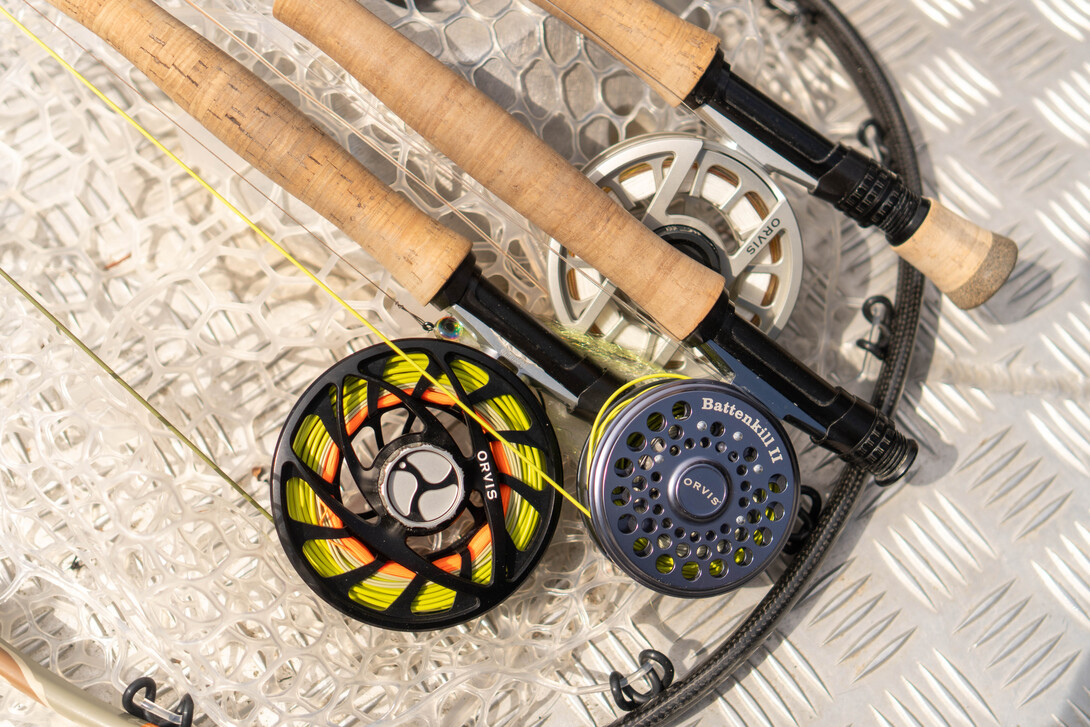
Congratulations!!! You’ve decided to start to fly fishing! There is a tonne of information out there to get your journey underway… in all actuality, there is so much info out there it can sometimes be quite confusing as to where to start. Here are some considerations to ponder before you spend a dime.
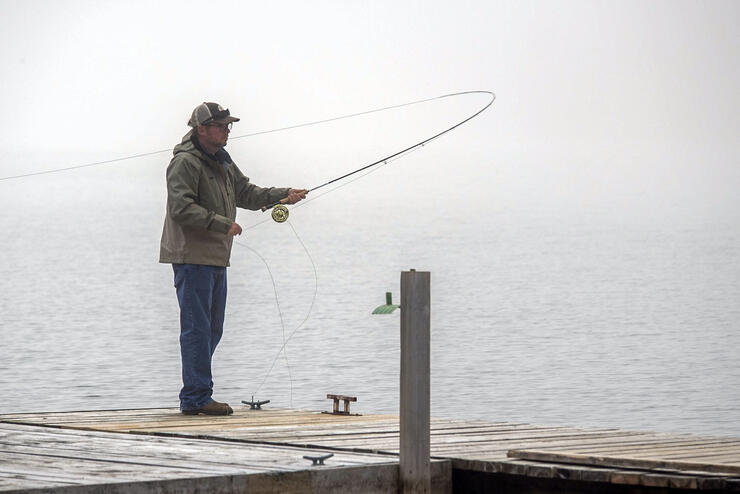
The best way to figure out what rod to buy is to go fishing. Jump online, do some research and find a good fly-fishing guide to take you out. This will accomplish several objectives. It gets you into the sport without breaking the bank. You will get to fish a number of different kinds of rods and maybe even a number of different species. It will tell you if you even want to start fly fishing. It increases your learning curve exponentially! These benefits are but a few, but if you do decide to pursue this fantastic sport, it may be time to buy your first fly rod!
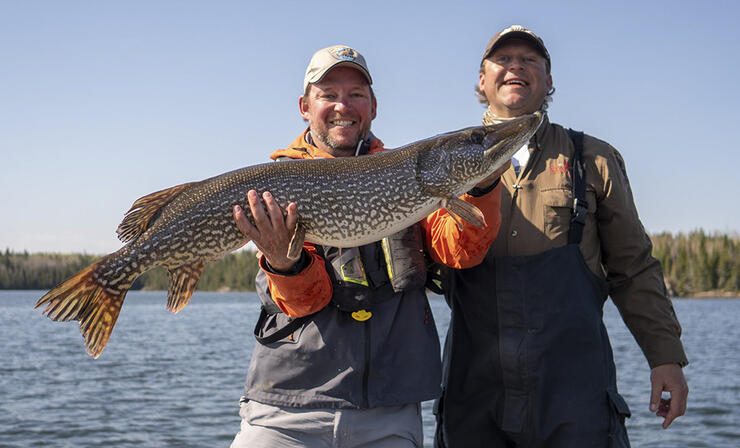
The species you decide to target will be a major factor in the rod you buy. Fly Rods are categorized by a “weight” number from 0 (super fine and lightweight) to 12 or 14 (for really big fish, generally not found in Ontario). The species you decide will guide you in the right direction for the proper rod weight. A good all-around weight for most fish in Ontario is a 6-weight rod. That rod can handle the bass, most trout and walleye. For steelhead and northern pike, you’d want an 8-weight rod.
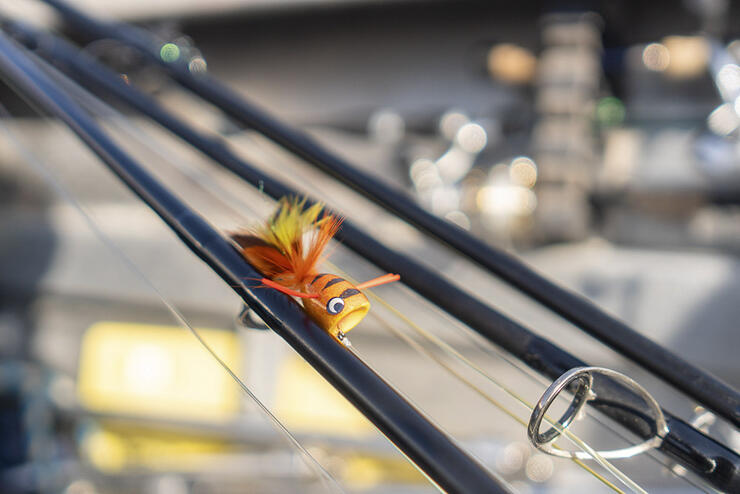
Amazingly, the size of the flies you’re going to be throwing plays a part in fly rod selection. If you’re going to be throwing wind-resistant small flies like woolly buggers or dry flies, you can go with a lighter-weight rod. If you’re going to be throwing large flies like poppers or streamers for the fish you target, consider upping the size of your rod to a single weight. Flies retain water, are somewhat not aerodynamic and can be weighted, so choosing a rod which has the ability to cast a larger fly is key if you’re planning on fishing one.

The size of the body of water you’ll be fishing has a lot to do with your fly rod selection, namely the length of the rod. Larger bodies, be they rivers or lakes, may require a longer cast to reach your target, therefore may need a longer rod like a 10-foot or even more. The rod you select should be able to handle the water you’re fishing. If you, for example, are fishing a small spring creek for brook trout, you may consider a shorter 7-foot rod to get in and around tight places. Conversely, if you’re fishing a big river like the Nipigon, a longer rod may be required to fish it effectively.
Fly rods break – it’s a fact of fly fishing. Either by human error and accident or simple sensitivities of the rod. A good fly rod manufacturer will stand behind their rods as indicated by their warranty. Some rods have warranties for life, some not so long, but the key is, the warranty should kick in to help replace or fix the section of fly rod that breaks. We avoid rods that don’t have warranties to support your investment.
Fly fishing is a fun and accessible sport. Anyone with the desire to try it can find success and yes, though there is a multitude of avenues for information on what to look for when buying a fly rod, the basics will guide you in the right direction. Fly Fishing is only as complicated as you want to make it!