Eating Northern Pike
The Best Recipe to Cook This Fish
By Gord Pyzer







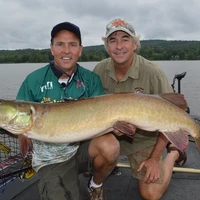
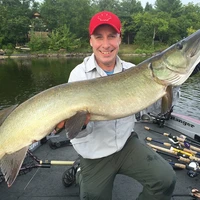


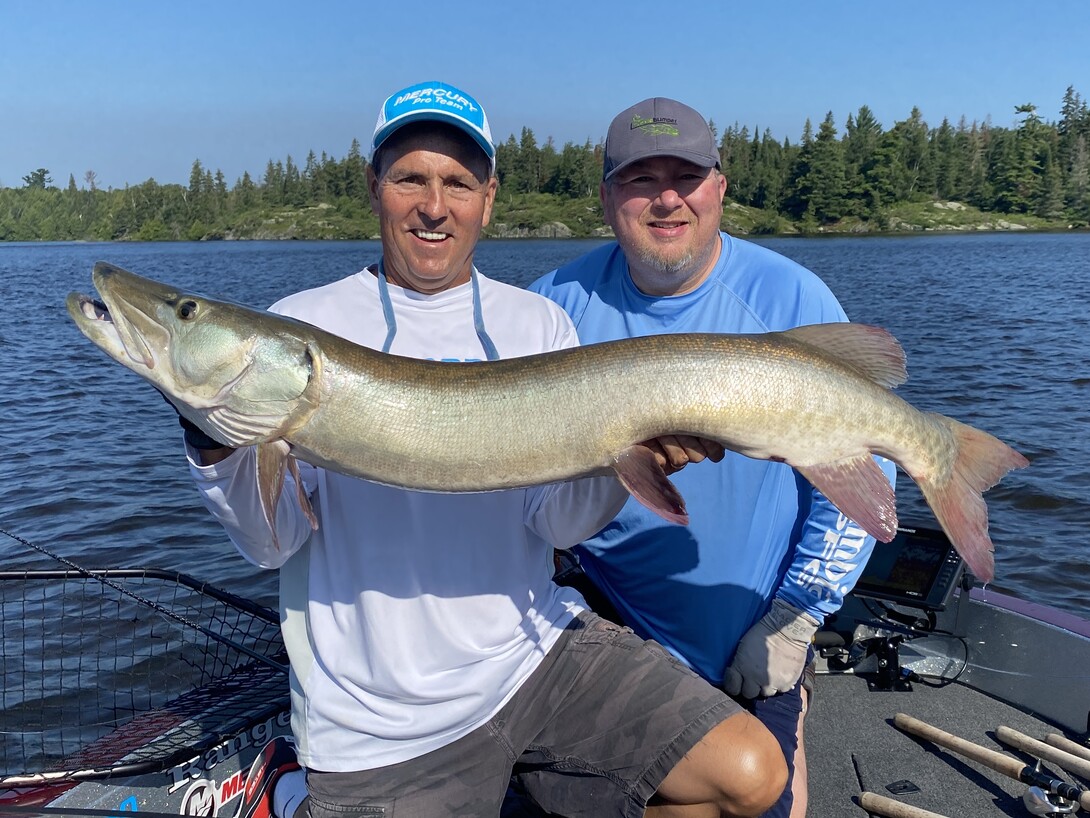
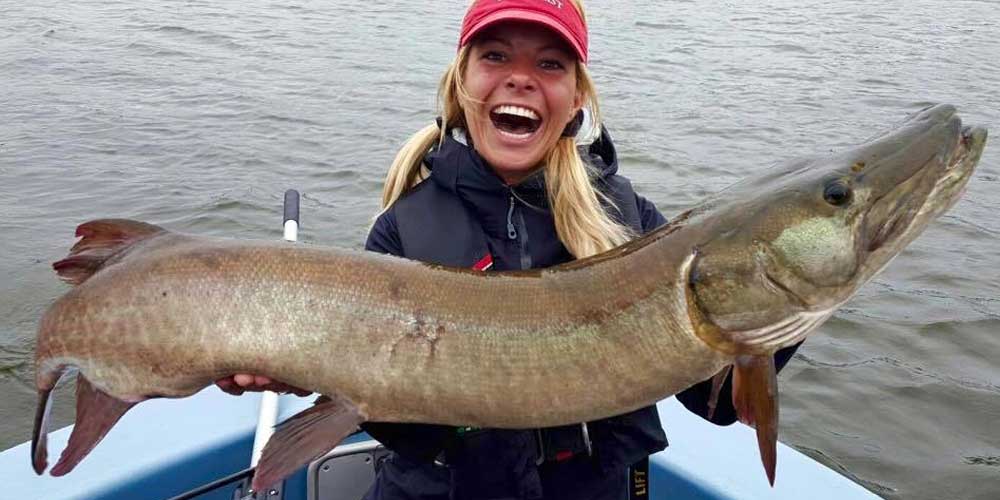
Every summer we teach a musky fishing school on Lake of the Woods in the Northwest Angle in Ontario, Canada. The school is the University of Esox and it is held at Sandy’s Blackhawk Island Camp. Each year is an adventure as we have a camp full of avid musky anglers fishing Lake of the Woods, working together to develop the pattern and catch a bunch of muskies. It’s always a learning experience, as although we always teach the school in mid-July the conditions are always different. The year 2022 was definitely a different situation that provided a lot of musky fishing lessons for fishing any Canadian musky water in the future.
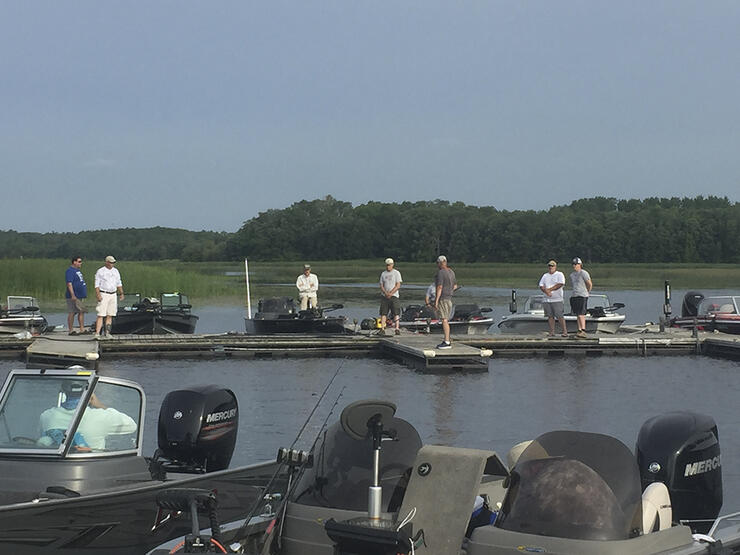
When we arrived at camp water levels were five feet above normal. Portions of the parking lot were underwater, the boat launch was partially submerged, and the lake appeared completely different. Navigating with modern electronics made things easier, however, small islands and reefs that normally would provide visual clues were gone. So, it was important to pay attention to your travel route. Of course, since the high-water line was often in the trees, it was imperative to be alert for large, floating logs.
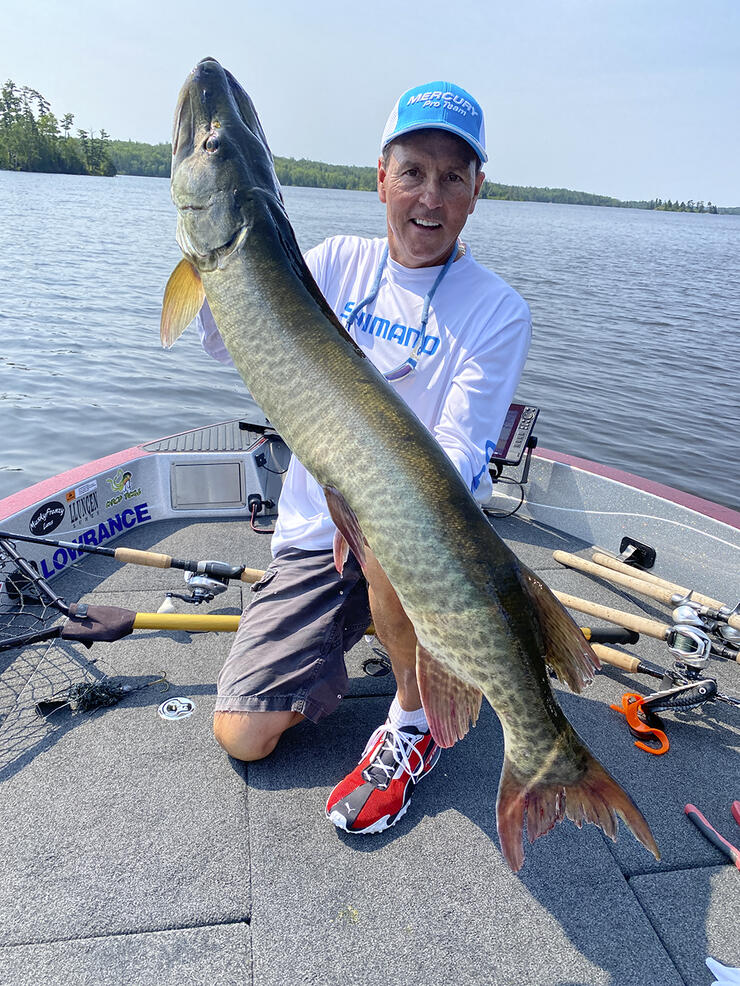
When fishing in high water, there were a few things that range truly from previous high-water situations, even though these water levels were at record highs. First, high water increases current. Lake of the Woods is a giant reservoir and the water in the entire system flows toward Kenora. There is always current, but in high water conditions, even with no wind, the current was present. As a result, fishing any area in the lake where you have a neckdown area or constriction results in increased current. The current passing along shoreline points and islands in these neckdown areas were natural musky magnets and will commonly hold muskies throughout the entire day.
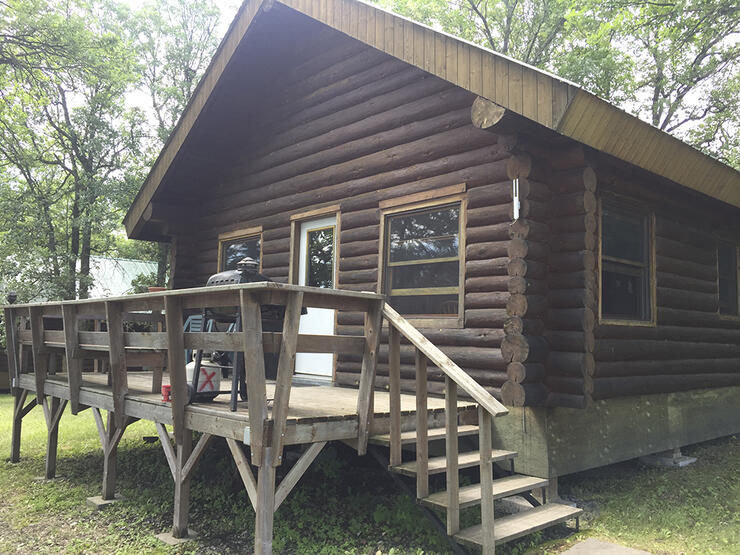
Besides searching for currents in specific portions of the lake, the high water creates currents in saddles or shallow areas between islands. These shallow areas or saddles that exist between island clusters had current moving across the weeds or rocks. Such saddles tend to hold muskies in high water conditions, as they serve as prime musky feeding areas. When the wind blows the current can increase significantly, and there are times that both wind and current across rocky points held a lot of muskies. However, the combination of wind and current also creates an eddy or slack-water area immediately on the downwind/down-current side of the island. We caught lots of muskies fishing the calm side of the island right where the upwind current would start to wrap around the island. It was easy to pick these spots out and predict where the feeding muskies were holding.
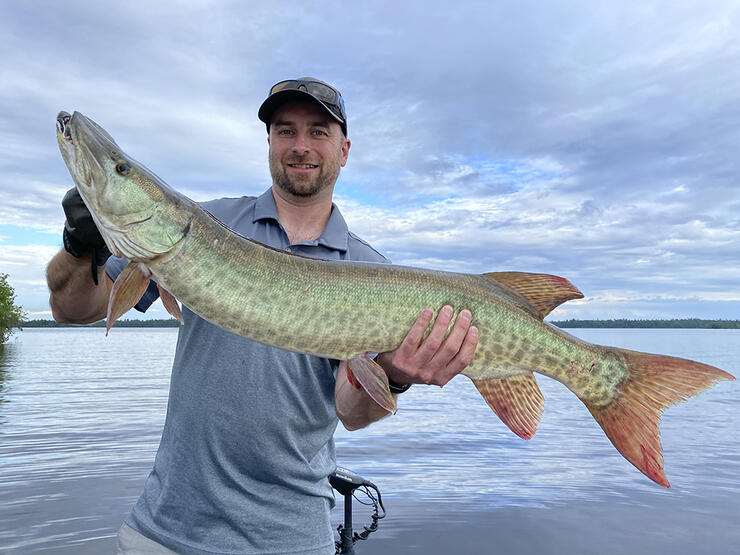
Another factor that came into consideration with the high water was to fish extra shallow or to fish the spots the way you would under “normal” conditions. Typically, in high water I anticipate the fish moving extremely shallow on Lake of the Woods and being tight to shore. That’s just how stained-water muskies tend to respond to high water. We caught a lot of muskies fishing tight to the bank. However, there were spots, particularly that had a distinct shelf, deeper weed bed, or drop-off, where the muskies still related to that area. So, you needed to fish the spot the way you would under normal conditions and ignore the high water. I guess that’s what makes fishing so fun. There are no absolutes, you just have to continue to experiment with spots and react to the muskies!
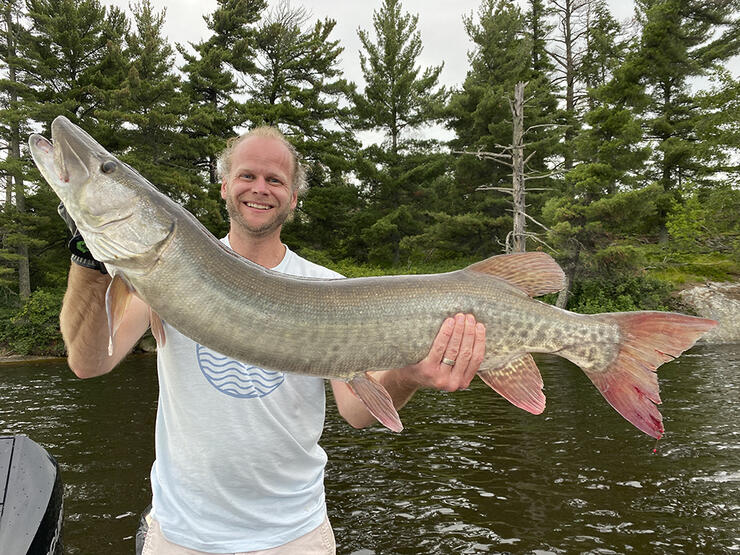
One last thing to consider in high water is that there is more room between the shallow weed or rock cover and the water's surface. Therefore, in high water, you have more lures that can be fished over the shallow cover. In high water, it’s not just about fishing muskies with bucktails and topwater, but minnow baits, jerk baits and large, soft plastics all come into play. It really allows the musky angler to try multiple techniques to trick finicky muskies into biting. To be successful, it was often a matter of having a musky follow a bucktail and returning later with a slower-moving lure to get them to bite.
When arriving on your next Canadian adventure and conditions are significantly different than anticipated, don’t get discouraged. The muskies are still there, it’s just that they may be slightly deeper or shallower. High or low water tries and takes advantage of the current. Finally, never forget that Ontario waters hold lots of big muskies, fish hard and fish smart and you might just catch a giant. For more information on musky waters in Sunset Country check out www.visitsunsetcountry.com.