
Your Definitive fall Bucket List
Fall won't last long so don't delay and make your trip soon!
By Travis Heath



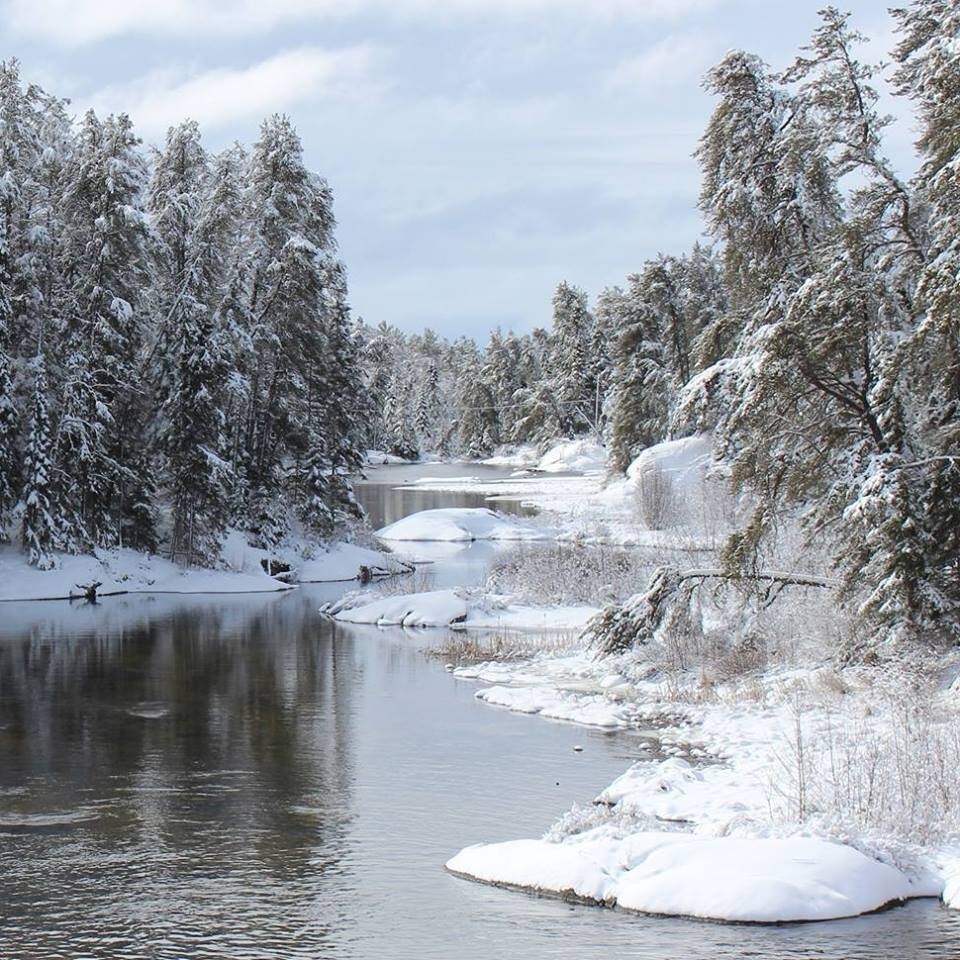
The Merriam-Webster Dictionary defines a paradox as: "a statement that is seemingly contradictory or opposed to common sense and yet is perhaps true". When it comes to the onset of winter in Ontario's Sunset Country, several paradoxes apply. Things that end up being the opposite of what you may have thought they would be. Here are five of them.
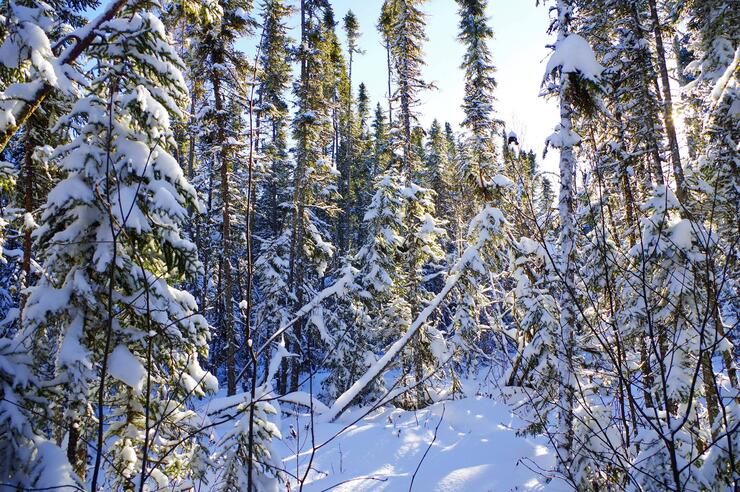
Well, if annual plants that die off with the first frost were the only evidence, you'd be inclined to think that winter is hard on plants and trees in the Boreal forests of Sunset Country. However, winter is actually essential for the health of our ecosystem—at least for some species, and here's why. When we get those 2-week stretches of -30 Celsius weather in January or February, the cold actually helps some tree species because the extreme temperatures kill off pests that cause tree damage. The spruce budworm and pine bark beetle are two good examples, but there are others. Without those sub-zero temperatures, the bugs could get the better of many trees come the following spring and summer, so they are an essential part of the ecological mix in winter.
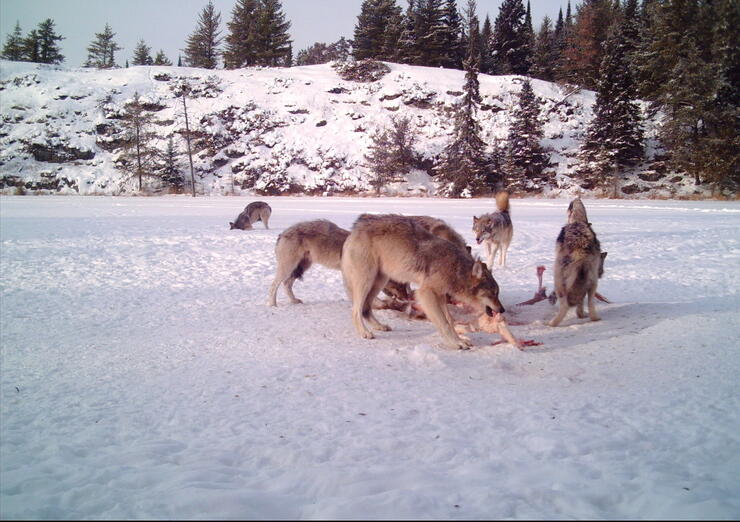
With the onset of winter, many animals, for example, bears and reptiles, hibernate, while others, such as many bird species, migrate south to avoid the harsh temperatures. But if you think winter makes animals in the Boreal disappear, well, you'd be wrong. Sure, you won't see any of the animals noted above, but your chances of seeing other species, including large mammals such as wolves, moose, whitetail deer, and lynx, actually increase!
Why? That's a good question, but one of the reasons is that animals have to work harder for food during the winter months - mainly deer and moose - so they move around a lot in search of food. These movements attract wolves, which often pursue deer on the lake ice. It also increases the chances you will see them.
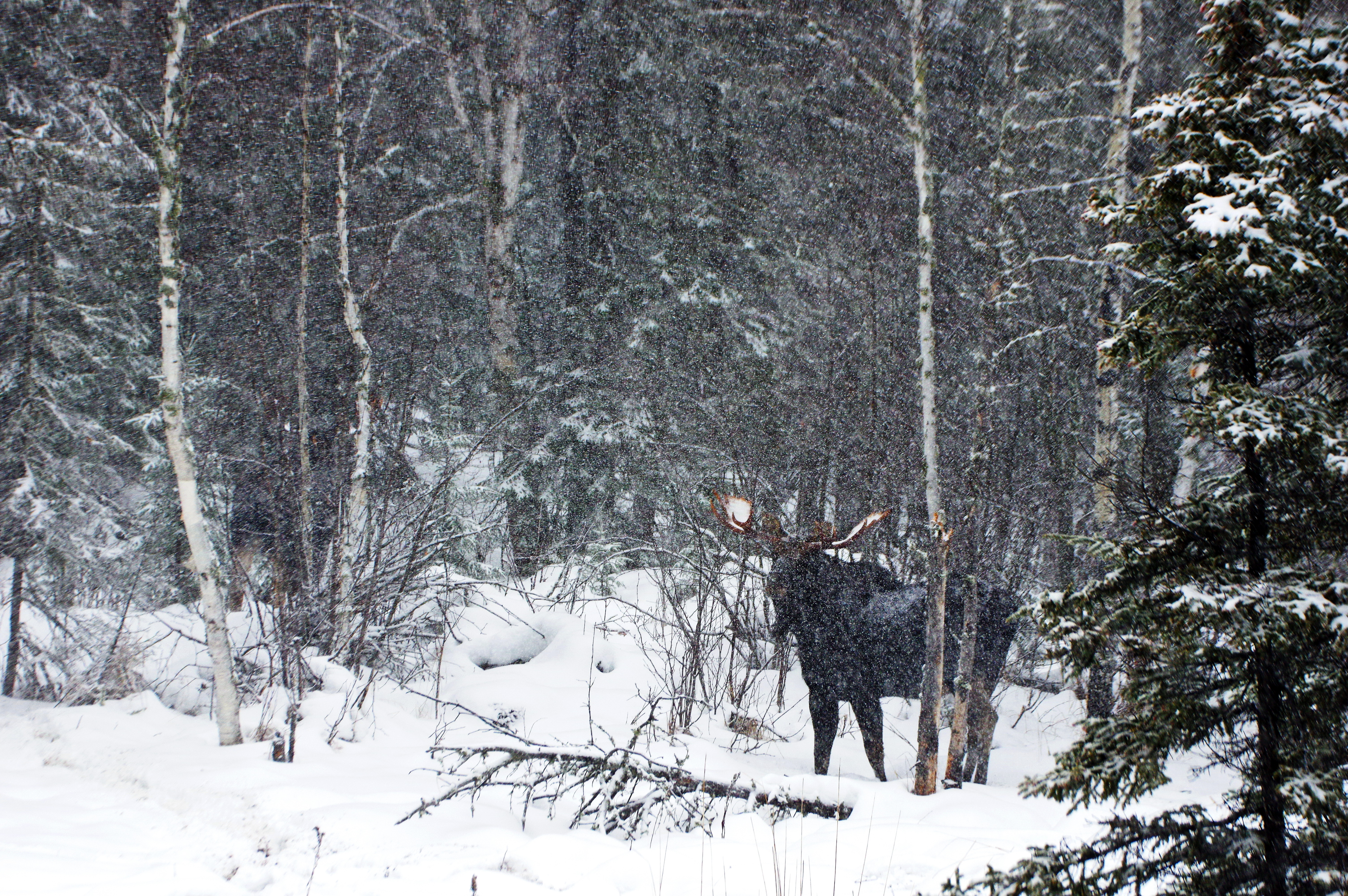
Because the animals are moving and because finding food is so difficult, they are more likely to be active during the day and in places you would never see them in the other three seasons. Deer also move into town in search of handouts from people who feel sorry for them. So as you travel past frozen lakes, glance over to see if you can see gray wolves or other animals like lynx, using the lake ice to track prey or to shorten their journey.
The header image to this article and the one below are evidence of this paradox.
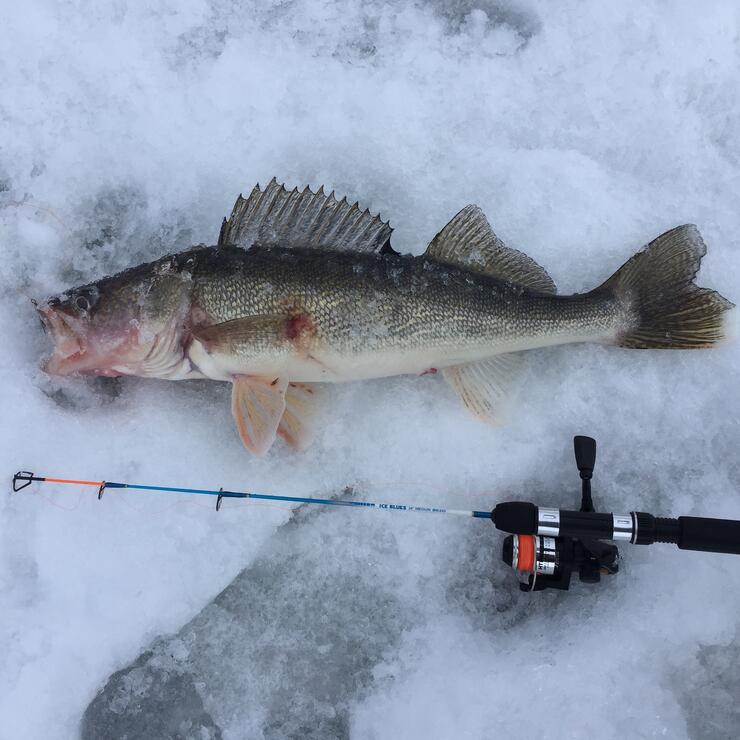
While it's true that 95% of people who visit Sunset Country to fish come in spring, summer, and fall, that doesn't mean winter isn't a good time to catch fish. The paradox here is that fishing is arguably better in the winter! Sure, how you fish changes, but if you are adequately prepared, follow ice safety rules, and actually know what you are doing, your chances of catching a lot of fish each day can be better. Some species aren't as active in the winter—muskies are a good example—but they are out of season anyway, so you can't target them. On the other hand, the bite for popular species such as walleye, lake trout, northern pike, and even bass can be beyond incredible.
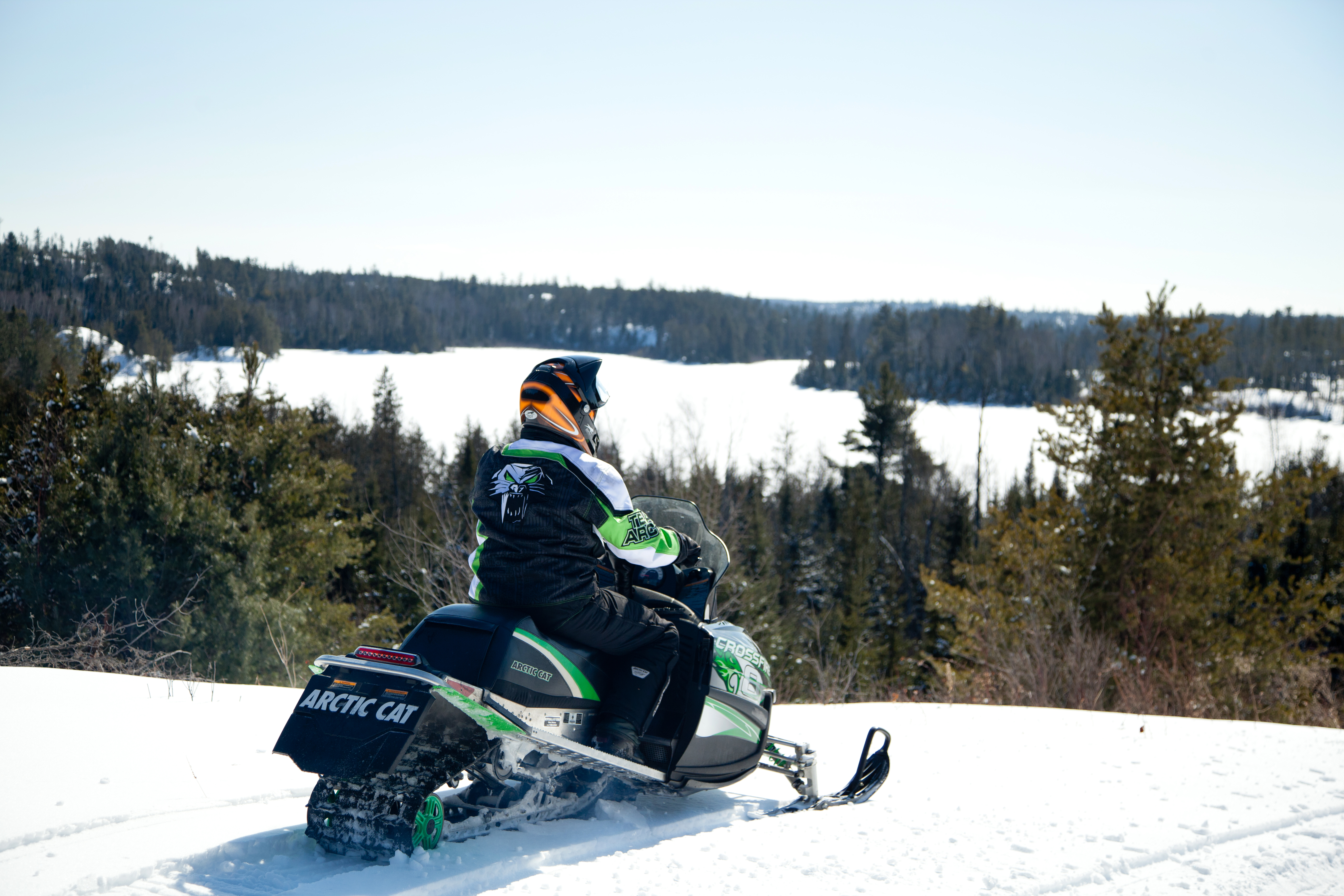
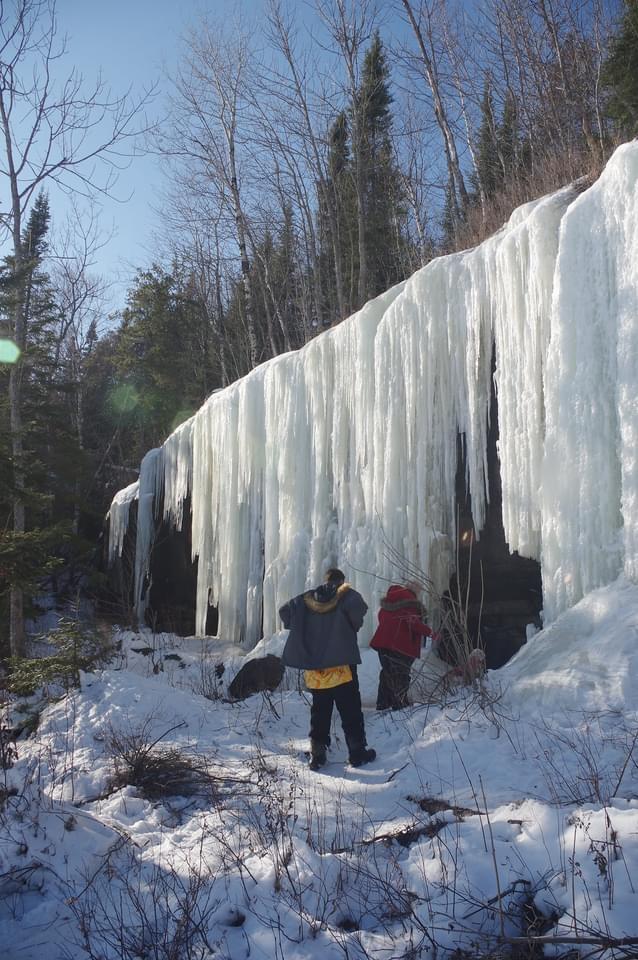
It's reasonable to conclude that with deep snow, ice, and cold weather, getting to where you want to go in the Boreal during the winter is more difficult than in the summer. Not true—any backcountry areas that are only accessible by canoe or floatplane in the summer, open up to land travel after freeze-up. There is an extensive network of snowmobile trails, winter ice roads, and paths through the woods that allow hardy outdoor enthusiasts to reach places they would never consider in the summer months.
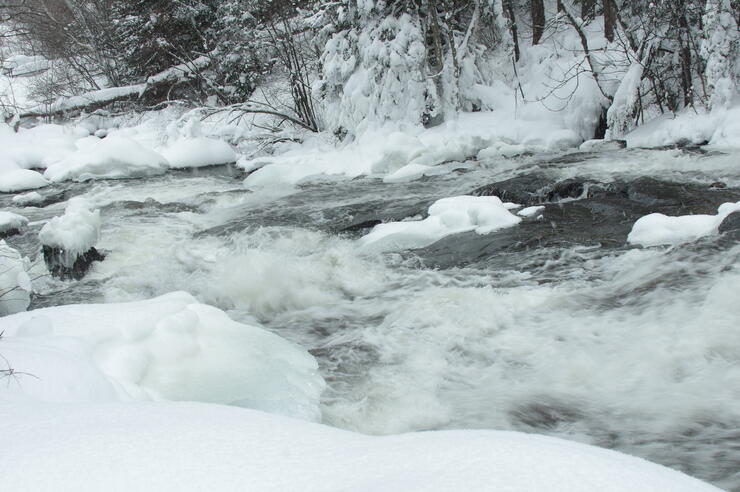
In Sunset Country, the temperature in January is cool, to say the least, and February isn't much better. If we look at a community like Red Lake, Ontario, for example, we see the average daily temperature is -16.1 degrees Celsius (1.9 degrees Fahrenheit) - and that is the average temperature. The truth is, overnight lows can get as cold as -40 degrees Celsius (-40 degrees Fahrenheit), and by anyone's definition, that's cold! When temperatures like that persist for days, even weeks on end, you'd think even moving water would freeze solid. Well, once again, you would be wrong. There are many examples of even smaller, fast-moving creeks that never completely freeze! How something like freshwater doesn't freeze even at -40 degrees, is another paradox of winter in Sunset Country.
In conclusion, it's possible to say the five paradoxes noted here are all generally true. However, as Mark Twain stated so eloquently:
When you think about it, that's a paradox too!