
3 Great Ontario Walleye Destinations
Karl of Extreme Angler recommends must do walleye lakes in Ontario.
By Karl Kalonka










More than just superstition?
Muskie has a way of making even the most experienced anglers overthink every decision and analyze every outcome. Some muskie anglers swear by moon phases, while others are indifferent. Planning a muskie fishing trip around a moon phase may seem a bit eccentric to outsiders, but in the world of targeting a fish of 10,000 casts, what's the harm in upping the odds, right?
A lot of forethought goes into calculating what muskie anglers call majors and minors. Around certain moons and their respective phases, these majors and minors or “bite windows” increase in intensity, length and quantity.
In short, moon phases can send muskie anglers’ tail-spinning.
Technical terms for moon phases will help you understand the hype behind them. In layman’s terms, a moon phase is determined by the location of the moon between us on earth and the sun.
Did you know that the moon produces zero light of its own? Much like Earth, it's merely light reflection from the sun that causes its illumination.
A new moon is when the moon is between the earth and sun—we are seeing a backlit moon blending in with the night sky. Not to be confused with a lunar eclipse when the moon is directly in line with the sun.
From the new moon on, it goes into a waxing crescent moon (becoming more and more illuminated by the sun with each day, in turn becoming more visible to us) showing vivid crescents until it reaches the first quarter moon. From the first quarter on, it turns into a waxing gibbous—continuously growing until a full moon is reached.
A full moon is when the surface of the moon we can see from earth is fully illuminated by the sun. Of course, where you live will change your moon phase times as it changes your sunrise/sunset.
Leaving a full moon, we enter into waning gibbous until we reach the last quarter moon, losing more and more of that sunlight turning it into a waning crescent until we reach a new moon once again.
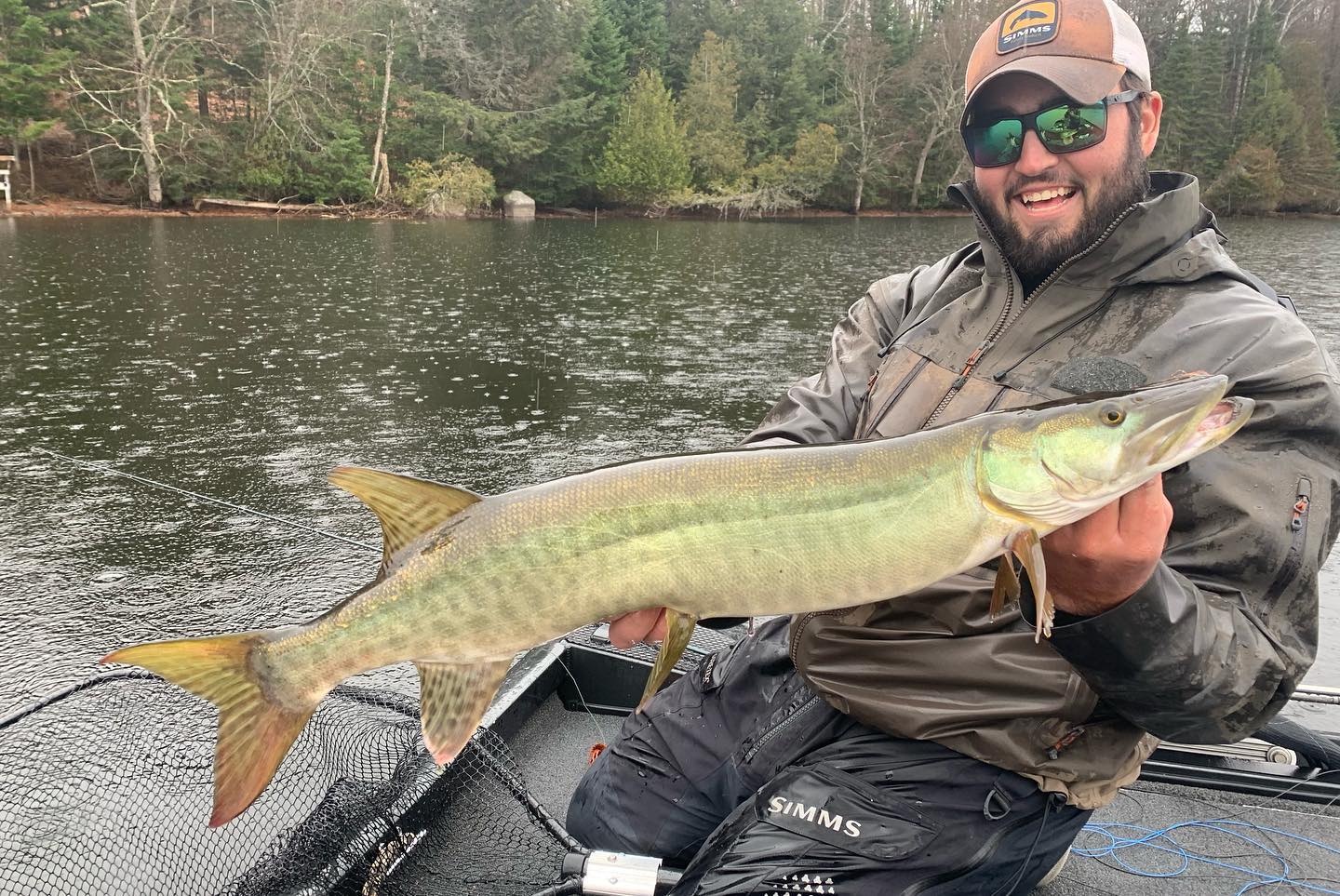
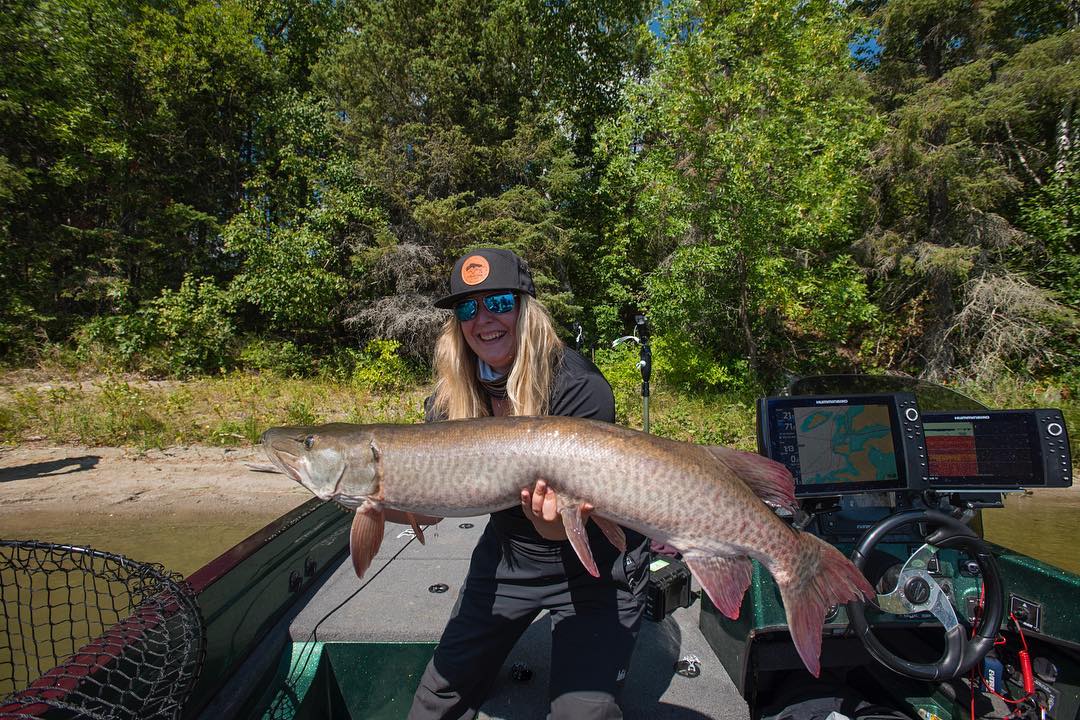
If asked the best moons for catching muskie, most anglers answer without much thought needed—full moon likely first, and new moon second.
New moon perks: new moons are arguably just as productive as full moons. Depending on the location of your muskie trip, you could also treat yourself to some northern lights during some of your nighttime fishing, or from the campfire on shore at night.
Full moon perks: During full moon phases, the majors and minors are usually doubled down around sunrise and sunset, that is the absolute best time to be on the water most days anyhow. Early risers and night owls will love these intense extended bite windows.
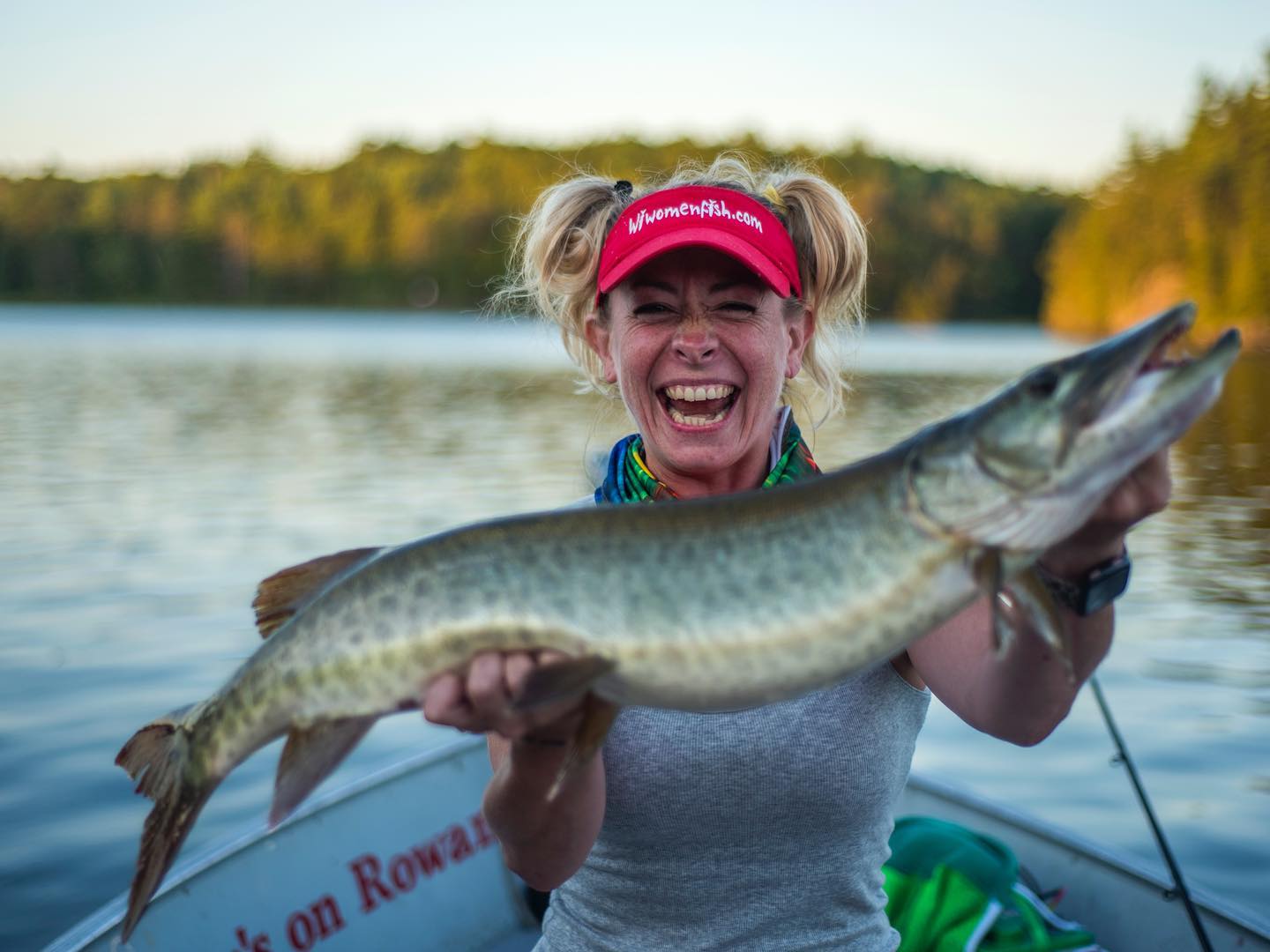
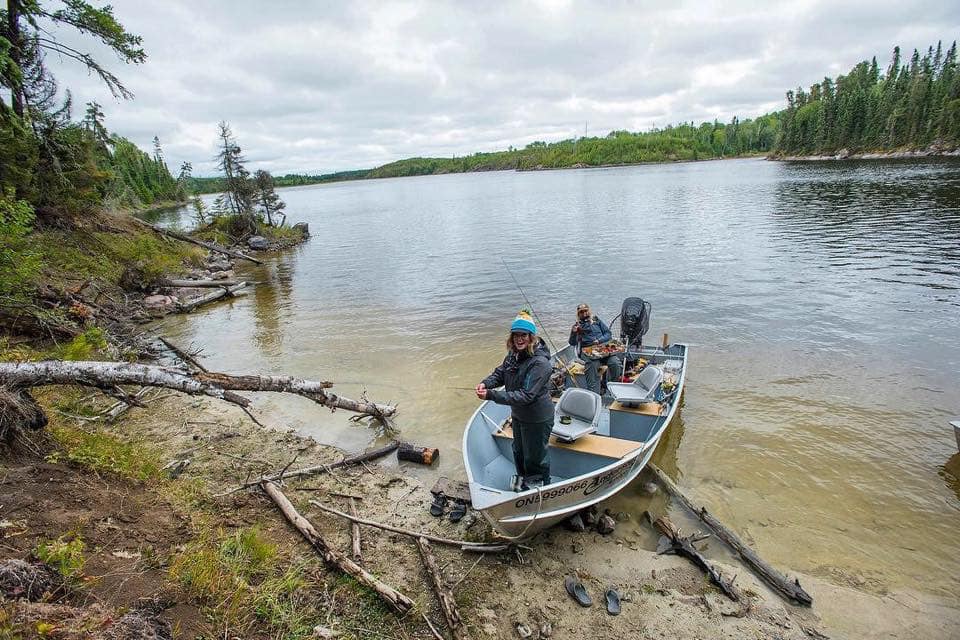
Muskie anglers can study moon charts better than some astronomers, but it won't change the fact that you’re only going to catch a muskie if you are fishing. Every moon phase has its own majors and minors, and we can’t forget about our sunrises, sunsets, zeniths and even more importantly, weather that plays major roles outside of our moon.
Is there a storm coming? You better be fishing ahead of it (safely). How about the sunset topwater bite? Not to be missed, no matter what moon phase you’re in.
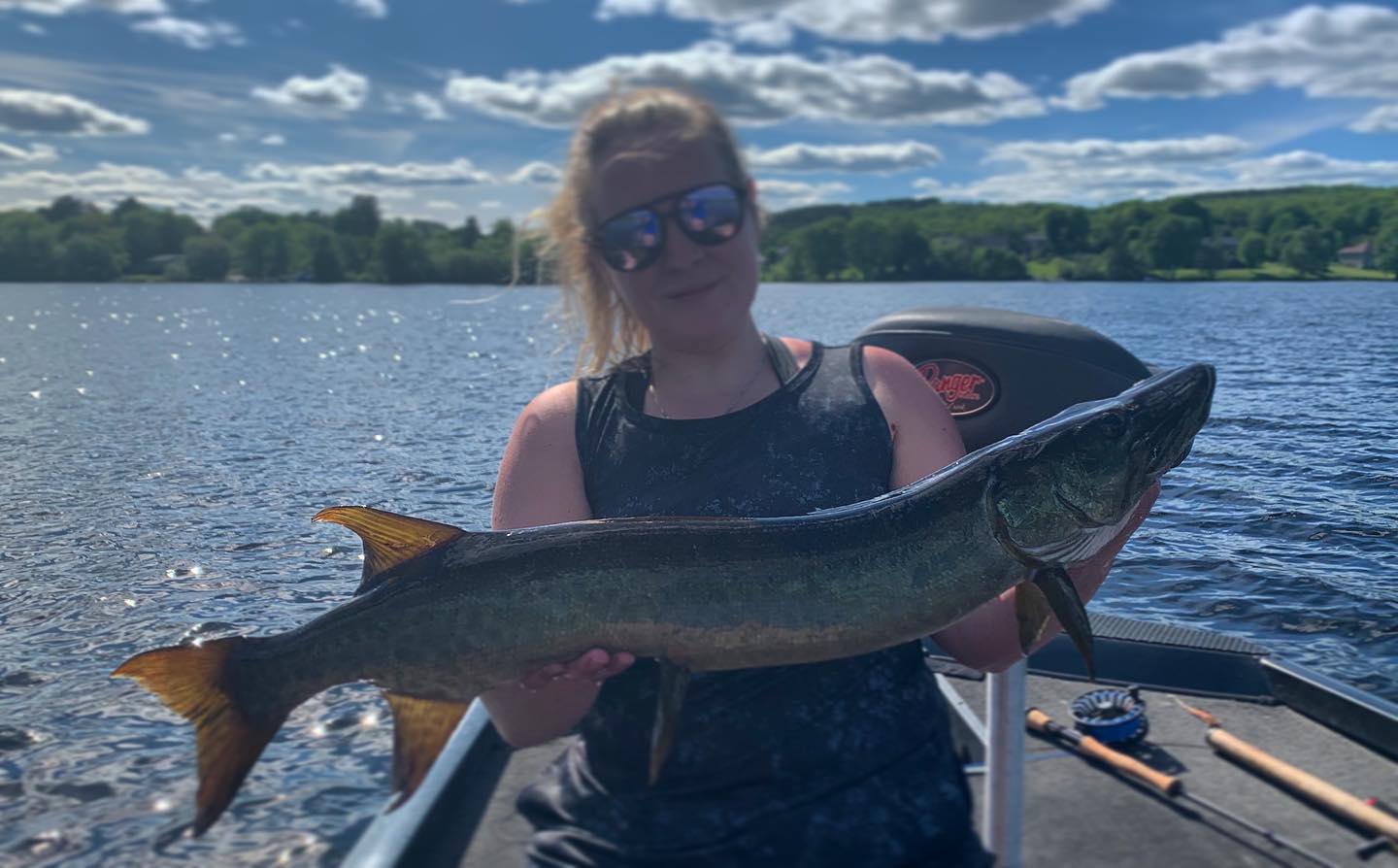
Planning dates around moon phases is not a new idea, and you should plan ahead if you want to stay at a lodge or near a lake that has muskie in it. The best plan of attack is to call lodges before the season starts and get the ball rolling. Book into the following year even if you have a set moon phase in mind. If they are booked up this summer season, consider asking how late they are open into the fall, that’s when fish really put on the feedbag!
During moon phase trips, come extra prepared. If you’re bringing your boat, bring extra gas, spare release tools and charge up those trolling motor batteries. These will be your longest days on the water because you won’t want to leave!
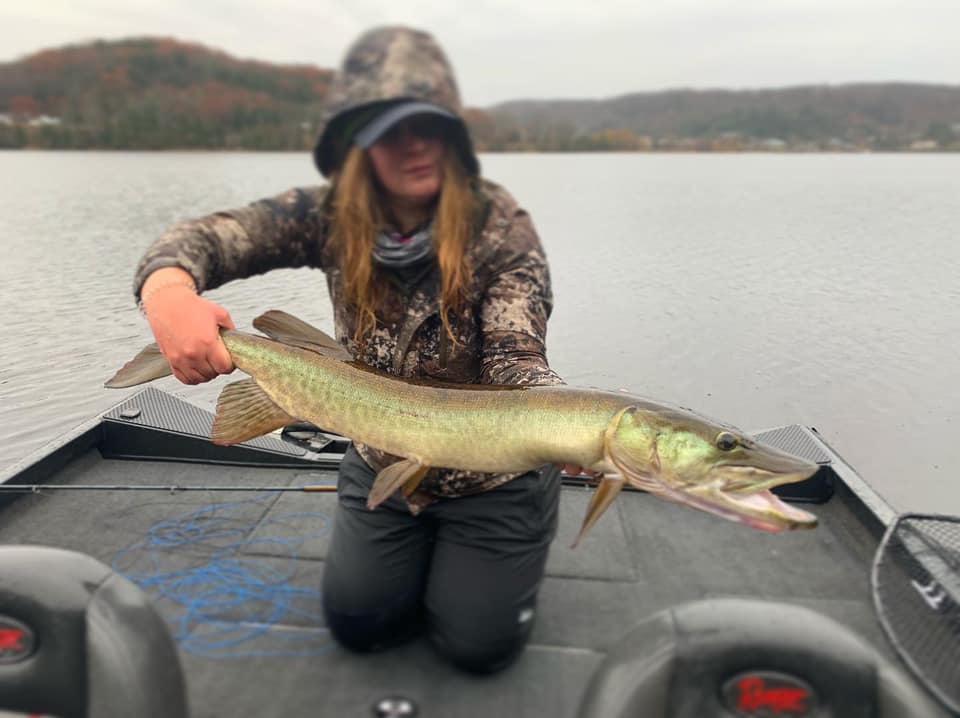
If you’re using a lodge boat, be sure to inform the lodge if you plan to fish during lunch so they can prepare a boat lunch for you if you have an American Plan. If you’re using a Housekeeping Plan, be sure to pack the PB & J sandwiches for food fuel—you’ll need it!
Additionally, if you’re using a lodge boat, be mindful and respectful of the rules, and let someone know if you’ll be out past dark. Keep in mind, for safety reasons some lodges don’t allow their boats out after dinner or sunset. All these things are best discussed before you book your trip to make sure everyone is on the same page.
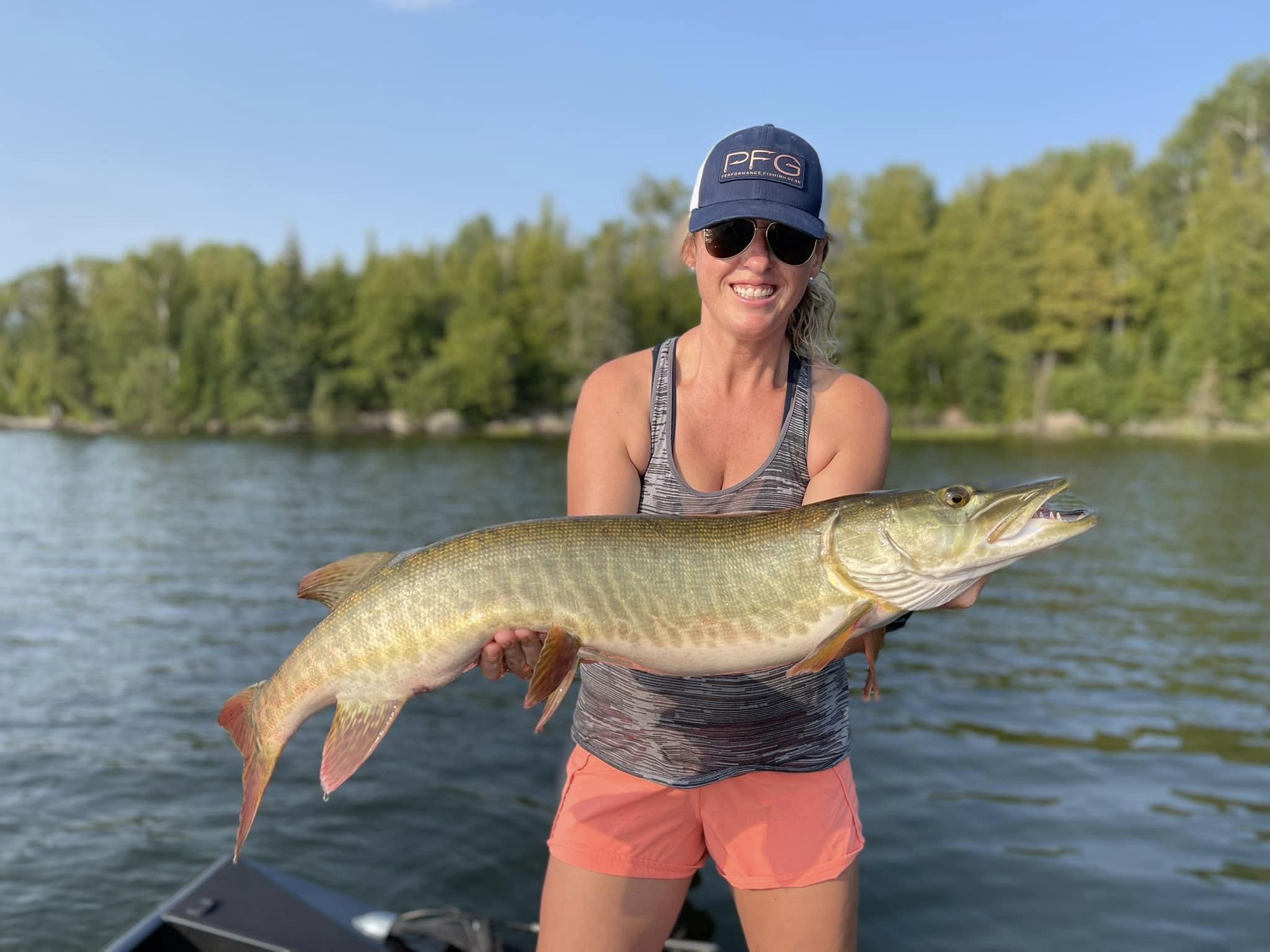
I have overthought the best moon phases for muskie on more than one occasion and now believe that only bite windows matter—but the truth of muskie fishing is, getting out there, finding fish, even ones that don’t bite, and putting in the time, is key. The fish aren’t aware they are supposed to bite during these times and sometimes, they are just hungry.
There's plenty of season to be had and even if your ideal dates don't line up, moon charts cover activity levels of all land critters and lake dwellers. There are bound to be ups and downs in the predictions that may work in your favour.