Best Fall Colour Paddling
Where to see the spectacle from the water.
By Conor Mihell



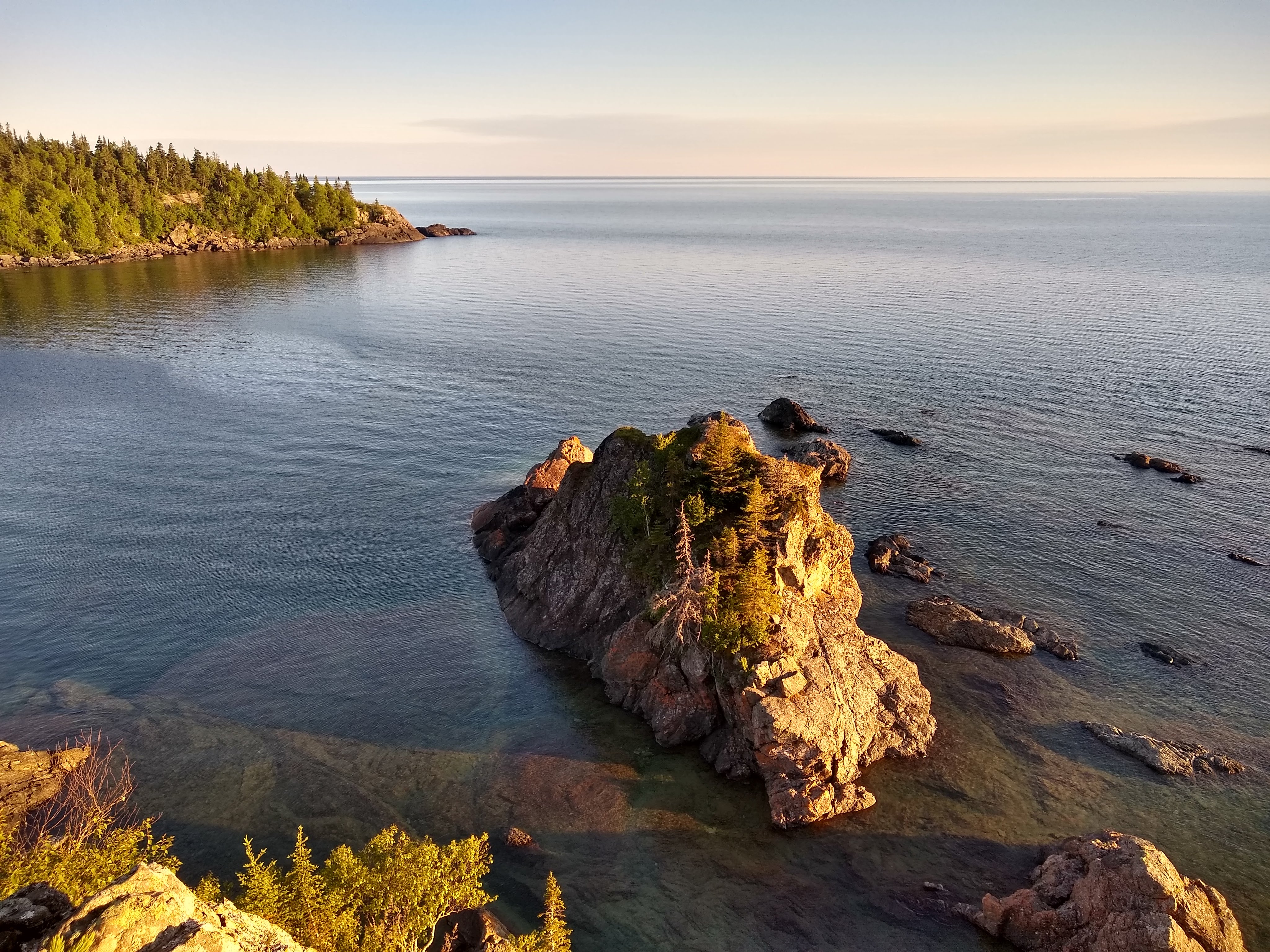
The Slate Islands are unlike anywhere else on the Great Lakes. A meteor strike 450 million years ago created a 32-kilometre-wide crater, with the centre rebounding and uplifting to create the island archipelago that exists today. Evidence of this is present in the formation of the largest known shatter cone in the world, which rose up over 10 metres from the impact. For perspective, shatter cones caused by testing nuclear bombs are generally a few centimetres tall.
When the first impact hit, it was found in the middle of a prehistoric ocean. Today, it’s found twelve kilometres south of the town of Terrace Bay on Lake Superior, the greatest of the Great Lakes.
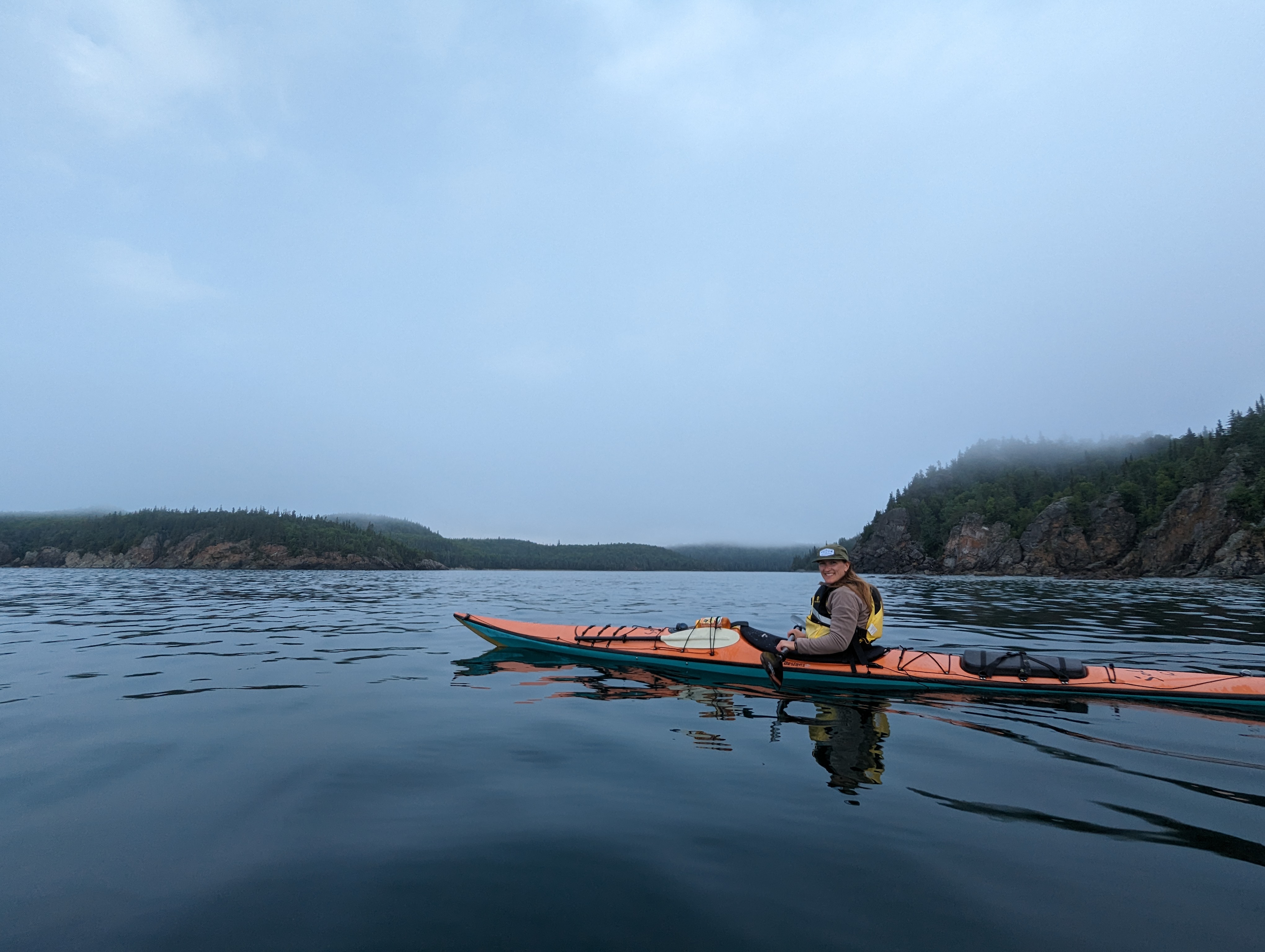
In addition to their otherworldly origins, many other features of the Slates make them appealing to paddlers. The waters between the islands and deep, sheltered bays create something of a “lake within a lake” where it is nearly always calm. The outer shores of Patterson and Mortimer islands are much more rugged, but offer some of the most beautiful scenery and camping beaches in the entire coast.
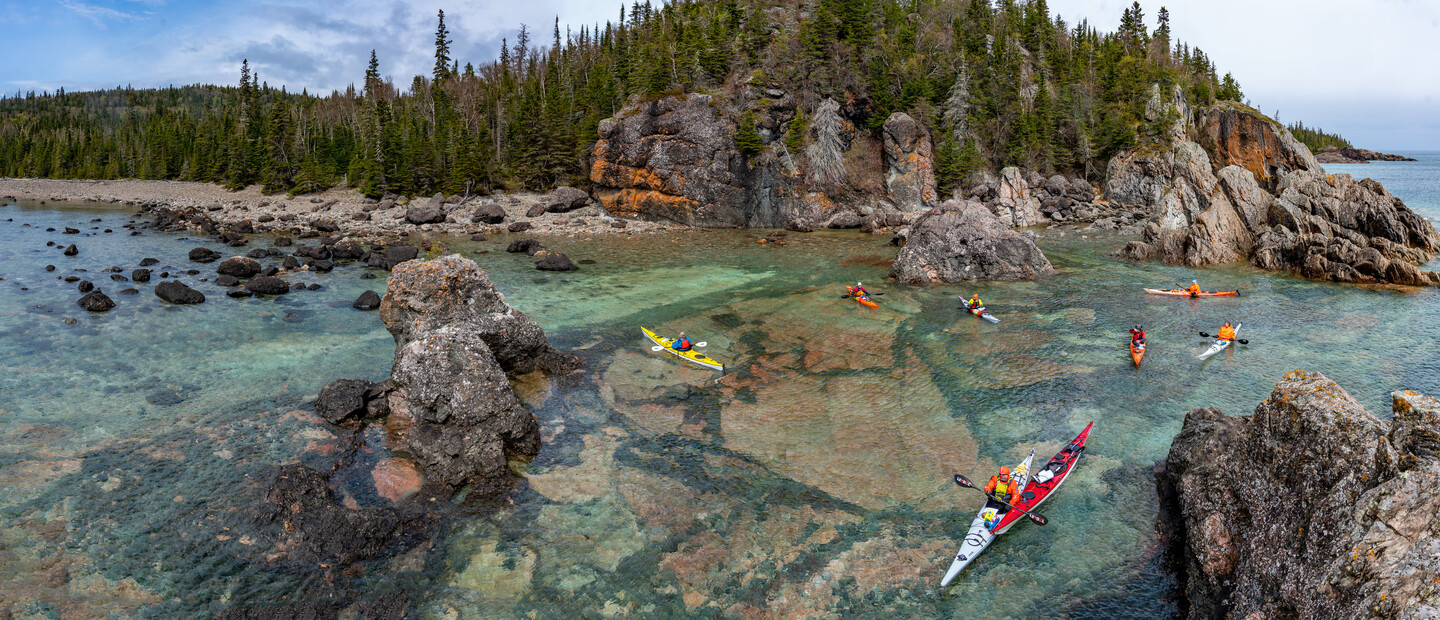
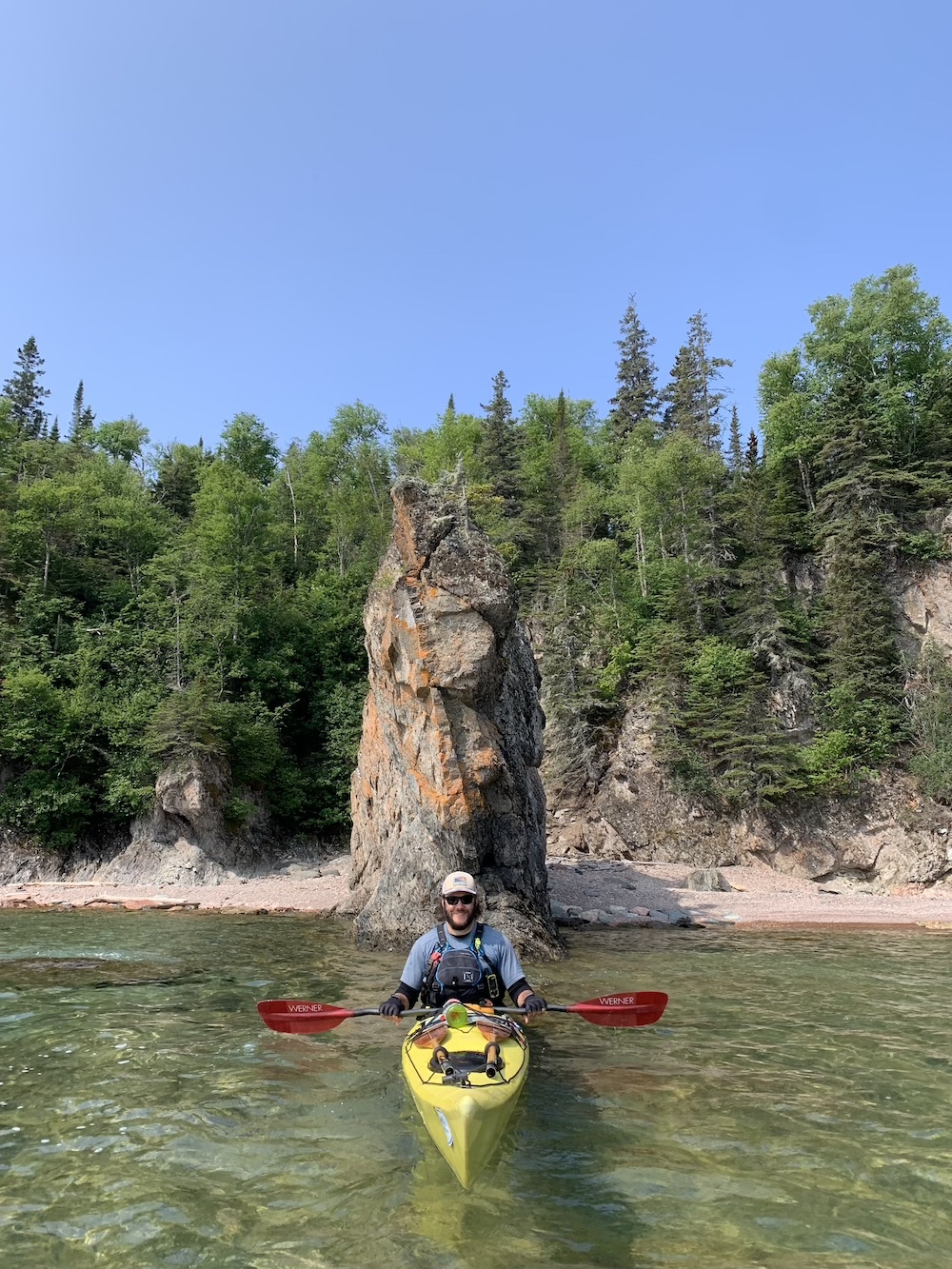
On calm days, paddlers can hug the shoreline, which features several small passages between rock rising dramatically from the water, with endless textures and a wide palette of colours.
The archipelago is home to some of the southernmost woodland caribou—the iconic member of the deer family that adorns the Canadian quarter— in the world. Once abundant across Northern Ontario, their numbers have declined as human development and landscape changes have expanded moose habitat. As moose numbers in caribou country increased, wolf populations also increased, decimating the less resilient caribou. The Slate Islands, however, serve as a unique refuge for caribou, since wolves cannot reach the islands except in rare winters where ice freezes from the mainland.
At one time, caribou were plentiful in the Slate Islands. In researching the area, you’ll likely find lots of accounts of sightings being almost guaranteed and encounters involving curious caribou with little fear of humans. Unfortunately, this is no longer the case.
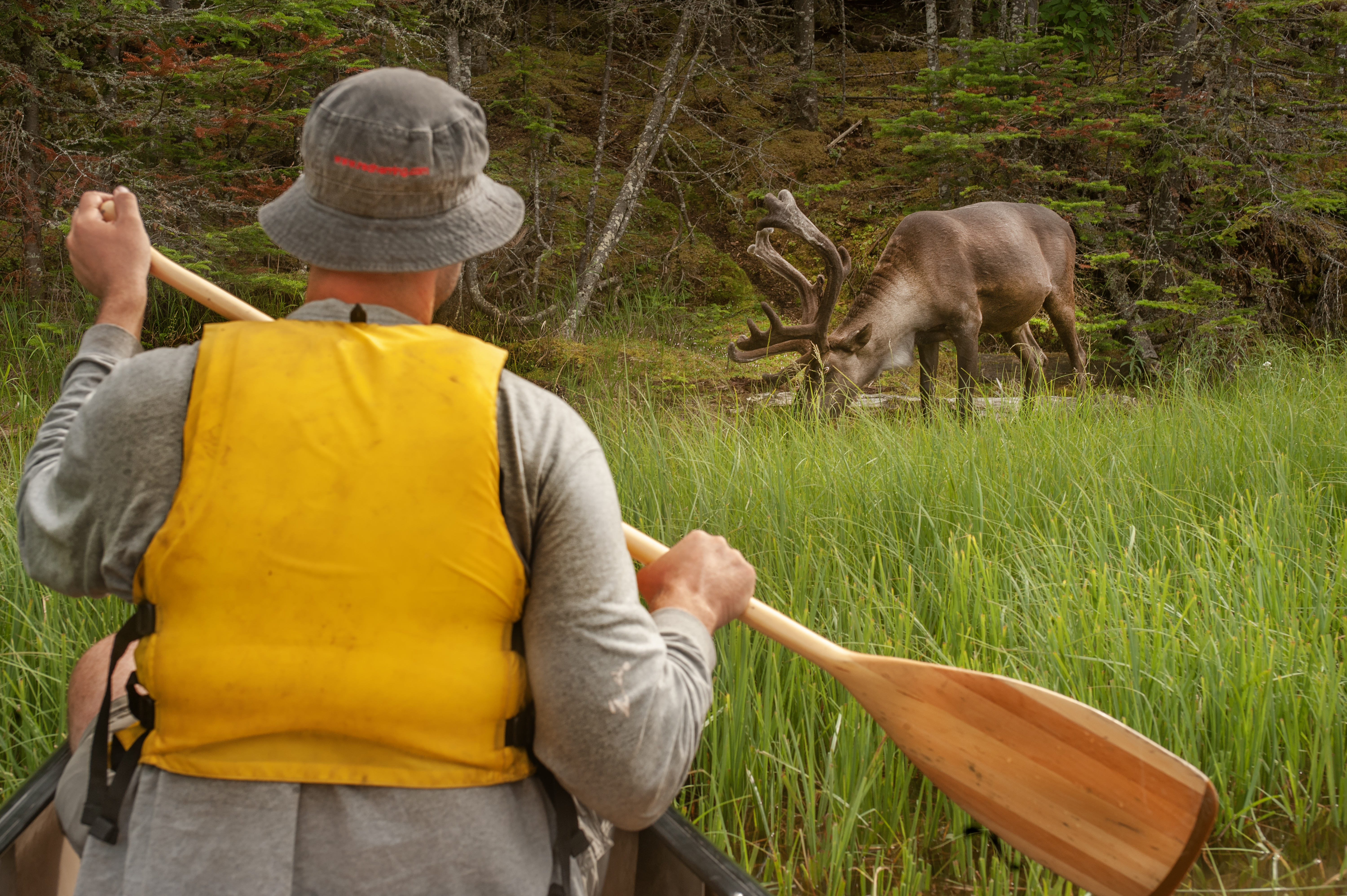
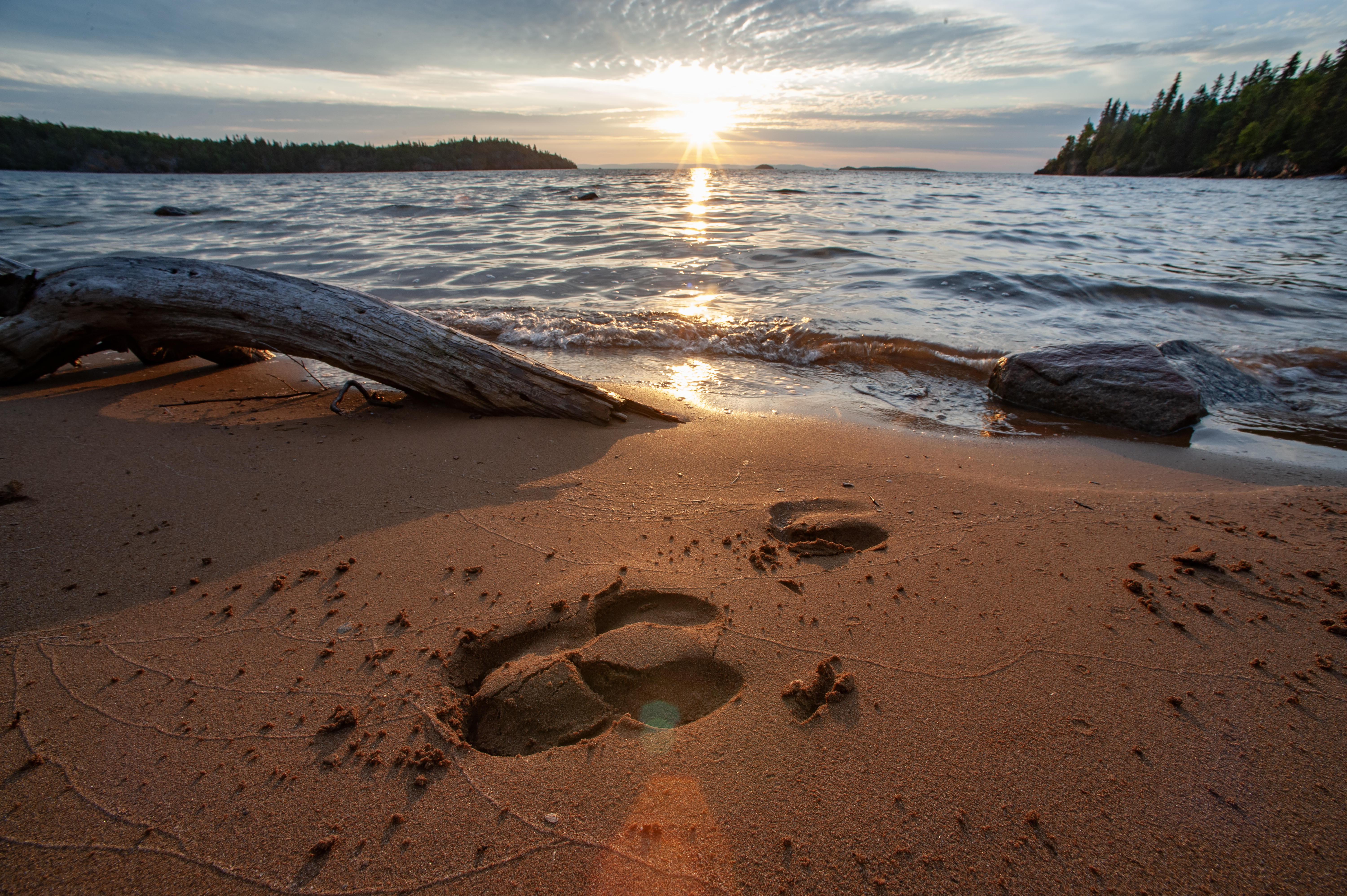
In the winter of 2014, a group of wolves was documented crossing to the island. The islands, which were the caribou’s refuge, had now become a deadly prison. The population crashed, leaving a few wary individuals. Hunting became tougher for the wolves, and they crossed back to the mainland.
In efforts to restore the population, the Ontario government relocated some caribou from Michipicoten Island on Lake Superior, which helped numbers rebound.
Today, the caribou on the Slate Islands act more like their mainland relatives known as the “ghosts of the boreal forest.” Sightings are never guaranteed, but lucky visitors may glimpse tracks along the beaches or catch a quiet, distant movement along the shoreline.
If you are interested in learning more about the Lake Superior herd, The Narwhal magazine has published excellent reporting on the caribou and those working to protect them.
The cooling effect of Lake Superior has also allowed an array of Arctic-alpine disjunct plants to survive. These plant communities are holdovers from the ice age, and have existed along the rocky shorelines for over 8,000 years. Look for encrusted saxifrage (Saxifraga paniculata) or the common butterwort (Pinguicula vulgaris), two especially stunning plants that are found on the Lake Superior coast that are adapted to the tundra or alpine regions. These rare species thrive in pockets of habitat where Superior’s cold air settles into crevices and shaded shorelines.
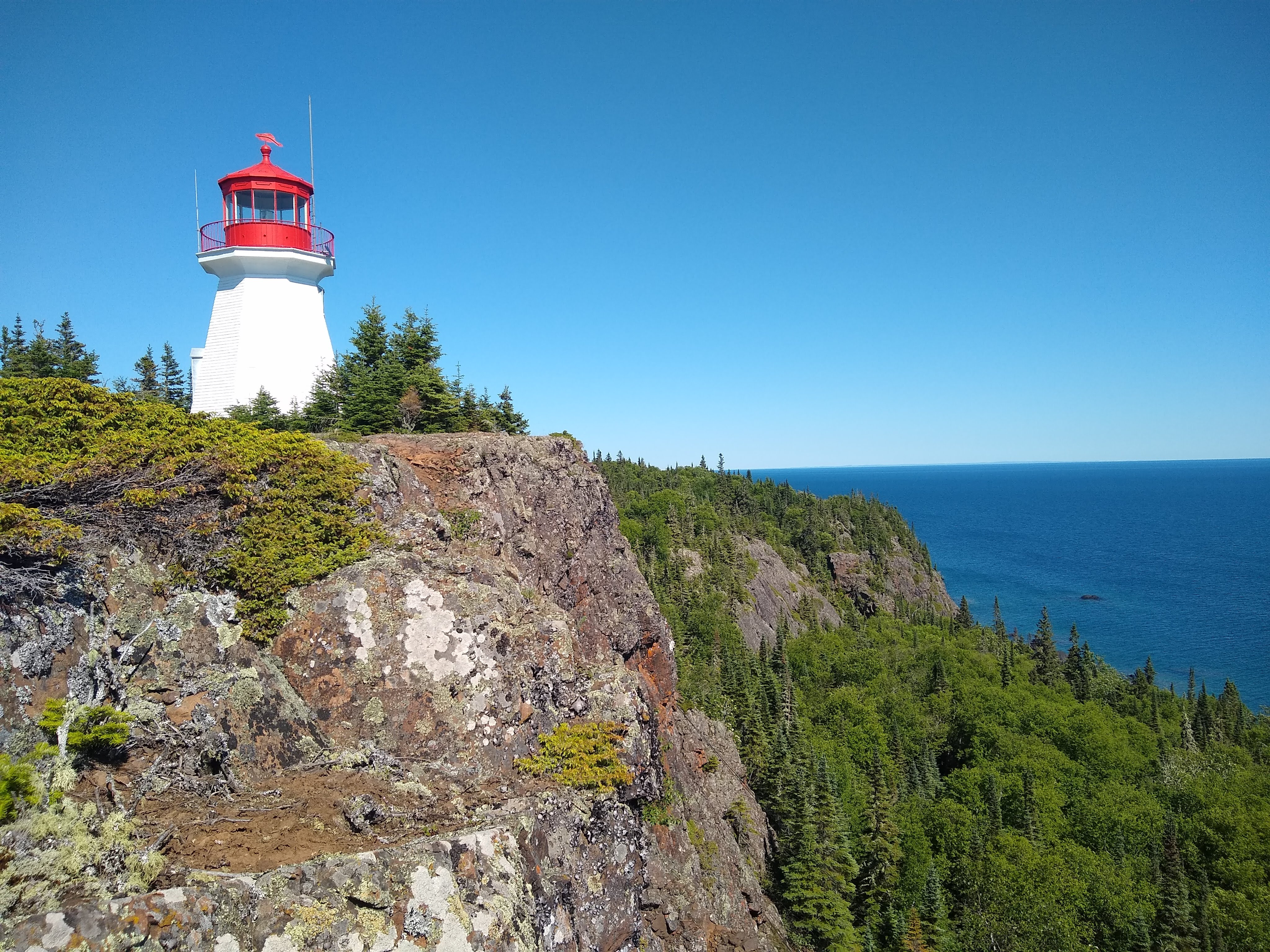
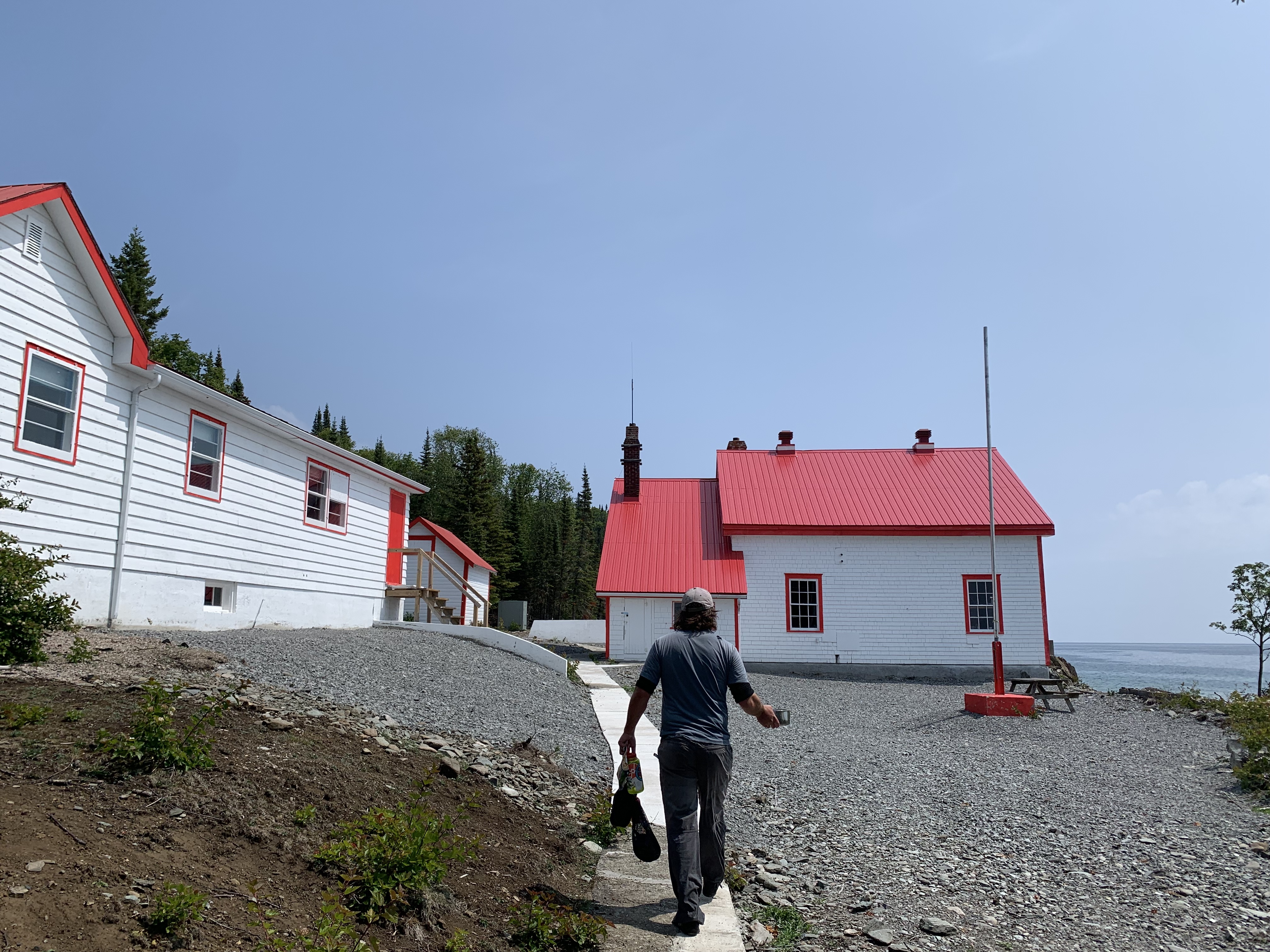
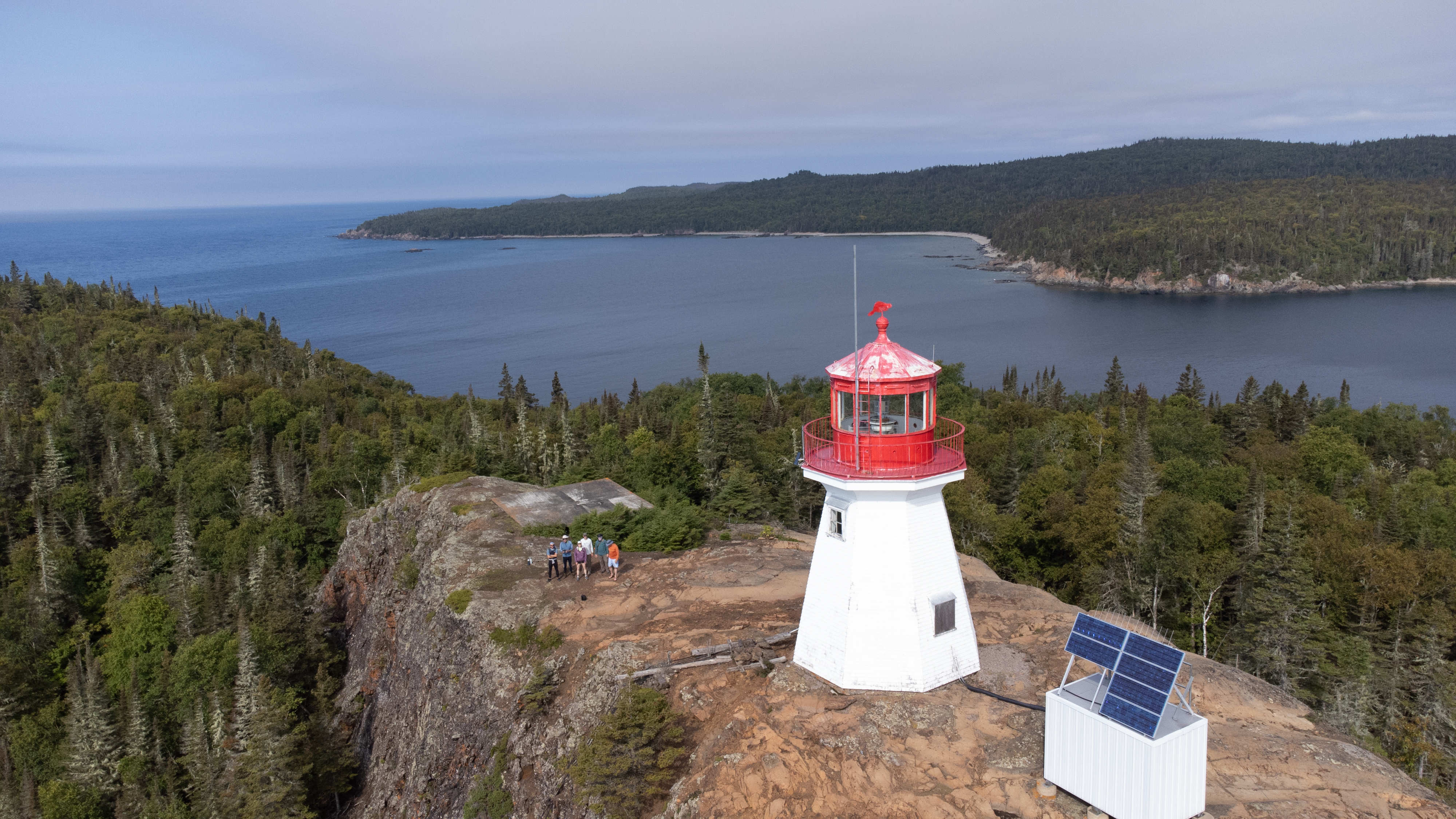
There is a rich human history on the Slate Islands. Paddlers can visit the grounds of Sunday Harbour lighthouse, which has a spectacular panoramic view of Superior. Take note, however, that the buildings and tower are closed to the public. Now gone, the “Devil’s Roost” logging cabin once overlooked McGreevy Harbour, named for the ruthless foreman who occupied it.
Over on McColl Island, the remains of the “Come and Rest” caribou research station still stand. Visible from shore are the pens that researchers used to corral caribou to check their health or, later, to transport them to Michipicoten Island.
Archaeological findings show that Indigenous people used the islands frequently, with sensitive cultural sites being documented dating before European contact. Today, the islands remain significant for local Indigenous communities.
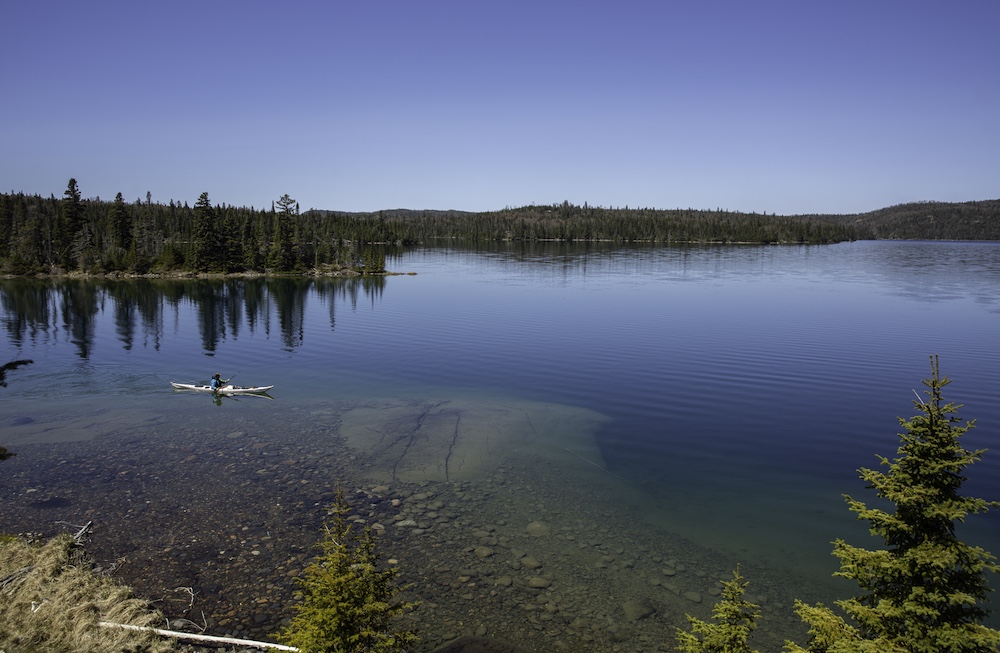
There are two ways to get to the Slate Islands: either by paddling the 13 kilometres from the mainland at the Terrace Bay beach or by getting a boat shuttle. A boat shuttle will save the time and risk associated with the long open-water crossing. The interior of the islands is relatively calm, so boat shuttles are ideal for canoeists looking to explore the Slates.
For those who elect to paddle to the Slates, strong paddling skills, a seaworthy craft (ideally a sea kayak with bulkheads), and advanced weather and navigation knowledge are a must. It’s not uncommon for thick fog to roll in and force paddlers to rely on their compasses to complete the crossing. Even those who take a boat shuttle are at the whims of Lake Superior; bad weather may extend or delay a stay on the islands. Extra food and flexible travel plans are always recommended.
North Shore Adventures offers shuttle services based out of Marathon. Contact the Terrace Bay Tourism Centre for an up-to-date list of other boat shuttle providers.
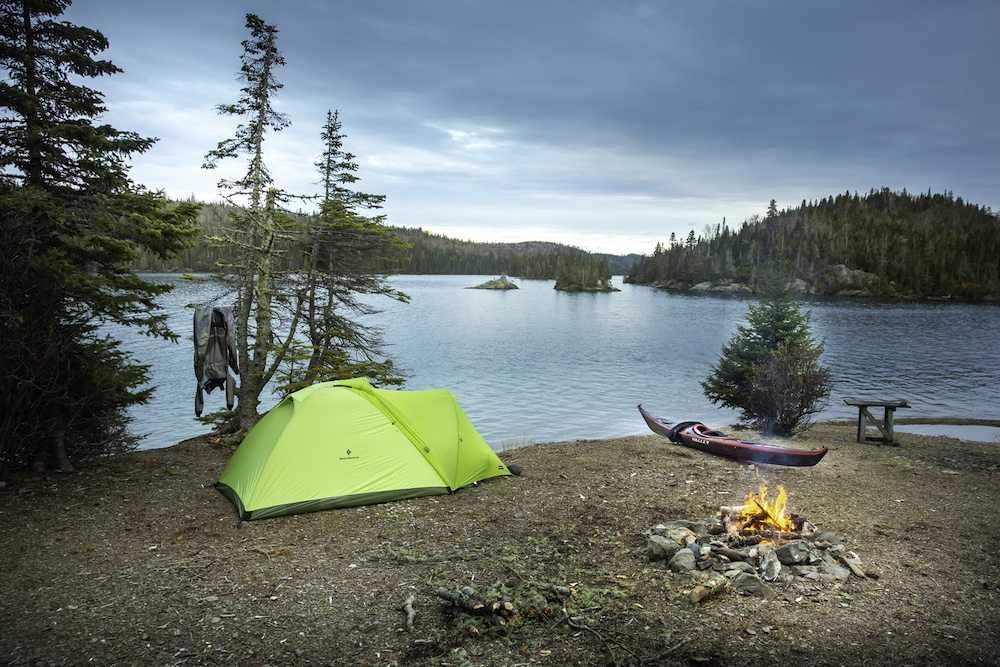
There are numerous campsites on both the interior and outer shorelines of the islands. The sites on the interior are in most bays and beaches, with multiple secluded sites just north of McGreevy Harbour, as well as a few in Mortimer Island’s Copper Harbour. Three-sided shelters are in place throughout the inner coast to minimize impact for campers, and established sites have thunderboxes.
Most developed campsites are signed and have tent pads back in the forest. Several less-developed cobble beaches along the outer coast of Patterson Island are perfect for a small group. The beaches are fine cobble, but not quite sandy, so it doesn’t get into your tent, boots or boat. All sites are first-come, first-served, but especially on the outer shores, where they are limited, groups may have to share in inclement weather.
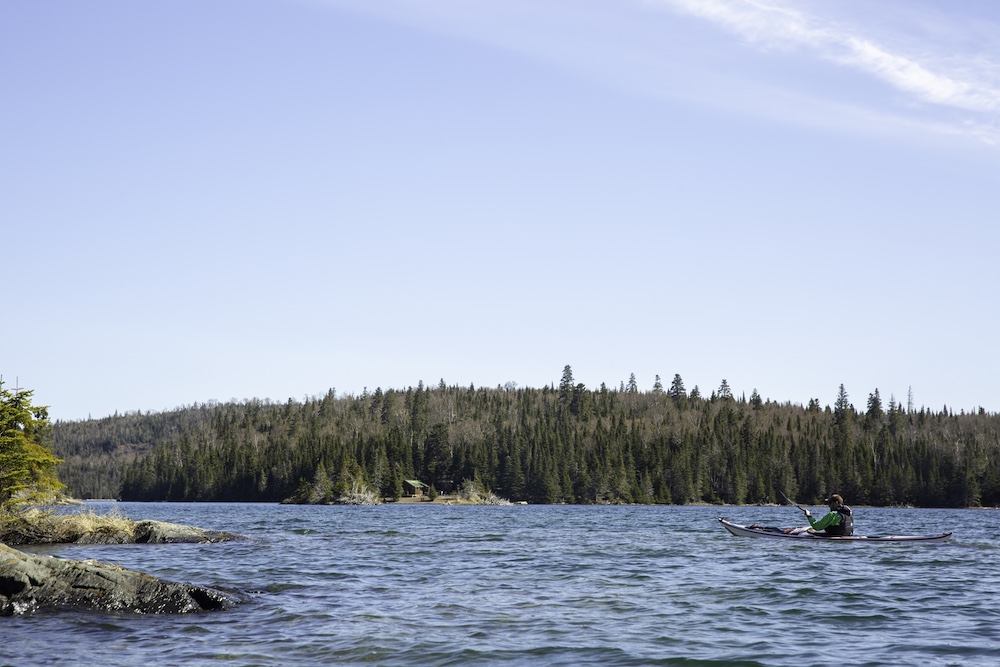
Slate Islands Provincial Park is a non-operating natural environment class park, meaning that facilities are limited, and it is an area designated to preserve natural features, including the sensitive flora and fauna that call the archipelago home. No reservations are required, but non-Canadian residents are required to pay a Crown land camping fee.
Consult A Paddler’s Guide to the Lake Superior National Marine Conservation Area, or local outfitters such as Naturally Superior Adventures in Wawa or Rossport’s Such A Nice Day Adventures for maps of the area, which include most campsite locations.
Both outfitters also offer guided trips and kayak rentals to the Slate Islands, as well as trip consultations for paddlers seeking more information. Guides have an intimate knowledge of the archipelago, know the best campsites and points of interest, and can offer natural history interpretation (in addition to great company).
While some fishing charters or power-boaters travel out to the islands as a day trip, spending at least one night is recommended. Optimally, paddlers spending at least four nights out there will be able to cover ample ground and fully appreciate the beauty of the Slates.
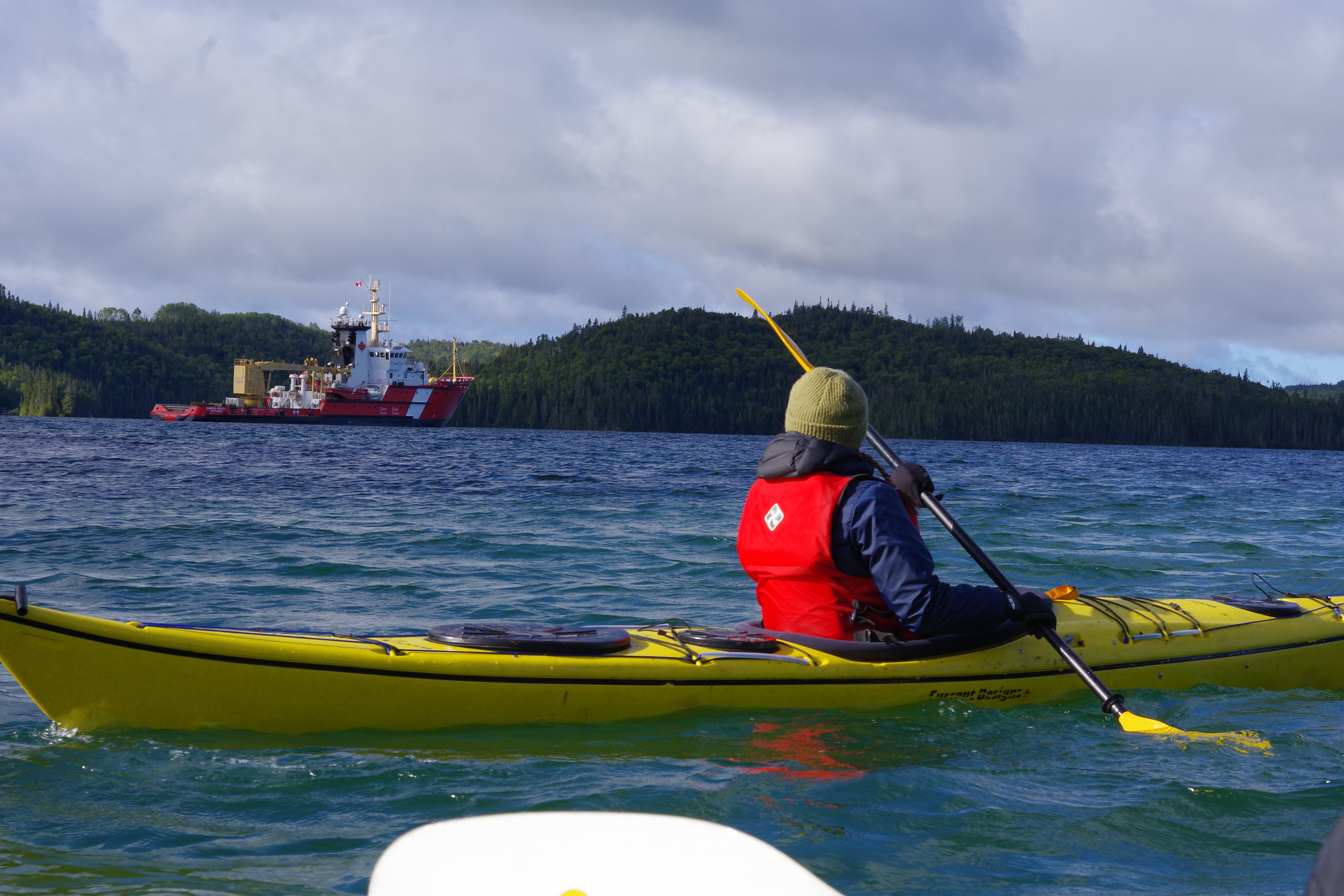
The best time of year to go to the Slate Islands is midsummer, when temperatures are warm and the weather is relatively stable. July and early August are the best months to be on Lake Superior, but June paddlers will also be rewarded with ample birdsong and peak wildflowers—at the cost of peak biting insects. Mid-August onwards, the lake is warmer but more volatile. Paddlers at any time of the year should always be prepared to be delayed by weather, anywhere on Lake Superior.
While the Slate Islands are relatively sheltered, Lake Superior’s cold water and turbulent weather should always be considered. Cell phone service is limited or even nonexistent, so a reliable satellite communication device like an inReach is strongly recommended. Dressing appropriately for immersion with proper paddling clothing and a PFD (always) is essential.
Paddlers exploring the Slates should have strong backcountry camping skills and coastal navigation skills if exploring the outer coasts and islands.