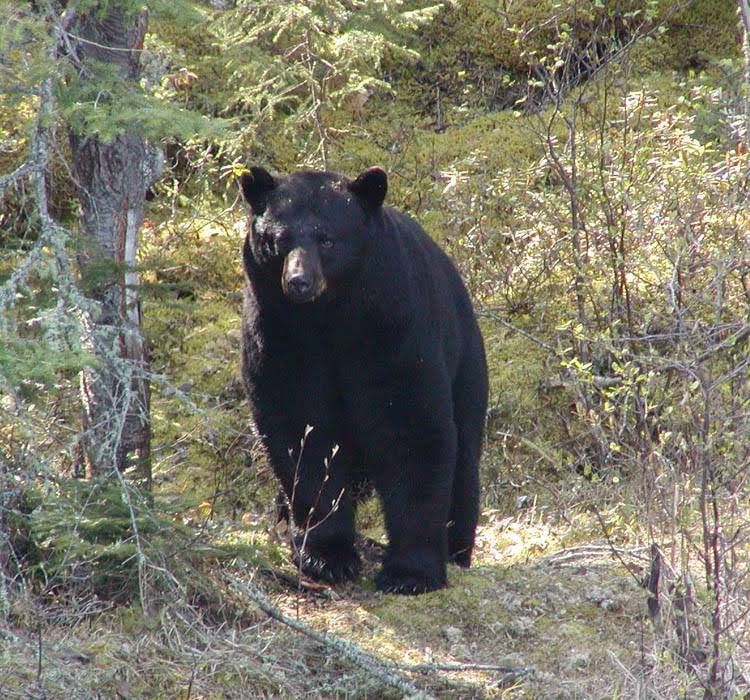
8 facts you didn't know about moose
Just how big is a moose anyway?
By Erin Rody


A little planning goes a long way in Ontario’s Sunset Country, especially for first-time visitors crossing the border or heading into remote outdoor areas. After 27 years as Executive Director at Ontario's Sunset Country, I've probably heard just about every question a traveller could ask, which is great—asking questions is the best way to ensure you are prepared for your first visit to a new destination, wherever it may be.
Truthfully, it is pretty easy to visit Canada, so don't worry. Folks who report back to me after returning from their trip say that the time they spent preparing made the visit straightforward and enjoyable.
Here are the key tricks of the trade to help you plan your Sunset Country adventure.
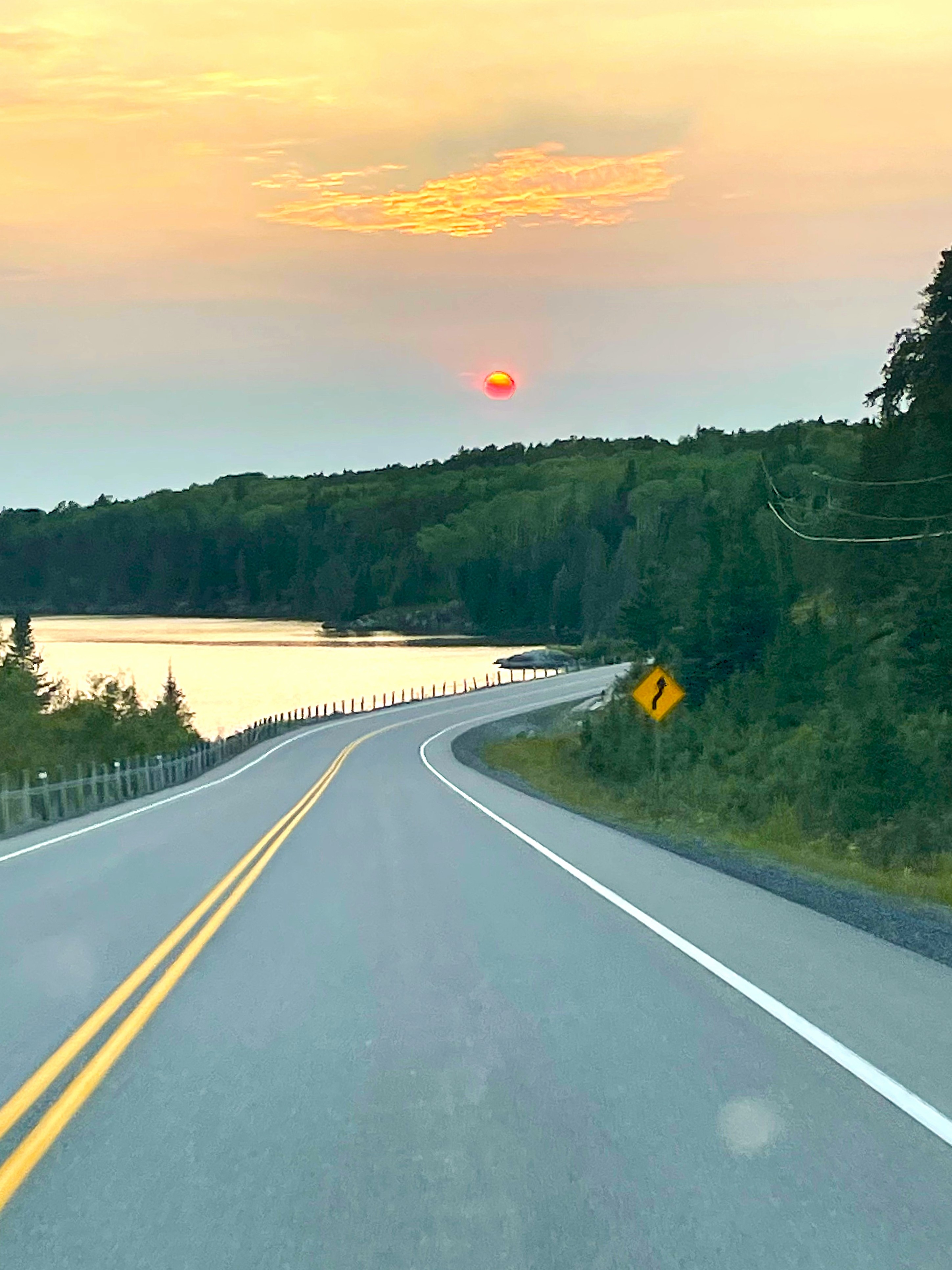
During the summer, Northwestern Ontario is a popular tourist destination, with most visitors coming from the U.S. Midwestern states and the Province of Manitoba, Canada. People who live here often go out of their way to help visitors. The students who work at visitor centres, the lodge owners, the retailers, in fact, anyone involved in the hospitality business (and even the locals who aren't) are always ready to offer a helpful hand—all you have to do is ask. In fact, the number one comment I hear from travellers is how friendly and helpful the locals were.
Some guidelines are helpful for anyone visiting, regardless of what you're doing upon arrival. Let's start with the general stuff first:
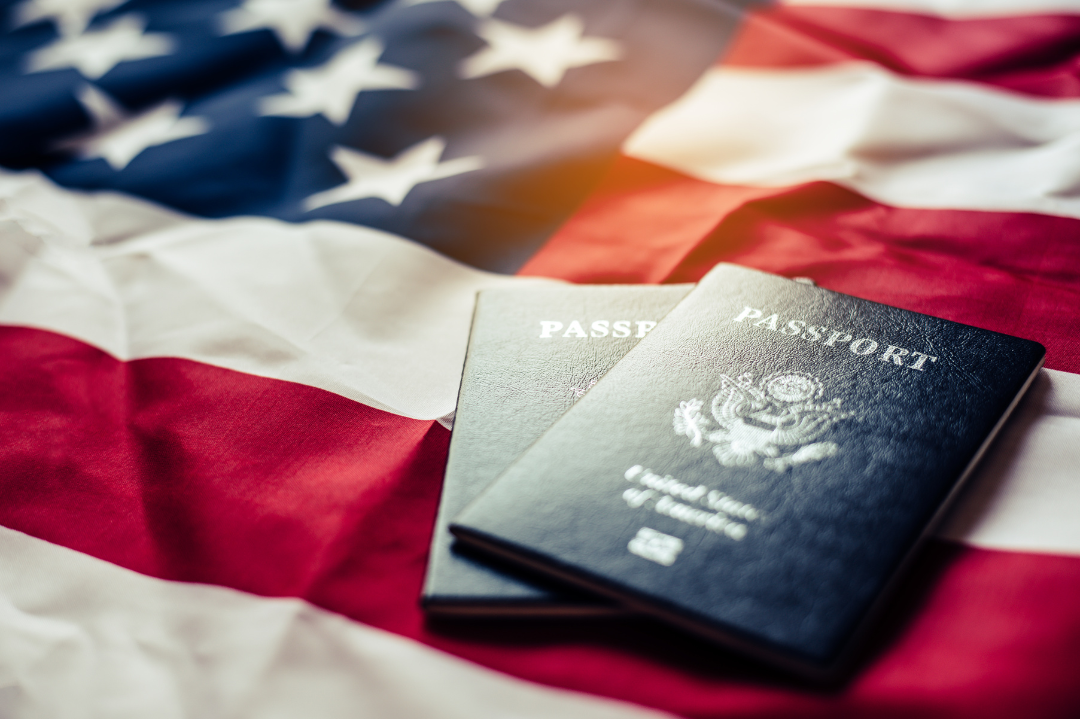
Citizens of EU countries do not need a traditional travel visa for short-term visits, but they must obtain an Electronic Travel Authorization (eTA) if arriving by air. For all other countries, you can check here to see whether you require an eTA or a visa to enter Canada.
If you have a criminal record (including a DUI), you may be inadmissible to Canada. Learn more here.
If you have a DUI, don't attempt to cross hoping the border guards won't find it in the system—they will.
Certain food products cannot be brought into Canada. The list of permitted foods changes, so learn more here about what food you can bring into Canada. To avoid inspection delays, buy your food in Canada.
U.S. visitors may bring their dog or cat to Canada as long as it has a valid rabies certificate issued within the previous 3 years and signed by a licensed veterinarian. The CDC has regulations you must follow to bring your dog back into the U.S., so be aware of these.
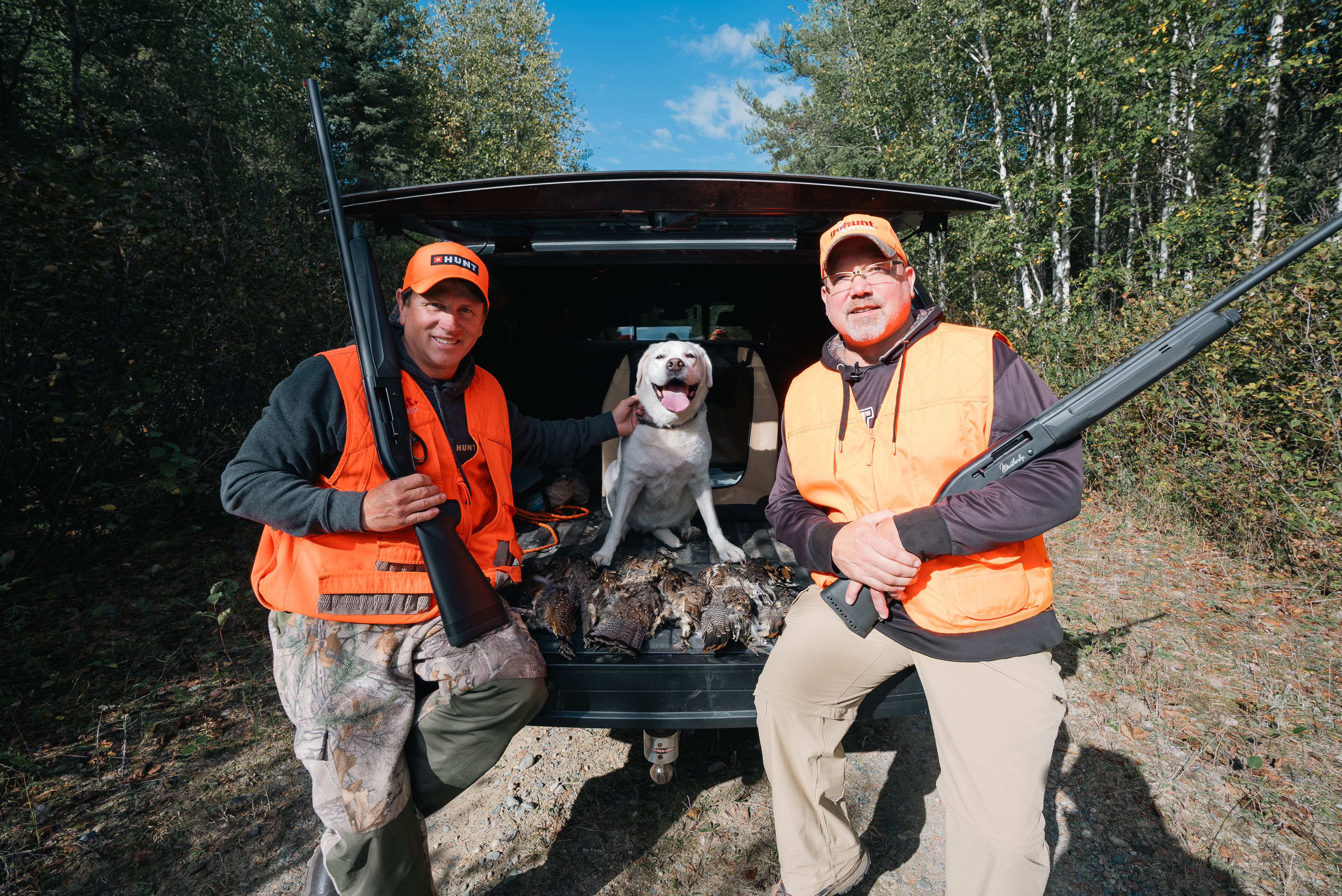
Canada has strict gun control laws, and handguns are restricted, so leave them at home. In Canada, you must have a purpose, for example, hunting, to import a gun. Only non-restricted firearms can be used for hunting purposes, but you must declare them when crossing the border. Here is the form you need to import your hunting firearm.
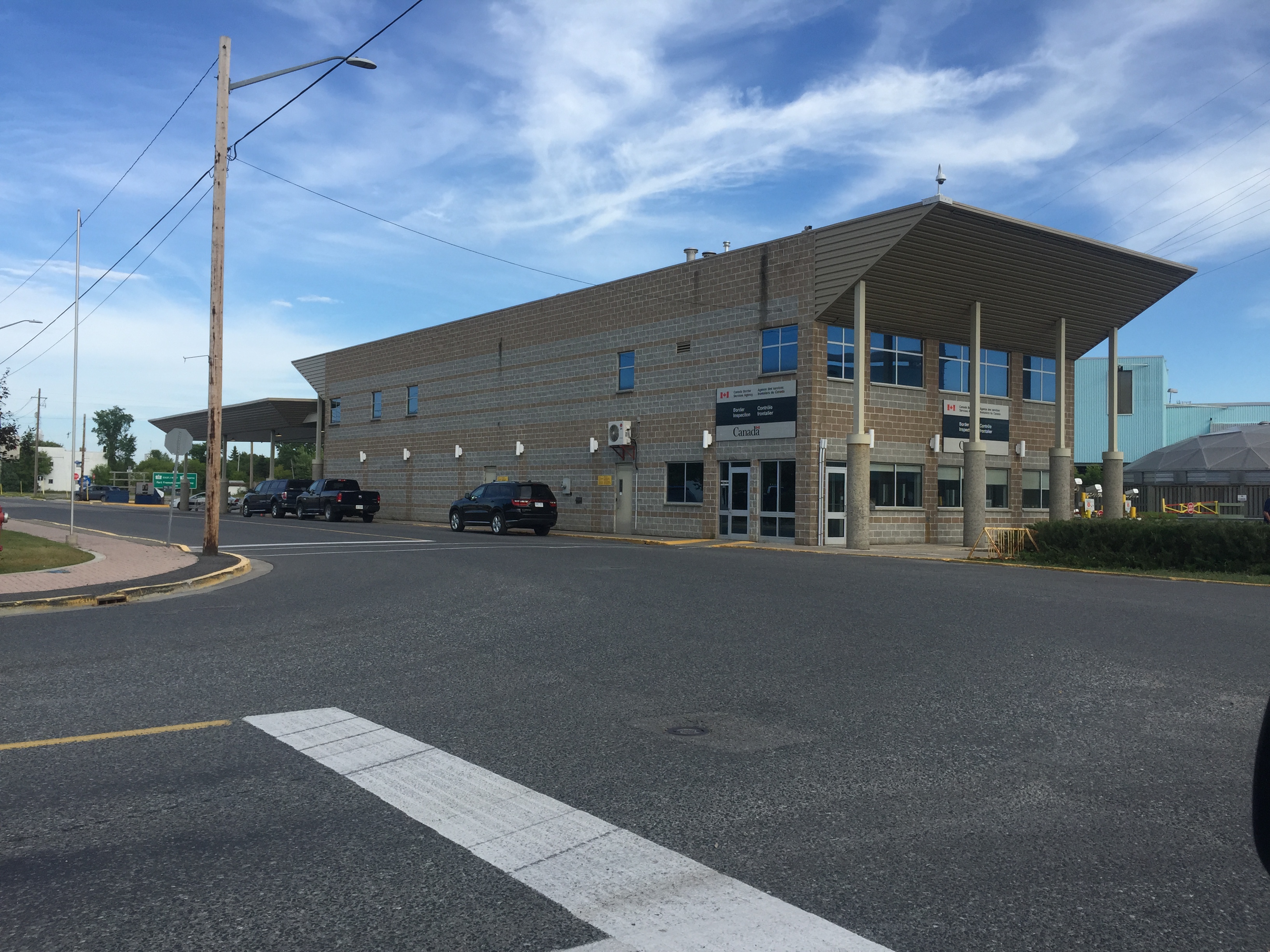
When crossing into Canada from the U.S. and your party is in two separate vehicles, make sure everything belonging to you is in the vehicle you're riding in. This is a common issue with alcohol, where you put "all the beer" in one vehicle, even if you are riding in another. The occupants in the beer vehicle will be over the allowed limit and will be charged duty. The same goes for fishing tackle, clothes, etc., pack yours in the vehicle you are riding in! If you don't follow this advice, expect delays at the border.
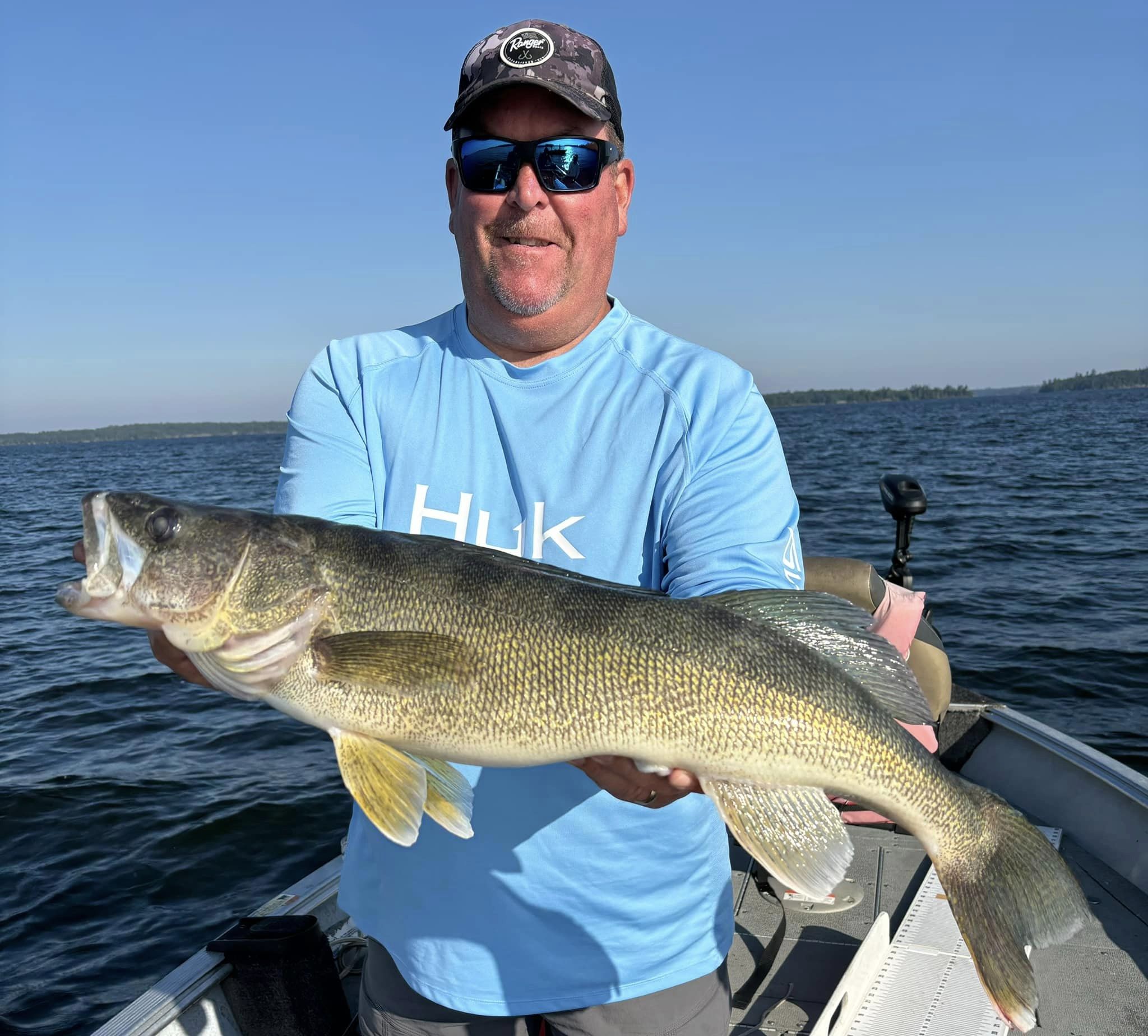
Fishing is the number one reason people visit Ontario's Sunset Country. There are over 70,000 lakes here and over 250 lodges, resorts, and other accommodations. If you've never visited us, here are some things to keep in mind.
Decide on two things first:
Remember to set an inclusive trip budget. A good trip budget means no surprises:
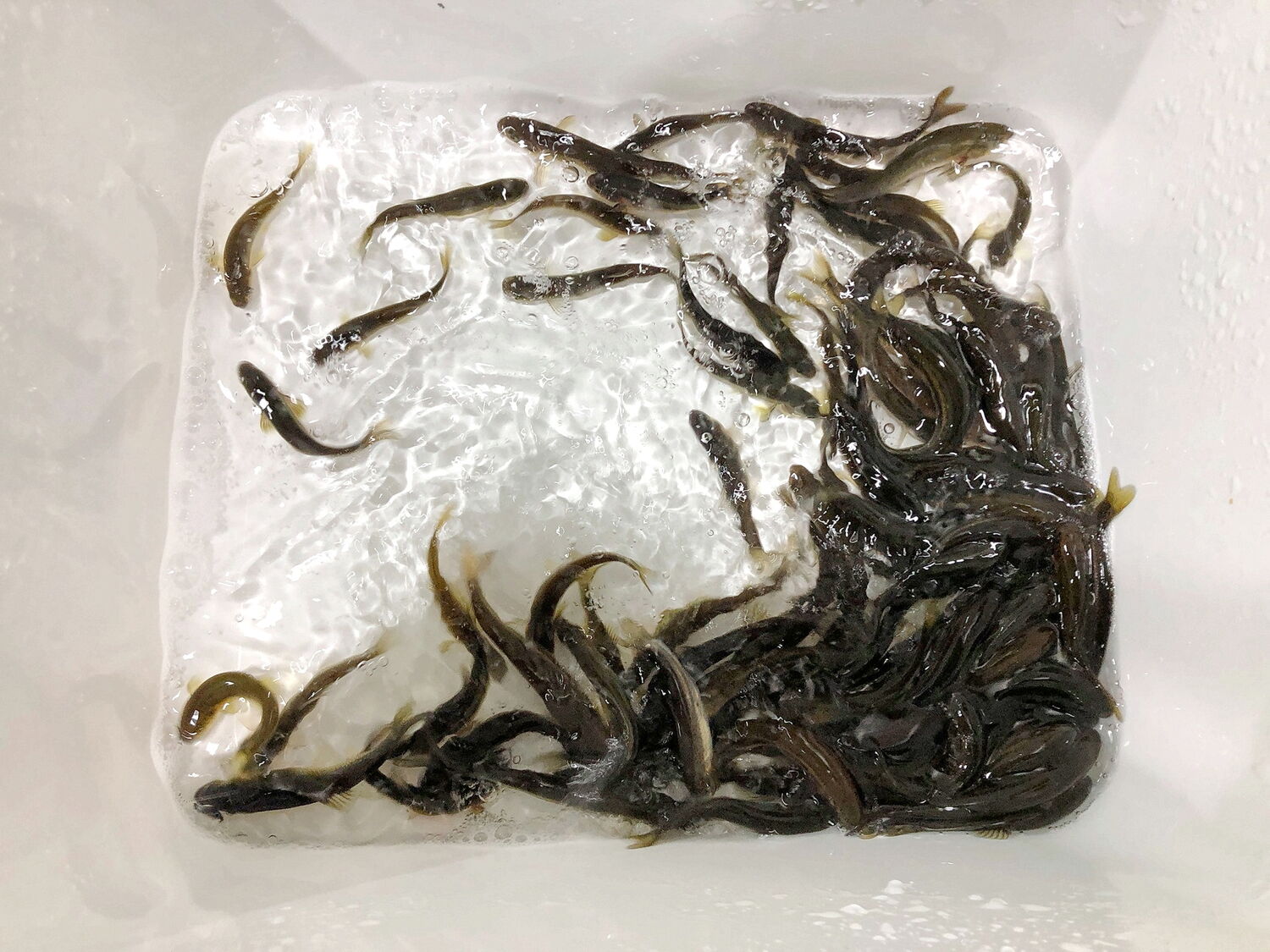
Do not try to bring bait (live or dead) into Canada. Here is a list of places to get bait in Sunset Country.
If you're bringing your own boat, ensure it's been thoroughly cleaned and dried before you reach the border. Drain and disinfect live wells and leave all the plugs open.
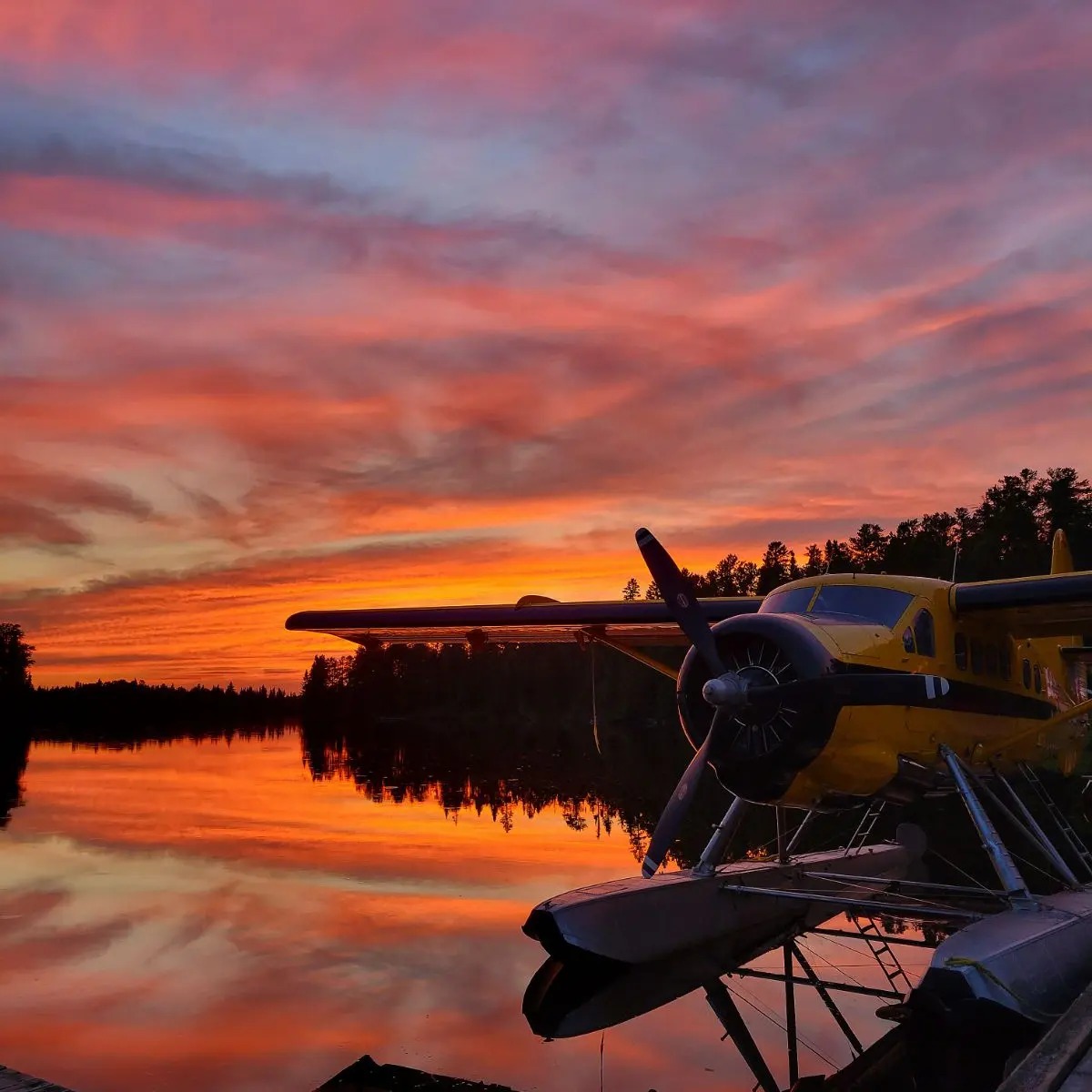
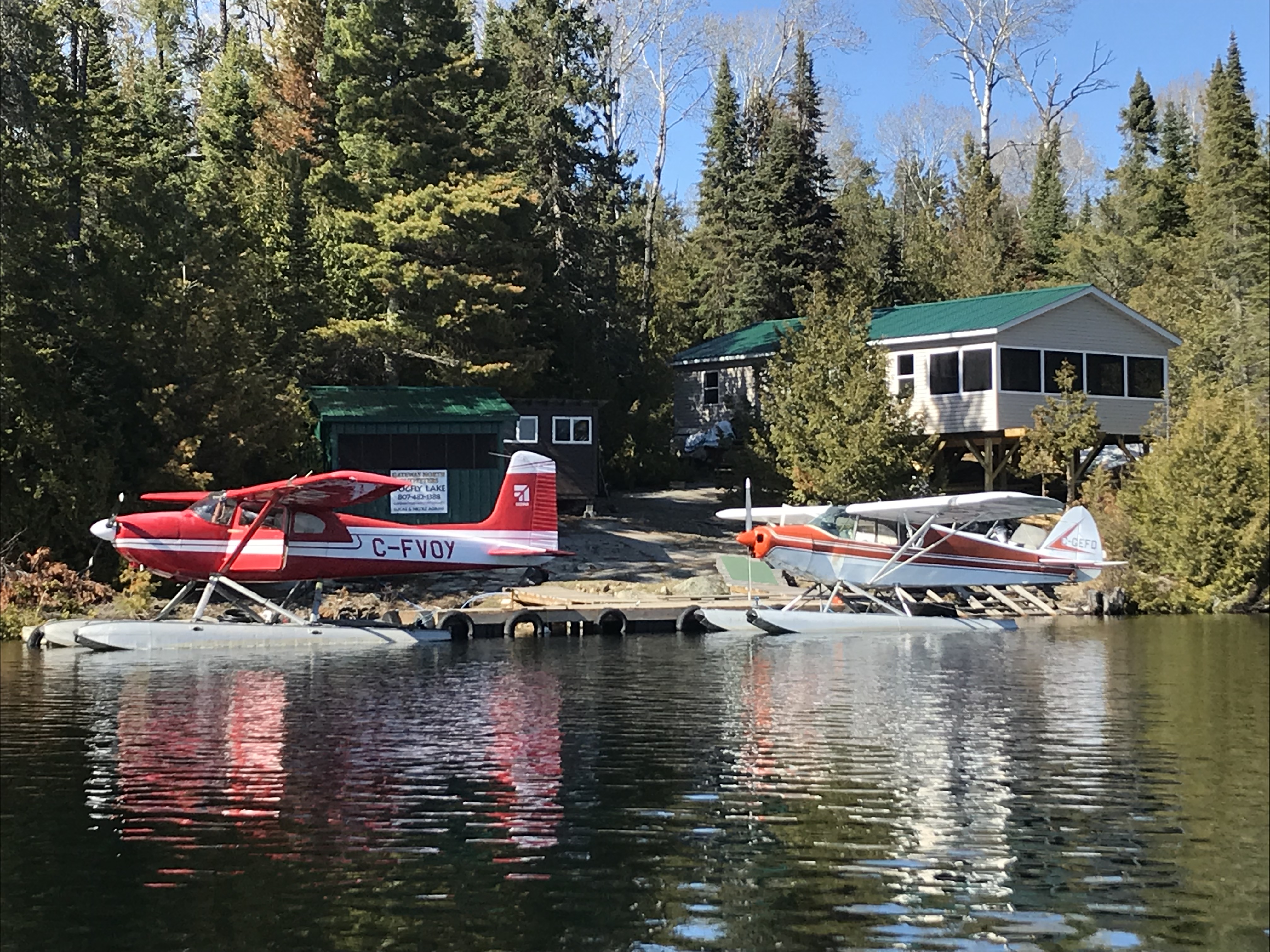
If you're going on a fly-in trip, packing is important as there is a maximum weight allowance per person. Ask your outfitter if in doubt.
Get your outdoors card & fishing license online before you come up. More information can be found here.
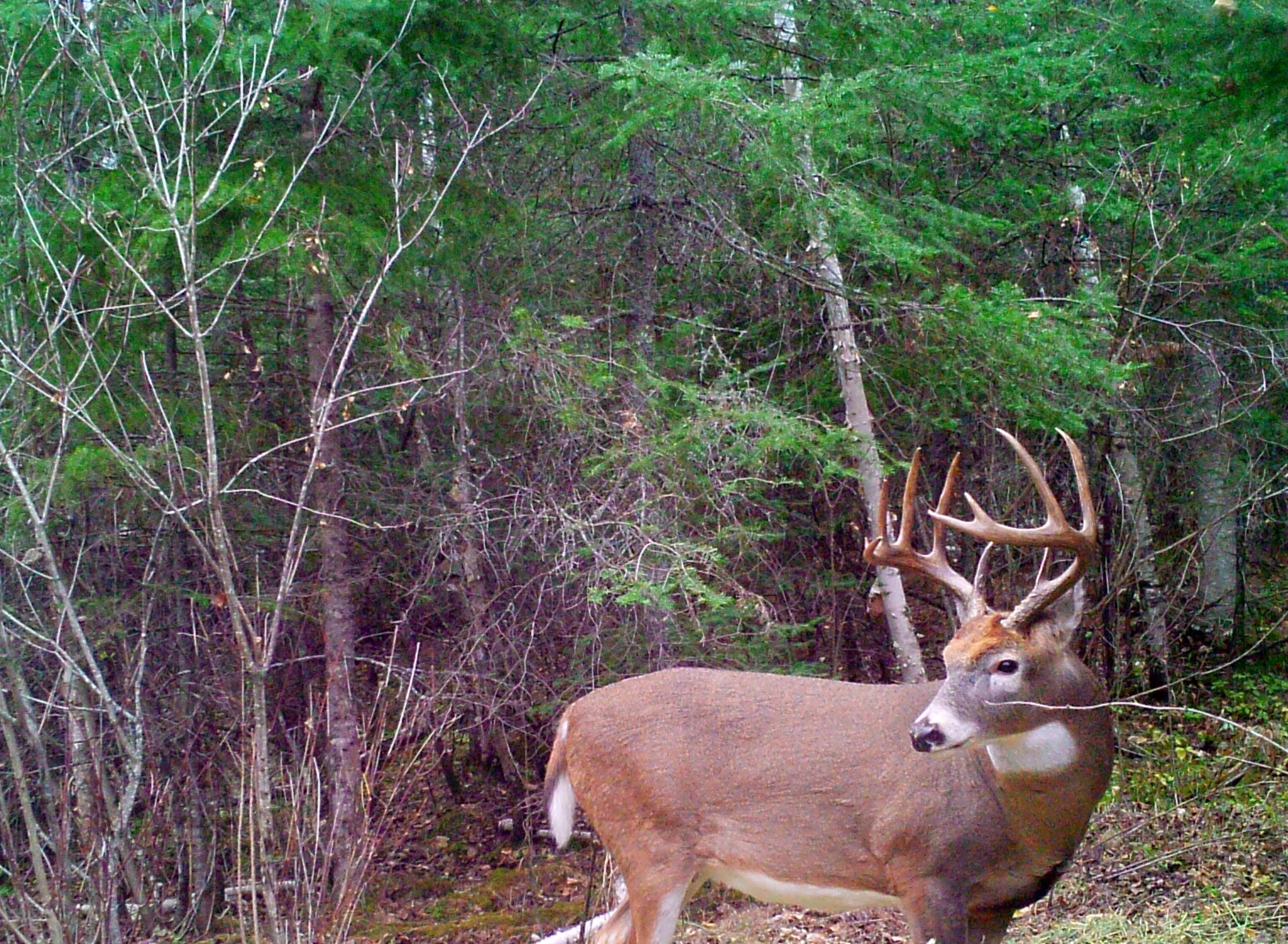
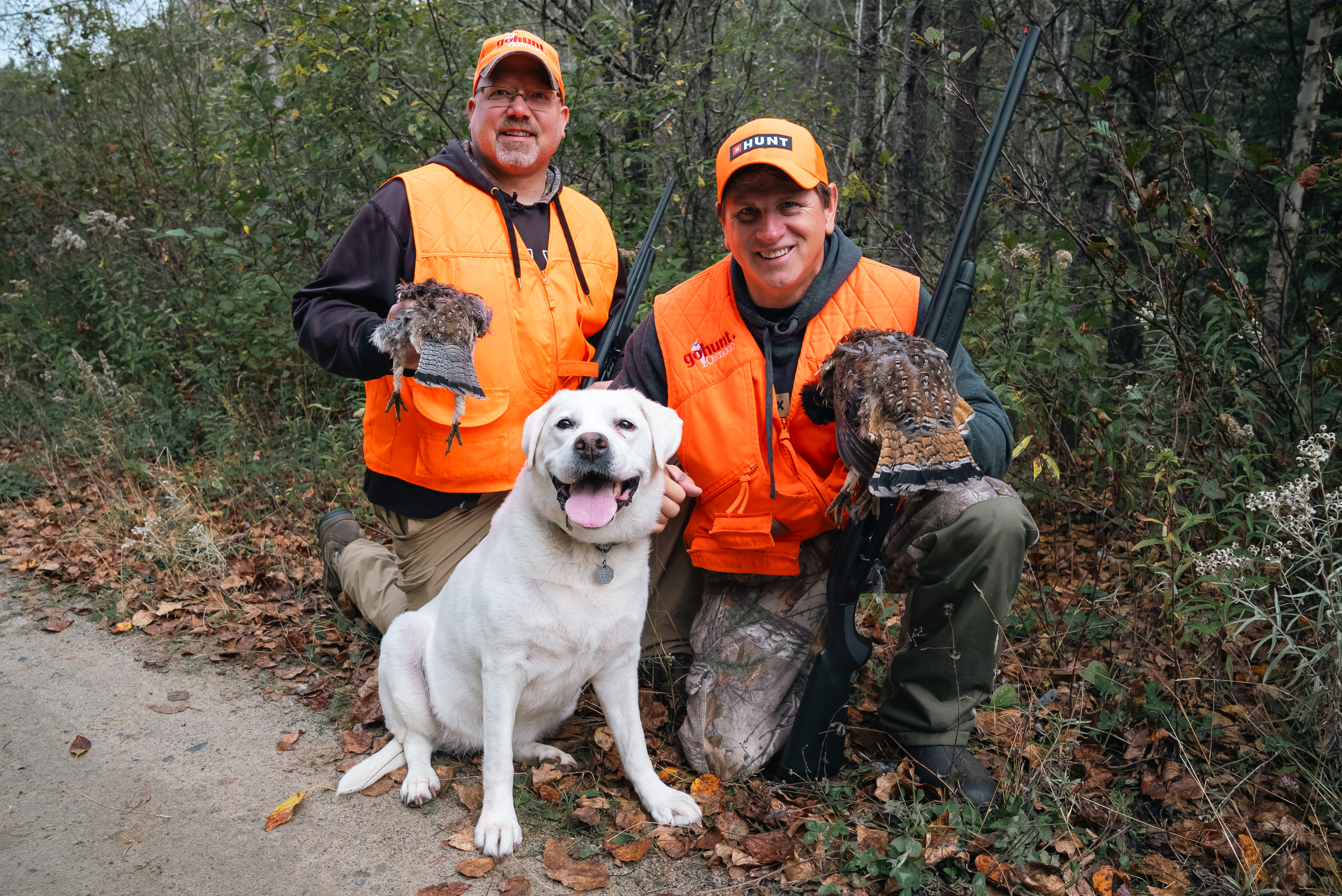
For hunters coming from the U.S., ensure you know what is required to bring firearms and ammunition into the country. Here is a good article explaining the rules around importing firearms and ammo into Canada for a hunting trip.
Make sure you bring a copy of your home-state or province hunting license. This is required to get an Ontario hunting license.
There is no right answer here, but the gear and lures you bring should be chosen based on what species of fish you are targeting. Remember, space for gear and tackle is limited on a fly-in trip, so choose wisely. The time of year also makes a difference. Here are my personal recommendations based on fishing here for the past 30 years:
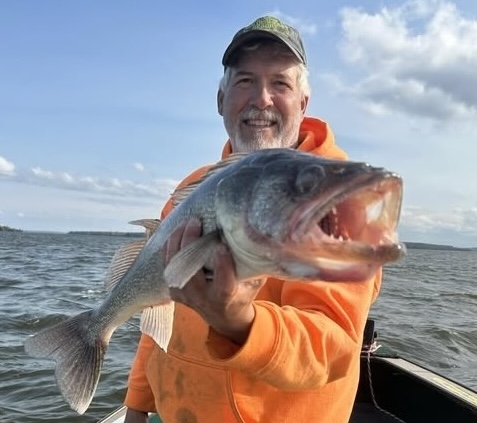
Medium spinning rod and reel, with 8-12 pound test braided line. Jigs tipped with a minnow, leech, or nightcrawler work best, but you can also fish with plastics—use a white or green colour. For trolling, I recommend using medium to deep-diving lures, e.g., Rapala Shad Rap or Husky Jerk, which work well. Also, Strike King XD-3 or XD-5 work well for deeper fish. My favourite colour is black top and silver or white bottom. I like the deep-jointed Husky Jerk the best if I'm trolling for walleye.
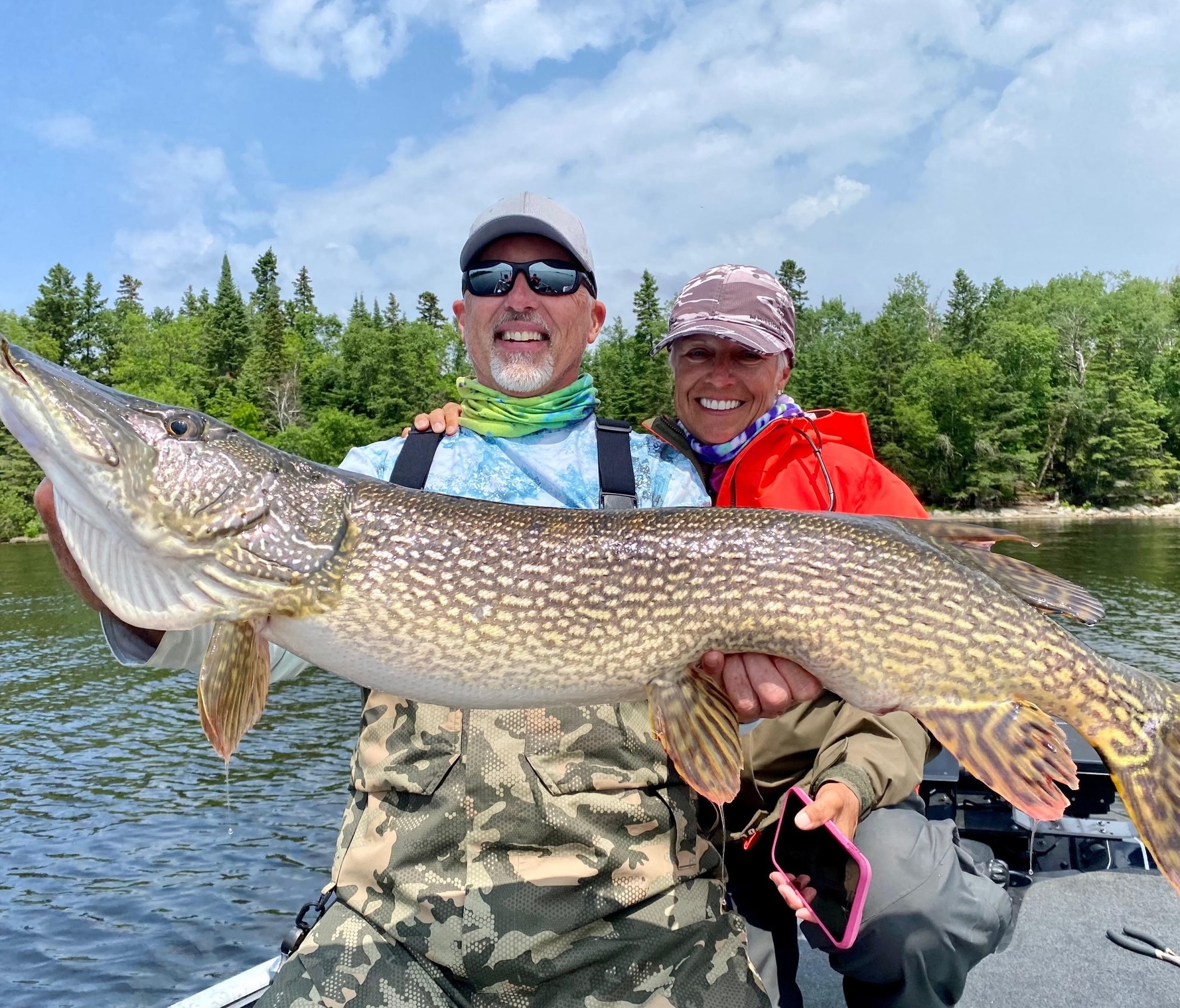
Just about any crankbait will trigger a strike. Bigger fish bite bigger baits. Bring colours that imitate the baitfish in the lake you're fishing. Some people also like throwing spoons and spinner baits. Use a heavy-action rod and a baitcaster for trophy pike.
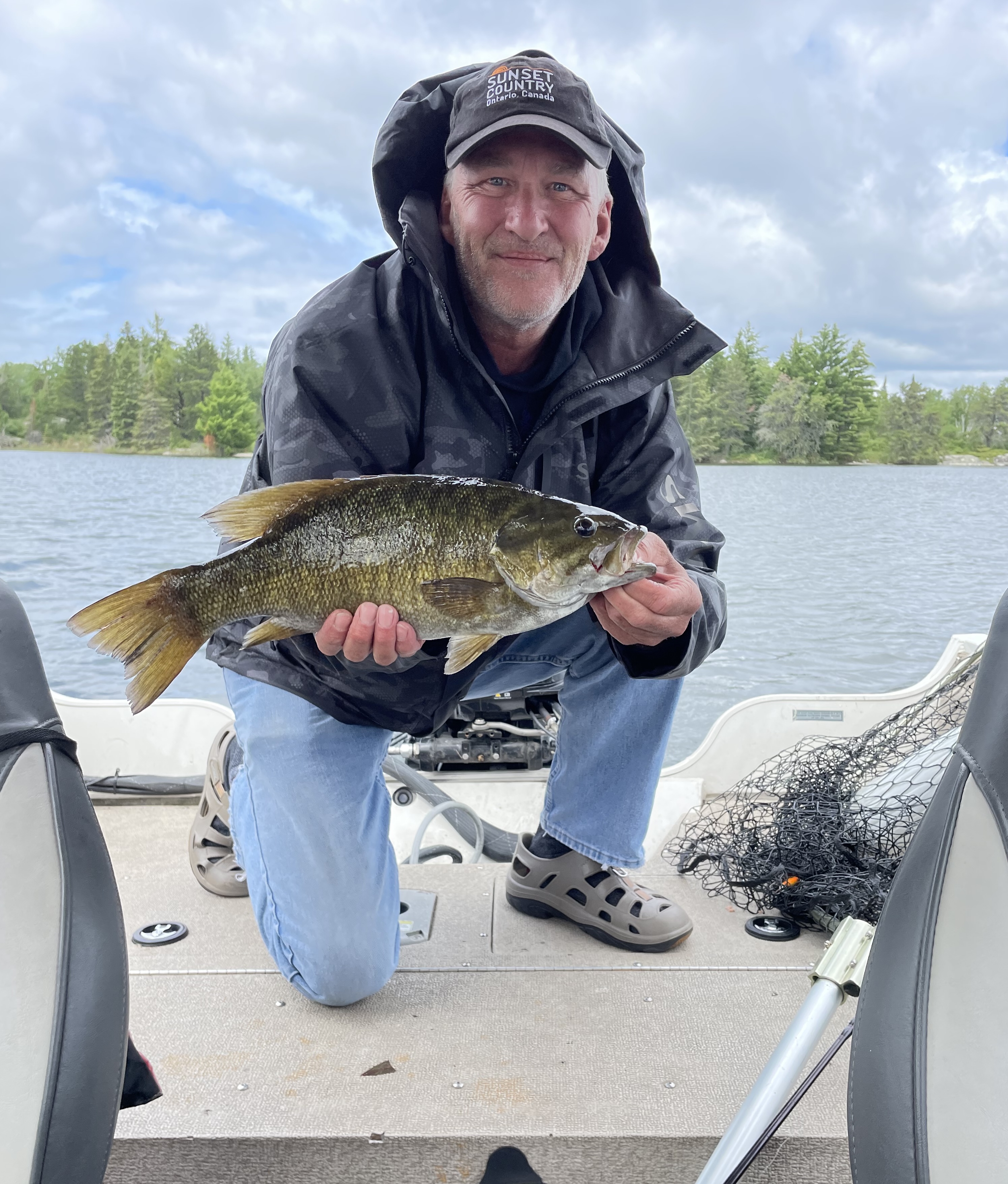
Bring your favourite top water baits. I like poppers or frog imitators. Small crankbaits work great for casting. Buzz baits and spinnerbaits also work well under the right conditions. Many people jig for bass, primarily using plastics, with white and pumpkin green being the most popular colours. I really like casting paddletails. Go deeper for bass in the fall. I recommend medium-action rods and a baitcaster.
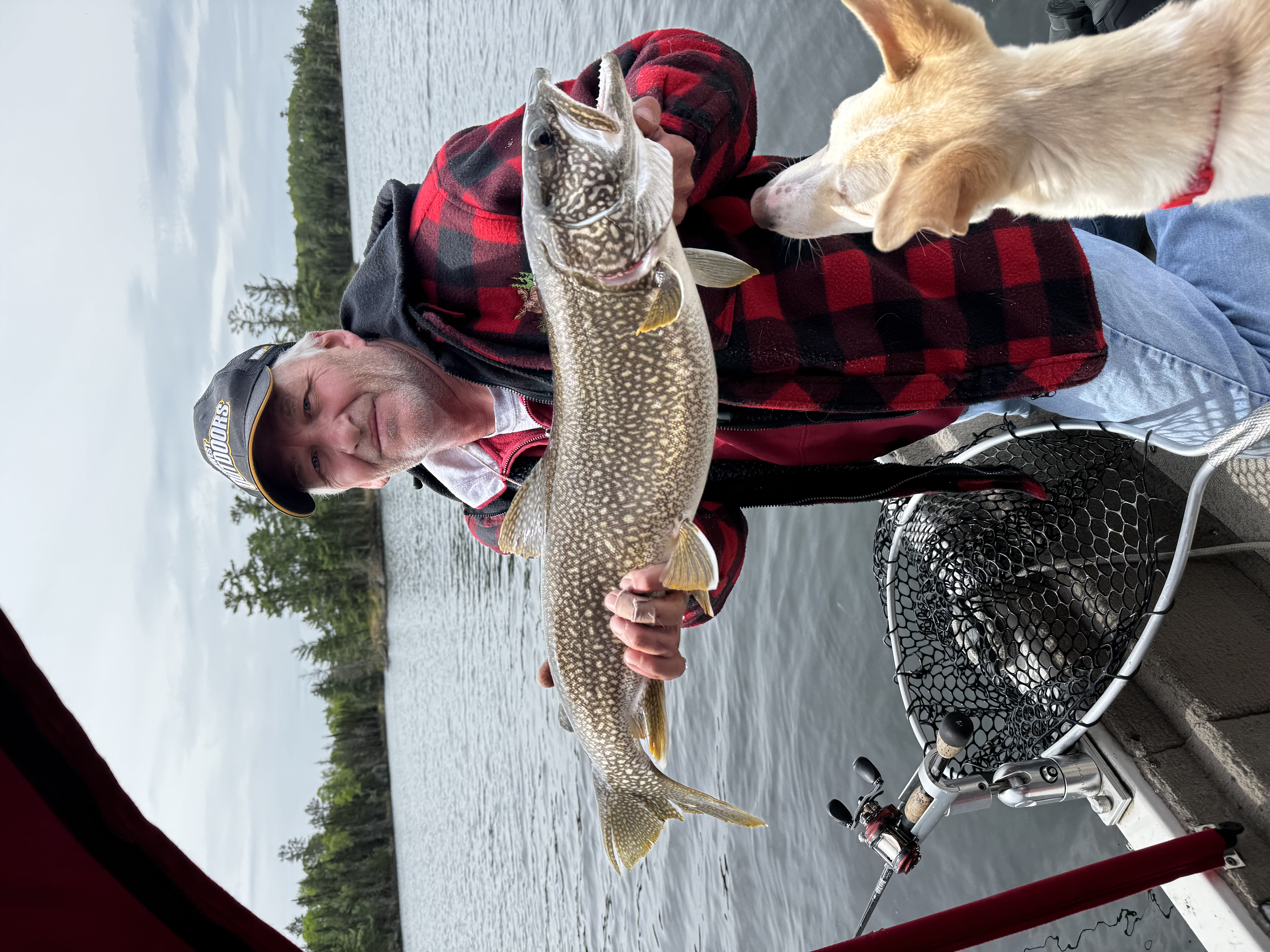
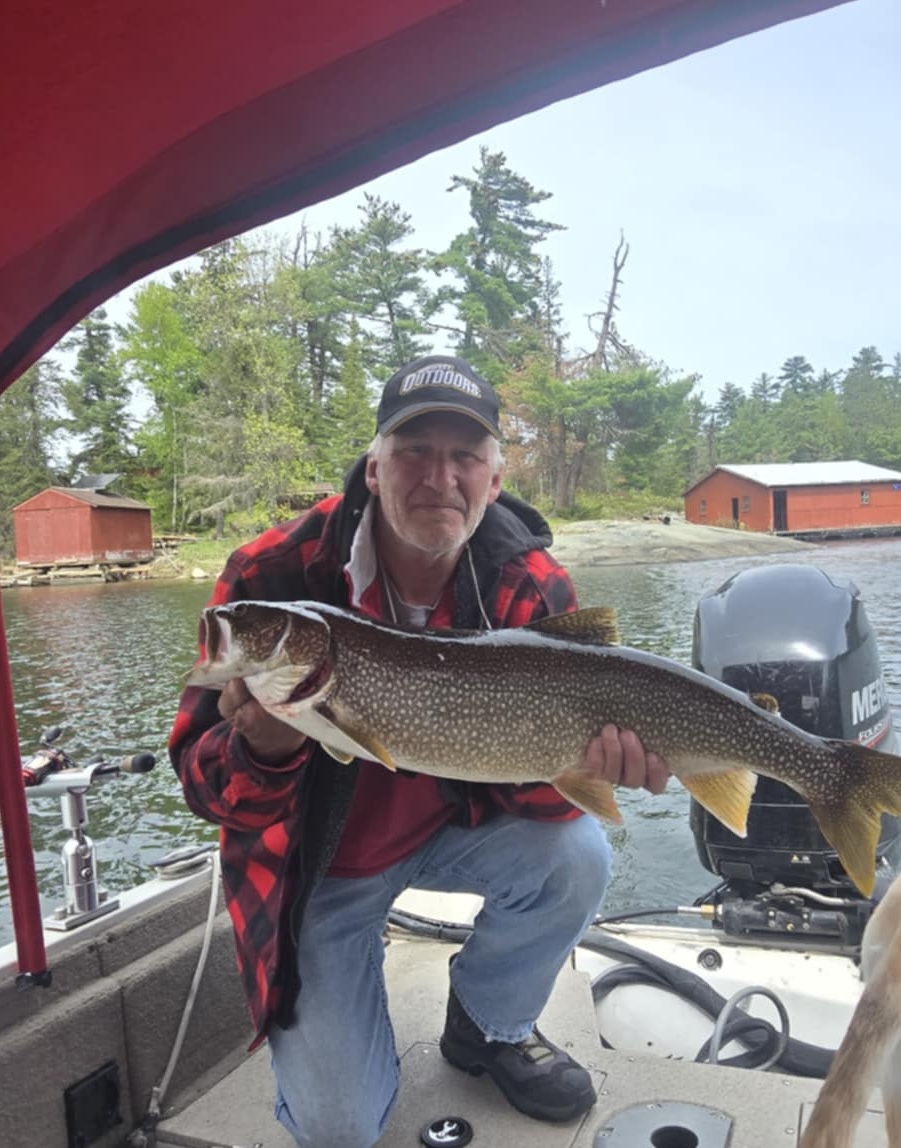
Tackle choices depend on when you fish for them. Ice-out trout are super fun to catch, and you can use an array of crank baits. Black and white colours work the best, as does silver. Canadian Wiggler and Rapala Jointed Husky Jerks are my favs. Lakers will also hit spoons and plastics. When I jig for them, I rig a three-way swivel or use a heavier jig and drop-shot for them mid-summer. You can also use downriggers to troll for them when they are deep. Here's a video with James Lindner from Lindner's Angling Edge with some useful tips to help you catch lake trout.
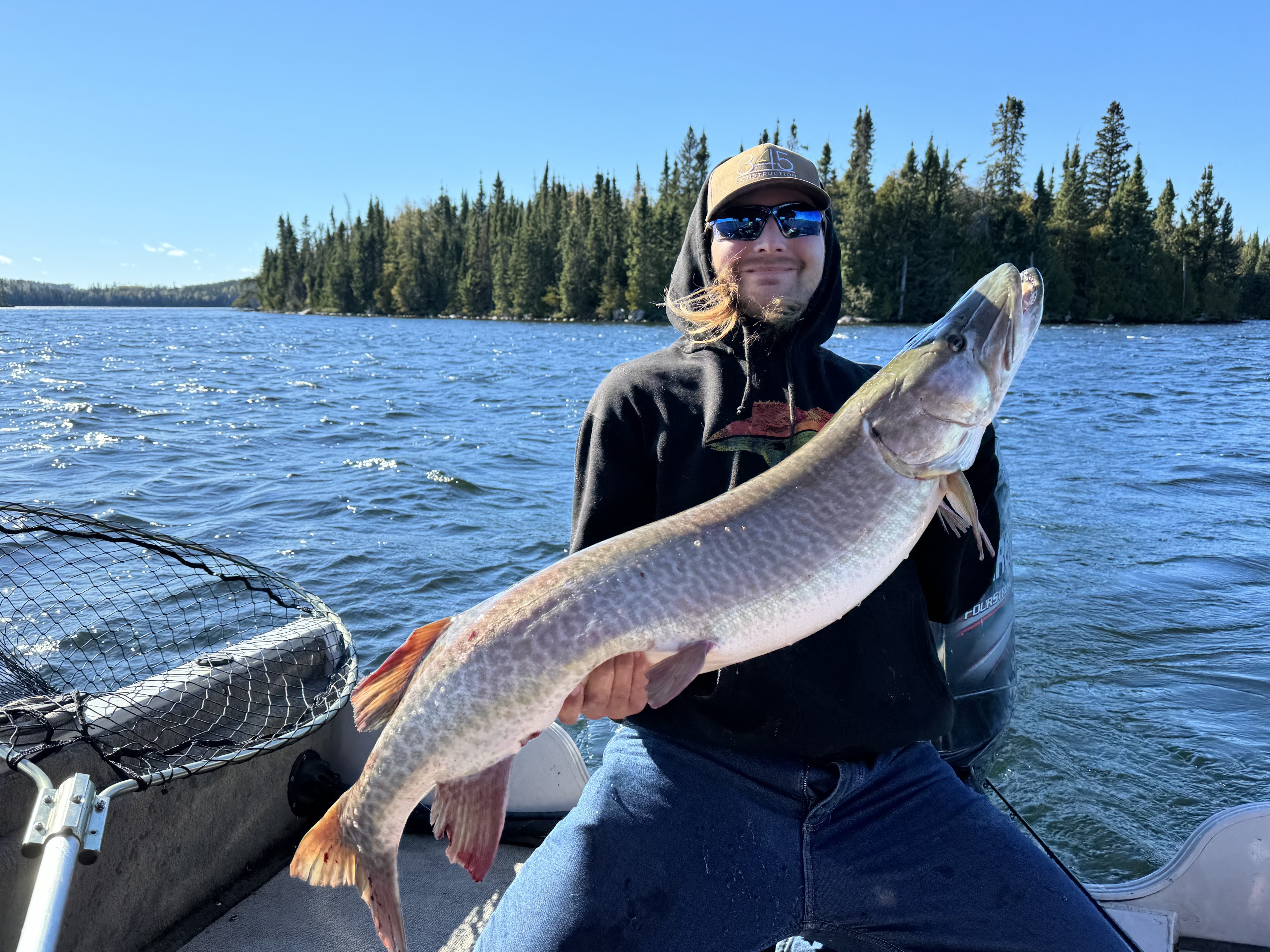
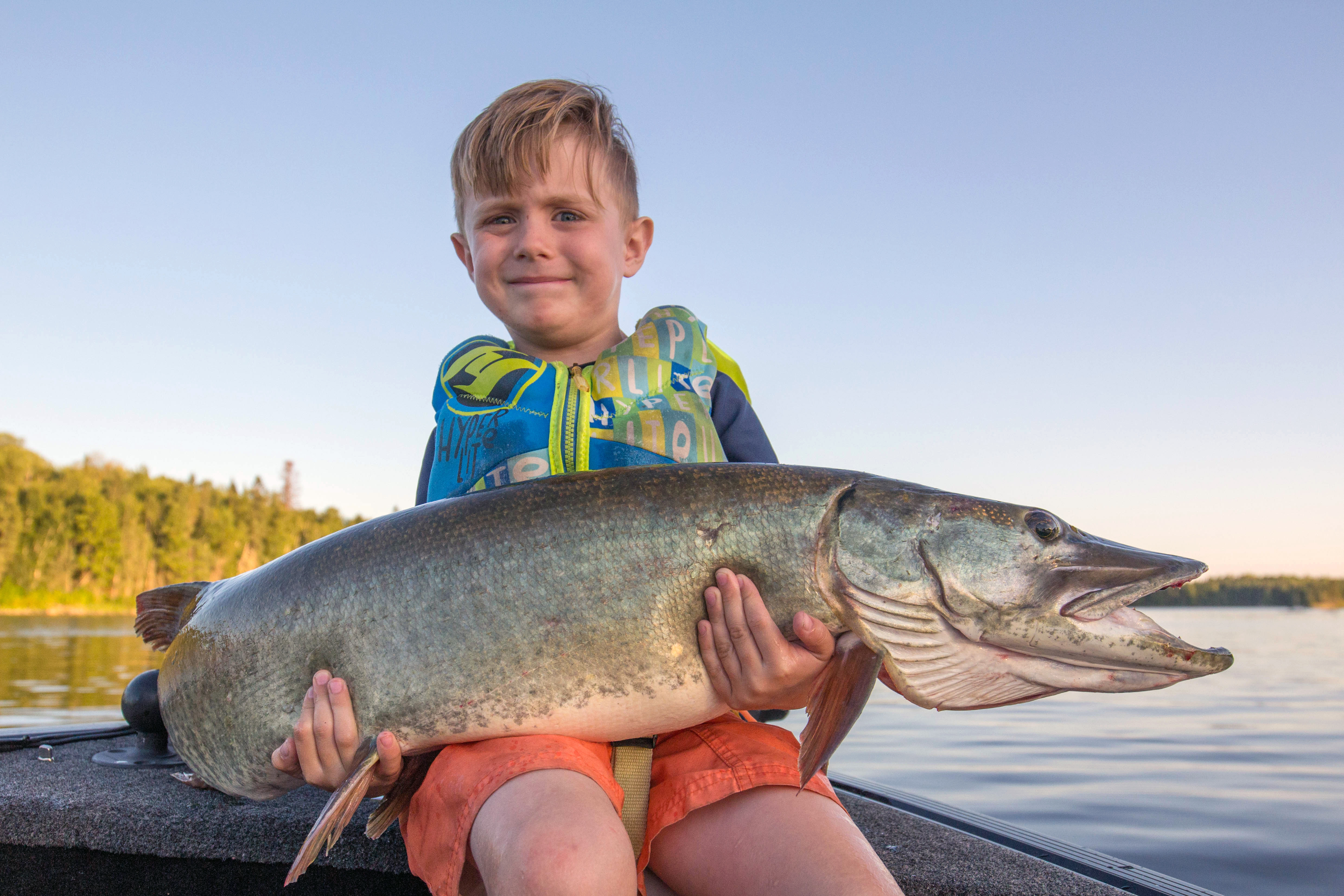
The best advice I could give you is to bring a variety of muskie baits, with must-haves being bucktails, swimbaits and an array of top water baits for earlier in the season. Trolling baits that often work well include Grandmas and Depth Raiders. Heavy action gear is required.
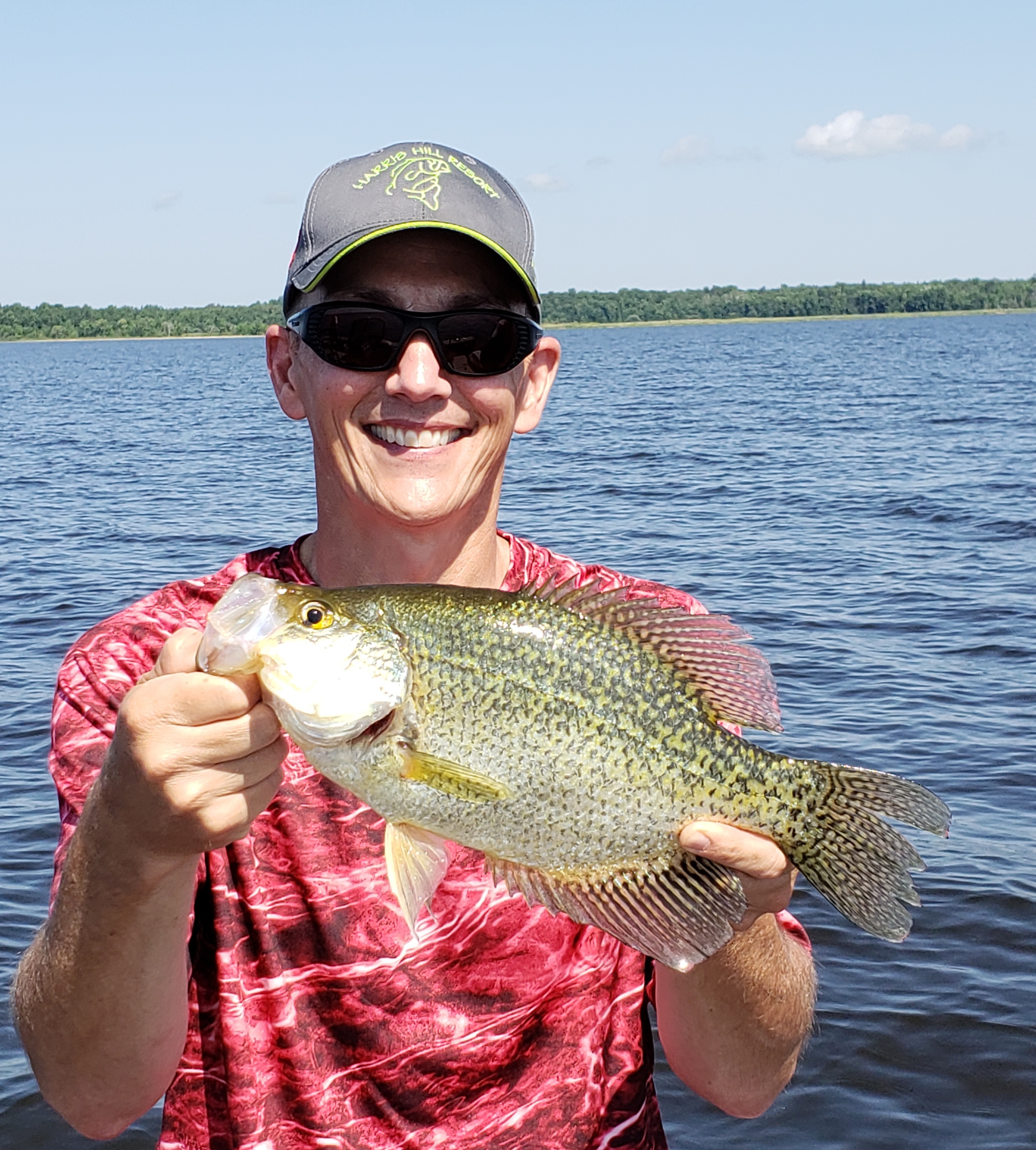
You'll catch crappie and perch. Small crankbaits or spoons can trigger a strike, or a 1/8 oz jig tipped with a small minnow. Fun to catch using ultralight rod set-ups.
Release large fish immediately after taking a picture, especially during mid-summer.
Sunset Country is a popular destination for those whose first love is being outdoors—especially the adventurous paddlers, campers, and hikers who flock to the Canadian Shield country each year. As you get more remote, there is definitely more to think about preparation-wise, not only so you get the best experience, but so that you do it safely.
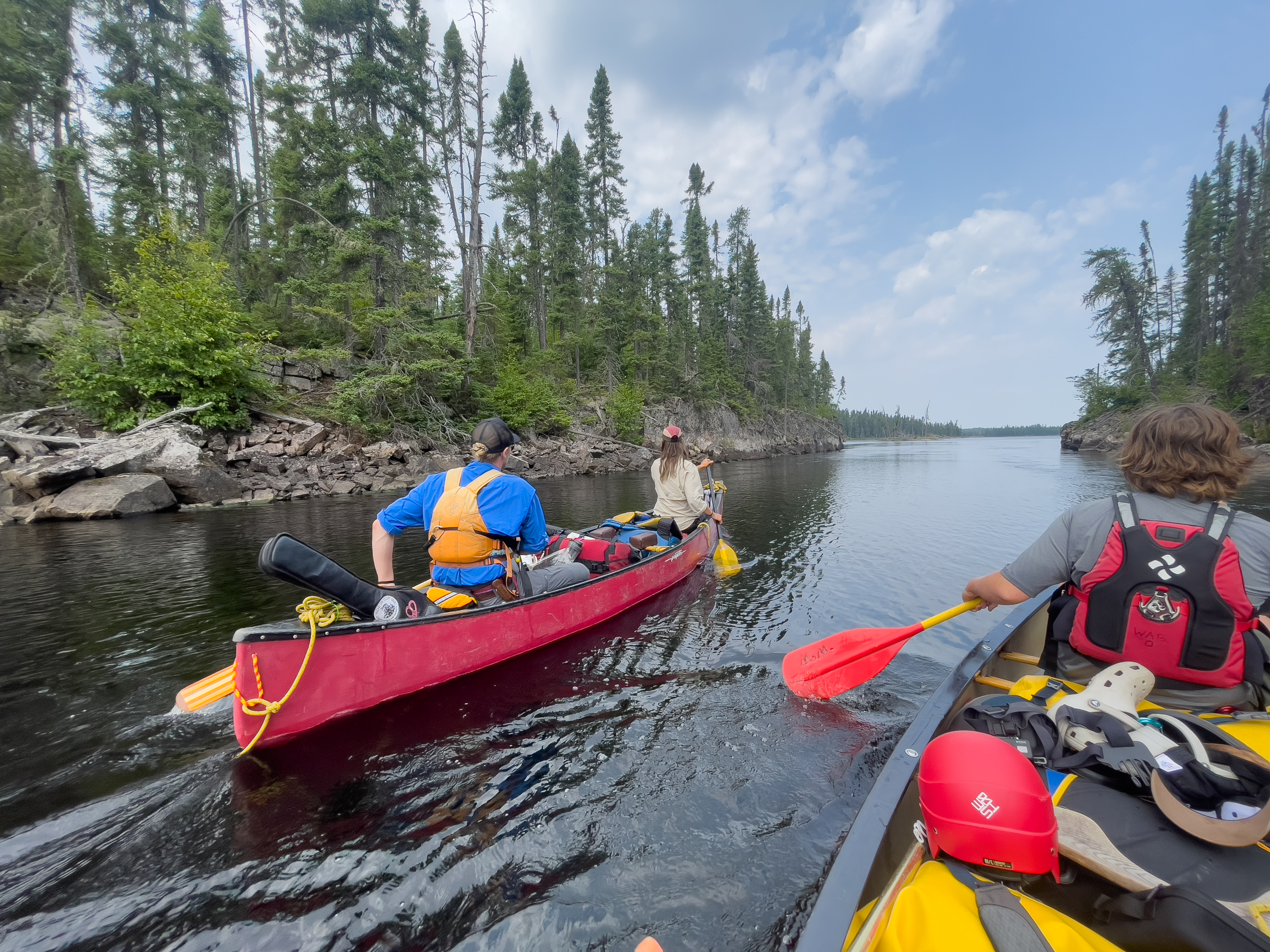
When I was in my late teens and early twenties, I did a lot of wilderness canoeing. After experiencing the Boreal environment largely through trial and error, a lot was learned the hard way. Avoid my mistakes by taking this advice:
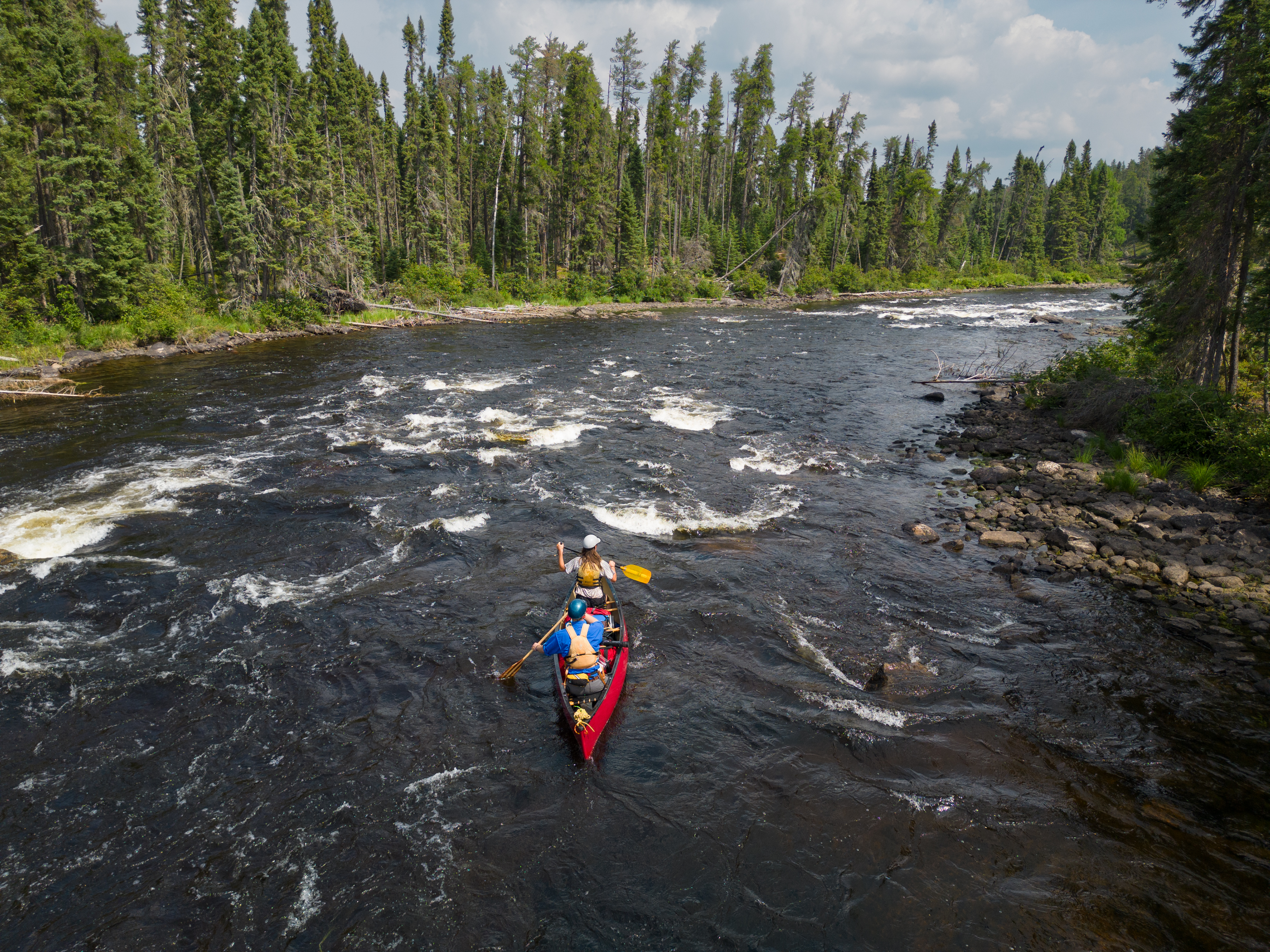
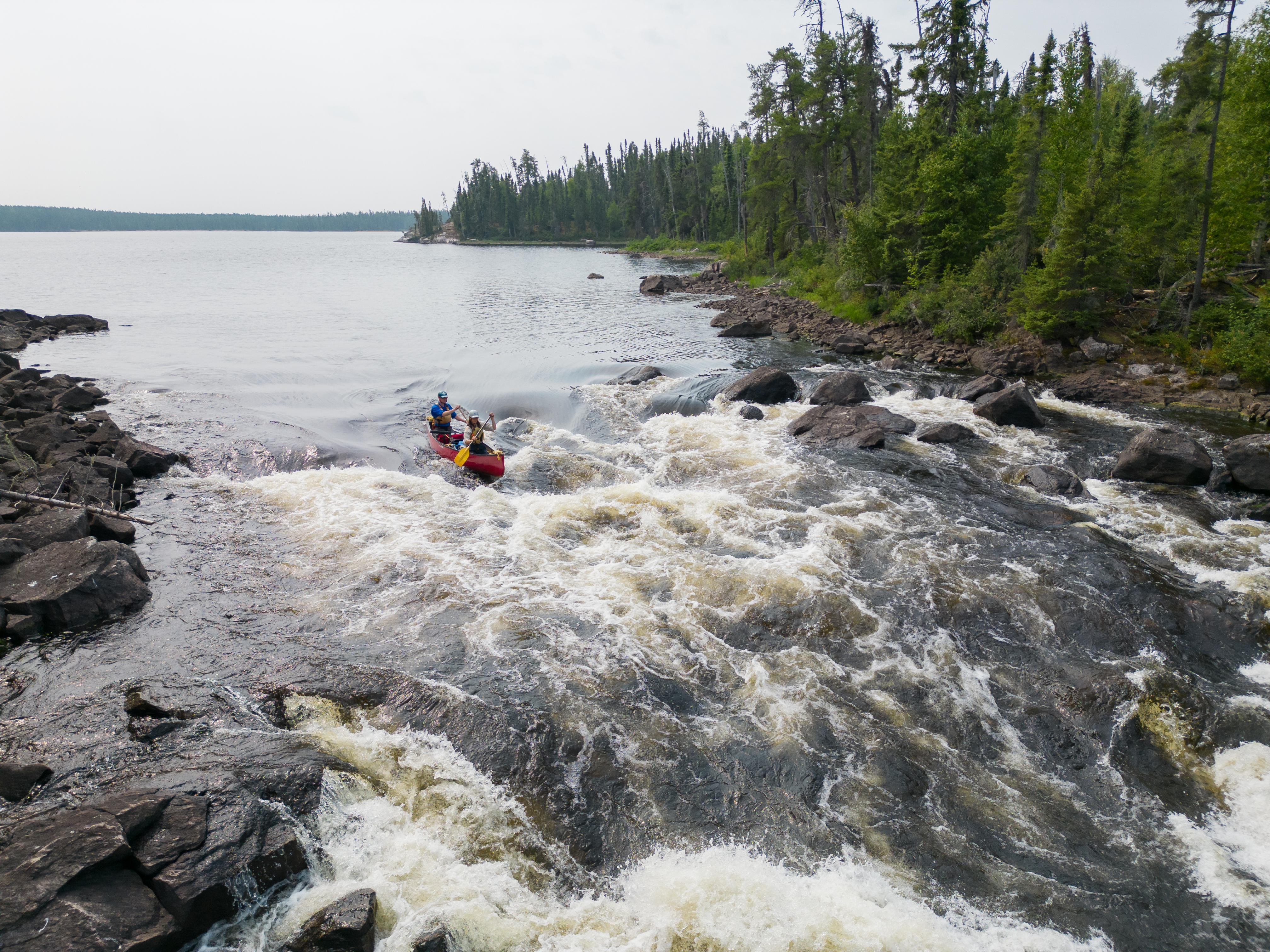
For paddlers, match the route to the least experienced person in the group, not the keenest. Make the first and last days of your trip short ones. You don't want an endurance test/marathon paddle on your first or last day. This is achieved by matching the route difficulty and distance (including portages) to the number of days of the trip. Build extra time into travel days; windbound days on big shield lakes and slow portages are normal, not an exception. Short first and last days make the trip feel like a vacation, not a death march!
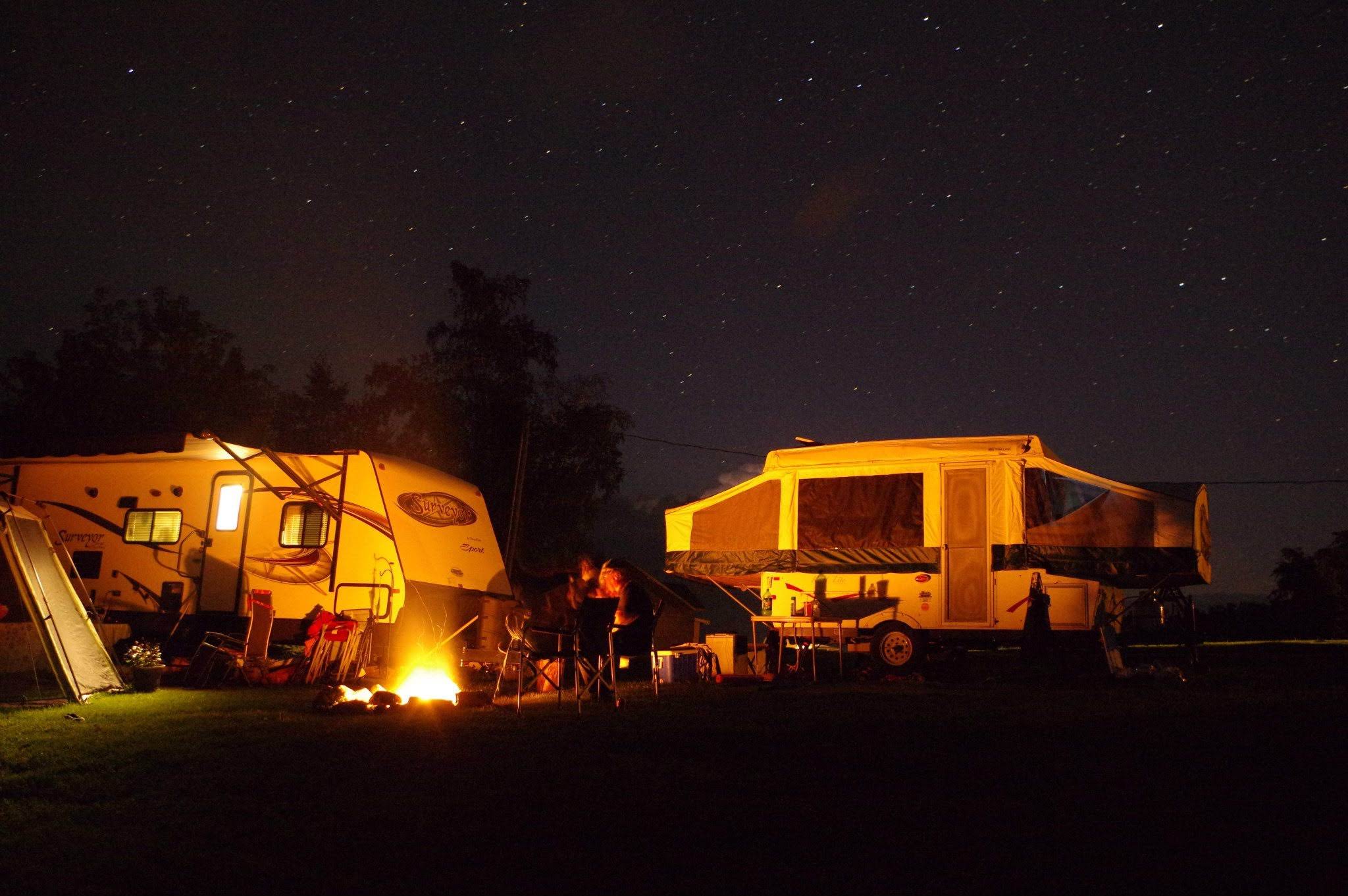
Since the COVID pandemic, RV vacations have become increasingly popular, and we are definitely seeing more RV campers visiting us each year. Most RV owners, at least the ones who have owned one for a while, have a system they follow, but newer owners and first-time RV visitors to Sunset Country may not know what to expect. Here are a few tips:
If you plan to stay at a Provincial Park, make your reservations well in advance. This is especially important for popular locations such as Rushing River and Blue Lake Provincial Parks. You can reserve a spot up to 5 months in advance. If you prefer to call, the toll-free number is 1-888-668-7275.
Don't assume all parks have full-service sites. While many RV parks do, especially private campgrounds, most sites within the Provincial park system are not full-service. This means RV campers looking for sewer, water and 30-amp service may be disappointed. Call ahead if in doubt, and again, make your reservation early. If you need a full-service site, then private campgrounds are your best bet.
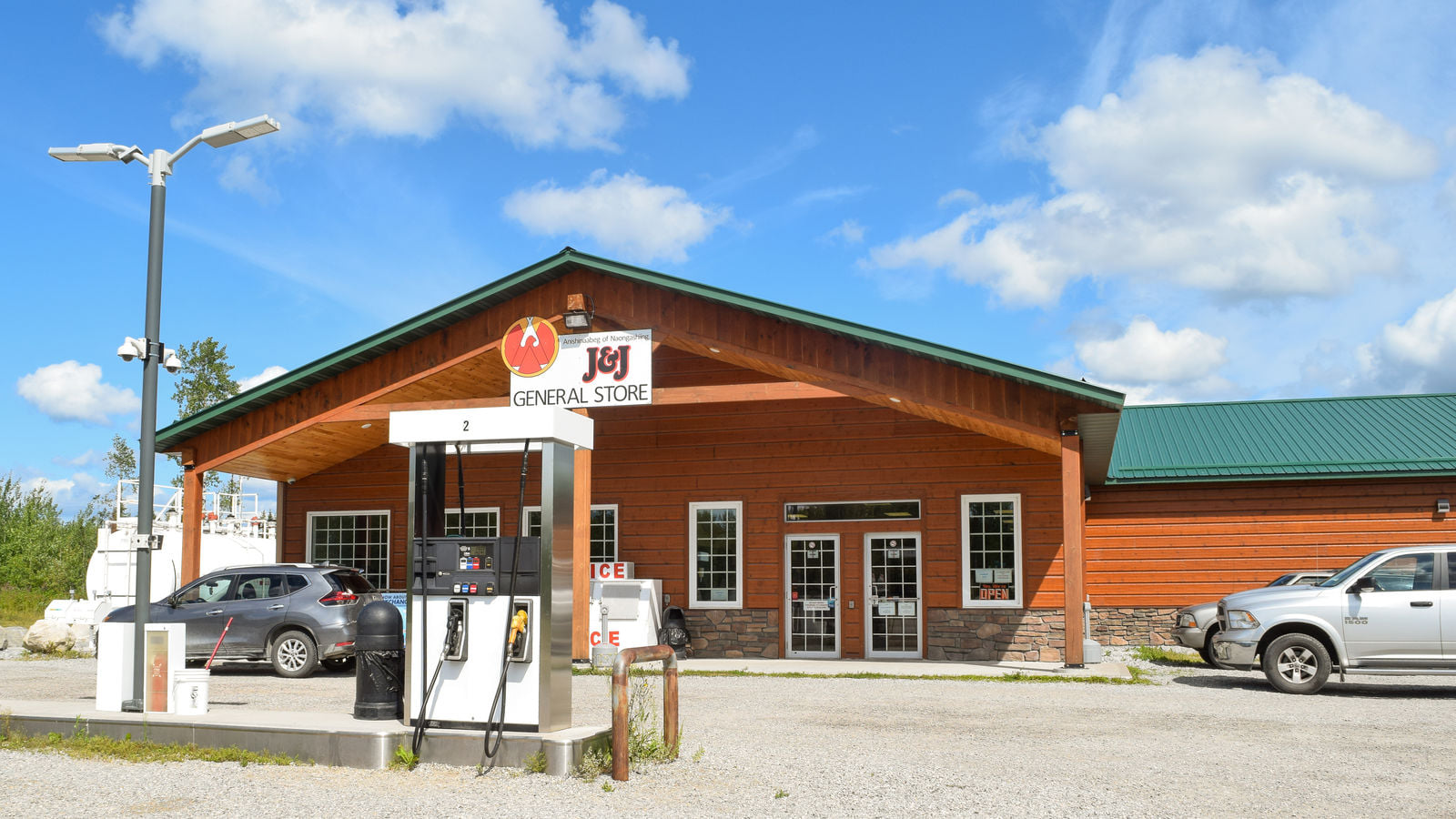
Fill your gas tank when you have the opportunity! Many communities in Sunset Country are separated by 100 kilometres or more, and in between are often wilderness corridors with limited services. If you're starting to run low on fuel on your way to your destination and you pass a gas station, don't assume there will be another just around the corner; there may not be.
Don’t assume every campground has potable hookups or easy fill stations—carry extra fresh water. A couple of spare jugs can save a lot of grief on remote stretches.
Ontario's Sunset Country is a member-based regional Travel Association representing over 200 businesses and organizations located in Northwestern Ontario. We have been helping people plan their trip here since 1974! We are here to help you, so please contact us at anytime with your questions.
Toll-free: 1-800-665-7567
Email: info@visitsunsetcountry.com
Website: visitsunsetcountry.com