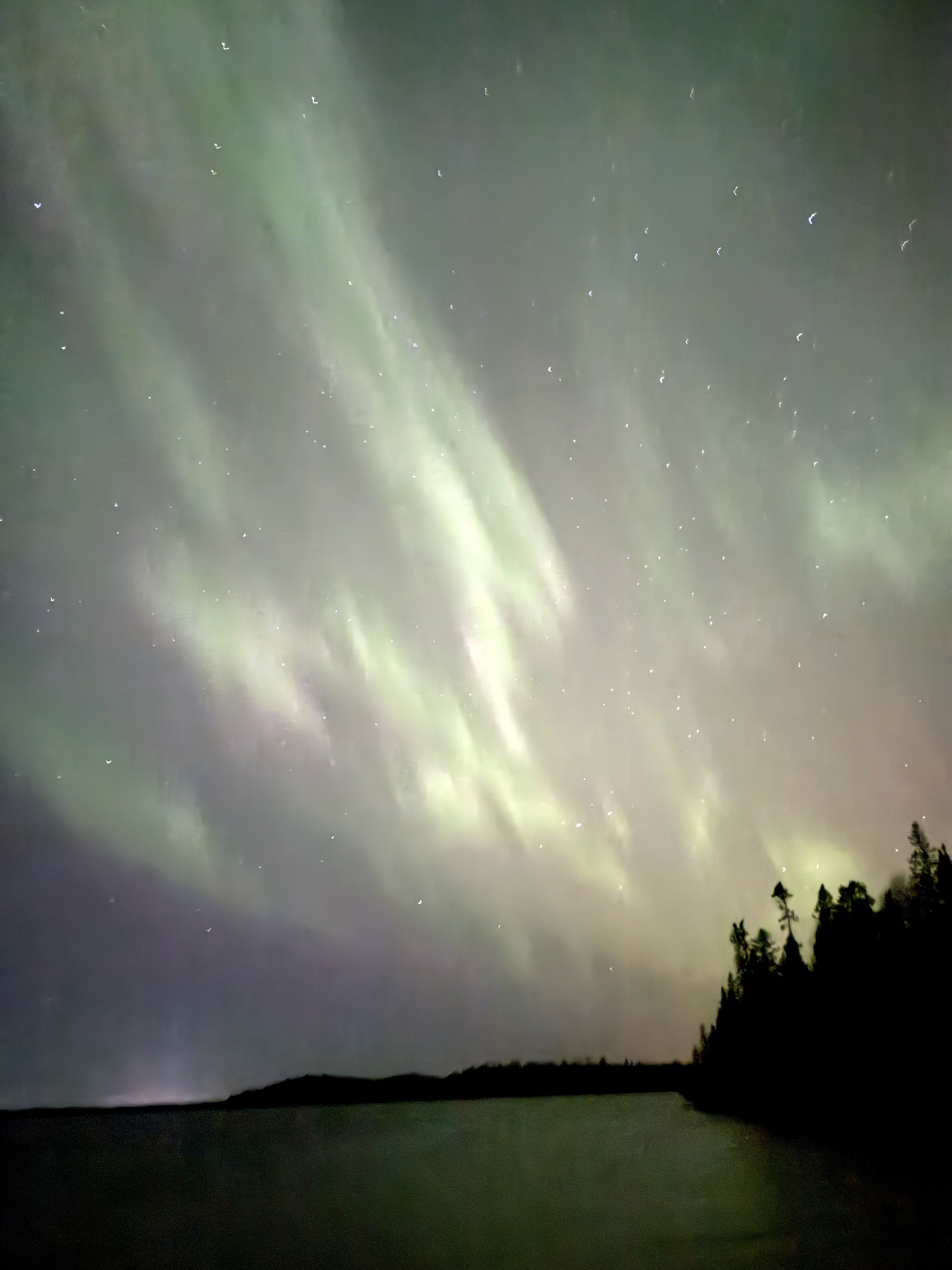
The Northern Lights (Aurora Borealis) are more than a natural wonder—they hold deep cultural and spiritual meaning for Indigenous communities in Northern Ontario and cultures across the world.
By Erin Rody
Erin Rody is a staff writer for Sunset Country.
April 2, 2026
The significance of the northern lights varies widely across cultures, but a few common themes emerge: mystery, spirituality, and a connection to forces beyond the human world.
In Northern Ontario, the Northern Lights hold particular significance among local Anishinaabe and neighbouring Indigenous peoples. They include the Ojibwe (including Saulteaux and Oji-Cree), Odawa, Potawatomi, Mississaugas, Nipissing, and Algonquin peoples. These interpretations are still respected and shared today, often through oral tradition and community teachings.
Indigenous Perspectives on the Northern Lights in Northern Ontario
Anishinaabe Teachings and Spiritual Meaning
For many Anishinaabe people, the Northern Lights are deeply spiritual and relational:
They are often understood as spirits of ancestors—people who have passed on and continue to exist in another realm.
The lights can be seen as a sign that the spirit world is close, and that loved ones are still present in some form.
Some teachings describe them as a pathway or doorway between worlds.
Rather than something to analyze, the aurora is something to feel, respect, and observe quietly.
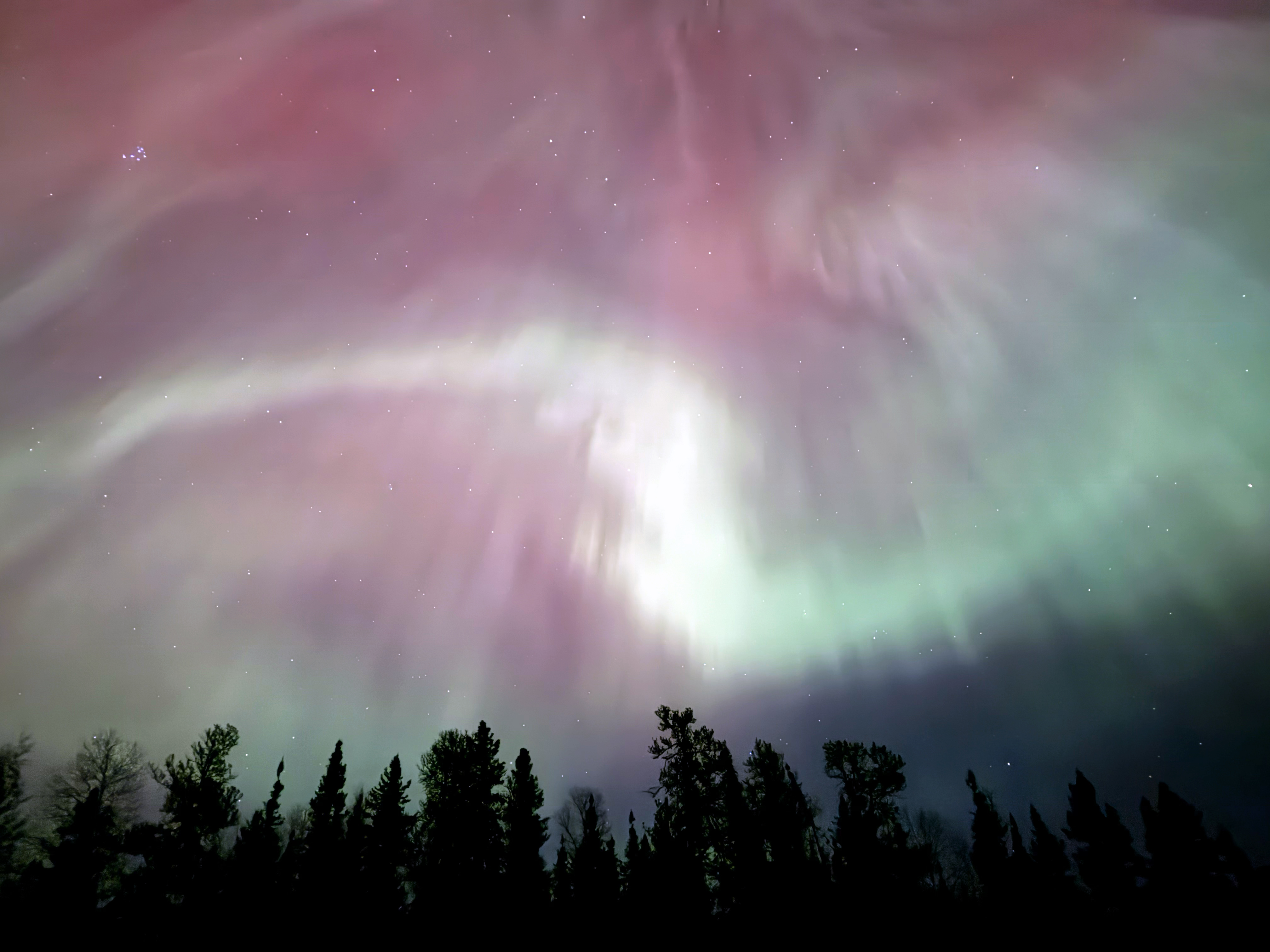
Northern Lights dance above your head.
Cultural Protocols and Respect Around the Northern Lights
There are also important cultural protocols tied to the lights:
Many Elders teach that you should not whistle at the Northern Lights. It’s believed this could call the spirits closer, which might be unsettling or even dangerous.
Instead, people are encouraged to remain calm and respectful, sometimes even offering a quiet acknowledgment or prayer.
This reflects a broader worldview where nature is alive and responsive, not separate from humans.
Fire and Spiritual Symbolism in Anishinaabe Culture
In some teachings:
The lights are described as “fires in the sky”, where spirits are gathered.
Fire is a sacred element in Anishinaabe culture, symbolizing life, transformation, and connection, so the aurora becomes an extension of that sacred fire.
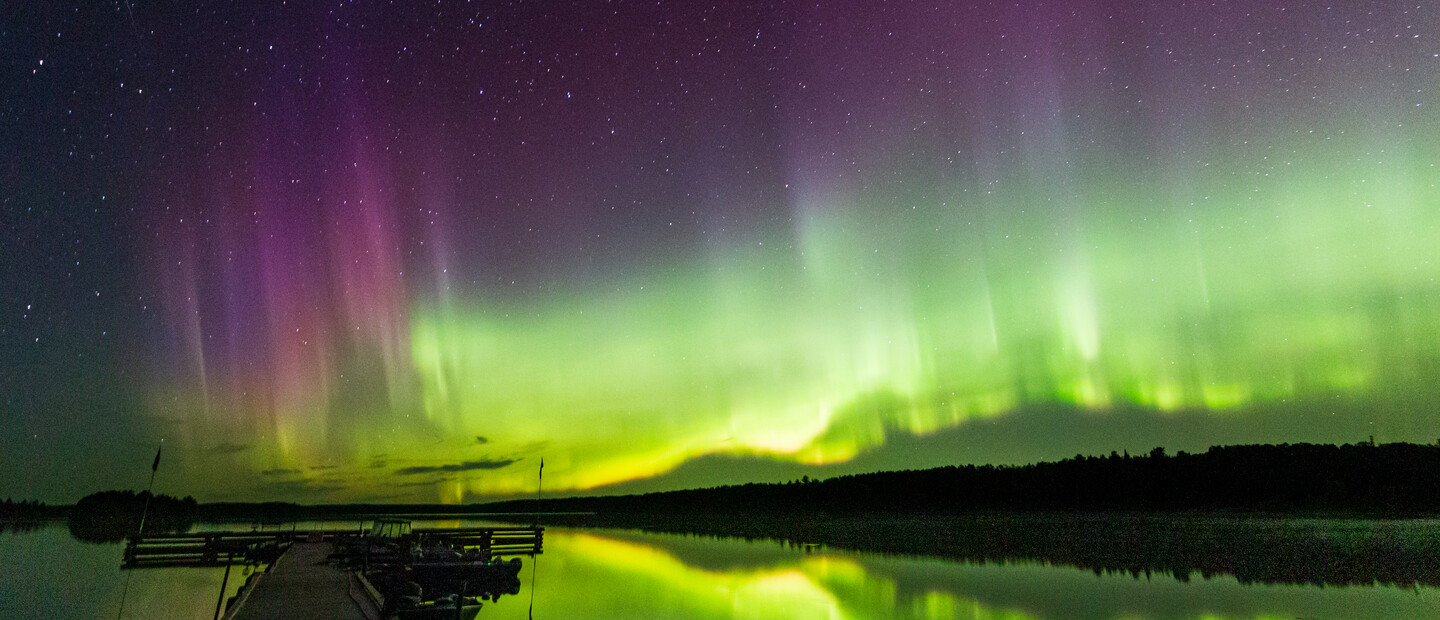
Northern Lights over Lake of the Woods in Sioux Narrows, Ontario.
What the Northern Lights Mean Today in Northern Ontario
Even today, many people in the region—Indigenous and non-Indigenous alike—describe seeing the Northern Lights as:
A moment of connection to something bigger than themselves
A reminder of ancestry, land, and continuity
A living cultural presence, not just a natural phenomenon
For Indigenous communities, these meanings aren’t just historical—they’re ongoing, lived beliefs that continue to shape relationships with the land and sky.
Northern Lights in Indigenous Cultures Worldwide
Inuit, Cree, and Dene Interpretations of the Aurora
For many Indigenous groups in Canada, Alaska, and Scandinavia, the Northern Lights are living, spiritual phenomena rather than mere natural events.
Inuit traditions often interpret the lights as the spirits of ancestors. Some stories say they are souls playing games (like football with a walrus skull!), while others treat them with caution—whistling at them was believed to attract unwanted attention (Just as the Anishinaabe).
Cree and Dene peoples have similar beliefs, sometimes viewing the lights as guiding spirits or messages from the spirit world.
These interpretations emphasize respect, storytelling, and a deep relationship with nature.
Norse and Scandinavian Northern Lights Mythology
In Viking-era Scandinavia, the lights were often linked to warrior mythology:
Some believed they were reflections from the armour of the Valkyries, guiding fallen warriors to Valhalla.
Others saw them as omens of war or powerful signs from the gods.
Finnish and Sámi Beliefs About the Aurora Borealis
In Finland, the aurora is called “revontulet” (“fox fires”), from a myth about a magical fox whose tail sweeps sparks into the sky.
The Sámi people traditionally viewed the lights with respect and caution, believing they were powerful and not to be mocked or disturbed.
East Asian Interpretations of the Northern Lights
In ancient China and Japan, auroras were rare and often seen as omens or celestial dragons, sometimes linked to major events like the births of rulers or changes in dynasties.
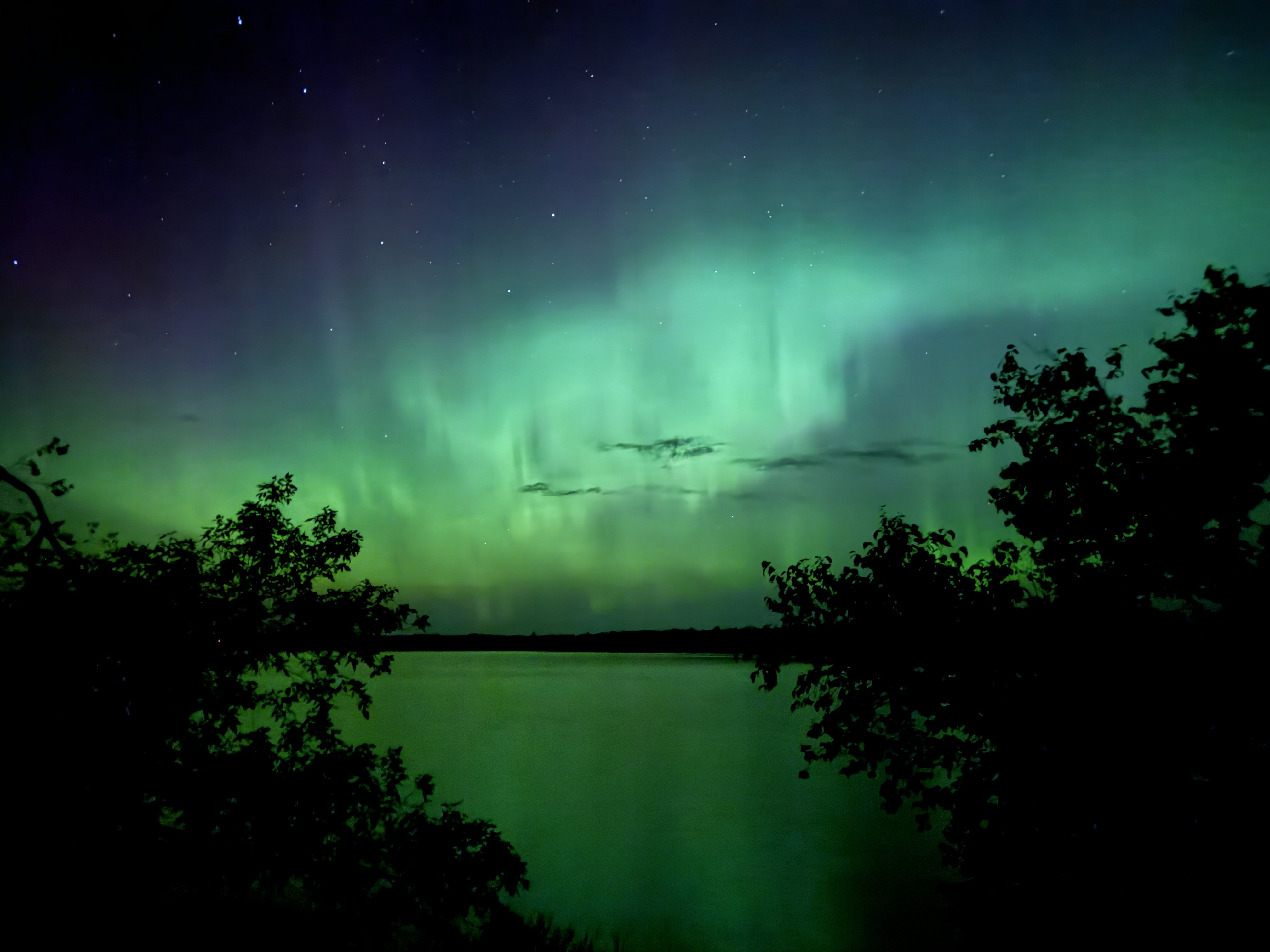
Aurora Borealis in Northern Ontario.
Modern Cultural Meaning of the Northern Lights
Today, the Northern Lights still carry symbolic meaning:
They are seen as a connection to nature’s beauty and mystery.
In many places (including Northern Ontario), they are part of regional identity and tourism culture.
For some people, they evoke a spiritual or emotional experience, even outside traditional belief systems.
Aurora Borealis: The Big Picture
Across cultures, the Northern Lights are rarely seen as “just lights.” Instead, they are:
A bridge between the physical and spiritual worlds
A source of stories, identity, and tradition
A reminder of the power and mystery of nature
A Note on Respect
It’s important to recognize that:
These teachings can vary between communities and families
Some knowledge is sacred or not meant to be widely shared in detail
So what’s shared publicly (like here) is only a small window into a much deeper worldview.
I grew up on Black Sturgeon Lake in Northwestern Ontario. I am a staff writer for the Sunset Country Travel Association. Through my articles I hope to entice you to visit the wonderful region I call home. We are all about outdoor adventure; with 70,000 lakes and rivers and a whole lot of forests how can we not be? Whether you like to fish, hunt, canoe, kayak, boat or go camping, Sunset Country has something for you. Enjoy!