Weird Facts About Northern Ontario: 10 Strange, True Stories From Canada’s North
From UFO sightings and Viking hoaxes to polar bears, gold heists, and extreme weather, Northern Ontario is full of strange, true stories. Here are 10 weird facts from across the region.
What does the word weird mean to you? However you define it, most of us agree it describes something at least a little out of the ordinary. Northern Ontario is full of weird facts about things that have happened (or continue to happen), including a few you may recognize and others you probably won’t.
Weird Fact #1: The Explosive 1973 Kenora Bank Robbery That Shocked Ontario
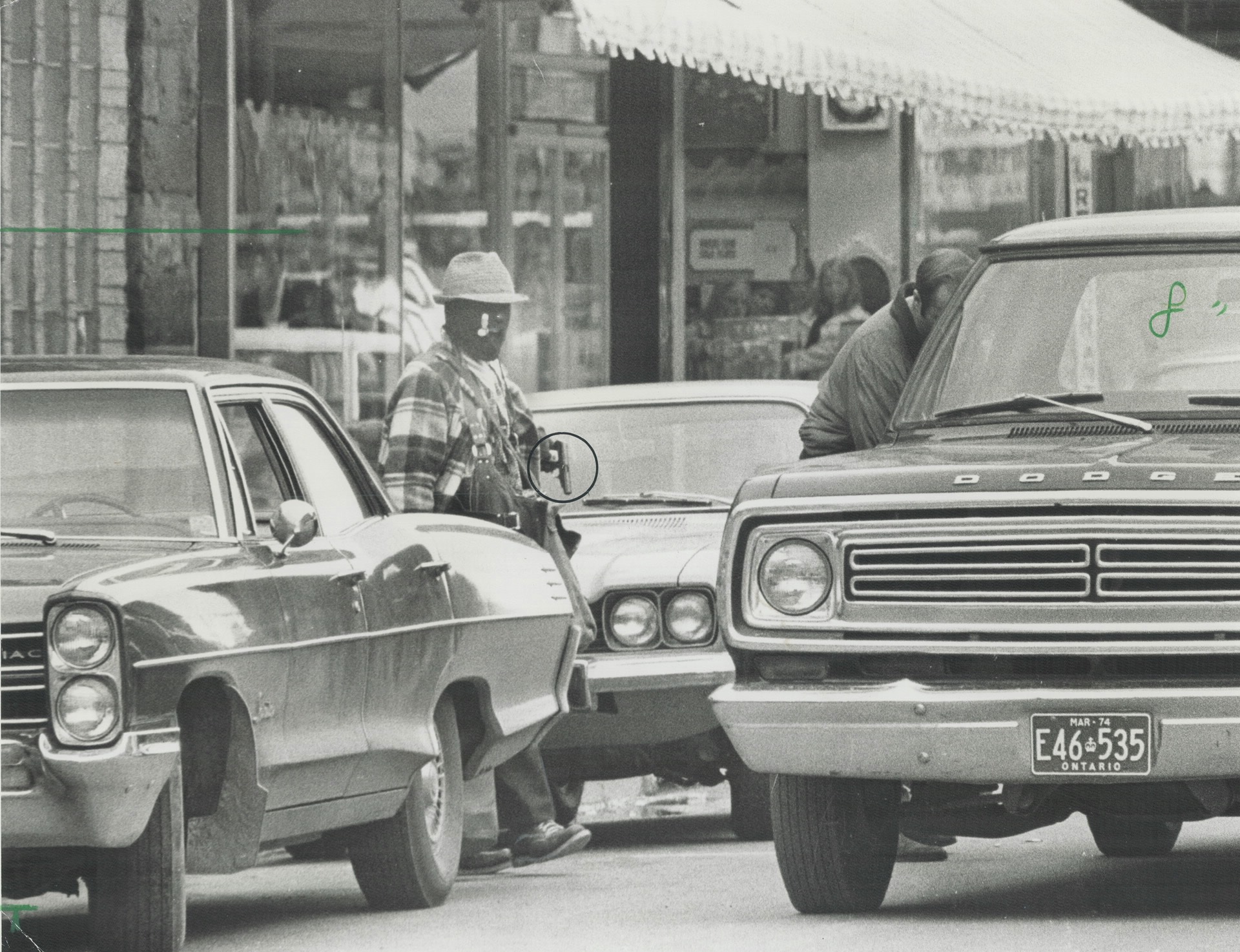
On May 10th, 1973, an unknown person (known only by the alias, Paul Higgins, that he used at the Kenricia Hotel where he stayed the night before) wearing a facemask, entered the Canadian Imperial Bank of Commerce Branch in Kenora, Ontario. In addition to his disguise, he brandished a pistol and rifle on him, along with 6 sticks of dynamite strapped to his chest connected to a "suicide switch". He demanded a duffel bag full of cash along with a driver and a vehicle for his escape, or he would blow up the inside of the bank and everyone in it.
After the driver and vehicle arrived (the driver was Kenora Police Constable Don Milliard), he went into the bank, put the duffel bag full of money over his back and was led out at gunpoint by the bank robber. As they approached the vehicle, a police sniper fired a shot at the robber. Despite being hit, the robber was able to detonate the six sticks of dynamite, which exploded.
The result was mayhem and destruction, with the robber being blown apart and Constable Milliard, who was in front of him with the duffel bag full of money, badly injured over his back. Many believe Constable Milliard was protected from the blast by the bag of money, likely saving his life. The robber, who there wasn't much left of, has never been identified to this day.
The Kenora bank robber, pistol in hand, with Constable Dan Milliard in front, May 10, 1973. Photo Don Dutton, Toronto Star.
Weird Fact #2: Why Moonbeam, Ontario, Is Famous in UFO Circles
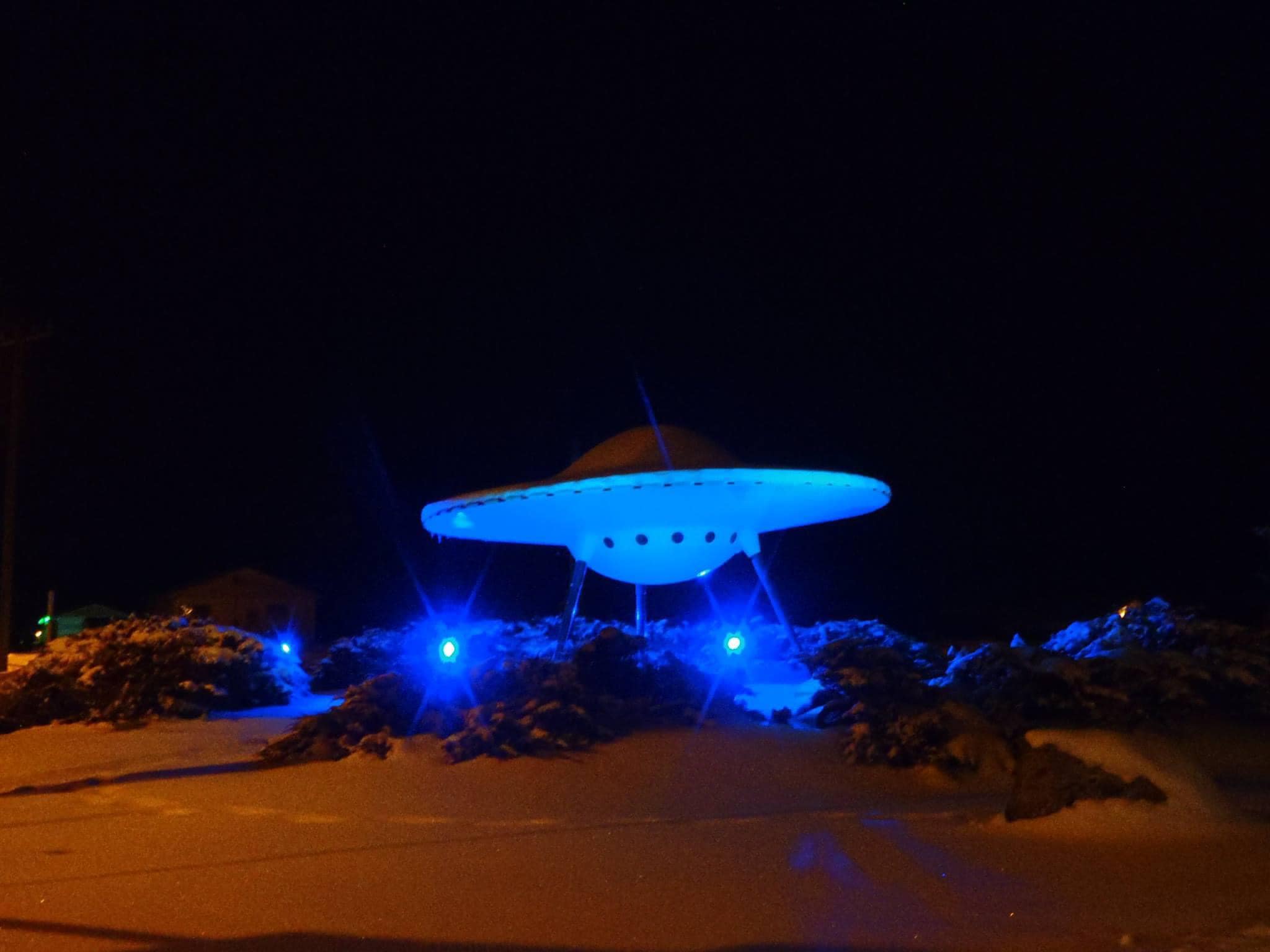
Legend has it that early settlers near Moonbeam in Northeastern Ontario reported seeing flashing pillars of light dropping from the sky and reflecting in local creeks, which they called “moonbeams,” though it was likely the Northern Lights. However, in the 1960s-70s, interest among UFO circles increased due to a cluster of reported sightings and crop circles, reinforcing its cosmic reputation. They even named Moonbeam "Canada's Sedona", after the Arizona city known for its frequent UFO sightings. The town's UFO-themed visitor centre welcomes travellers every year and makes for a popular photo-op.
Weird Fact #3: The Mysterious Viking Rune Stone Near Wawa, Ontario
In 2015, some fallen trees exposed a strange inscription with 255 symbols carved into solid rock near Wawa, Ontario. After seven years of study, two researchers, archaeologist Ryan Primrose and Swedish researcher Henrik Williams, determined that the symbols were Nordic runes spelling out a 1611 version of the Lord's Prayer in Swedish. The carving was determined to be about 200 years old, carved around 1815, likely by unknown Swedish immigrant(s) who worked in the area for the Hudson Bay Company, say the researchers.
🥶 Record Low:−45.6 °C — recorded February 1, 1962.
Total range between extremes:~85.0 °C difference.
Dress Accordingly!
Weird Fact #5: The Flying Bandit and the Great Northern Ontario Gold Heist
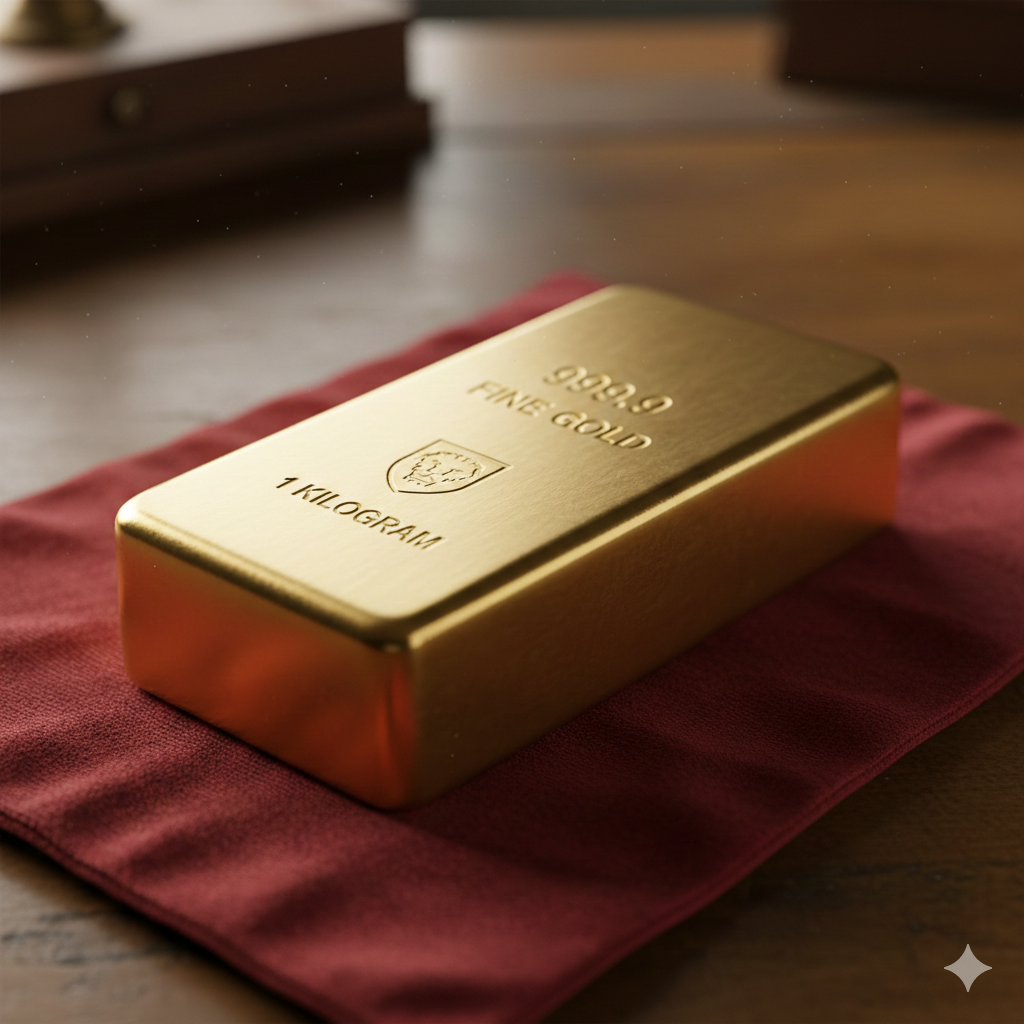
The story of bank robber and gold thief Ken Leishman is an interesting one to say the least! In the 1960s, it's said Leishman operated in the Manitoba-Northwestern Ontario area, a charming Winnipeg cookware salesman by day. He had learned to fly and had a small plane to escape in that he used in some of the heists. This gave him the name the "Flying Bandit. In 1966, he masterminded a plan to steal 12 gold bars from a Northern Ontario mine at the Winnipeg Airport.
Previously, he learned about a small airline that regularly flew into Winnipeg from the gold mines in Red Lake, Ontario. It carried gold bricks that were passed to an Air Canada crew, then flown to the Royal Canadian Mint in Ottawa. Leishman and his accomplices stole an Air Canada cargo van and met the plane on the tarmac, phony waybill in hand. They loaded the gold into the van and then simply drove away, ditching it about a mile from the crime scene.
Ken Leishman almost got away with stealing 12 gold bars from a Red Lake, Ontario mine at the Winnipeg Airport in 1966.
The theft led to a massive police investigation, and when they discovered the abandoned Air Canada van, they found a fingerprint linked to Leishman. They also found a paper with his accomplice, Harry Macklin, a Winnipeg lawyer, written on it. A visit by police to Macklin's office, then his home, led to the discovery of his share of the gold. Both he and Leishman were arrested, and Leishman was sentenced to 15 years in prison, later briefly escaping from prison.
After 8 years, he was paroled and moved to Red Lake, Ontario, of all places (the original source of the stolen gold bars), to work as a bush pilot. He was killed in a plane crash in 1979 while flying a medic-vac flight. While the other two victims of the crash were discovered in the wreckage (found the next spring), Macklin's body was not. Investigators concluded wolves had dragged his body away and eaten it. He was officially pronounced dead in the spring of 1980, even though no traces of his body were ever found.
Weird Fact #6: The Beardmore Viking Artifact Hoax That Almost Rewrote Canadian History
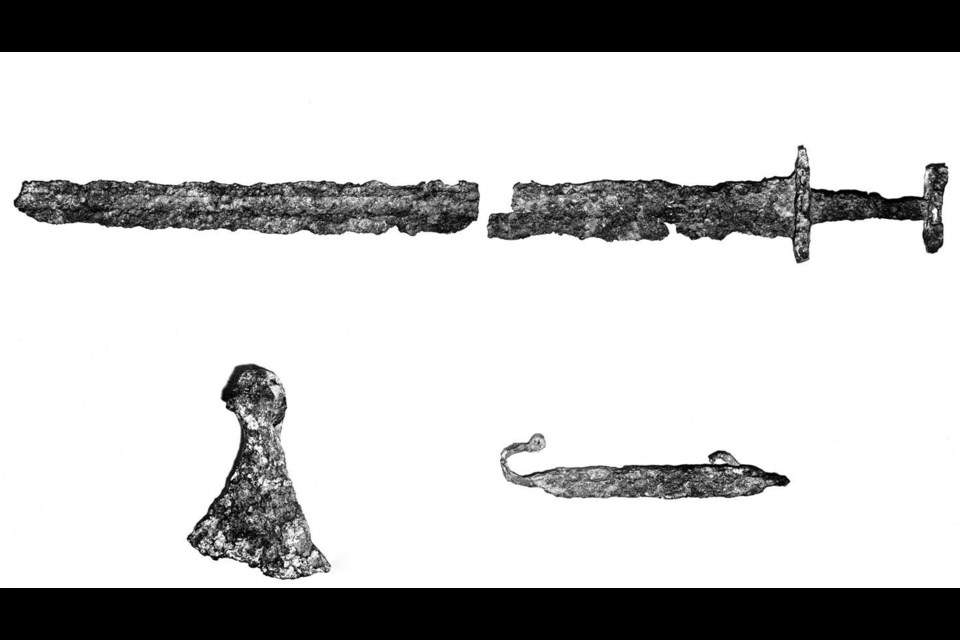
Eddy Dodd was an amateur prospector living near Port Arthur, Ontario (now called Thunder Bay) in the 1930s. Eddy was renting a house where, in the basement, he found several authentic Viking relics dating back hundreds of years. As a prospector, Eddy explored for gold and minerals in the area and came up with an idea. Instead of stating the actual location where he found the artifacts, Eddy came up with the idea to fool the public (and a likely buyer) by claiming he had found them buried near a mining claim he held near Beardmore, Ontario. He made his "discovery" public in 1931, and Charles Currelly, curator of the Royal Ontario Museum in Toronto, took an interest. After examining the artifacts and determining they were authentic, Currelly purchased them from Dodds for $500.00 in 1936, putting them in the Royal Ontario Museum for all to see.
What is interesting here is that the discovery, taken at face value, changed the understanding of Viking history in North America. Based on Dodd's "discovery" at Beardmore, it could now be said that the Vikings reached the Great Lakes. This is where the story gets interesting. While it was a hoax perpetrated by Dodd, the artifacts he planted at his claim near Beardmore were authentic; they were just not from the area.
There were many skeptics, though, even if the relics were authentic. People in and around Port Arthur had doubts, and two of the biggest skeptics were a local high school teacher, Teddy Elliott, and a government geologist, T.L. Tanton. They decided to investigate the authenticity of Dodd's claims, eventually uncovering the truth.
Interestingly, they encountered significant resistance from Currelly, the Museum Curator, who bought the artifacts (and the story of where he found them). Despite resistance from Currelly, the investigators took 20 years to prove that Dodd had made up the story of where he found them. His intent, it was thought, was to get people talking about his mining claim, and the relics did that, but for all the wrong reasons. For a time, though, the Beardmore relics rewrote Viking history in North America, and the story is still spoken about almost 100 years later.
Weird Fact #7: Northern Ontario Is Bigger Than Most Countries—but Almost Empty
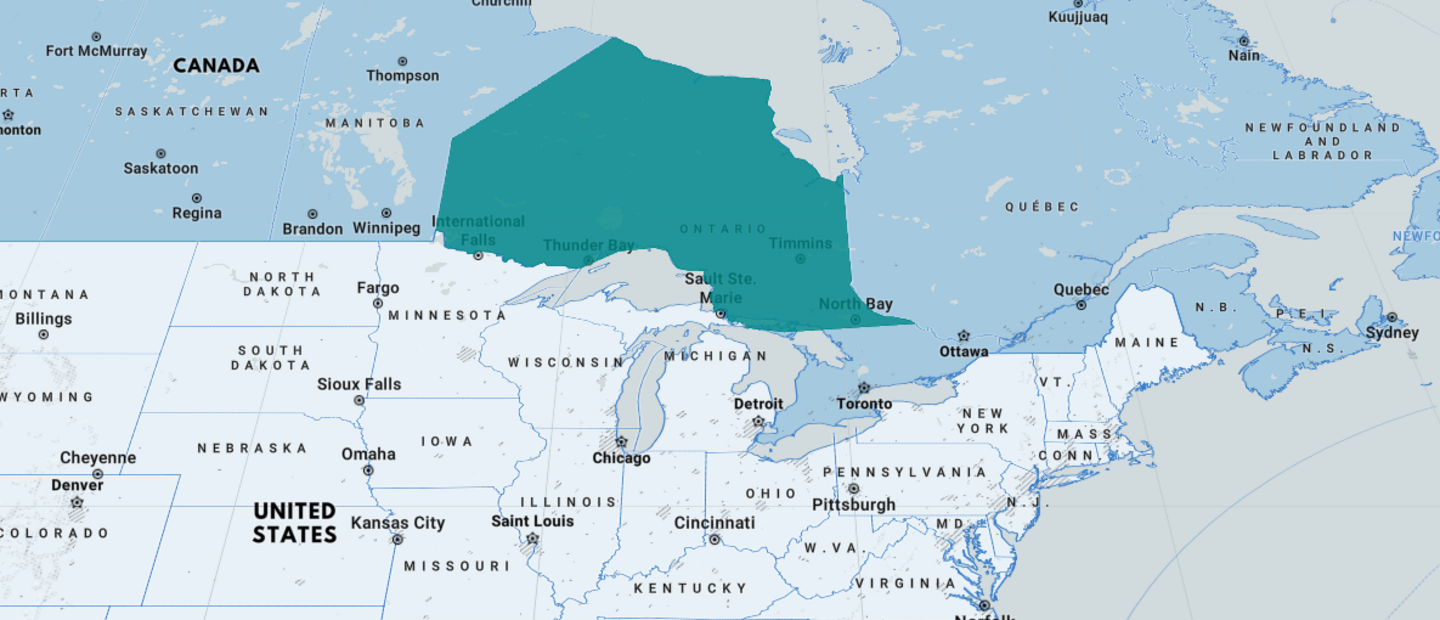
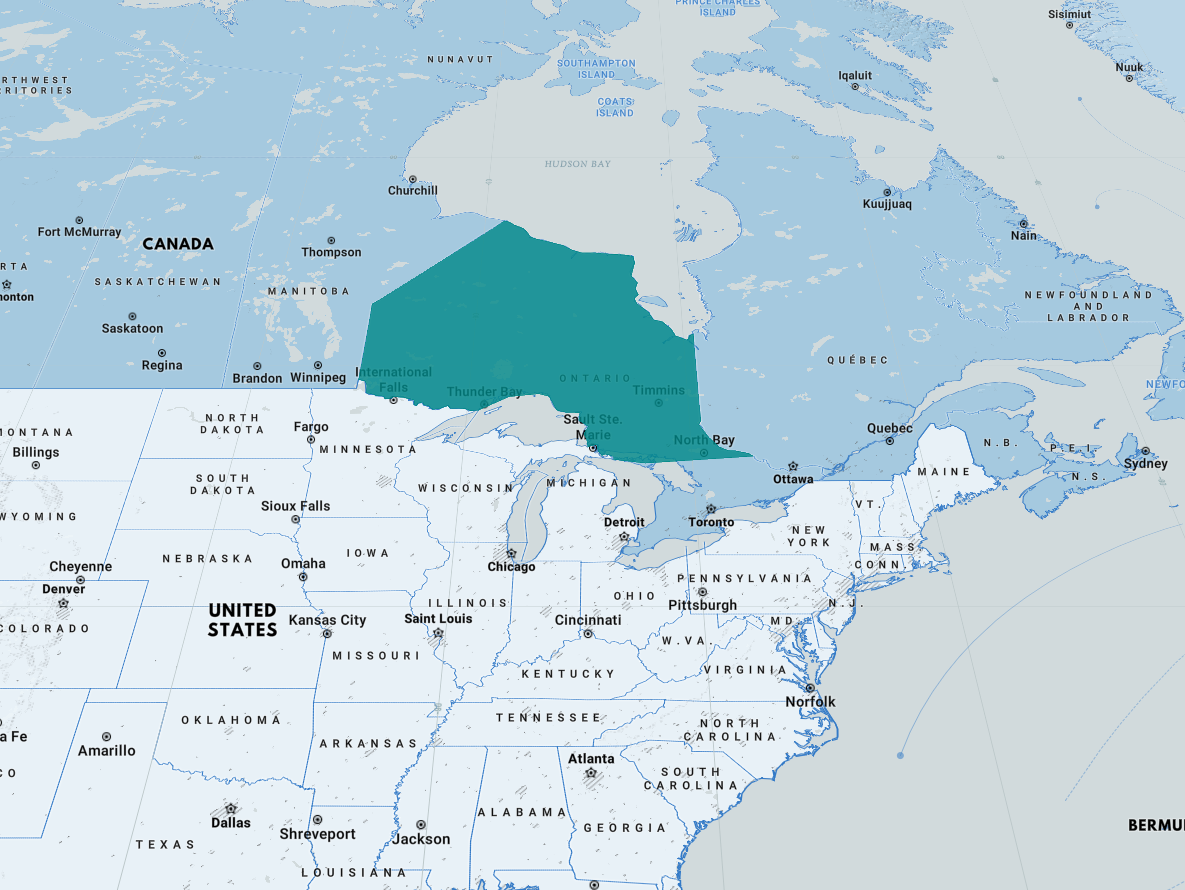
If you ever learned about Northern Ontario in school, you would have noticed how huge the land mass is (covering 80% of the entire province), and you would have also learned that relatively few people (outside a few mid-sized cities) actually live there. Northern Ontario is massive, with a land area of 806,708 km², and with a population of just 780,000 people, which is less than one person per square kilometre.
Needless to say, a vacation here will offer you endless open space.
Northern Ontario is huge—larger than every state in the USA except Alaska. It only has a population of 780,000!
Weird Fact #8: Northern Ontario has Protected Areas Larger Than Some European Countries
The vastness of the land and waters in Northern Ontario is almost overwhelming to non-Canadians. Northern Ontario is so big, in fact, that we have protected areas (lands one could call nature reserves) that are larger than some European Countries. Ontario has announced protection targets encompassing hundreds of thousands of square kilometres of northern boreal lands, setting aside intact forest and river systems larger than many European nations.
Two examples, Polar Bear Provincial Park and Wabakimi Provincial Park in Northwestern Ontario, combined, cover an area of 32,472 square kilometres. Compare that to Albania's area (28,748 square kilometres), Belgium (30,688 square kilometres) or tiny Luxembourg (2,586 square kilometres). These comparisons give you an idea of the scale of Northern Ontario, and that is using only two of our Provincial Parks; there are many more.
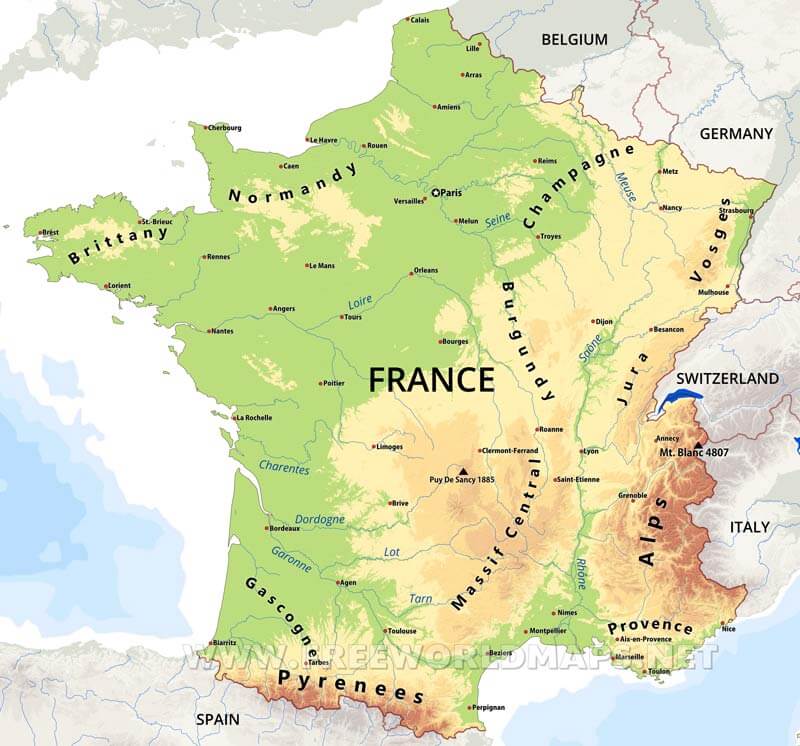
To put Northern Ontario's size into perspective, Europe's largest country, France, covers 643,801 square kilometres, while Northern Ontario covers 806,708 square kilometres!
Northern Ontario is bigger than France, Europe's largest country.
Weird Fact #9: The Tiny Norlund Chapel in Emo Is One of North America’s Smallest
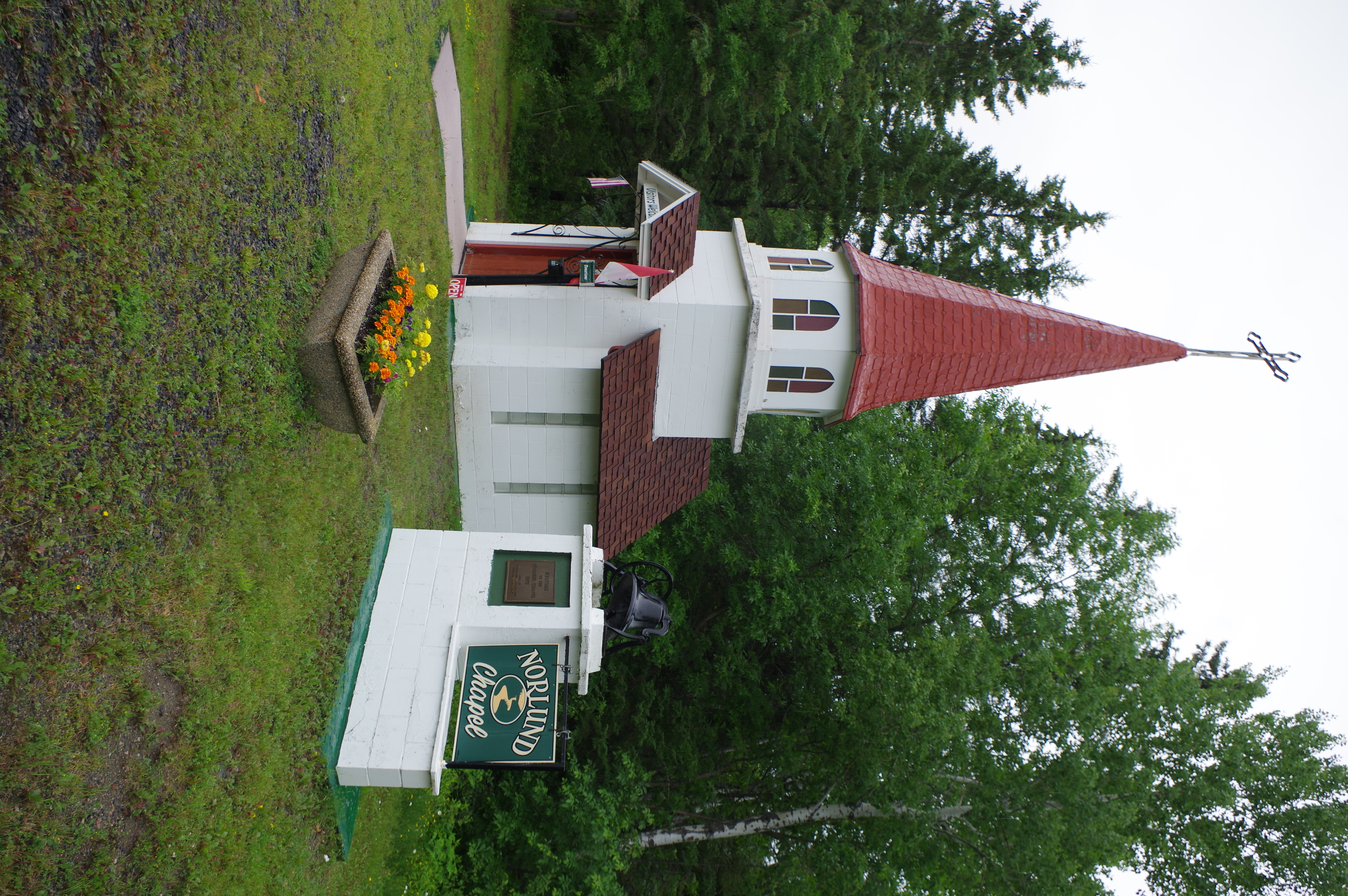
Emo Chapel, located in the farming community of Emo, Ontario, in the Rainy River District, is a historic landmark and one of the smallest chapels in North America. The Chapel has an interesting history. First built in 1935, it was struck by lightning in 1971 and caught on fire. The steeple fell from the building during the fire, but was left undamaged! Rebuilt in 1973, the Norlund Chapel measures 8 by 10 feet and is 36 feet tall. Here is an interesting Facebook post about the Chapel.
With interior dimensions of 8 by 10 feet and 36 feet tall, the Norlund Chapel is one of the smallest in North America.
Weird Fact #10: Northern Ontario Is Home to the World’s Most Southerly Polar Bears
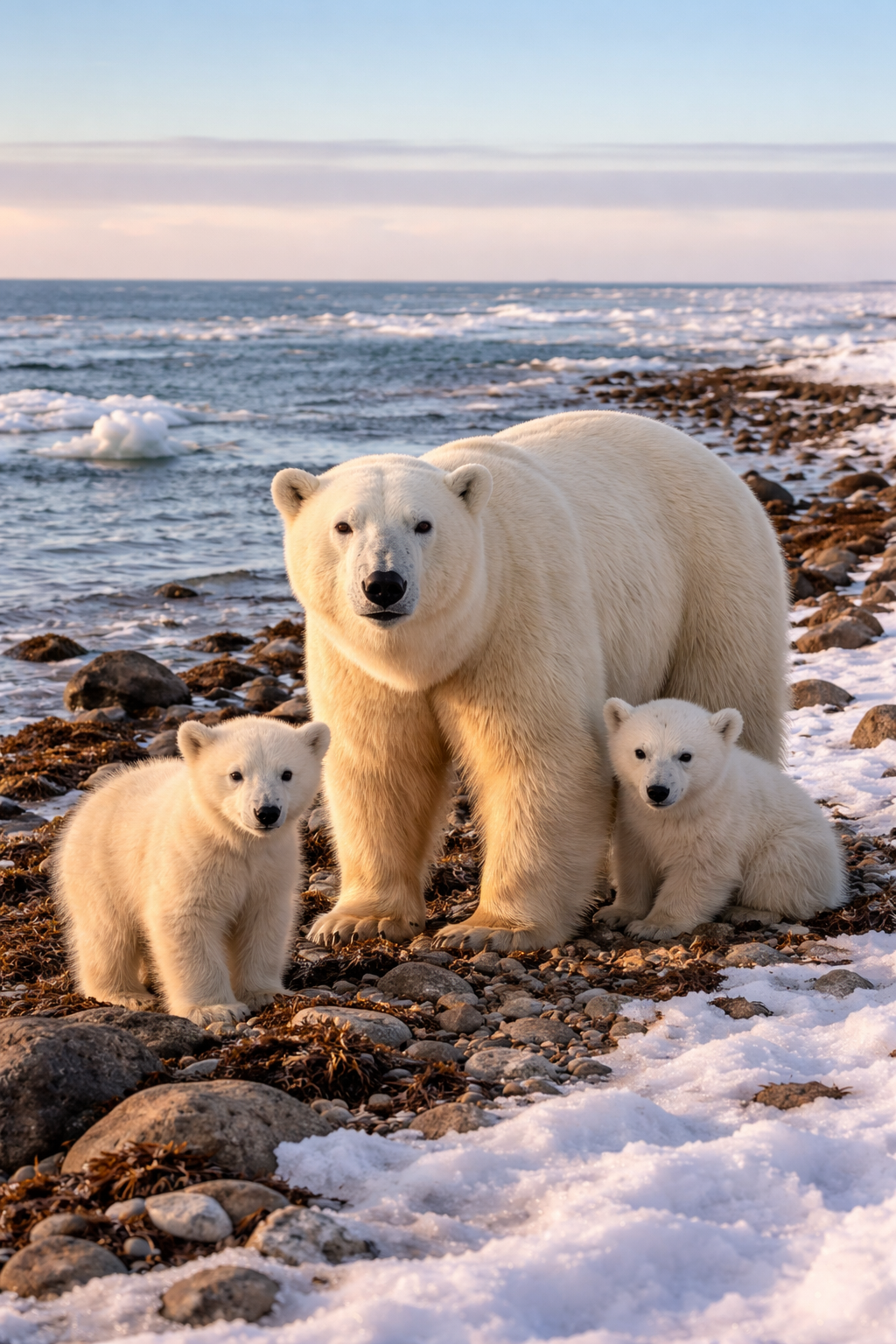
Did you know that Ontario is a "Maritime" Province of sorts? Along the shores of Hudson Bay, there are nearly 800 kilometres of saltwater shoreline, making it Ontario's "Arctic Coast". Along that coastline, in the Hudson Bay Lowlands and Polar Bear Provincial Park, lives the world's most southerly population of polar bears. These animals spend the summers in the area, waiting for winter's return and the freezing of Hudson Bay, where they could hunt seals through the ice. Sows have their cubs in this region, and the Hudson Bay Lowlands are one of the planet's most important maternity areas for the largest bear in the world. Cubs are born in winter and emerge from dens in March and April.
Polar bear sow with cubs along the shore of Hudson Bay in Ontario.