9 Facts to Know about the Agawa Canyon Tour Train
Get ready for a bucket list experience in the wilderness of Northern Ontario.
By Conor Mihell


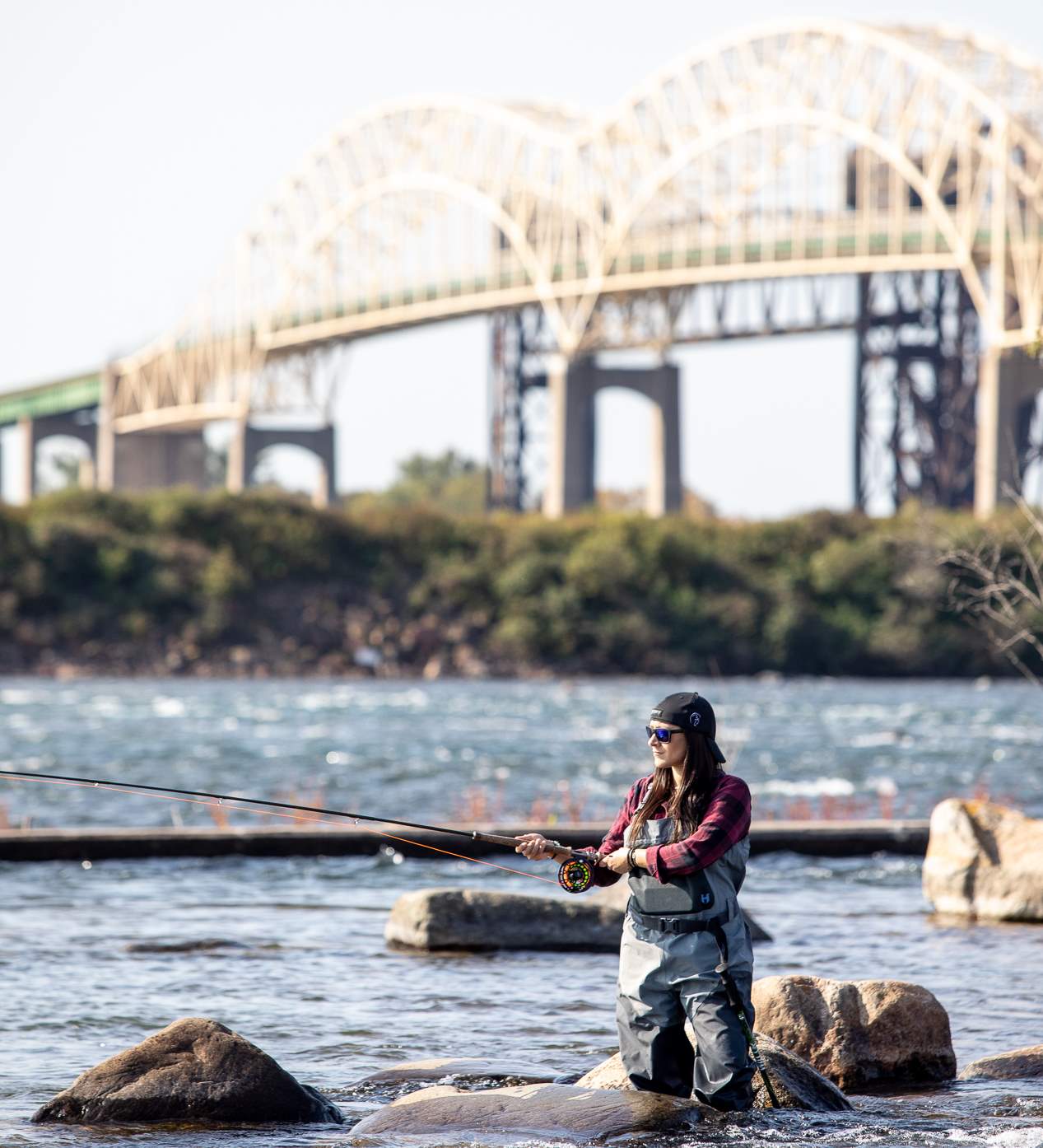

If you’re looking for one of the most accessible—and productive—fishing experiences in Northern Ontario, the St. Marys Rapids in Sault Ste. Marie should be on your list.
Set at the meeting point of Lake Superior and Lake Huron, this stretch of the St. Marys River offers something rare: a world-class fishery that unfolds right alongside an urban waterfront, within sight of downtown Sault Ste. Marie. It’s a place where you can spend the morning chasing salmon in fast water and the afternoon exploring cafés, trails, and historic sites—all without leaving the city.
Nearly a century ago, Ernest Hemingway wrote, "The best rainbow trout fishing in the world is in the rapids of the Canadian Soo". Today, that reputation still holds. Resident rainbow trout remain in the system year-round, joined by a steady rotation of migrating fish moving between the Great Lakes.
If you’re planning a fishing trip to Sault Ste. Marie, this is where most anglers start.
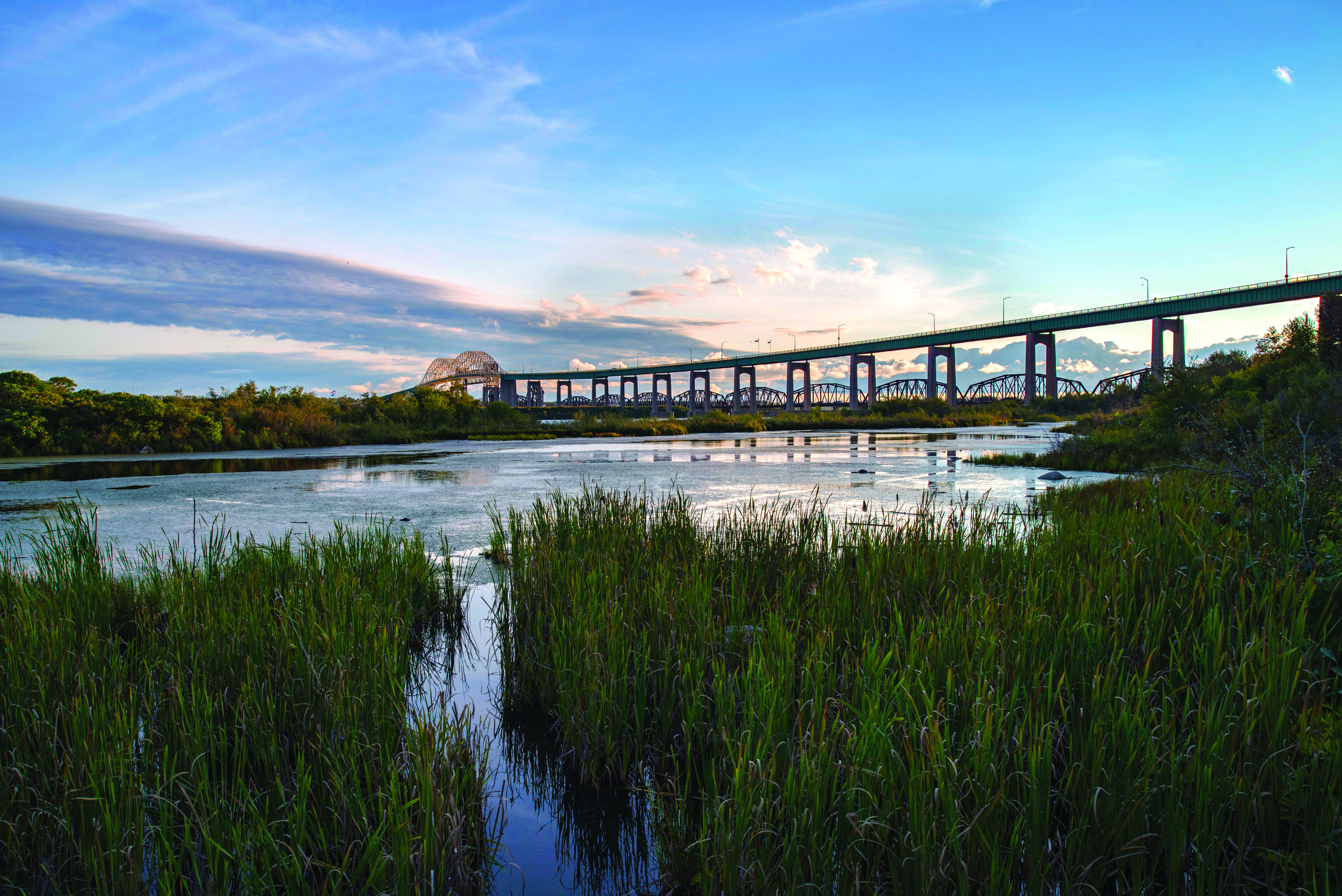
The defining feature of the St. Marys Rapids is movement. Cold, clear water pours out of Lake Superior and drops more than 10 metres through a kilometre of riffles, runs, and deep holding pools. That constant current creates ideal feeding conditions, drawing fish in and keeping them active.
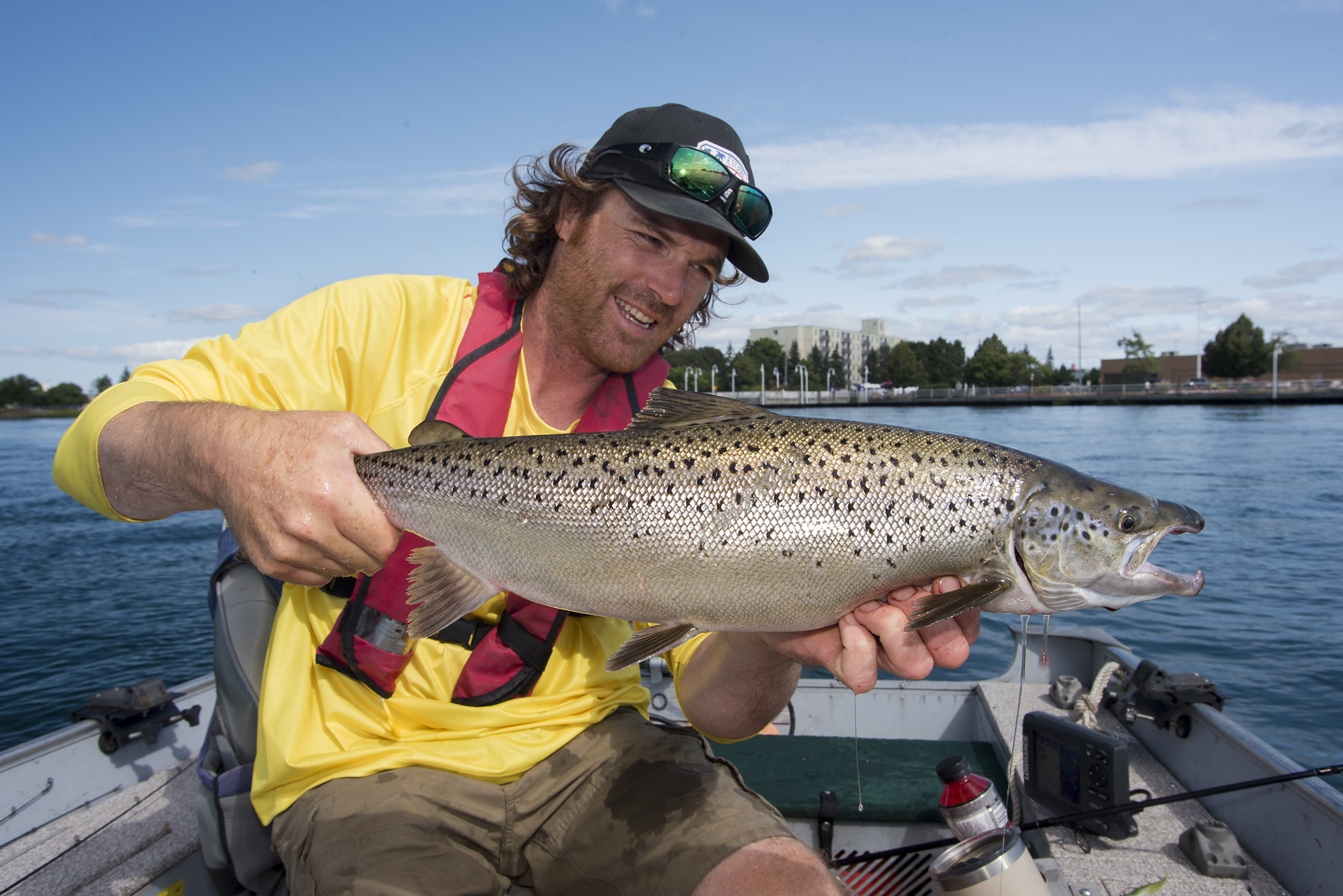
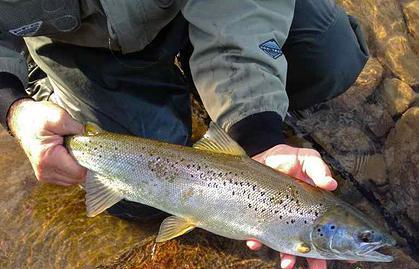
What sets this fishery apart isn’t just the number of fish—it’s the species overlap. At different points in the year, steelhead, multiple salmon species, and resident trout all share the same water. It’s not unusual to target one species and hook another.
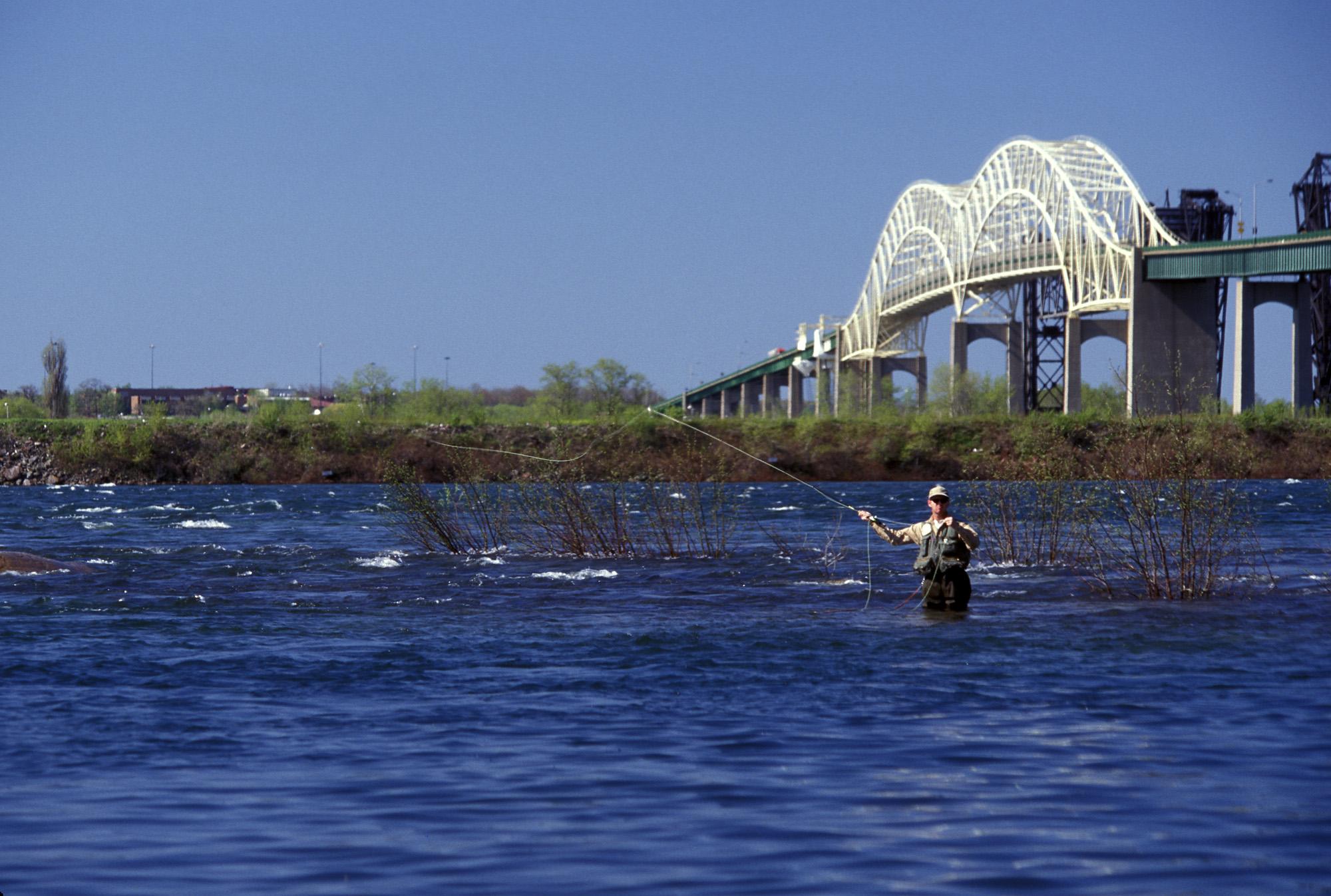
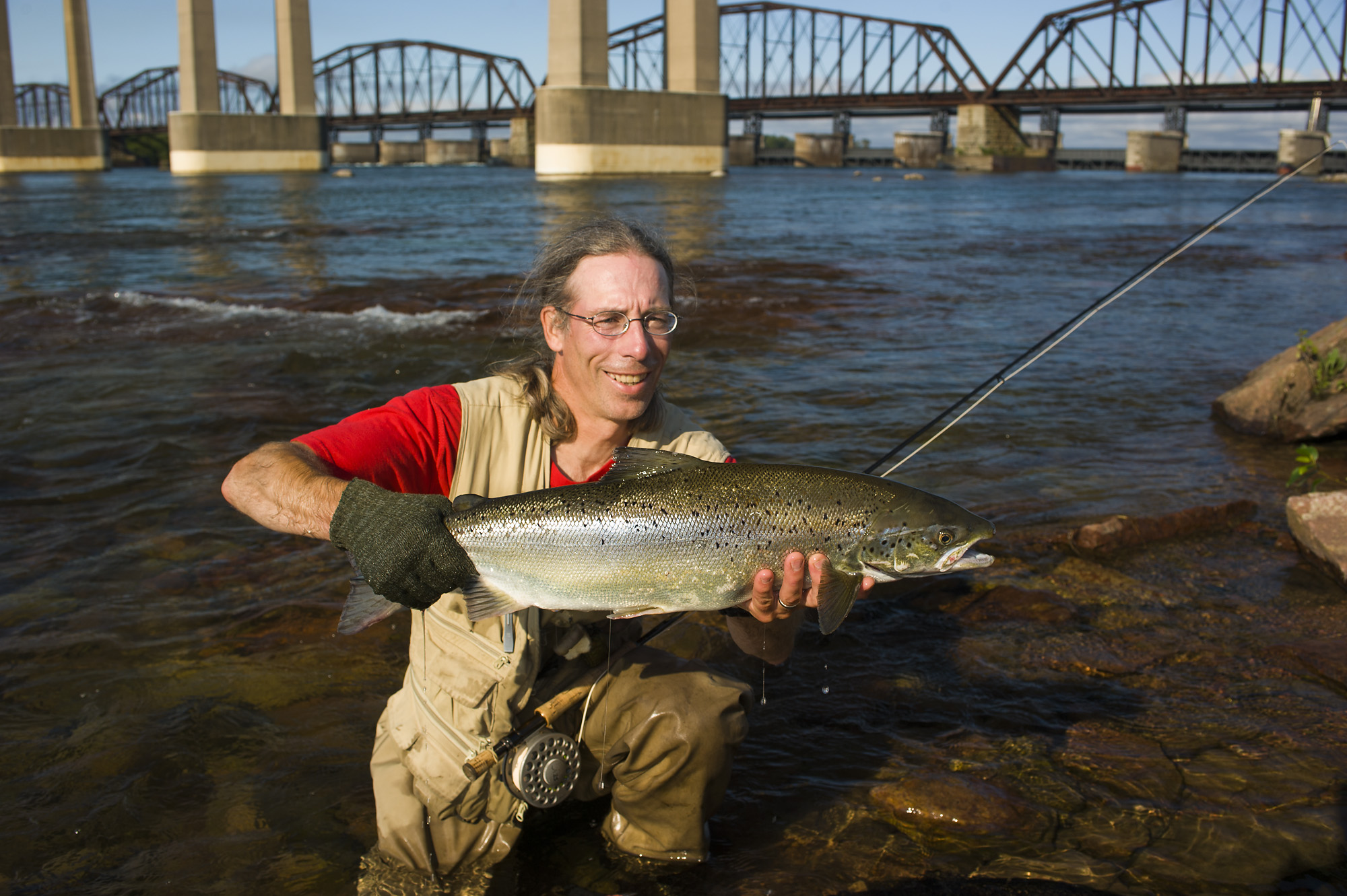
And then there’s the setting. Few places in Canada allow you to fish water of this calibre within walking distance of downtown. The Rapids sit beneath the International Bridge, are layered with history and have long been recognized as a traditional gathering place for fish and fishermen alike. To top it off, the fish tend to be large; when the Steelhead are running, they often average 8 to 10 pounds.
If you’re planning a trip, start with timing.
Pick your season based on what you want to target, and give yourself time to adjust. Fish move, conditions change, and the anglers who pay attention tend to do best. Keep it simple—move around, watch the water, and adjust as needed. It’s a river that rewards that approach.
The river changes with the seasons, and so do the opportunities. Here’s a practical breakdown of what to expect:
With multiple runs overlapping, anglers often find themselves fishing for one species while encountering another—a defining feature of the St. Marys Rapids.
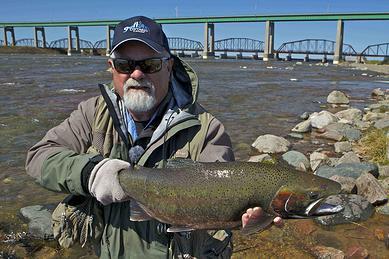
One of the biggest advantages of fishing the Rapids is how straightforward access can be. Well-established entry points include the Sault Ste. Marie Canal National Historic Site and the trail networks leading toward Whitefish Island. From there, anglers can follow the sound of moving water to reach productive sections of the river.
For those who prefer to stay dry, shoreline casting areas and fishing platforms along the waterfront provide excellent access without the need to wade. More experienced anglers often step into the river itself, working their way toward current seams and mid-channel holding water.
Wading here requires caution. The bottom is uneven, the rocks are slick, and the current is strong. But with the right approach, it opens up a deeper connection to the fishery.
If you’re unfamiliar with the river, a local guide can help shorten the learning curve significantly—both in terms of safety and success.
Fishing the Rapids is less about specialized equipment and more about understanding the water.
Fly anglers typically lean toward heavier setups capable of handling strong current and large fish. Two-handed Spey rods are useful for covering distance, while single-handed rods offer more control in tighter spaces. Streamers, nymphs, and egg patterns are all effective, particularly when presented with a natural drift through current seams. You can read more about fly fishing on the St. Marys Rapids here.
Spin anglers rely on durable rods and smooth drag systems. Spinners, spoons, and minnow-style baits work well when worked through deeper pools and along edges where fast and slow water meet.
Regardless of your setup, success often comes down to reading the river. Fish hold where they can conserve energy—behind structure, along seams, and in softer water adjacent to strong current.
And in the clear water of the St. Marys, stealth matters. A careful approach and thoughtful presentation will consistently outperform aggressive casting.
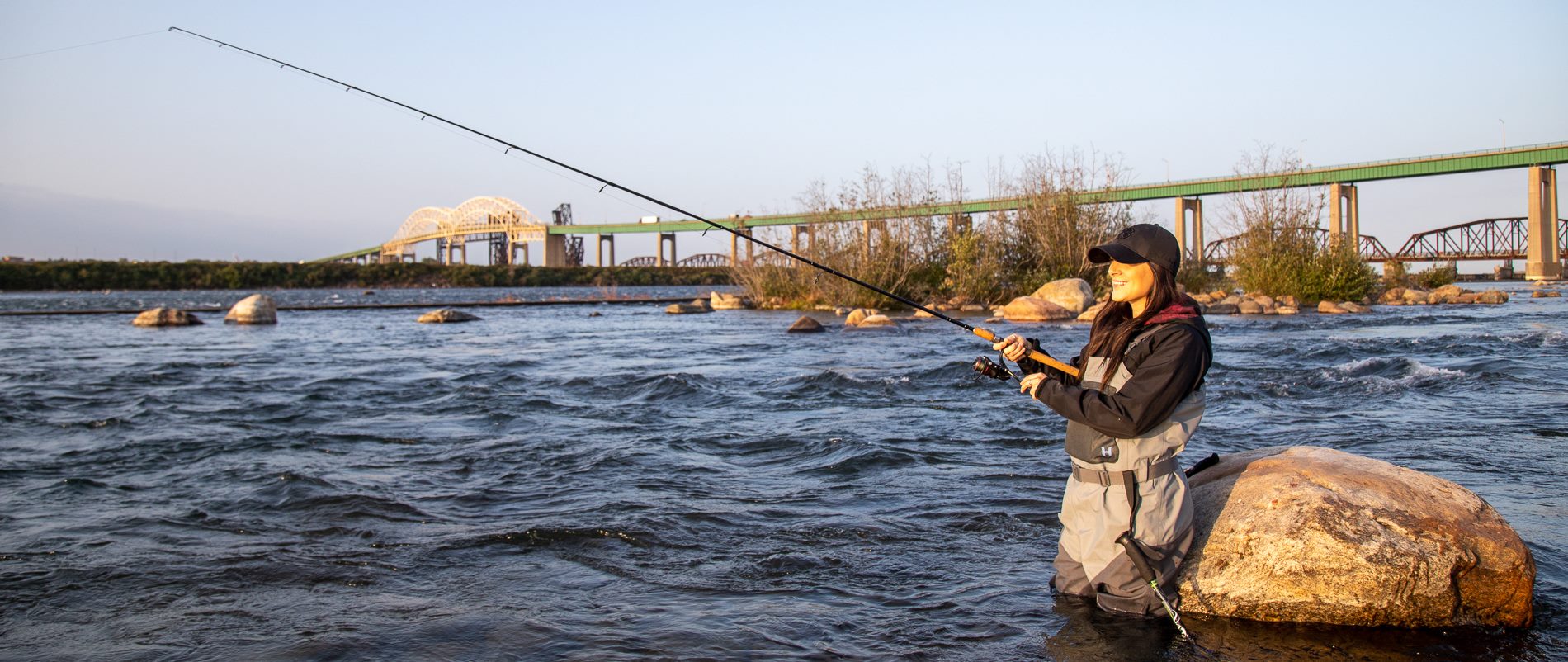
The St. Marys Rapids are powerful water, and they demand respect. Wading anglers should be equipped with proper footwear and take extra care on slippery rock and uneven footing. Sudden drop-offs are common, and current strength can change quickly depending on conditions.
There are also clearly marked areas where fishing is restricted, particularly near the canal and designated spawning zones. These protections help maintain the health of the fishery and should always be respected.
A valid Ontario fishing licence is required, and anglers should check current regulations for seasonal rules and catch limits before heading out. Fishing licenses are available for purchase from any Ontario Travel Centre. You can learn more about fishing licenses here.
You don’t need one, but it can make a difference—especially early on.
Guides spend a lot of time on this water. They understand how fish move through the system, how conditions affect things, and where fish are likely to be. For many anglers, that first guided trip is about learning how to approach the river so future trips are more productive. To explore local options, visit Tourism Sault Ste. Marie’s tours and guides page.
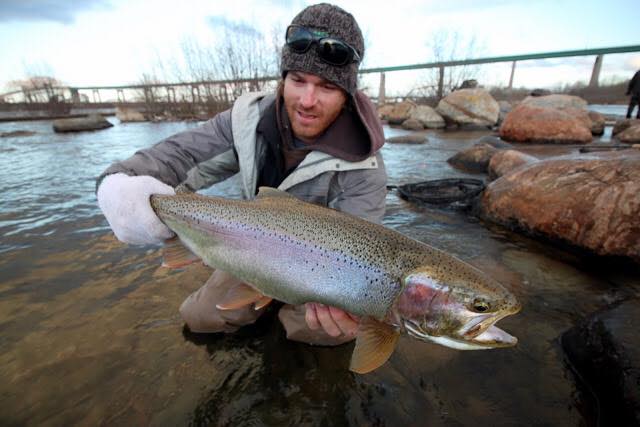
Local anglers will tell you the difference here is simple: fish in the St. Marys Rapids are actively feeding.
Rather than staging passively, many species use the current to hunt, which leads to more aggressive strikes and more consistent action. It’s one of the reasons the Rapids have built a reputation as a reliable fishery across multiple seasons.
But beyond the fishing itself, there’s something else that keeps people coming back. It’s the contrast—the ability to stand in fast-moving water, focused on the drift of a line, while the city hums quietly just behind you.
Sault Ste. Marie sits in a uniquely rich corner of Northern Ontario, surrounded by the waters of two Great Lakes and an extensive network of rivers and inland lakes.
The St. Marys Rapids are often the starting point—but rarely the end of the story.
You can build an entire trip around this fishery or use it as a gateway to explore further, enjoying the spectacular fishing in the surrounding area. Either way, it offers something increasingly rare: high-quality fishing that’s both accessible and authentic.