Renting Your First RV in Northern Ontario? Start Here

From licences and RV types to rentals, seat belts, campsite hookups, and provincial park rules—here’s what first-time RVers need to know before hitting the road.

An RV can be an excellent way to explore the more than 800,000 square kilometres of Northern Ontario. But for a first-timer, it can feel overwhelming.

We’ve compiled all the details to get you started on your first RVing adventure.

Where can I rent an RV?

There are several ways to go about renting an RV.

GoRVing Canada has a list of Ontario RV dealers who offer rentals.

CanaDream is an RV dealership offering rentals at 7 locations across Canada with 24/7 emergency roadside assistance.

You can also rent from peer-to-peer RV marketplaces like RVezy and Outdoorsy, which work similarly to Airbnb.

You’re looking at anywhere from around $50/night on the low end for a micro or tent trailer rental to $300 and up per night for a Class A vehicle.

Be sure to ask if the rental includes insurance and know what you’re covered for.

Do I need a special license?

Most rental places will have a minimum age requirement of 21 to 25.

The government of Ontario determines what type of license you need based on how much the vehicle weighs.

With a standard, unrestricted G-class driver’s license, you can tow or drive most trailers or motorhomes—as long as they weigh less than 11,000 kilograms and don’t need air brakes.

If you plan to drive to a different province, territory, or internationally, be sure to check their licensing requirements first.

Does everyone need a seat belt?

Everyone in an RV needs to be seated and buckled when it’s driving.

This means it’s also prohibited to be doing things like cooking, using the bathroom, or lying down in bed while it’s moving.

What’s the difference between an A-Class, C-Class, Fifth Wheel and Camping trailer?

RVs come in two categories: those you tow, and those you drive.

Vehicles you can drive include:

  • Campervan: a compact motor home that drives like a van. It typically has a bed (which may fold down or pop out), a small basic kitchen, and may have a small bathroom. Ideal for solo travellers or a couple.
  • Class B: similar to a campervan, it looks and moves like a van, and is ideal for fewer than three people. Typically under 21 feet long, it can fit in a regular parking spot. It often has a bed, a small kitchen, and a bathroom.
  • Truck Camper: This mounts on the back of a pickup truck, turning it into a hard or soft-sided mobile home. It’s compact with sleeping, kitchen and bathroom areas, and is ideal for up to four people.
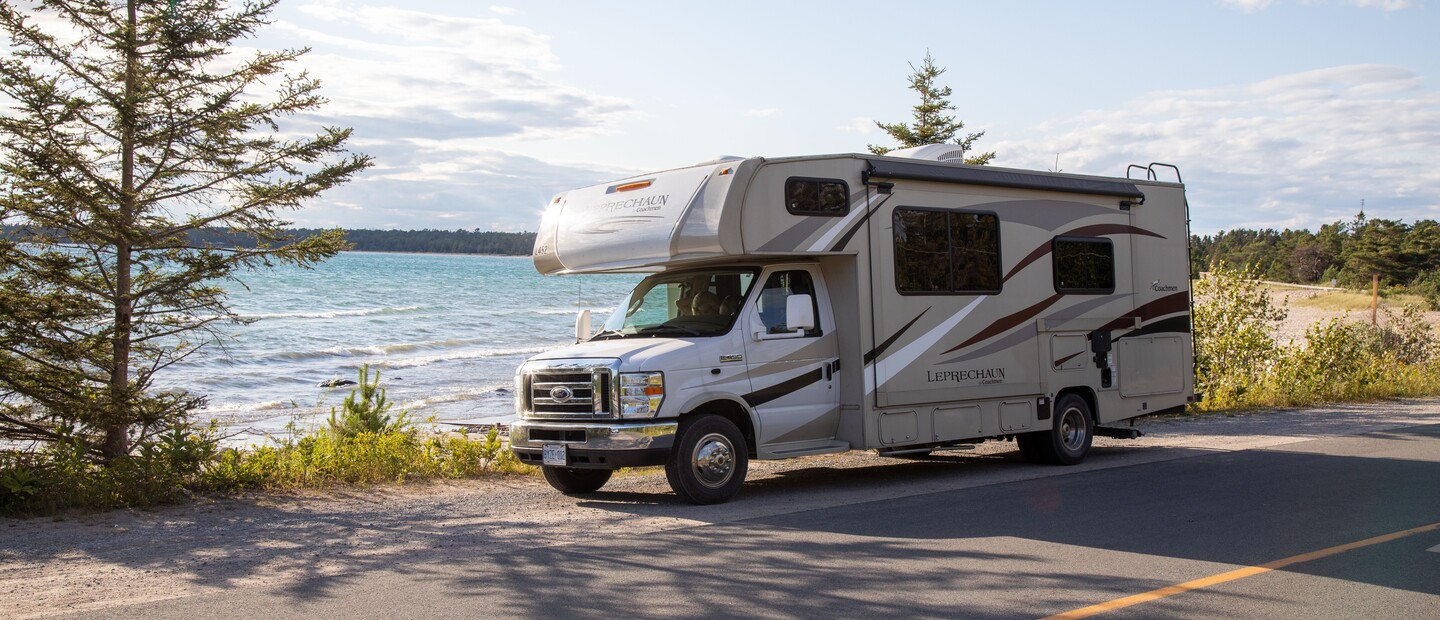
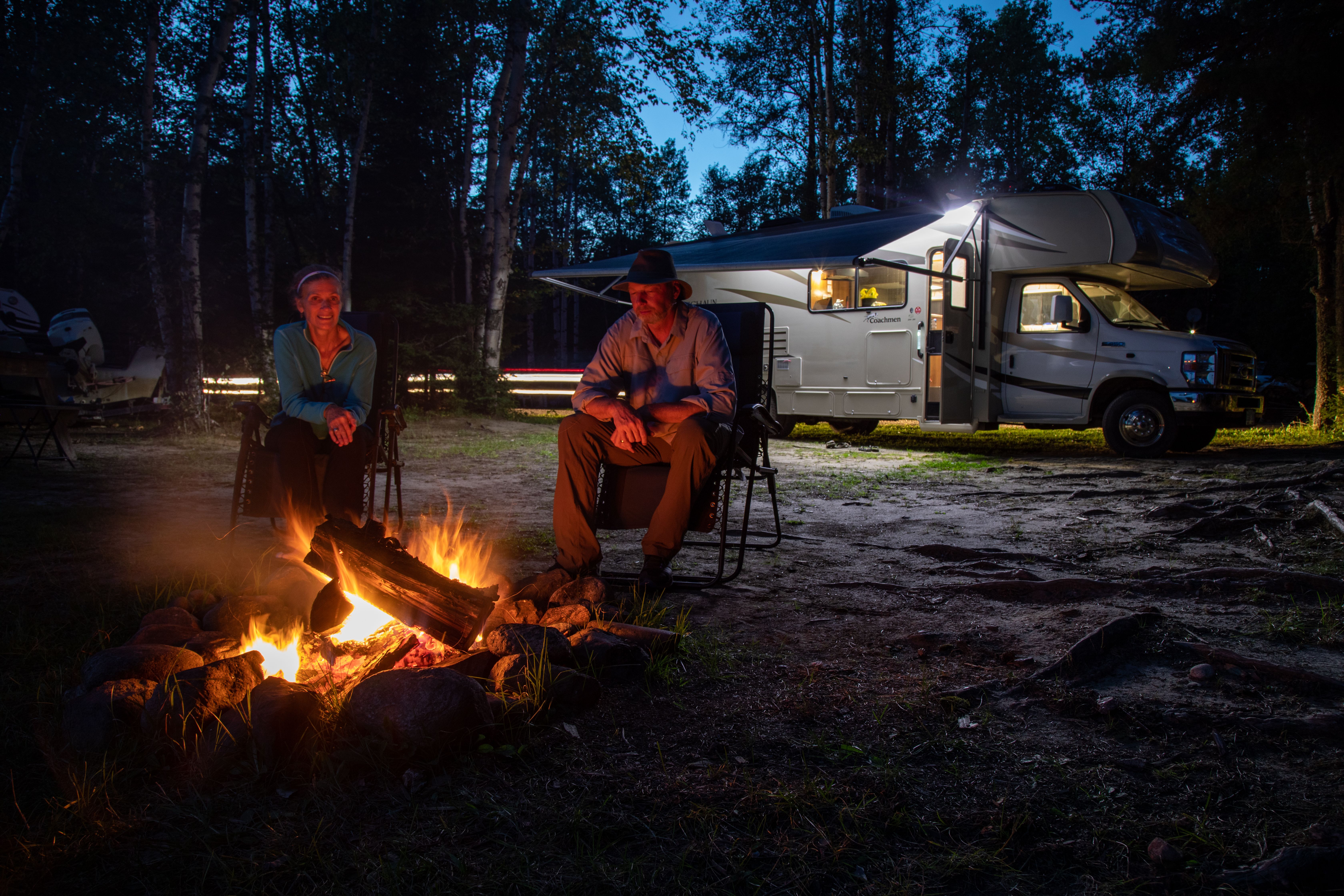
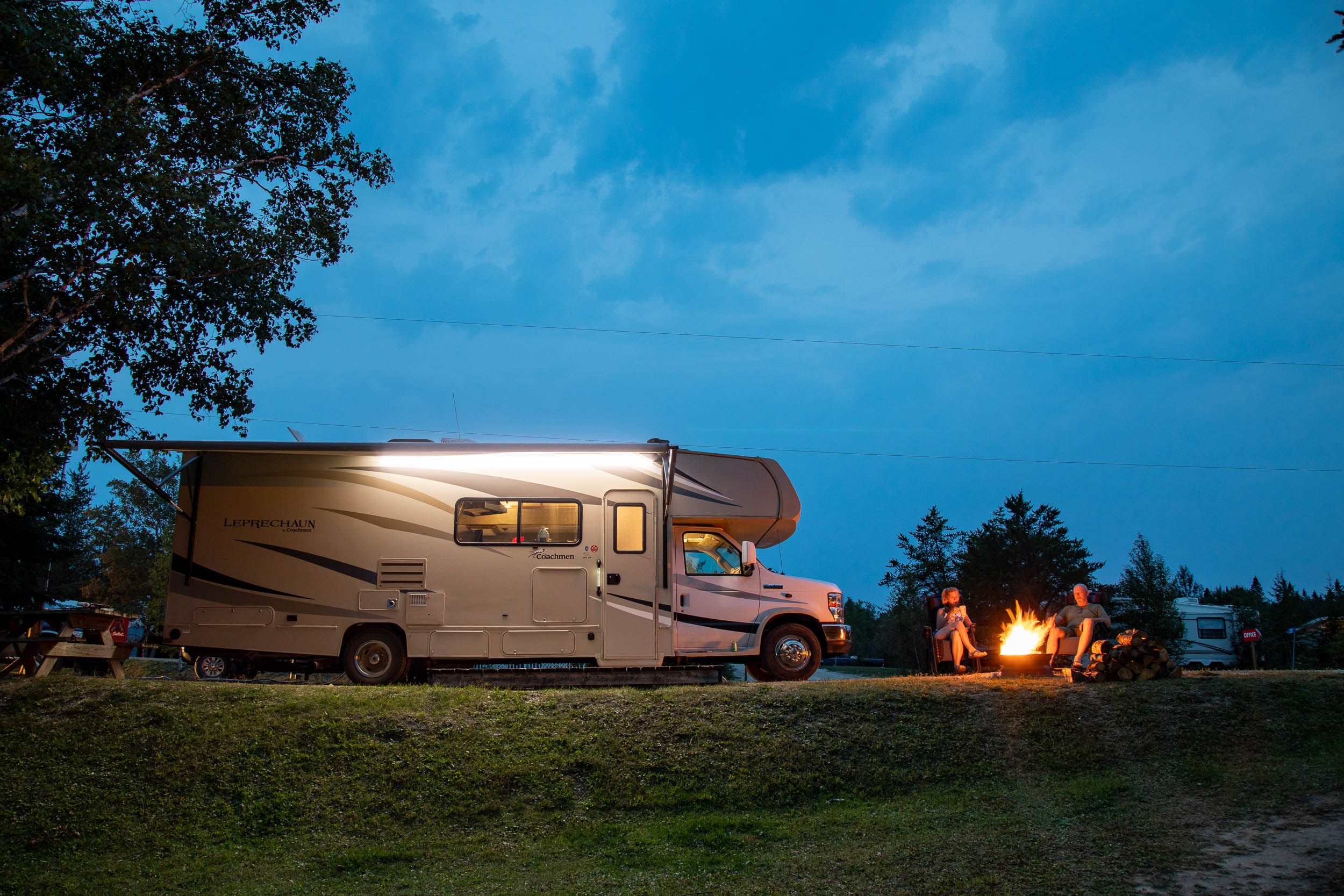
  • Class C: It looks and drives more like a large truck at 21 to 35 feet. It has a bunk over the cab, often used for sleeping or storage. It’s more spacious, with room for up to 8 people. It often has two to three sleeping areas, a kitchen, a bathroom, and extra storage space. Some have a slide-out feature, which extends the width by up to a metre when parked for extra space. Some are winterized, with furnaces and additional insulation.
  • Class A: These are the largest motorhomes and can run up to 40 feet long. Think: tourbus. They have several sleeping areas (often one with a king-sized bed), a kitchen, a sitting area, a bathroom, and space for up to 8 people. Like the Class C, there are slide-out features to extend the space. It can also tow a small vehicle. You will need a special licence if it has air brakes.

Vehicles you can tow include:

  • Micro Trailer: These are usually under 12 feet long and lightweight enough to be pulled by a small vehicle. These are ideal for 1-2 people. Picture a bed and sometimes basic kitchen elements like a fridge and/or stovetop.
  • Tent Trailer: these are flat while towing and pop up to offer a similar experience to tent camping. With one or two beds, they are suitable for 4 people, and may have a basic kitchenette and/or bathroom.
  • Hybrid: often has a solid body, with pop-out tent-like sleeping quarters. They can run up to 29 feet long and can often sleep up to 8 people, with a kitchenette and bathroom. These trailers can weigh up to 7,000 lbs and may need an SUV or truck to tow.
  • Toy Hauler: has a kitchen, bathroom, living and sleeping quarters. But what sets it apart is the garage-like space to carry things like ATVs, dirt bikes, golf carts, and canoes. The ramp can be turned into a raised patio space when not in use for storage. They can run up to 39 feet long.
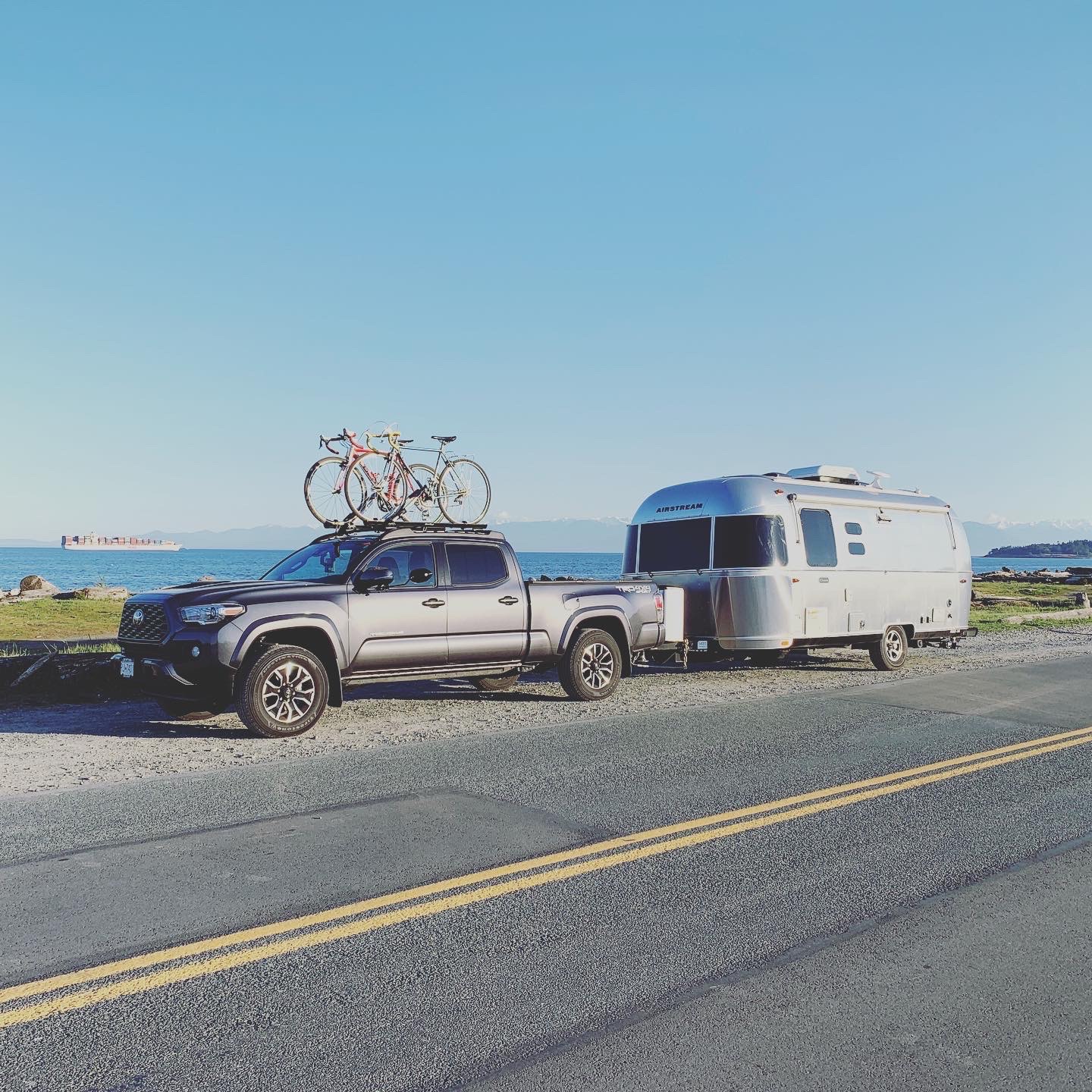
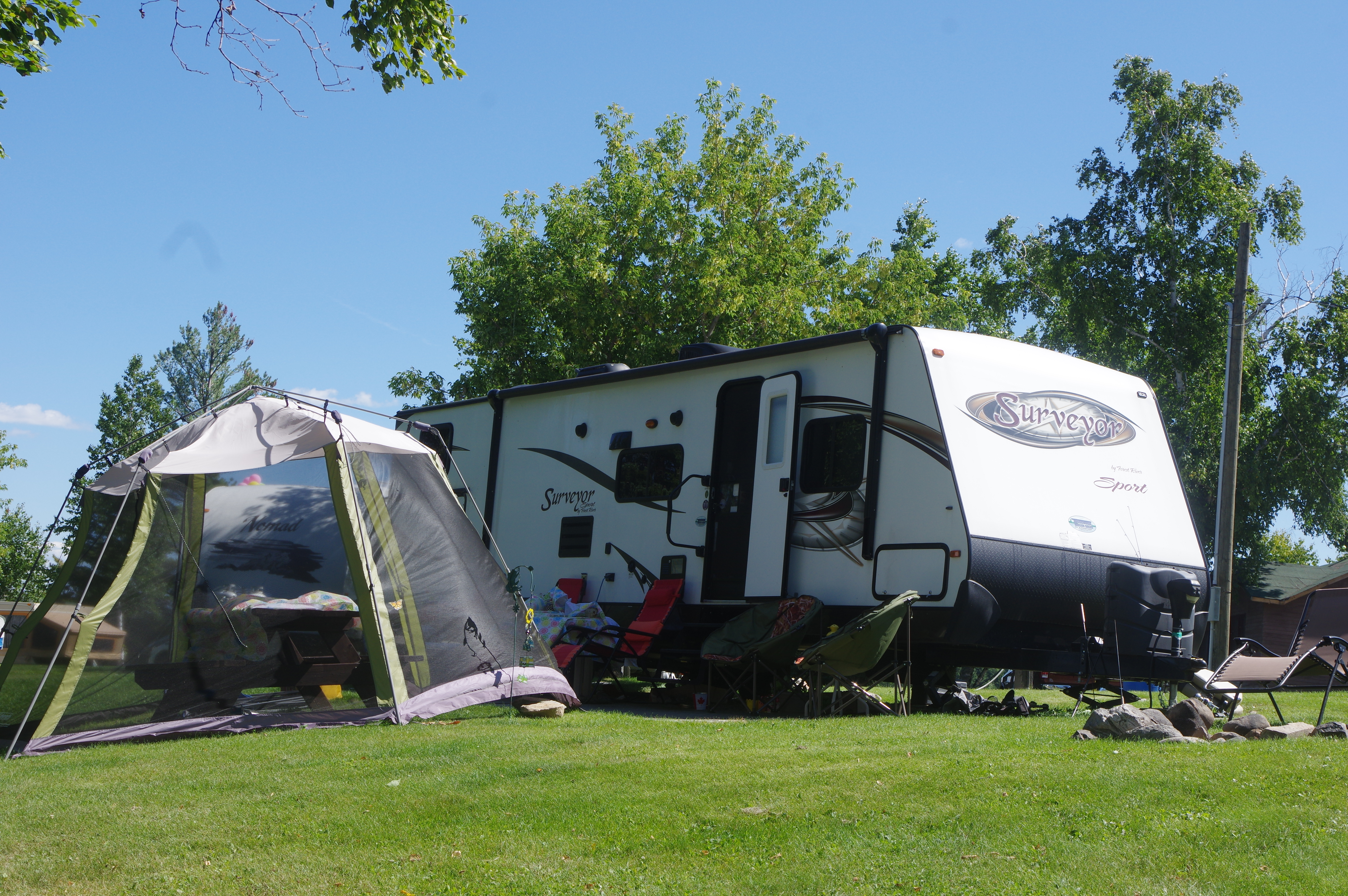
  • Travel Trailer: These can range from 12 to 35 feet and can sleep up to 8 people. There are a variety of floor plans to choose from, but they’ll have beds, a kitchen, a living space, a bathroom and storage.
  • Fifth Wheel: at up to 40 feet long, fifth wheels are the largest towables. They’ll need to be towed by a truck using a hitch specifically for a fifth wheel. These come with a separate bedroom, spacious kitchen, bathroom and living space, and can sleep up to 8 people.

What do I need to be aware of with height clearances and weight limitations?

It’s important to know how tall your RV is so you can plan ahead to ensure you will clear any overpasses or tunnels.

Knowing the length and width is also helpful when trying to navigate turns, parking lots and campsites.

What do I need to know about visiting provincial parks with an RV?

Ontario provincial parks have pull-through campsites that are easier for RVs since you can enter or exit the site from either end (rather than having to back in).

If you need electrical, make sure you reserve a site with 15/30 amp electrical service (since not all sites come with it).

When you reserve your campsite, you will be asked to specify your trailer size (some parks can’t have trailers over 32 feet).

Some rental companies near popular provincial parks like Sandbanks and Killbear will set up pop-up tent trailers in the park for you, according to the provincial parks website.

Ready to plan the ultimate RV trip? Check out our list of Ontario RV campgrounds by region, a suggested 10-day provincial park circuit, and other tips for discovering Ontario by RV

About Celeste Percy-Beauregard

Celeste Percy-Beauregard is an Ontario-based writer who discovered just how large our province is when she travelled across it in a cube truck performing children’s theatre and eating all of the poutines along the way.

Recommended Articles

The Complete 2026 List of RV Shows in Ontario

Add these RV events to your calendar.

RV Camping Sites in Ontario: The Ultimate Guide

A comprehensive list of where to book an RV site across the province!

An RV Camping Guide to Ontario's Provincial Parks

Which park is right for your next trip?

4 Essential RV Itineraries From Toronto

From the GTA to the great outdoors, have you done these road trips?

5 Tips on How to Go Full Time Remote Work With Your RV

From Starlink to bullet journals and making friends along the way—find your inspiration here!

RV Summer School: An Educational Road Trip That Kids Will Actually Enjoy

Design your summer school road trip with these 42 educational (and fun) attractions in Ontario, Canada.

A Guide to RV Camping at Pancake Bay Provincial Park

Beauty, beaches, history and hiking (but bring your own pancakes).

Love on the Run

A starter guide to RVing for young couples.

Have Your Toured Ontario's Provincial Park Nature Trail?

Go Tour Ontario's 10-Day RV Route

An RVer's Guide to the Voyageur Trail

Maximize your RV vacation by taking advantage of these incredible hikes!

Camping and RVing in Restoule Provincial Park

This diverse campground makes the perfect spot for campers to both be active and unwind.

An Algonquin Provincial Park Family Camping Adventure

Gorgeous scenery, spectacular paddling and interesting (and surprising) vegetation make this huge provincial park an adventure for all ages.

Looking to enjoy the RV life and get paid to do it?

Check out our guide to work camping. Job perks include fishing, campfires and gorgeous sunsets.

Search RV Canada